

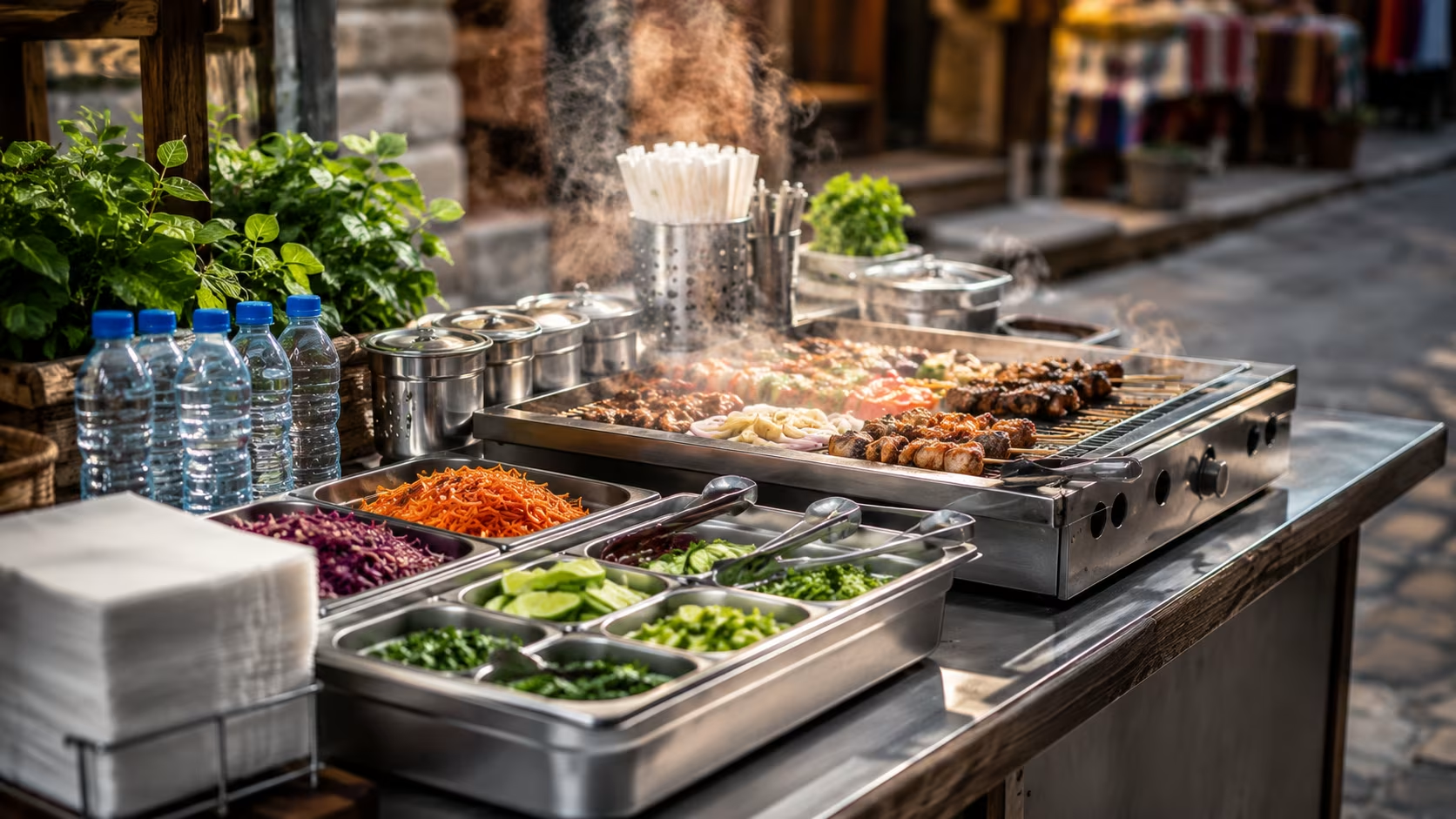
Street food is among the great cultural experiences in travel. Bangkok's pad thai stalls, Mexico City's pastor tacos, Hanoi's pho counters, Marrakech's Jemaa el-Fna grills, Naples' pizza al taglio, and dozens of others define the regional cuisines they belong to. The food is also where 20-30% of travelers get sick — sometimes mildly, sometimes seriously — making street food the most-rewarding-and-most-risky category in international travel.
The travelers who eat street food well don't avoid it; they read the cues that distinguish safe stalls from risky ones. The pattern repeats across countries: the same indicators predict food safety regardless of cuisine.
This is a 2026 field guide to eating street food safely without missing the cultural experience.
The Five Indicators of a Safe Stall
- High customer turnover. Locals eating there in a constant flow. The food is replenished often; ingredients don't sit.
- Visible food preparation. You can see the cook handling ingredients; the cooking process is exposed.
- Hot food served hot. Items pulled from boiling pots, sizzling pans, or grills go to your plate immediately.
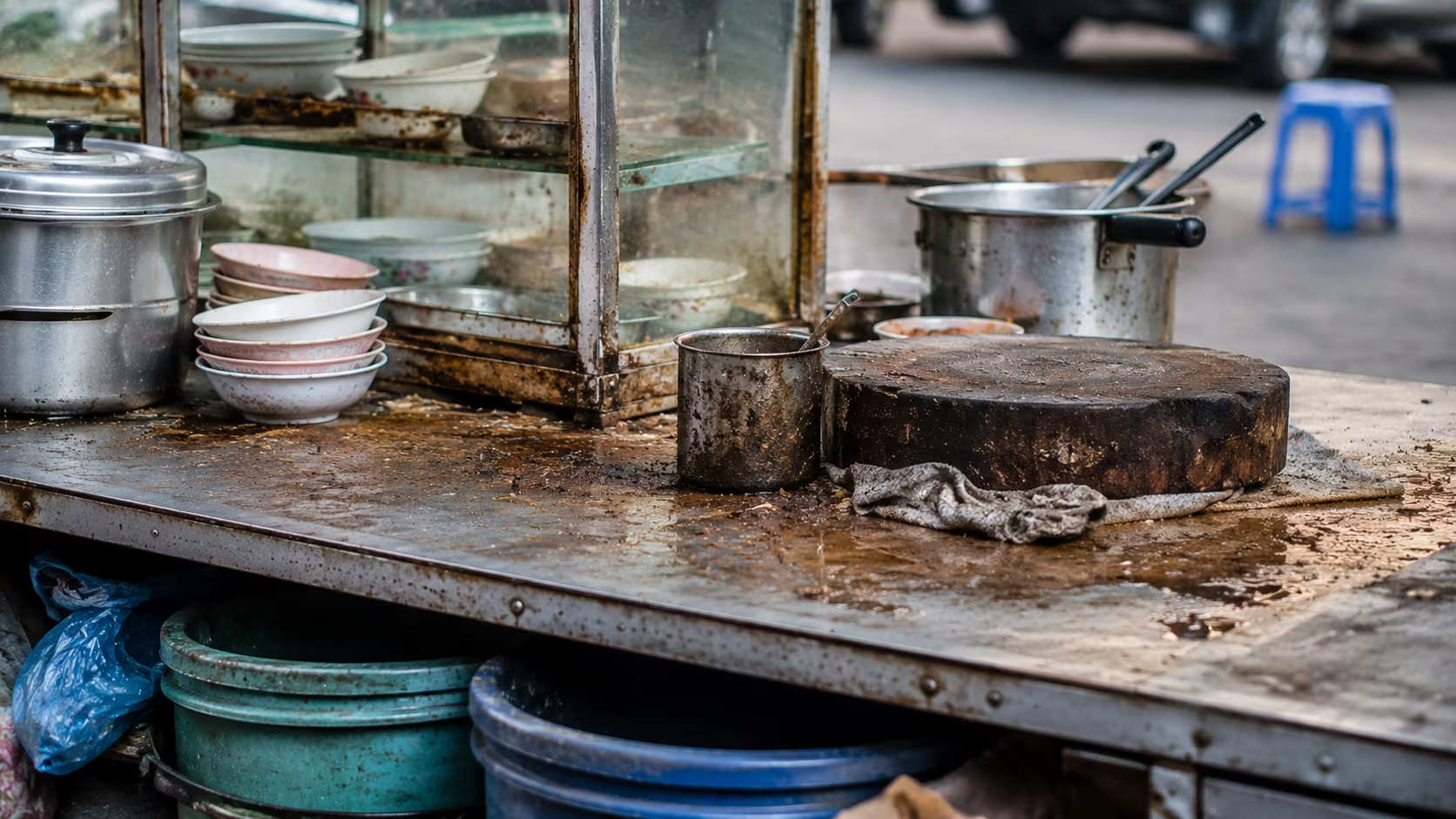
- Clean cooking area. Not perfect — street stalls aren't restaurants — but the visible workspace shows care.
- Local language signage + queue. Local-targeted, not tourist-targeted. Locals know which stalls have problems.
A stall hitting 4 of 5 of these is worth eating at. A stall hitting fewer is risky regardless of how good the food looks.
The Five Warning Signs
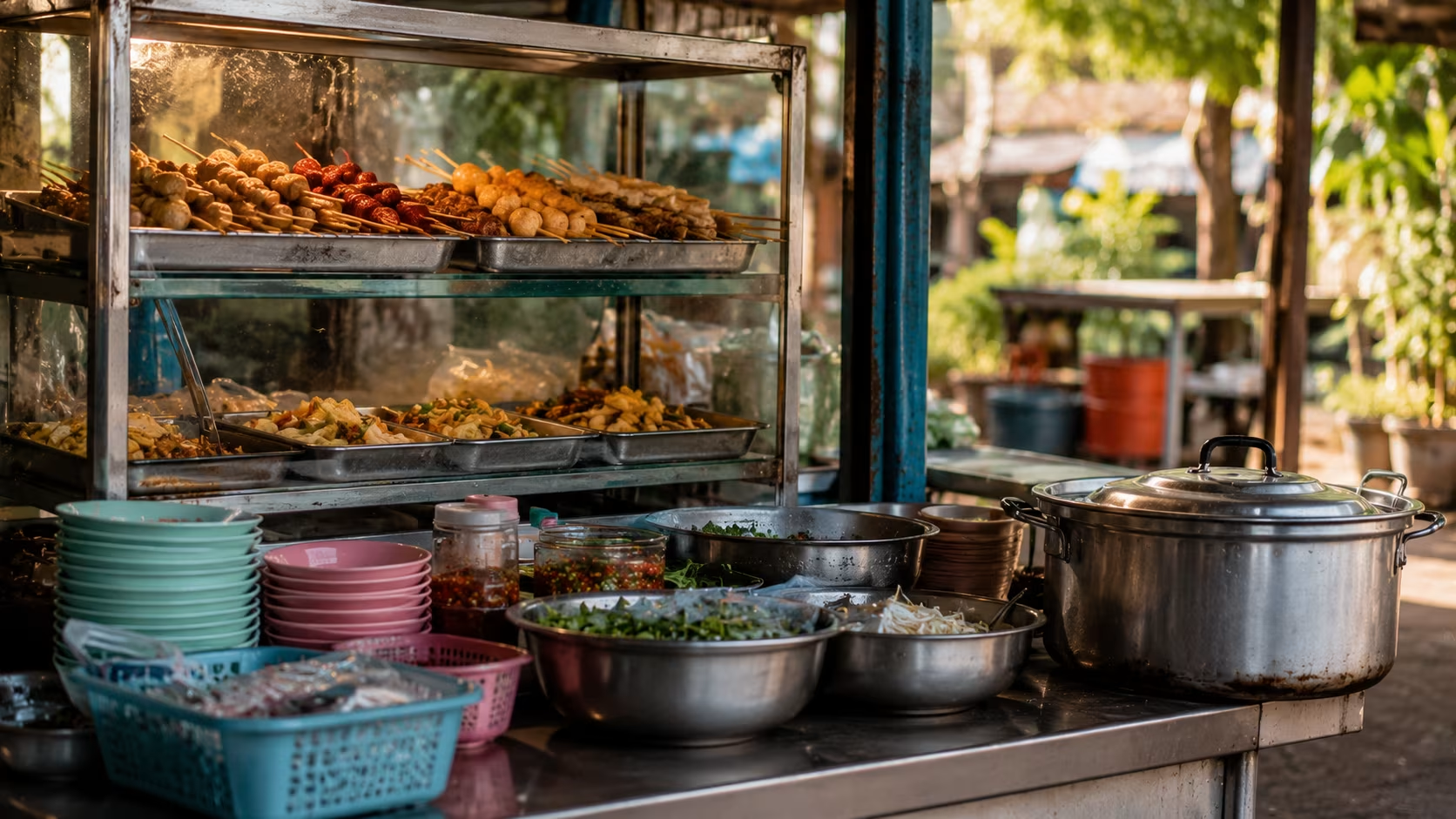
- Food sitting at room temperature for hours. Especially proteins, dairy, sauces.
- Empty stall during meal time. Locals know something you don't.
- Visible flies on food. Not always conclusive, but a major flag.
- Cook handling money + food without changing gloves or washing. Cross-contamination.
- No water for cleaning. A working stall needs water; absence suggests shortcuts.
If you see 2+ of these warning signs, walk away.
The Universal Safe Choices
Regardless of country, certain street foods are statistically safer:
Cooked-To-Order Items
- Stir-fried noodles + rice dishes (pad thai, lo mein, fried rice) cooked in front of you. Heat kills pathogens; freshness ensures the heat reaches everything.
- Grilled skewers (yakitori, satay, kebabs) — direct heat + visible cooking + immediate serving.
- Fresh-cooked pancakes / crepes (banh xeo in Vietnam, jianbing in China, dosa in India).
- Just-fried items (samosas, croquettes, churros) — high heat kills bacteria.
- Tacos cooked on hot griddles in Mexico — fresh tortillas + sizzling proteins.
Hot Liquids
- Soups + stews (pho, ramen, harira, tom yum) — boiling temperatures kill pathogens. The bigger pot of constantly-boiling soup is one of the safest street foods.
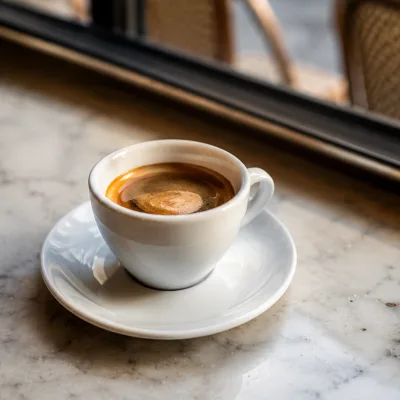
- Hot beverages — coffee, tea brewed at high temperatures.
Pre-Wrapped or Sealed
- Industrially packaged items (chocolate bars, packaged crisps, sealed water).
- Items with thick natural skins (bananas, oranges, peeled coconuts that you saw being cut).
What to Be Careful About
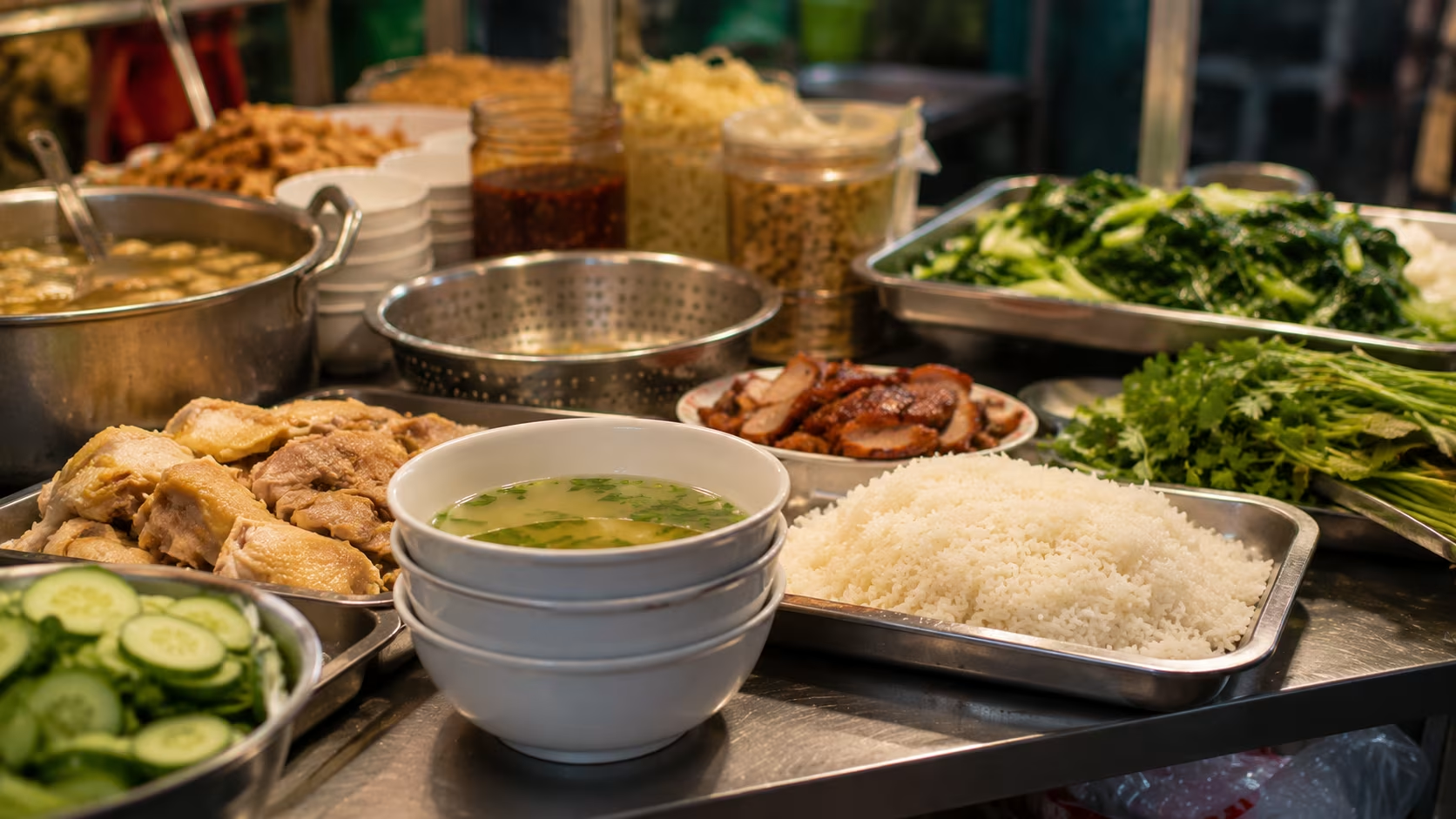
Salads + Raw Vegetables
- Lettuce, cucumber, herbs washed with potentially contaminated water.
- Pre-prepared salads sitting at room temperature.
- Sliced fruits with cut surfaces exposed.
Where: generally OK in cities with reliable water (most of Western Europe, US, Japan, Singapore, Australia). Risky in many parts of South Asia, sub-Saharan Africa, parts of Mexico/Central America.
Dairy
- Unpasteurized milk + cheese.
- Yogurt drinks (lassi) made with potentially contaminated water.
- Soft cheeses sitting at room temperature.
Where: OK in dairy-cultivated countries (Western Europe, Japan, parts of Latin America). Risky in some Asian + African destinations where dairy isn't traditional.
Cold Items + Ice
- Ice in drinks made with potentially contaminated water.
- Cold sauces (mayo-based) sitting in heat.
- Cold cuts in markets.
Where: OK in cities with high standards (most of Europe, North America, Japan). Risky in regions with less-reliable water + electricity.
Pre-Cut Fruit
- Often washed with tap water.
- Cut surfaces exposed to flies, hands, dust.
- Sometimes "refreshed" with water from unclear sources.
Where: safer to peel fruit yourself than to buy pre-cut.
Regional Notes
Southeast Asia (Thailand, Vietnam, Cambodia, Malaysia, Indonesia)
Generally safer than reputation suggests. The food is overwhelmingly hot/cooked. The stall culture has been polished by decades of high-volume tourism.
Safer choices:
- Soup noodles (pho, pad thai, mee goreng).
- Grilled meats from charcoal.
- Cooked rice dishes.
- Fresh-fried items (spring rolls, pancakes).
Be careful with:
- Salads with raw vegetables (papaya salad in Thailand, fresh herbs at street stalls).
- Pre-cut fruit on the street (peel yourself instead).
- Smoothies/juices made with tap water + ice.
- Cold dishes sitting at ambient temperature.
Bangkok specifically:
- Hawker centers are generally very safe.
- The famous Thip Samai pad thai institution: safe.
- Jay Fai (Michelin) crab omelet: safe.
- Random street vendors with low traffic: variable.
South Asia (India, Pakistan, Bangladesh, Sri Lanka)
The highest food-poisoning risk region for tourists. The combination of widely-variable water quality + heat + traditional food preparation creates real risk.
Safer choices:
- Hot fried items (samosas, pakoras) just out of oil.
- Hot soups (mulligatawny, sambar).
- Hot tea + coffee.
- Cooked rice + curries served hot at high-volume restaurants.
- Tandoori-cooked meats.
Be careful with:
- Raw vegetables + salads.
- Lassi (yogurt drink) at any but the highest-volume vendors.
- Chutneys + sauces sitting at room temperature.
- Cold beverages with ice.
- Pre-cut fruit.
- Street food vendors during monsoon season (water contamination higher).
Mexico + Central America
Better than reputation in Mexico City + tourist-zone Mexico. Risky in rural areas + smaller cities.
Safer choices:
- Tacos cooked on hot griddles in front of you.
- Hot soups (pozole, caldo de pollo).
- Just-fried items (taquitos, churros).
- Beverages from sealed bottles or sealed cans.
Be careful with:
- Salsas sitting at room temperature.
- Pre-cut fruit (frutas) at vendor carts.
- Cilantro + lettuce in tacos (variable; high-volume taquerias generally safe).
- Aguas frescas from cart vendors (water source unclear).
- Ice in beverages (variable by vendor).
North Africa + Middle East
Variable. Cairo + Marrakech major markets generally safe at the high-volume stalls; smaller stalls + rural areas riskier.
Safer choices:
- Hot grilled meats (shish, kebab, shawarma off the spit).
- Hot soups (harira in Morocco, lentil soups).
- Hot tea + Turkish coffee.
- Sealed packaged sweets (lokum, baklava in shops).
Be careful with:
- Salads + cold mezze.
- Yogurt + cheese spreads.
- Tap water + ice.
- Pre-cut fruit.
Sub-Saharan Africa
Highest risk region. Variable water quality + heat + limited refrigeration in many places.
Safer choices:
- Hot grilled meats from active grills.
- Hot stews + soups.
- Hot tea + coffee.
- Just-fried items.
- Sealed packaged items.
Be careful with:
- Raw items.
- Cold items.
- Tap water + ice.
- Most dairy.
Consider eating at hotels + sit-down restaurants for many meals; reserve street food for the most-trusted high-volume vendors.
Latin America (South America)
Generally safer than expected in major cities (Buenos Aires, Santiago, Lima, Bogotá). Variable in smaller cities + rural areas.
Lima specifically has a serious + safe street-food scene; the city is often called Latin America's food capital.
Safer choices:
- Empanadas (just-fried).
- Anticuchos (grilled skewers).
- Hot soups (sopa de pollo, mate de coca).
- Ceviche at high-traffic restaurants only (raw fish risk).
Be careful with:
- Ceviche from cart vendors.
- Pre-cut fruit.
- Tap water + ice in some areas.
Europe + North America + Australia
Generally very safe. Food safety regulations + reliable water systems make street food risk minimal.
The challenge here isn't safety but quality + tourist-trap pricing. Same indicators (high turnover + visible cooking) help identify the best, not the safest.
East Asia (Japan, Korea, Taiwan, Hong Kong)
Among the world's safest street food cultures. Strict food-safety regulations + cultural emphasis on cleanliness.
Japan's hawker scene is extremely controlled. Korea's pojangmacha (street tents) are well-regulated. Taipei night markets are generally safe.
Specific Street Foods by Country: Safe Bets
Thailand
- Pad thai at high-traffic vendors.
- Som tam (papaya salad) — cooked + served immediately.
- Khao soi (Northern Thai noodle soup).
- Grilled meat skewers (moo ping).
- Mango sticky rice at clean vendors.
Vietnam
- Pho at busy restaurants/stalls.
- Bun cha at busy stalls.
- Banh mi at high-traffic vendors.
- Fresh-fried banh xeo.
- Hot Vietnamese coffee.
Mexico
- Tacos al pastor from busy taquerias.
- Tlacoyos at neighborhood markets.
- Tortas at busy locations.
- Pozole at high-traffic spots.
- Hot champurrado.
Japan
- Yakitori from yakitoriya (almost any).
- Takoyaki + okonomiyaki at festivals + markets.
- Onigiri from convenience stores or counters.
- Ramen from any high-traffic shop.
Italy
- Pizza al taglio in Rome + Naples.
- Arancini in Sicily.
- Cannoli in Sicily (just-filled).
- Lampredotto sandwich in Florence.
- Bombolone + other fresh pastries.
Spain
- Bocadillos at busy stands.
- Croquetas just-fried.
- Churros con chocolate from busy stalls.
- Tapas from high-volume bars.
Singapore
- Anything at a hawker centre — these are food safety-regulated and safe.
Turkey
- Lahmacun + pide from busy ovens.
- Döner from busy spinners.
- Simit + börek from active bakeries.
- Künefe + baklava from working pastry shops.
Hygiene Tactics for the Traveler
Wash Hands Before Eating
The single most-effective tactic. Hand sanitizer (60%+ alcohol) before any street meal. Many stalls have basic handwashing facilities.
Watch the Cook
Do they handle money + food without washing? That's a risk.
Drink Bottled Water Only
In most developing-country regions. Verify the seal is unbroken.
Avoid Ice in Some Countries
Ice + bad water = same risk as drinking the water. Where you'd avoid tap water, also avoid ice.
Eat Where Locals Eat
Locals who eat at the stall daily are the best food-safety inspectors. Empty stalls during meal hours are a warning.
Skip the Buffet at Less-Trusted Restaurants
Buffets sit at temperature for hours. Restaurant food cooked-to-order is safer than buffet selections in most countries.
Pace Yourself
Don't try every street food on Day 1. The body adapts to local microbes over a few days; spread the variety.
What to Do If You Get Sick
Mild Symptoms
- Hydrate aggressively. Bottled water + oral rehydration salts (ORS).
- Rest. Don't push through.
- Bland diet. BRAT (bananas, rice, applesauce, toast) for 24 hours.
- Loperamide (Imodium) can suppress diarrhea but doesn't address the cause. Use carefully.
Severe Symptoms
Fever > 38.5°C, persistent vomiting, blood in stool, severe cramping, dehydration: see a doctor.
Antibiotics (Pre-Prescribed)
Many travelers carry pre-prescribed azithromycin or ciprofloxacin for traveler's diarrhea. Take per doctor's instruction; usually 3-day course.
Pharmacies Abroad
Pharmacies in most major cities are excellent + sell most medications without prescription. Ask the pharmacist.
Common Tourist Mistakes
- Eating only at hotel restaurants "to be safe." Hotel restaurants in some destinations have similar or worse hygiene than street stalls.
- Ordering elaborate dishes at small stalls. Stick to specialties — what the stall makes well.
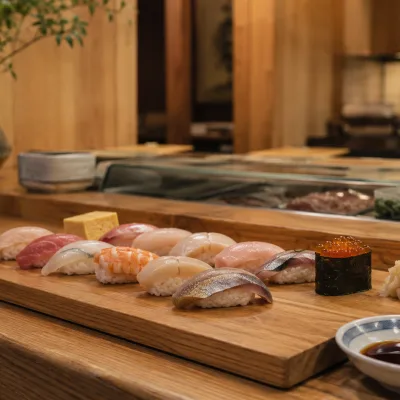
- Eating raw seafood from vendors of unknown reputation. Sushi at a tourist-targeted Bangkok stall is genuinely risky.
- Trusting brand names that have international expansion. Local imitations + variable quality at chain food carts.
- Drinking tap water for ice while bottled water for drinks. Ice is the same as water.
- Avoiding all street food. Misses major cultural experiences; restaurant food in some countries is no safer.
- Eating heavily on Day 1. Body hasn't adapted; better to start small.
- Sharing food with strangers without verifying source. Friendly invitation + unfamiliar source = risk.
- Eating at rural roadside stalls without knowing reputation.
- Skipping handwashing because the stall doesn't provide. Bring hand sanitizer.
- Drinking from communal cups or bottles.
- Trusting the smell + appearance of bad food. Some pathogens (norovirus, salmonella) don't smell.
Specific Safety-First Strategies
Travel Insurance
Verify your travel insurance covers stomach + GI emergencies. Most do; some have specific exclusions.
Pre-Trip Vaccinations
- Hepatitis A for most developing-country travel.
- Typhoid for South Asia + parts of Africa.
- Cholera for some destinations (rarely necessary now).
Pack the Right Items
- Hand sanitizer.
- Oral rehydration salts.
- Anti-diarrheal medication (loperamide).
- Ginger or peppermint for nausea.
- Probiotics (some travelers find these helpful pre + during).
Build Tolerance
Travel slowly into a country with risky street food. Eat at restaurants for the first 1-2 days; introduce street food gradually.
Final Notes
Street food is among the great pleasures of international travel. The risk is real but manageable; the cultural reward is large; the calorie-per-dollar value is unbeatable.
The single best advice pick busy stalls + watch the cooking. The cook + customer turnover are the most-reliable indicators. A stall that's been working for 10 years with line out the door is statistically very safe; a stall with no customers + no visible cooking activity isn't.
The second-best pack oral rehydration salts. They weigh almost nothing. They're transformative if you do get sick. They prevent the 24-hour bedridden recovery that wrecks a 7-day trip.
The quietest piece of advice street food is part of how locals live. The pad thai at a Bangkok stall, the taco al pastor at a Mexico City corner, the banh mi from a Hanoi cart — these aren't tourist novelties; they're the daily life of real people. Eating at the same stalls locals do is one of the most direct ways to understand a place. Pick the busy ones, stay hydrated, and accept that occasional mild stomach upset is the cost of admission to one of the world's most rewarding food traditions.
Street-food decision rules:
| Rule | Figure |
|---|---|
| Risk baseline | 20–30% of travelers get sick from food |
| Green light | stall passes 4 of 5 checks |
| Walk away | 2+ warning signs |
| Sanitizer | 60%+ alcohol before every meal |
| Ramp-in | restaurants days 1–2, then street food; BRAT diet 24 h if hit |
| See a doctor | fever > 38.5 °C, blood, dehydration |
0 Comments
No comments yet — start the conversation.