

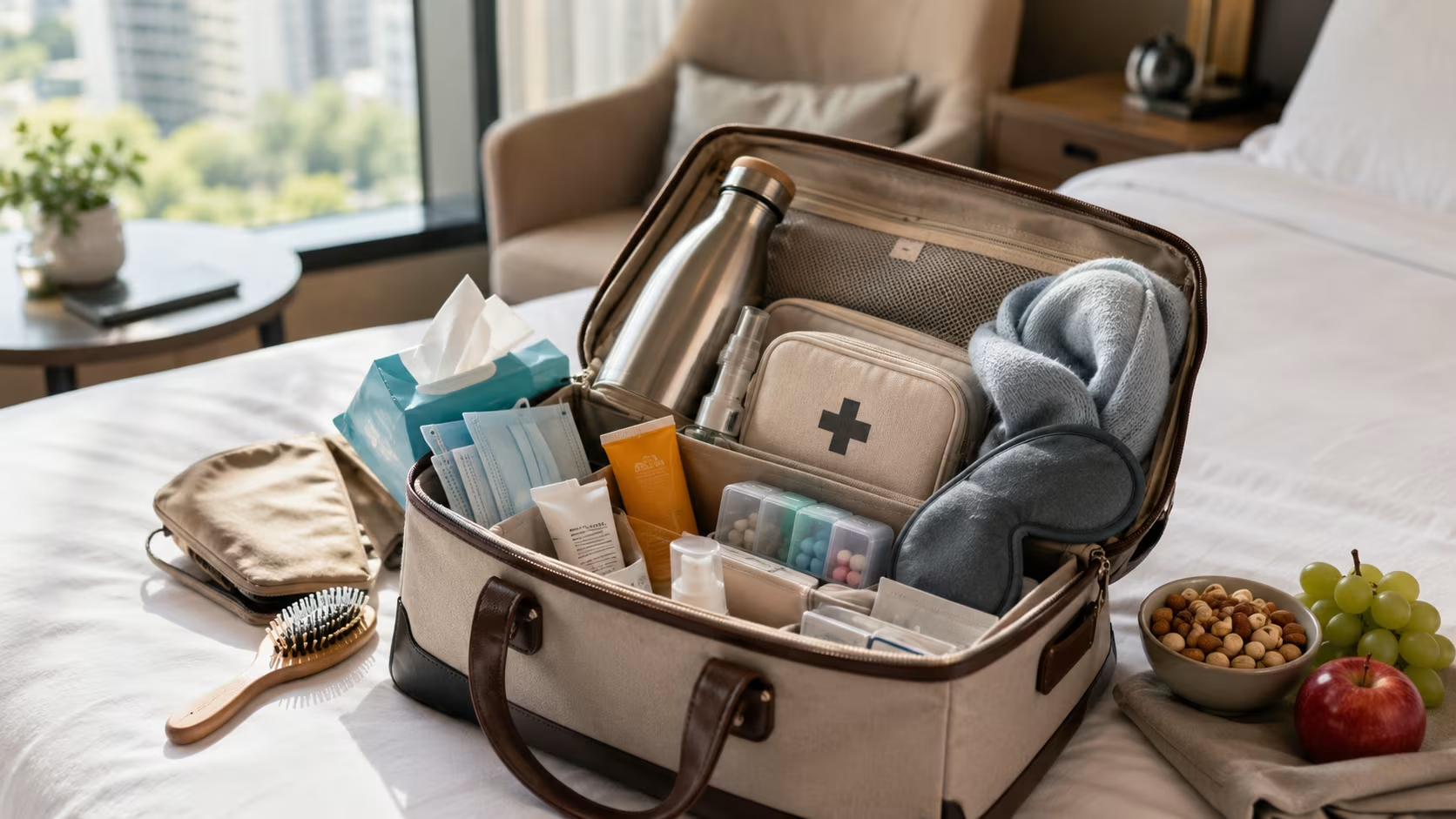
The stomach bug that ruins Day 3 of a 7-day trip is the most common version. The fatigue that turns Day 5 into a wasted hotel afternoon is the more frequent version. The flu that gets caught from a 14-hour pressurized flight cabin and shows up Day 6 is the worst version. None of these is bad luck: they're predictable consequences of skipping the basic health rituals that keep travelers functional.
This is a 2026 guide to staying healthy on the road, organized around the actual mechanisms that wreck travelers, with the specific habits that prevent them. The advice goes beyond "drink water and wash your hands"; those help, but they're 20% of what matters.
What Actually Wrecks You on a Trip
| Mechanism | Likelihood | Severity |
|---|---|---|
| Travel diarrhea / stomach bug | High in some regions | Medium-high |
| Sleep disruption / chronic fatigue | Universal | Medium |
| Respiratory infection (flight cabin) | Medium-high | Medium |
| Sunburn / heat exhaustion | High in summer | Medium |
| Hangover-amplified jet lag | Common | Low-medium |
| Anxiety / panic | Medium | Variable |
| Foot blisters / overuse injury | Common | Medium |
| Travel constipation | Universal | Low |
| Skin issues (rash, eczema flare) | Medium | Low-medium |
| Catastrophic illness or accident | Low | High |
The pattern is that the most-likely problems aren't the most-talked-about ones (which tend to be exotic infectious diseases). The boring problems (sleep, foot care, gut, hydration) are what actually compromise trips.
Pre-Trip: the Two-Week Window
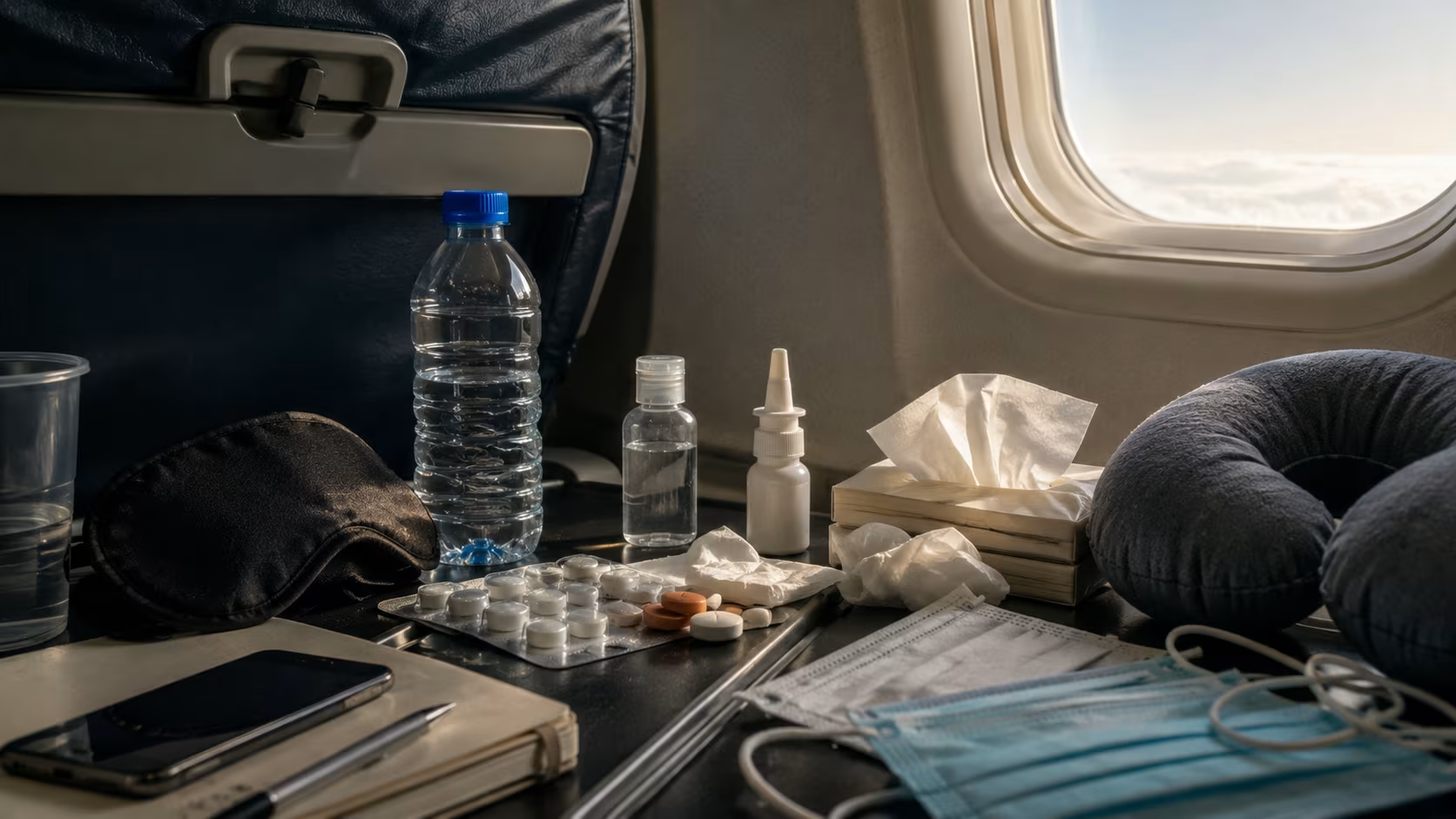
Vaccinations
Most trips don't require special vaccinations. Some do.
Standard Vaccinations to Verify
- Tetanus (every 10 years).
- MMR (measles surge in many regions since 2024; verify your status).
- COVID-19 booster if relevant.
Travel-specific Vaccinations (consult a Travel Medicine Clinic 4–8 Weeks Before)
- Hepatitis A for most developing-country travel.
- Hepatitis B for longer-stay developing-country travel.
- Typhoid for South Asia, parts of Africa.
- Yellow fever for South America (parts), sub-Saharan Africa (parts); sometimes legally required for entry.
- Japanese encephalitis for rural Southeast Asia.
- Rabies for prolonged stays where dog/wildlife exposure is high.
- Meningitis for Hajj pilgrimage (legally required) or some African travel.
Prescriptions
Bring
- Any regular medications in original bottles + extra supply.
- A copy of prescriptions in case bottles are lost.
- A small first-aid kit (see below).
Get Prescribed Before high-risk Trips
- Antibiotics (especially azithromycin or ciprofloxacin) for travel diarrhea: doctors will prescribe a 3-day supply to take if symptoms hit.
- Anti-malarial if traveling to malaria zones (Africa, South/Southeast Asia, Amazon). Mefloquine, atovaquone-proguanil (Malarone), or doxycycline depending on destination.
- Altitude sickness medication (acetazolamide / Diamox) if going above 2,500m and you're not acclimatized.
First-Aid Kit
A small kit weighs 200g and prevents hours of pharmacy-hunting:
- Bandaids (multiple sizes)
- Antibiotic ointment
- Pain relievers (ibuprofen + acetaminophen, take both forms)
- Anti-diarrheal (loperamide / Imodium), but use carefully (see below)
- Oral rehydration salts (for diarrhea or heat exhaustion)
- Antihistamine (Benadryl / cetirizine for allergies)
- Anti-nausea (e.g., Bonine, Dramamine for motion sickness)
- Hydrocortisone cream (for rashes, bug bites)
- Tweezers
- Small scissors
- Thermometer (optional)
- Earplugs + eye mask
- Antibacterial wipes
- 5–10 N95 or KN95 masks (for crowded transit, healthcare visits)
In-Flight Health
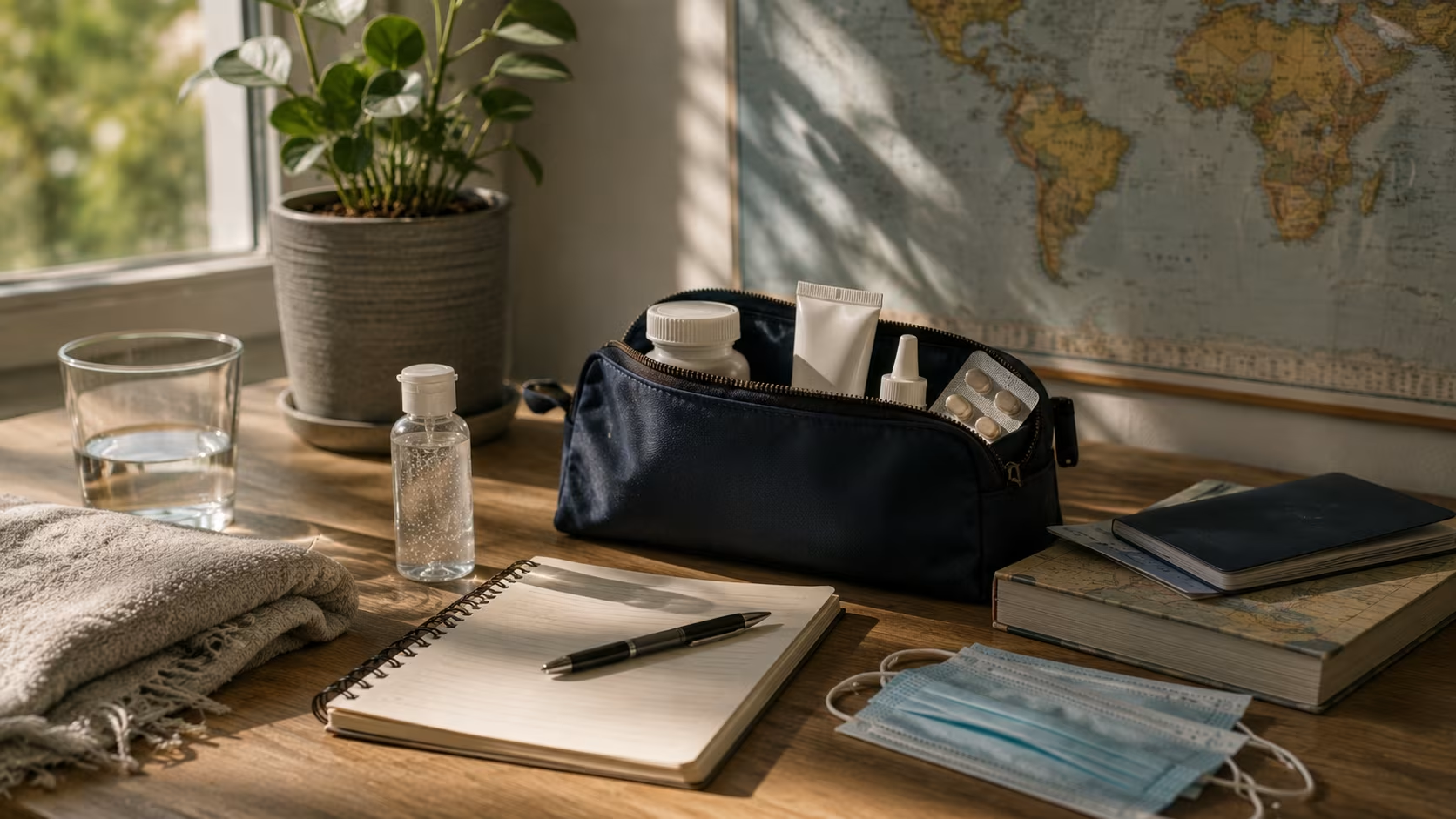
Flights are the single most-frequent source of post-trip respiratory infections. The 0.04% pressurized recirculated cabin air is a mechanism for spreading airborne illness.
Strategies
- Wear a mask (N95 or KN95) on long flights, especially during boarding/exiting (the highest-risk windows).
- Hydrate aggressively. Cabin air at 5–15% humidity. Drink 250 ml/hour while awake.
- Sleep window strategically; missing sleep is a real risk multiplier for catching illness.
- Compression socks for flights over 6 hours to reduce DVT risk.
- Move every 60–90 minutes when not sleeping.
- Skip the airline alcohol (multiplies dehydration; impairs sleep).
Travel Diarrhea: the Single Biggest Threat
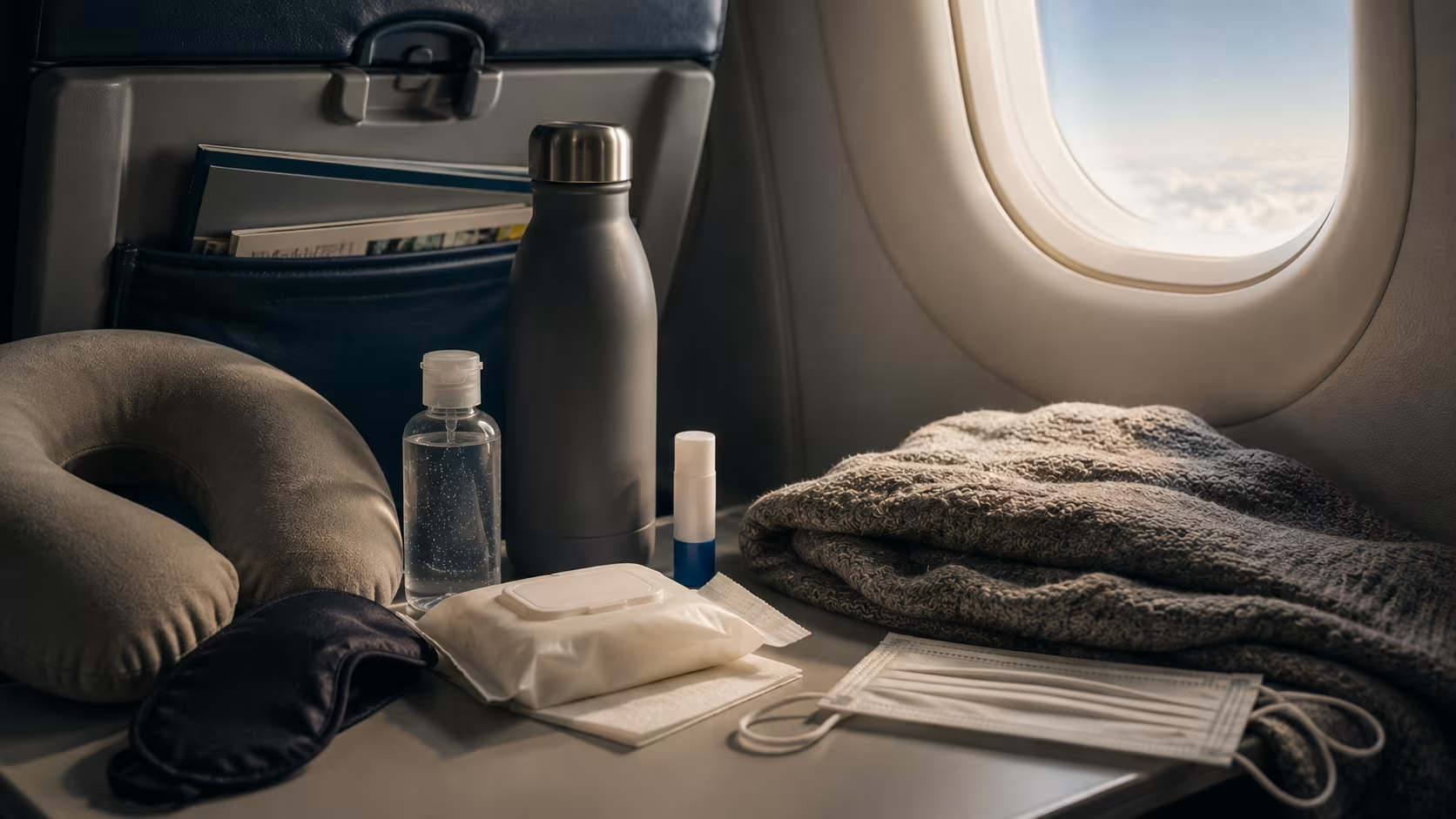
Approximately 20–60% of travelers to developing countries get travel diarrhea (TD). The mechanism is contaminated water or food.
Prevention
Water Rules
- Bottled water only in high-risk regions. Verify bottle is sealed.
- No tap water for brushing teeth in highest-risk areas.
- No ice in drinks unless made from purified water (most major hotels and restaurants in cities now use safe water; verify).
- No ice cream from street vendors if water source is uncertain.
Food Rules
- "Boil it, peel it, cook it, or forget it." The classic rule.
- Hot food, served hot. Lukewarm street food has been sitting; bacteria multiply.
- Peel-able fruits (banana, orange) safer than washed-but-unpeeled (lettuce, apples).
- High-turnover restaurants safer than empty ones: fresh food, no sitting time.
- Watch the cook. Hands washing, glove use, food separation are predictors.
High-Risk Regions in 2026
- South Asia (India, Bangladesh, Pakistan, Nepal)
- Sub-Saharan Africa
- Mexico, Central America (less than the headlines suggest, but real)
- Parts of Southeast Asia (rural Cambodia, Laos)
- Egypt, parts of North Africa
Lower-Risk
- Europe (most countries)
- US, Canada, Australia, NZ
- Japan, South Korea, Singapore, Hong Kong
- Most major Latin American cities (Mexico City, Buenos Aires, Santiago)
When TD Hits
- Hydrate aggressively. Loss of fluid + electrolytes is the immediate problem. Oral rehydration salts (ORS) are the gold standard. Mix in bottled water.
- Rest. Dehydration + fatigue compound.
- Loperamide (Imodium): controversial. Slows the diarrhea, helps with social functioning, but doesn't address the underlying infection. Use only if you must travel/work.
- Antibiotic if symptoms include fever, blood in stool, or persist past 24–48 hours. The pre-prescribed azithromycin/ciprofloxacin treats most bacterial causes.
- See a doctor if symptoms include high fever, persistent vomiting, severe cramping, or symptoms persist past 3–4 days.
Sleep on the Road
Sleep is the single most underrated travel health issue. Chronic sleep loss compounds across a multi-day trip.
Strategies
- Black-out the room. Many hotel rooms have light leaks. Eye mask is mandatory.
- Earplugs for street noise, neighbors, plumbing.
- Cool the room. 16–19°C is optimal sleep temperature. Set the AC.
- Limit alcohol after 17:00. Alcohol disrupts sleep architecture.
- No caffeine after 14:00 destination time.
- Phone away from bed. Charge in bathroom or across room.
- Wind-down routine. Same one you use at home, even compressed.
- Melatonin (0.3–0.5 mg) for jet lag adjustment first 2–3 nights, if used at home.
Specific to Different Travel Types
- Multi-stop trips: sleep priorities shift to managing transitions. Day-of-arrival sleep is crucial; subsequent nights more flexible.
- Flight-heavy trips: sleep on flights when possible; eat protein, hydrate, manage caffeine.
- City-walking trips: physical fatigue is real; sleep tends to be deeper but earlier.
- Adventure trips: strict 21:00–22:00 bedtime; full performance the next day requires it.
Hydration: the Most Underrated Travel Habit
Low-grade dehydration causes:
- Headaches.
- Fatigue + low energy.
- Reduced cognitive function.
- Worse jet lag.
- Digestive disruption.
- Skin issues.
Targets
- 2.5 L per day baseline (sedentary).
- 3+ L per day in heat/humidity or with significant walking.
- +250 ml per alcoholic drink to offset diuretic effect.
- +500 ml on flight days.
Tactics
- Carry a refillable water bottle. 1L bottle minimum.
- Drink before you're thirsty: the thirst signal lags behind dehydration.
- Pre-flight loading. 2 L in the 6 hours before flight.
- In-flight target. 250 ml/hour while awake.
What Counts
- Water, mineral water, sparkling water (count fully).
- Tea, coffee (count partially; ~80% of fluid is absorbed).
- Beer, wine (count negatively after 1–2 drinks; alcohol is a diuretic).
- Fruit (count partially; high-water fruits like watermelon, grapes count).
- Ice cream, popsicles (count partially; mostly water-based).
Sun and Heat
Sunburn
Sunburn on Day 1 wastes Day 2-3.
Strategies
- SPF 50+ on all exposed skin every 2 hours.
- Reapply after swimming or significant sweating.
- Hat + sunglasses are non-negotiable in tropical destinations.
- Long sleeves + UPF 50 fabric for prolonged exposure.
- Avoid 11:00–15:00 sun in equatorial destinations.
Reef-safe sunscreen is now legally required in some destinations (Hawaii, Mexico's coastal reefs, parts of the Caribbean). Brings without oxybenzone or octinoxate.
Heat Exhaustion
Serious in 32°C+ humid environments.
Symptoms
Dizziness, weakness, profuse sweating, rapid pulse, nausea.
Action
- Get to AC immediately.
- Hydrate with electrolyte solution (ORS or sports drink). Plain water alone won't fix electrolyte loss.
- Wet towel on neck and wrists.
- Rest at least 30–60 minutes.
- Don't continue activity. Heat exhaustion can progress to heat stroke (dangerous).
Foot Care: the Underrated Issue
The most-frequent reason a trip turns sour mid-stretch isn't food poisoning: it's foot blisters from over-walking in untested shoes.
Pre-Trip
- Test your walking shoes with at least one 8–10 km walk before traveling.
- New shoes need 3–5 walks to break in. Don't break in shoes on a 14-day trip.
- Quality merino socks. Don't wear cotton socks for serious walking.
- Bring two pairs of walking shoes. Rotate so each pair has a 24-hour drying period.
Daily Care
- Apply blister-prevention (Compeed, KT Tape, or specialized blister patches) before walking on a hot spot, not after.
- Change socks midday if walking long distances.
- Toenails trimmed before flying.
- Foot cream at end of day prevents cracking.
Gut Health Maintenance
Independent of food poisoning, the change in diet often disrupts digestion.
Prevention
- Maintain fiber intake. Travel diet skews toward refined carbs; deliberately add fruit, vegetables, whole grains.
- Probiotics taken 1–2 weeks before and during travel may help (evidence is mixed, but the downside is minimal).
- Maintain hydration (see above).
- Maintain physical activity. Walking helps gut motility.
- Familiar coffee. A regular morning routine includes morning coffee + bowel movement; preserve it on travel.
Travel Constipation
Very common on long trips. Caused by dehydration + diet change + schedule shift.
Fix
- Increase fiber: fruit, vegetables, whole grains.
- Drink more water.
- Move more.
- Magnesium citrate at night (200–400 mg), gentle and effective.
- MiraLAX (polyethylene glycol) is well-tolerated; mix in water.
Mental Health on the Road
Less discussed; very real.
Travel Anxiety
New environments + uncertainty + sleep loss + physical fatigue = elevated anxiety.
Strategies
- Build buffer time between activities.
- One "do nothing" hour per day. Critical.
- Maintain morning routines (coffee + journal + stretch).
- Familiar music/podcast as anchor.
- Limit alcohol (which worsens next-day anxiety).
- Phone calls home every few days.
Travel Depression / Burnout
More common than expected, especially on long trips.
Symptoms
Loss of interest in sights/food, unwillingness to leave hotel, persistent low mood.
Strategies
- Slow down. Reduce activities; allow rest.
- Connect with someone. Call home; meet a friend at destination.
- Adjust schedule. A trip should not feel like a job.
- Skip an activity. Resting is allowed.
Specific Risks by Destination Type
Tropical Destinations
- Mosquito bites: dengue, Zika, malaria possible. DEET 30%+ or picaridin repellent. Long sleeves at dawn/dusk.
- Sun + heat: extreme.
- Water-borne illness: high.
Cold-Weather / Mountain
- Frostbite + hypothermia: real in mountain destinations.
- Altitude sickness: above 2,500m, plan acclimatization.
- Sunburn: ironically high, because UV reflects off snow and is stronger at altitude.
Cruise Ships
- Norovirus outbreaks: common. Aggressive hand-washing matters.
- Sea sickness: starts on day 1 if susceptible. Take pre-emptively.
- Dehydration in heat: real.
Wilderness / Backcountry
- Tick-borne illness: Lyme, anaplasmosis. Permethrin-treated clothing for high-tick areas.
- Foot injury: serious; multi-day evacuation possible.
- Hypothermia: real even in moderate weather.
What's Often Overprepared
- Bottled water for every trip. Most major cities in 2026 have safe tap water.
- Iodine tablets. Useful for backcountry; useless for normal city travel.
- Mosquito nets. Useful for rural African or rural Asian travel; mostly redundant in cities.
- Snake-bite kits. Statistical overkill for most travel.
What's Often Underprepared
- Sunscreen. People forget to reapply.
- Rehydration salts. Worth their tiny weight; rarely packed.
- N95 masks. A handful for flights and crowded transit prevent half the post-trip illnesses.
- Familiar medications. "I'll buy it there" often means going to a foreign pharmacy with limited information.
When to See a Doctor Abroad
- Persistent fever above 38.5°C for 24+ hours.
- Severe pain.
- Cuts or burns that may need stitches or major treatment.
- Allergic reactions that don't resolve with antihistamines.
- Any breathing difficulty.
- Persistent vomiting preventing rehydration.
- Diarrhea with blood, severe cramps, or persisting beyond 3 days.
- Travel insurance hotline first: they can guide to in-network or vetted providers.
Final Notes
The travelers who stay healthy on the road are not lucky: they're systematic. The boring habits (hydration, sleep, sunscreen, food choices, foot care) are what actually matter. The exotic precautions (anti-malaria, exotic vaccines) matter for specific destinations but not for most.
The single best advice bring oral rehydration salts. They weigh 5 grams. They're transformative if anything goes wrong with your gut. They prevent the 24-hour bedridden recovery that ruins a 7-day trip.
The second-best respect your sleep. The traveler who insists on staying out until 02:00 every night for a week arrives home wrecked. The traveler who has 7 quality nights of sleep arrives home rested. The first trip is more fun in the moment; the second is more memorable in retrospect.
0 Comments
No comments yet — start the conversation.