

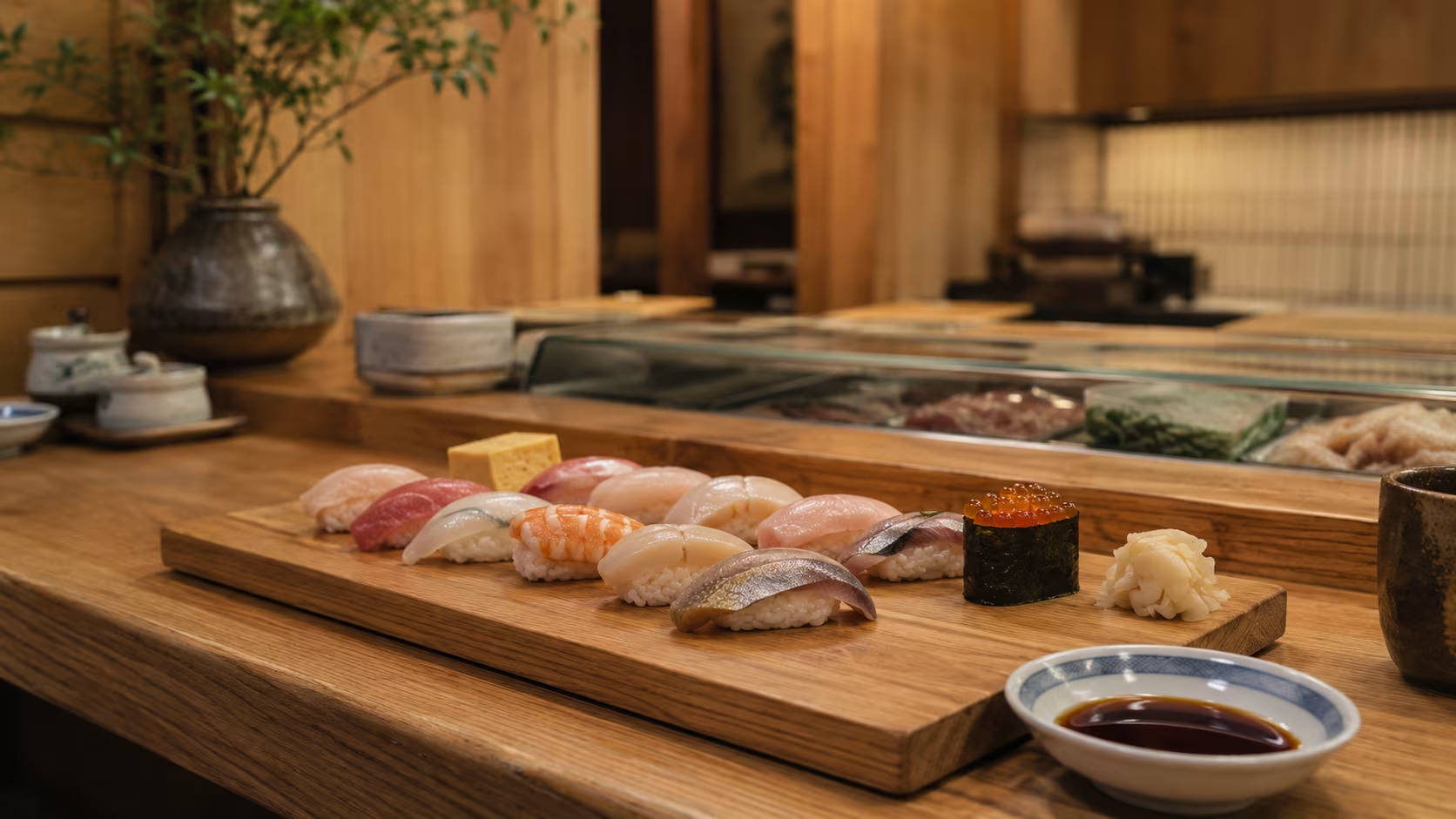
Sushi in Japan is a different cultural product from sushi in the West. The fish is fresher, the rice is the centerpiece (not the topping), the menus are often unwritten, and the ritual of eating at a real sushi counter has rules that aren't obvious. The travelers who get this right come home with a memory of one of the world's great food experiences. The travelers who don't end up eating salmon-and-tuna rolls at a Tokyo tourist restaurant for 4× what locals pay.
This is a field guide for tourists who want to eat sushi properly in Japan: at the right type of restaurant for what they're trying to do, with the right etiquette, and ordering the dishes that locals actually order.
The Five Types of Sushi Restaurants in Japan
The single most important distinction. Each tier serves a different need.
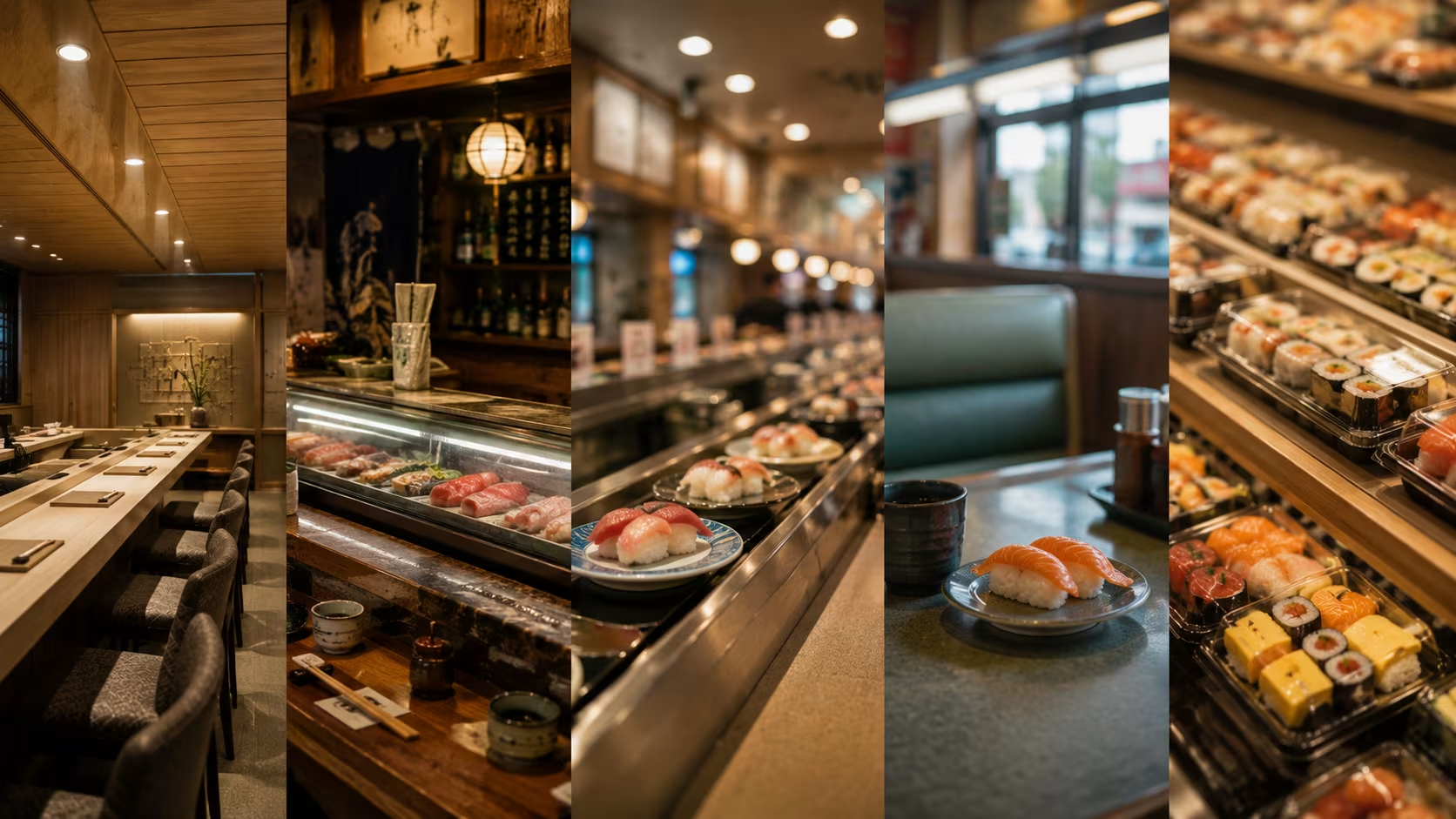
1. Kaitenzushi (conveyor Belt Sushi)
The casual, family-friendly tier. Plates rotate on a conveyor belt; you grab what you want; price by plate color (¥120–500 typical).
Major chains:
- Sushiro: the largest chain.
- Kura Sushi: the chain with the gimmick of small game machines that activate when you finish 5 plates.
- Hama Sushi: premium chain.
- Genki Sushi: Tokyo institution.
Pros: cheap, fast, good for families with kids, no language friction. Cons: quality varies; some plates have been on the belt 30+ minutes. Strategy: order "made-to-order" via the touchscreen: fresher than belt items.
2. Tachigui Sushi (standing Sushi Bars)
Fast, premium standing bars. Eat 8–12 pieces; pay ¥1,500–3,500. Common in business districts.
Tokyo examples Sushidokoro Sushiya (Ueno), Uogashi Nihon-Ichi (multiple locations).
Pros premium quality at moderate prices; quick. Cons: standing only; busy at lunch.
3. Mid-Range Sushi-ya (Sit-Down Restaurants)
Neighborhood sushi-ya. Order from a menu, often with set courses. ¥3,000–10,000 per person depending on what you order.
Pros: sit-down experience without omakase pricing; English menus often available. Cons: quality varies enormously between places.
4. Edomae Sushi (counter Sushi-ya)
The traditional Tokyo ("Edo" is old Tokyo) form. Sit at a wooden counter facing the chef. The chef makes each piece in front of you, hands it directly to you across the counter. ¥8,000–25,000 for omakase (chef's choice).
Pros: the actual cultural experience. Cons: mid-priced; needs reservations; etiquette matters.
5. Premium Omakase
The top tier. ¥25,000–100,000+ per person for chef's-choice tasting (15–25 pieces). Reservations 2–6 months ahead. Some require introduction or repeat-customer status.
Famous examples Sukiyabashi Jiro (no longer accepting tourist reservations directly), Sushi Saito (3-Michelin-star, near-impossible booking), Sushi Yoshitake, Sushi Sho.
Pros the apex of the form. Cons: extreme cost; difficult booking; intimidating for newcomers.
The Sushi Vocabulary
Most menus in real sushi-ya are in Japanese. Knowing the basic terms is the difference between ordering confidently and ordering by random chance.
Fish (neta)
| Japanese | English | Notes |
|---|---|---|
| Maguro | Tuna (general) | The most-served sushi fish |
| Akami | Lean tuna | Standard cut |
| Chu-toro | Medium-fatty tuna | Premium; popular |
| O-toro | Fatty tuna | The most expensive cut; melts |
| Sake / Salmon | Salmon | Common but more popular outside Japan |
| Hamachi | Yellowtail | Fattier in winter |
| Buri | Adult yellowtail | Winter specialty |
| Saba | Mackerel | Often vinegar-cured ("shime saba") |
| Aji | Horse mackerel | Often topped with ginger and scallion |
| Kohada | Gizzard shad | Vinegar-cured; classic Edomae |
| Iwashi | Sardine | Available in season |
| Ika | Squid | Light, mild |
| Tako | Octopus | Cooked, slightly chewy |
| Hotate | Scallop | Sweet, raw or lightly seared |
| Ebi | Shrimp | Cooked or raw ("ama-ebi" = sweet shrimp) |
| Anago | Sea eel | Served warm with sweet glaze |
| Unagi | Freshwater eel | Cooked with sweet sauce |
| Uni | Sea urchin | Acquired taste; rich |
| Ikura | Salmon roe | Pearl-like; pop in mouth |
| Tobiko | Flying fish roe | Crunchy; orange |
| Tamago | Egg (omelet) | Sweet; the chef's tasting card |
Sushi Forms
| Japanese | What it is |
|---|---|
| Nigiri | Hand-pressed rice topped with fish. The default form. |
| Sashimi | Slices of raw fish without rice. |
| Maki | Rolled sushi (with seaweed). |
| Hosomaki | Thin roll (one filling). |
| Chumaki | Medium roll. |
| Futomaki | Thick roll (multiple fillings). |
| Temaki | Hand roll (cone-shaped). |
| Gunkan-maki | "Battleship": rice ball wrapped with seaweed, with toppings (uni, ikura) inside. |
| Chirashi | "Scattered": rice bowl topped with sashimi pieces. |
| Inari | Sweet fried tofu pouch stuffed with rice. |
Other Vocabulary
- Shari: the rice (technically the most-judged element in real sushi).
- Neta: the topping (the fish or other item).
- Wasabi: the green Japanese horseradish, often pre-applied to nigiri.
- Gari: pickled ginger; eat between pieces to reset the palate.
- Nori: seaweed.
- Shoyu: soy sauce.
- Agari: green tea, the post-meal drink.
The Ritual at a Counter Sushi-ya
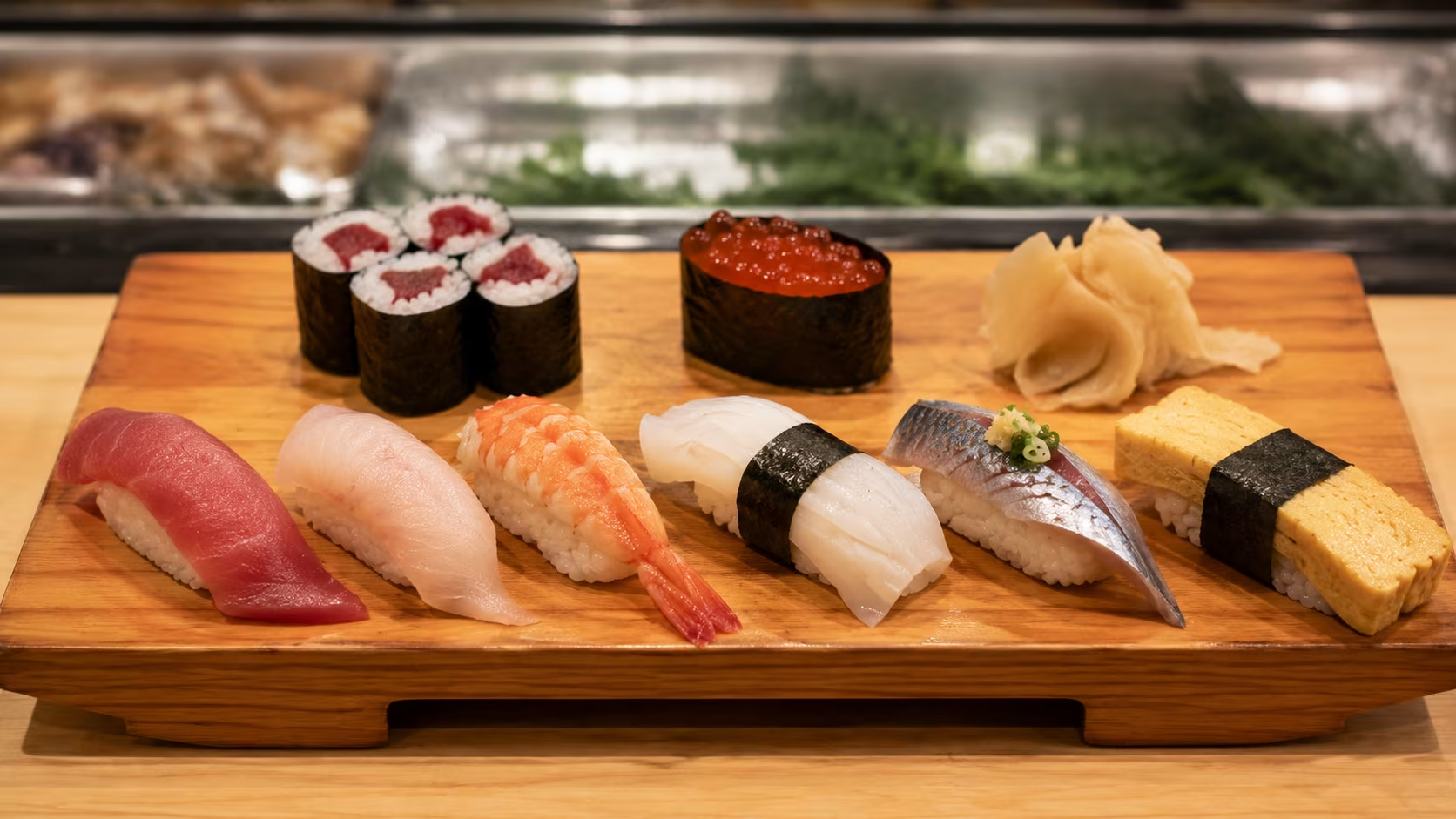
For counter sushi-ya (Tier 4 above), the traditional form, the etiquette matters. Here's how to do it right:
Arrival
- Arrive on time. Many sushi-ya seat parties simultaneously; being late disrupts the entire kitchen sequence.
- Sit at the counter (no reservation usually means tables, but counter is the experience).
- Greet the chef. "Konnichiwa" or "Konbanwa" (good evening).
Ordering
Three common patterns:
Omakase ("leave It to Me")
The chef chooses everything. ¥10,000–25,000 typical for a sushi-ya omakase. The chef serves 15–22 pieces in a planned sequence (lighter fish first, fattier later, sweet eel and tamago at the end).
To order: "Omakase de onegaishimasu." ("Omakase, please.")
Etiquette during omakase:
- Don't talk too much while the chef is working.
- Eat each piece immediately when served.
- Don't ask for changes mid-meal.
- No phone photography of the chef unless invited.
- Eat with your hands (or chopsticks if you prefer; both are acceptable).
Set Course (set Menu)
Fixed price for a fixed sequence. ¥3,000–10,000 typical. Less personal than omakase; less expensive.
A La Carte
Order individual pieces. The chef prepares each as you order it. ¥200–800 per piece typical at mid-range sushi-ya.
To order: "Maguro o onegaishimasu" ("Tuna please"). Or just point at the menu.
Eating
- Soy sauce. Pour a small amount in the small dish. Don't drown the rice.
- Dip the fish, not the rice. Tilt the piece sideways; touch the fish to the soy sauce. Dipping rice causes it to disintegrate and absorb too much salt.
- Eat in one bite. Each piece is sized for one bite. Half-eating is messy and considered impolite.
- Hands or chopsticks? Both acceptable. Hands are traditional; chopsticks are common.
- Wasabi. The chef has already applied the right amount under the fish. Adding more (especially mixing into soy sauce) signals you don't trust the chef.
- Gari (pickled ginger). Eat between different fish to reset the palate. Don't eat with sushi.
- Maki order. Eat hand rolls (temaki) immediately while the seaweed is crisp.
Drinking
- Sake. Traditional pairing; ask for recommendations.
- Beer. Asahi, Sapporo, Kirin all common.
- Green tea. Free; complimentary; the standard.
- Wine. Increasingly common at modern sushi-ya.
Closing
- Tamago at the end is the chef's tasting card. The sweet egg is technically difficult; the quality reveals the kitchen's discipline.
- Tea with the final dish.
- Compliment the chef before paying. "Gochisousama deshita" ("That was a feast, thank you").
- No tipping. Tipping in Japan is genuinely not done; can offend.
- Pay at the counter or front desk as you exit.
What to Order
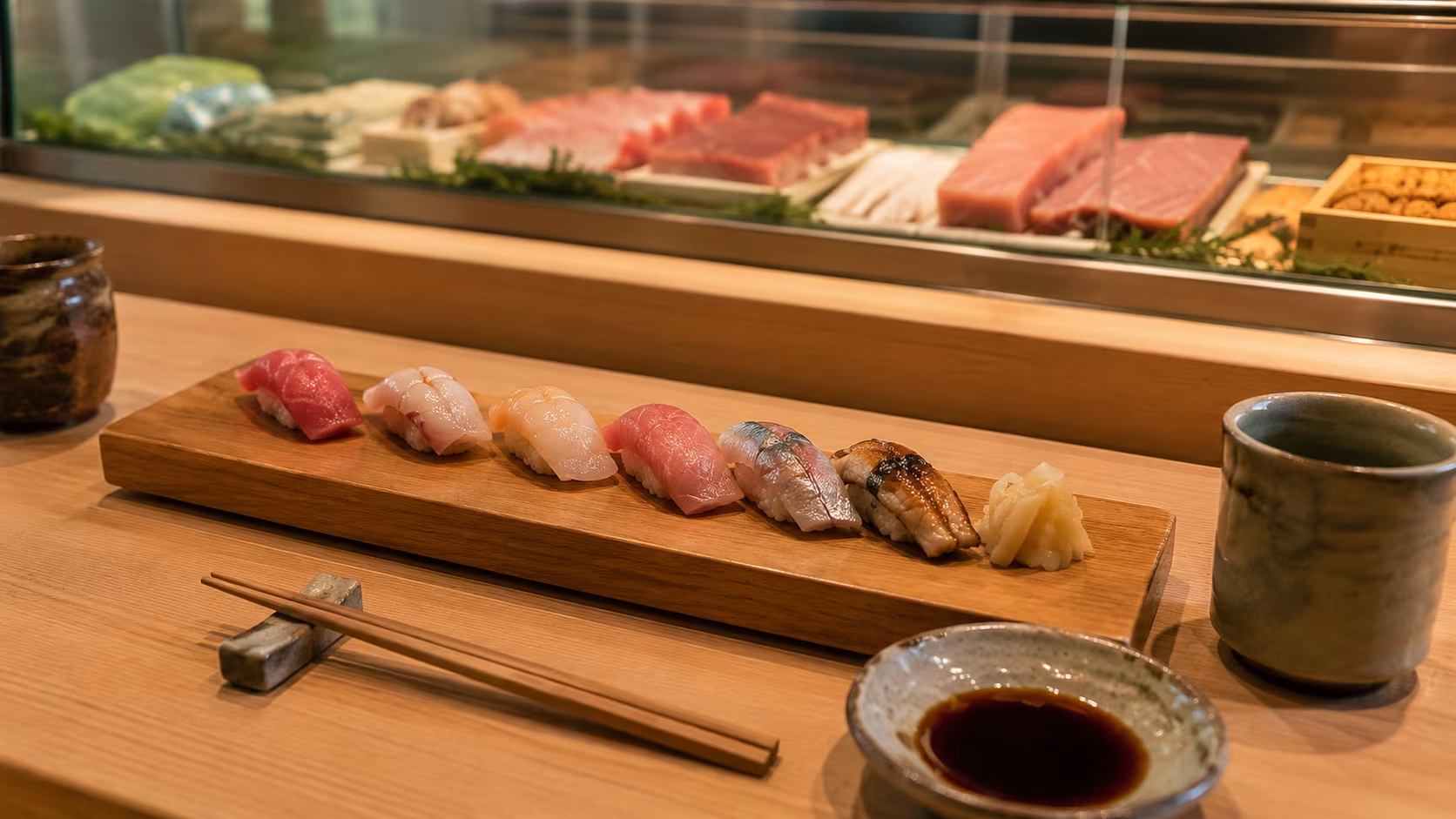
For First-Time Counter Sushi
Let the chef guide. Order omakase the first time at any new place; you'll get the kitchen's specialties in the right order.
If You're Ordering a La Carte
A reasonable starter sequence:
- Tai (sea bream) or karei (flounder): light, mild, opens the palate.
- Kohada: vinegar-cured, traditional Edomae.
- Akami (lean tuna) → Chu-toro (medium tuna) → O-toro (if you want).
- Hamachi (yellowtail): fatty, versatile.
- Saba (mackerel): vinegar-cured if available.
- Aji (horse mackerel).
- Hotate (scallop).
- Ebi (cooked shrimp) or ama-ebi (sweet raw shrimp).
- Uni (sea urchin): acquired taste; if you like it, this is the moment.
- Ikura (salmon roe): pearl pops in the mouth.
- Anago (sea eel): sweet, warm.
- Tamago: closes the meal.
This sequence, light to fatty to rich to sweet, mirrors what a good chef would prepare for omakase.
What to Avoid
Sushi Mistakes Tourists Make
- Mixing wasabi into soy sauce. Insulting to the chef. The chef has already dosed wasabi correctly under the fish.
- Dipping the rice in soy sauce. Rice disintegrates; flavor balance ruined. Tilt and dip the fish.
- Eating fish in two bites. Each piece is sized for one. Halfway-eating is considered impolite.
- Adding excessive ginger directly onto sushi. Ginger is a palate cleanser; eat it separately.
- Photography. Always ask. Some chefs welcome it; some find it disruptive.
- Ordering rolls (maki) at omakase. Real omakase is mostly nigiri. Rolls are for casual tier or specific request.
- Ordering only salmon. Salmon is more of a Western preference; in Japan, the depth of the menu is the experience.
- Drinking heavy red wine. Sake or light beer pairs better with delicate fish.
- Eating too slowly. Sushi is best within seconds of preparation; let the chef know you're ready.
- Asking about prices mid-meal. Disrupts the experience. Trust the omakase pricing or ask before ordering individual pieces.
Where to Eat: City-by-City
Tokyo
The headline city. Edomae sushi originated here.
Mid-range (¥5,000–12,000):
- Sushi Tokyo Ten (multiple locations).
- Sushi Daiwa (Tsukiji area, breakfast institution).
- Sushi Tomi (Tsukiji).
- Numazuko (Shinjuku, conveyor-belt of premium quality).
High-end (¥15,000–30,000):
- Sushi Saito (3-Michelin-star, near-impossible booking).
- Sushi Yoshitake (3-star).
- Sushi Mizutani (Ginza, 2-star).
- Sushi Sho Saito (modern omakase).
Premium experience (¥30,000+): - Sukiyabashi Jiro Roppongi Hills (the Roppongi branch is more accessible than the original Ginza branch, though tourist booking is still difficult).
Tsukiji Vs. Toyosu
The famous fish market moved from Tsukiji to Toyosu in 2018. The wholesale operations are now at Toyosu (mostly closed to tourists, except early-morning tuna auctions for booked viewers). The Tsukiji Outer Market remains active for retail shops and breakfast sushi-ya. Both are real options:
- Tsukiji Outer Market sushi breakfast (Sushi Dai, Daiwa Sushi, Yamazaki): queue 60–120 minutes from 06:00.
- Toyosu Market for the wholesale-to-retail experience and sushi-ya.
Osaka
Osaka prefers more variety, more pickled. The local style is oshizushi (pressed box sushi), older than Tokyo's nigiri.
Recommended:
- Endo Sushi (Tenma Market, ~¥2,000 for set).
- Harukoma (Shinmichi, traditional Osaka oshizushi).
- Sushi Tama (Naka-Osaka, mid-range).
Kyoto
Kyoto has fewer sushi-ya than Tokyo or Osaka; Kyoto cuisine emphasizes other forms (kaiseki, yudofu, vegetable). For sushi:
- Manzara (Gion area, modern).
- Honke Owariya (since 1465, one of Japan's oldest restaurants, mostly soba but includes sushi).
Hokkaido (sapporo, Hakodate)
The northernmost island has the freshest seafood in Japan. Sapporo's morning markets and Hakodate's morning market are the institution.
Recommended:
- Sapporo Asaichi (morning market with sushi breakfast counters).
- Hakodate Asaichi (morning market).
- Sushi-ya Yumi (Sapporo, mid-range).
Costs
2026 typical prices per person, drinks separate:
| Tier | Cost | Notes |
|---|---|---|
| Kaitenzushi | ¥1,500–3,500 ($10–25) | Family chains; lunch staple |
| Tachigui sushi | ¥1,500–3,500 ($10–25) | Standing bars |
| Mid-range sushi-ya | ¥4,000–10,000 ($30–70) | Set courses or à la carte |
| Edomae counter | ¥10,000–25,000 ($70–170) | Counter omakase |
| Premium omakase | ¥25,000–100,000+ ($170–700+) | Michelin-tier |
Reservations
Tier 1–2 (kaitenzushi, Tachigui)
Walk-up is fine.
Tier 3 (Mid-range)
Book a few days ahead. Hotel concierges can help; OmakaseSee is the international platform for real sushi-ya bookings (some operate via this; some only via direct Japanese websites).
Tier 4 (counter sushi-ya)
Book 2–4 weeks ahead. Many require Japanese-language phone bookings; concierge or platform booking is the workaround.
Tier 5 (premium Omakase)
Book 2–6 months ahead. Sometimes requires introduction or referral. Pocket Concierge is the platform for some of these; OmakaseSee for others; Tablecheck for a wider range.
Common Tourist Mistakes
- Going to Tsukiji during major tourist hours (07:00–10:00) without a plan. The famous places have queues; a less-famous neighborhood sushi-ya often has better fish at no queue.
- Eating only at the Hakata-Tokyo area chains. The neighborhood sushi-ya outside the central business district are usually better and cheaper.
- Trying to combine sushi with a 19:00 dinner. Real sushi-ya dinner usually starts at 18:30 and runs 90–120 minutes.
- Speaking too loudly. Counter sushi has a quiet meditative atmosphere; loud conversation is intrusive.
- Not ordering tea. Free; complementary; expected.
- Dressing very casually for premium omakase. Smart casual is the norm; a t-shirt and shorts mark you as inappropriate at high-end places.
- Booking premium experiences via random aggregator sites. Some are unreliable. Use Pocket Concierge, OmakaseSee, or hotel concierge.
- Trying to take leftovers. Real sushi is finished; not packaged.
Final Notes
Sushi in Japan is a different cultural experience from sushi anywhere else. The travelers who get this right invest in one good counter sushi-ya meal during their trip, even if it costs more than other meals, because the experience is worth more than its sum of fish.
The single best advice skip the famous tourist-targeted spots in Ginza or Tsukiji on your first visit. Go to a neighborhood sushi-ya recommended by your hotel concierge. The experience will be more authentic, less expensive, and let you walk into the next sushi visit with more confidence.
The quietest piece of advice order the tamago last. Ask the chef "How long have you trained on tamago?" The answer (often a decade or more) is the joke that opens the conversation about how seriously sushi-ya treat their craft. The chef will appreciate you knowing.

0 Comments
No comments yet — start the conversation.