
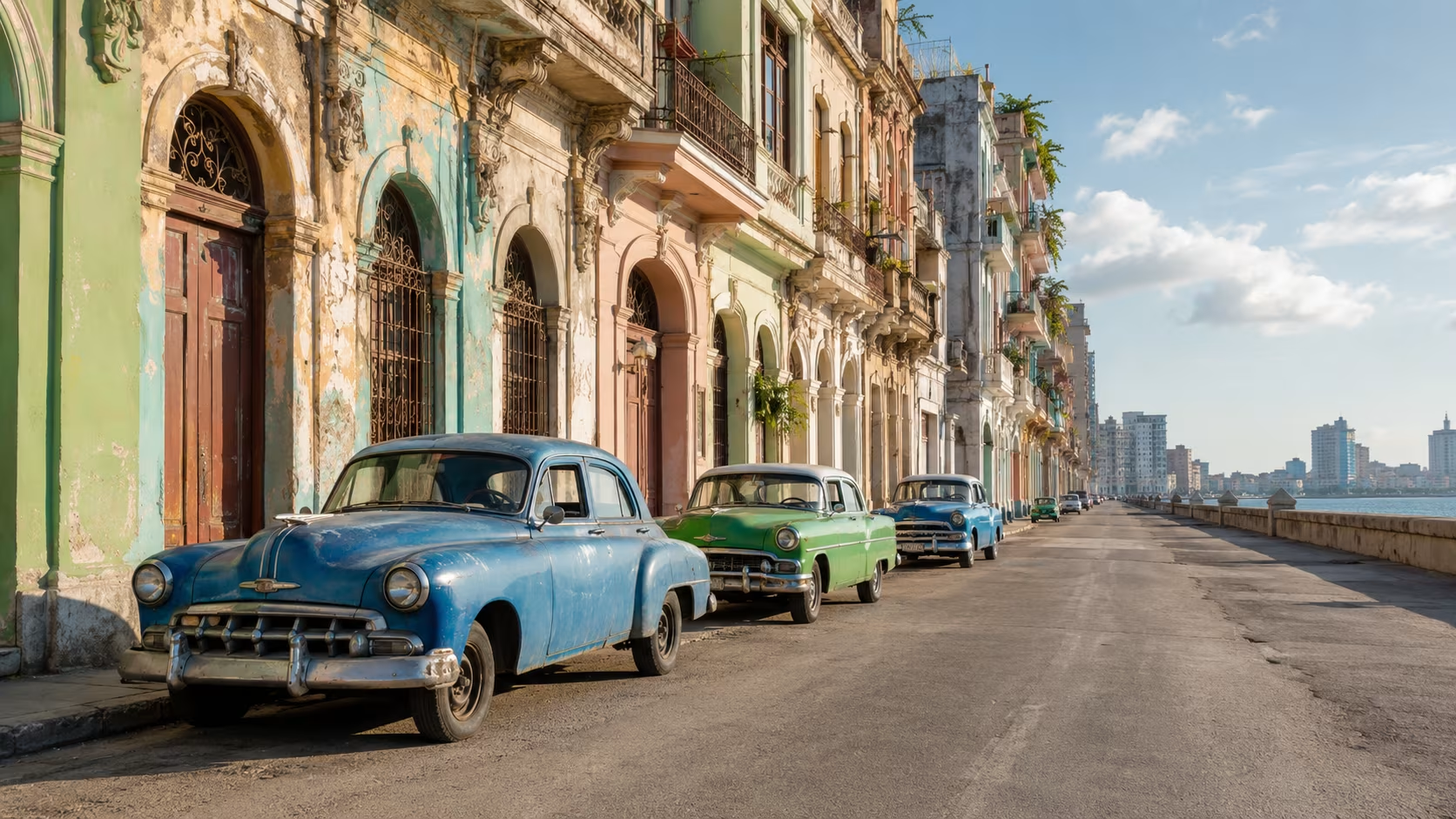
Havana is the most-distinctive city in the Caribbean — and the most-complicated. The Cuban capital sits in a tense moment in 2026: the post-2014 thaw with the United States produced a tourism boom that subsequently stalled with the Trump-era restrictions (2017-2020) and never fully recovered after the pandemic. The Cuban economy has been in serious crisis since 2020 — fuel + electricity + food shortages affect daily life. Tourism is permitted from most countries but US restrictions complicate American visits.
For visitors when conditions allow, Havana is unlike anywhere else. The 1950s American cars (preserved through embargo + necessity); the colonial Old Havana (UNESCO since 1982); the Buena Vista Social Club music heritage; the rum + cigars; the strange combination of socialist economy + private entrepreneurship + tourism dollars produces a culture in flux.
This is a 4-day guide for first-time visitors when traveling is appropriate.
Quick Facts
| Item | Detail |
|---|---|
| Country | Cuba |
| Currency | Cuban peso (CUP); USD widely accepted at hotels + tourist services |
| Languages | Spanish; English at major tourist hotels |
| Time zone | CST (UTC-5) / CDT (UTC-4) |
| Tourist tax | None; departure tax included in airline ticket |
| Best time | November–April (dry season) |
| Visa | Tourist card required for most countries (~$25-100); easily obtained pre-flight or at Cuban consulates |
| Trip length | 4–5 days for Havana; longer for Cuba beyond capital |
Important Notes for 2026 Visitors
US Citizens
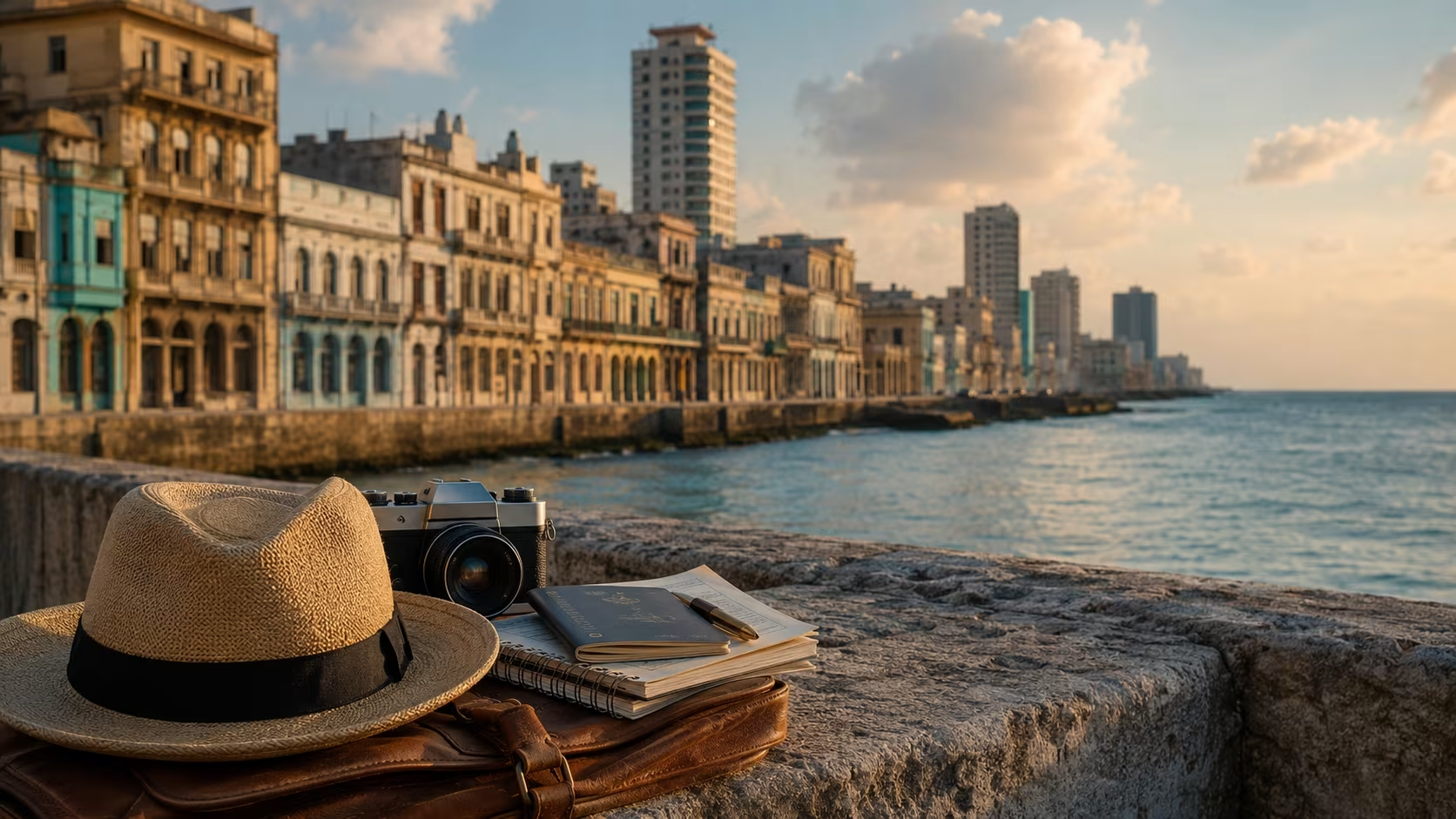
The US has restricted Cuba travel under various administrations. As of 2026, US citizens cannot travel for pure tourism; travel must fall under one of 12 authorized categories (educational, journalistic, family, etc.). Verify current State Department guidance.
Currency Complexity
Cuba operates on multiple unofficial exchange rates + a parallel cash economy. As of 2026:
- Official rate (in tourist services): ~120 CUP/USD.
- Informal rate (street): ~250-350 CUP/USD.
Cards from US banks generally don't work. European + Canadian cards work at major tourist hotels but not at private restaurants (paladares) + casas particulares.
Carry sufficient cash in USD or EUR. Bring more than you think you'll need.
Internet Access
Limited. Public Wi-Fi requires purchasing prepaid cards (~$1/hour); coverage is uneven. Most hotels have Wi-Fi for guests; speed varies dramatically.
Daily Necessities
Electricity outages are common (multi-hour blackouts). Tap water is not potable. Fuel shortages affect taxi availability + transit.
When to Go
November to April (dry season). The window. Mild weather (22-28°C); low humidity. December-April is peak tourism.
May to October (wet season). Hot (26-32°C+) + humid. Hurricane season (June-November). Lower tourist density; cheaper hotels.
Avoid:
- Hurricane season peak (August-October) for safety risk.
- Major Cuban holidays for transit issues.
- Mid-summer heat.
Getting In
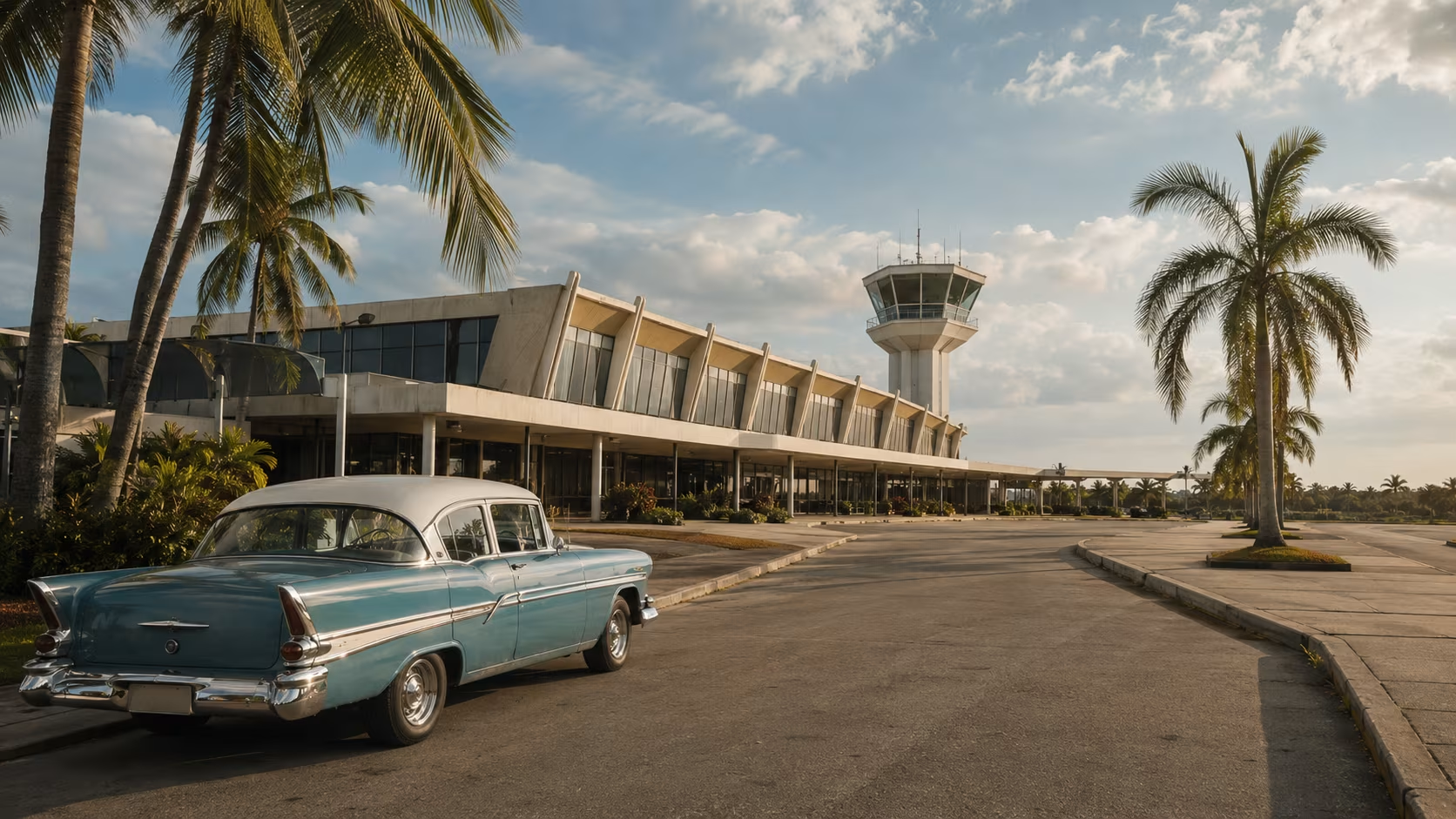
José Martí International Airport (HAV). 18 km southwest of Havana.
From HAV:
- Taxi: 25-30 USD to most central destinations, 30 min.
- Hotel transfer: $30-50.
- Local bus: limited; most travelers use taxi.
Getting Around
Walking
Central Habana Vieja (Old Havana) walkable. Vedado district walkable internally.
Classic Car Tours (Almendrones)
The famous 1950s American cars. Tourist tour: $25-50 per hour for 1950s convertible. Taxi service (regular price): $10-30 for short trips.
Yellow Coco Taxis
Three-wheeled scooter-taxis. $5-15 for short trips.
Bicycle Taxi (Bicitaxi)
Working-class transport. $3-10 for short trips.
Rental Car
Not recommended for first-time visitors. Fuel shortages real; quality of vehicles variable.
Where to Stay
Cuba has unique accommodation options:
Hotels
Limited inventory. The historic ones:
- Hotel Nacional de Cuba (1930; iconic).
- Hotel Saratoga (closed since 2022 explosion; verify status).
- Hotel Inglaterra (since 1875; central).
- Iberostar Habana Riviera (1957; original mob-built; renovated).
Casa Particular (Private B&B)
Government-licensed private accommodations. Genuinely the best Cuban experience. Stay in a Cuban family's home; eat their breakfast; engage with daily life. Hosts speak some English in tourism areas; otherwise basic Spanish helpful.
Budget: $25-50/night casa particular. Mid-tier: $40-90/night. Premium casa particular: $80-150/night.
Book through:
- Airbnb (works in Cuba; pre-trip booking + payment via app).
- Casaparticular.com.
- Cuba Junky.
Avoid as a base
- Far suburbs.
- Airport-adjacent areas for sightseeing.
What to Book in Advance
Casa Particular
Book 1-3 months ahead in peak season.
Cabaret + Music Shows
- Tropicana Show (the famous outdoor cabaret since 1939). Premium tier $90-120 per person.
- Buena Vista Social Club shows at multiple venues (since the 1990s revival).
- Casa de la Música.
Cuban Tobacco Tour
Day tour to Viñales (4-hour drive) for tobacco field + cigar factory tour. $50-100 per person.
Day 1 — Habana Vieja (Old Havana)
08:30. Coffee + breakfast at casa particular or hotel.
09:30. Plaza de Armas. The colonial central square. Walk slowly. The famous Castillo de la Real Fuerza (1577 fortress).
10:30. Plaza de la Catedral. The Baroque cathedral + colonial square.
11:30. Plaza Vieja. The 1559 square. Recently restored. Cafés on the perimeter.
12:30. Lunch at a paladar (privately-owned restaurant). La Bodeguita del Medio (the famous Hemingway spot; touristy but historical). El Aljibe for working-class.
14:00. Walking Habana Vieja. Cobblestoned streets; recently-restored colonial buildings; lived-in residential character mixed with tourism. Allow 2 hours.
16:00. Castillo del Morro (1640) on the harbor's north side. Boat or taxi to other side; the iconic fortress + cannon firing ceremony at 21:00 nightly.
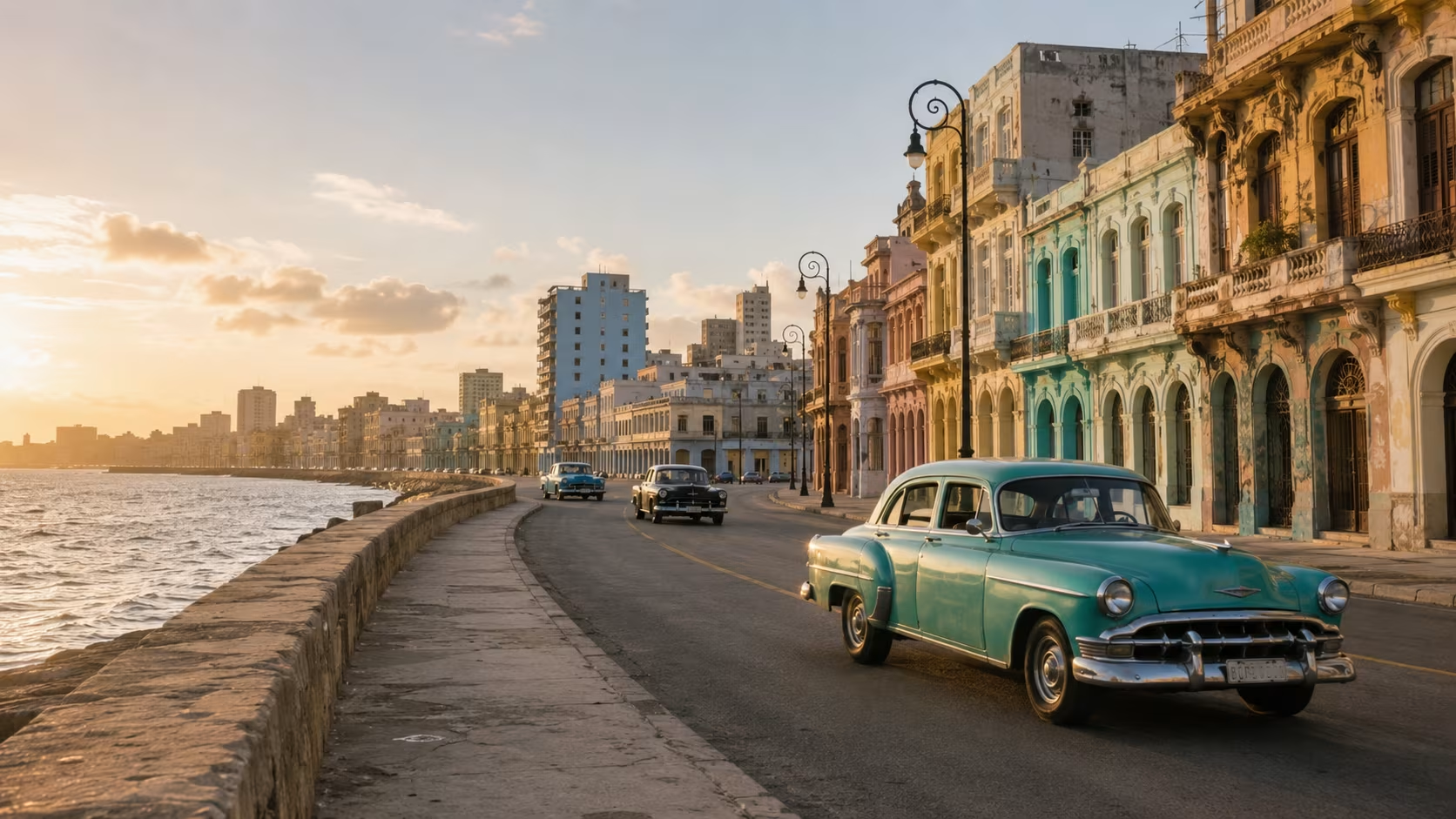
18:00. Sunset at Malecón. The 8 km coastal seawall; Cuban families gather here for evening; fishing; lovers' walk; the city's social space.
19:30. Cannon firing ceremony at 21:00 at Castillo del Morro (5 PM in winter; 9 PM in summer).
20:30. Dinner. La Guarida (the famous paladar, made famous by Strawberry and Chocolate film). Or another central paladar.
Day 2 — Vedado + Centro
09:00. Coffee + breakfast.
10:00. Walk Vedado district (the early-20th-century elegant neighborhood; the famous Hotel Nacional + Hotel Riviera; embassies).
11:00. Plaza de la Revolución. The famous plaza with the José Martí monument + the iconic Che Guevara mural on the Ministry of Interior building. Free.
12:00. Cementerio de Cristóbal Colón (the colonial-era cemetery — one of the most-significant in the Americas). $5 entry. Allow 60 minutes.
13:00. Lunch in Vedado. El Aljibe for traditional Cuban (chicken in citrus-garlic sauce; the famous dish). California Café for casual.
14:30. Walk down to the Malecón.
15:30. Centro Habana walking. The working-class neighborhood between Habana Vieja + Vedado. Less polished than Old Havana; more daily-life atmosphere.
17:30. Sunset at the Malecón (different time + atmosphere than Day 1).
19:30. Dinner at a working-class restaurant. Doña Eutimia for traditional Cuban. Café del Oriente for upscale.
21:30. Music venue. Casa de la Música (the famous live-music hall). Café Taberna for traditional. Bar de Hemingway at the Floridita for daiquiri at the famous Hemingway haunt.
Day 3 — Hemingway + Modern Havana
09:30. Coffee.
10:30. Hemingway's Finca Vigía (his Cuban home, 1939-1960). 25 km outside Havana. $5 entry. Allow 90 minutes including drive.
13:00. Lunch at El Aljibe if not done. Or working-class restaurant.
14:30. Cojímar (the small fishing village from The Old Man and the Sea). La Terraza de Cojímar restaurant.
16:30. Drive back to central Havana.
18:00. Sunset at Castillo del Morro for the cannon firing ceremony.
20:00. Fábrica de Arte Cubano (FAC) (the famous arts space — a converted oil factory turned multi-disciplinary cultural center; live music + visual art + DJ events). $5 entry. The single most-distinctive nightlife venue in Havana. Open Thursday-Sunday only.
Day 4 — Choose: Viñales Day Trip, Trinidad, or Slow Day
Path A — Viñales Day Trip
200 km west. The tobacco-growing valley. UNESCO. The famous limestone karst formations + tobacco fields + cigar farms. Long day (4 hours each way). Better as overnight.
Path B — Day Trip to Trinidad (Long Excursion)
300 km southeast. UNESCO colonial town (1514). 5-hour drive each way; difficult as day trip. Better as overnight.
Path C — Slow Havana Day
Morning at the Museum of the Revolution (in the former Presidential Palace).
Lunch.
Afternoon at the Museo Nacional de Bellas Artes (Cuban + international art).
Evening at one final cabaret or live-music venue.
What to Eat
Cuban cuisine is built on rice + black beans + roast pork + chicken + tropical produce. The shortages of the past 4 years have affected restaurant offerings; some traditional dishes harder to find.
Headline Dishes
| Dish | What it is |
|---|---|
| Ropa Vieja | Shredded beef in tomato + pepper + spice sauce. Cuba's national dish. |
| Lechón Asado | Roast pork. Sunday family meal. |
| Frijoles negros | Black beans. Daily staple. |
| Arroz con pollo | Rice with chicken. Working-class lunch. |
| Picadillo | Spiced ground beef with raisins + olives + capers. |
| Vaca frita | Pan-fried shredded beef with citrus + garlic. |
| Tostones | Twice-fried plantain slices. |
| Yuca con mojo | Boiled cassava with garlic-citrus sauce. |
| Mojito | Cuba's national cocktail (rum + lime + mint + sugar + soda). The famous Hemingway pairing. |
| Daiquiri | Cuban-invented cocktail (rum + lime + sugar). The famous El Floridita version. |
| Cuban coffee | Strong + sweet espresso. Often served with sugar pre-mixed. |
| Cuban cigars | Cohiba, Montecristo, Romeo y Julieta. |
| Cuban rum | Havana Club is the major brand; multiple ages + qualities. |
Where to Eat
Premium Paladares:
- La Guarida (the famous; Strawberry and Chocolate film location).
- El Aljibe (Vedado, traditional).
- Café del Oriente (upscale traditional).
- Doña Eutimia (in Habana Vieja).
- Habana 61 (modern).
Traditional + Working-Class:
- La Bodeguita del Medio (since 1942; touristy but historical).
- Café Habana for working-class.
- El Floridita (the famous Hemingway daiquiri bar; touristy + iconic).
Markets:
- Mercado Agropecuario for produce.
- Limited specialty food shops.
Costs and Budget
2026 daily budgets per person, excluding flights (USD):
| Style | Per day | Notes |
|---|---|---|
| Backpacker | $30-50 | Casa particular, working-class meals, walking |
| Mid-range | $70-130 | Mix of paladares, attractions, classic car tour |
| Comfortable | $150-250 | Premium hotel, paladar dinners, taxis |
| Higher-end | $400+ | Luxury hotel, private guide, premium experiences |
Cuba prices vary substantially based on currency exchange + tourist vs. local services.
Practical Info
- Cards. US bank cards generally don't work. European + Canadian cards work at major tourist hotels. Bring sufficient USD or EUR cash.
- Tipping. $1-3 USD/CUC at restaurants; $1-2 at hotel housekeeping.
- Spanish. Useful; English limited outside major tourism.
- Sundays. Most restaurants + attractions open. Government offices closed.
- Pickpocketing. Real around tourist sites. Standard precautions.
- Crime. Generally lower than reputation. Standard urban precautions.
- Tap water. Bottled only.
- Power outages. Common. Affect AC + Wi-Fi.
- Photography. Don't photograph government/military buildings; police can confiscate equipment.
- Cultural sensitivity. Don't make political statements about Cuban government in public; Cubans face restrictions you don't.
- The dual-economy. Tourism services priced for foreigners; local services much cheaper. Decide which mode you're in for each transaction.
Common First-Timer Mistakes
- Visiting on US passport without authorization. Verify legal status; consequences exist.
- Not bringing enough cash. Cards don't work everywhere.
- Booking only state hotels. Casa particulars are dramatically more interesting.
- Eating only at paladares targeting tourists. Working-class restaurants are part of the culture.
- Drinking heavily on Day 1. The combination of heat + cocktails can multiply.
- Photographing without permission. Some interactions become problematic.
- Discussing Cuban politics with locals. They face restrictions you don't.
- Staying entirely in Habana Vieja. Vedado + Centro Habana have different character.
- Skipping Fábrica de Arte Cubano. It's the city's most-distinctive nightlife.
- Not visiting the Malecón at multiple times of day.
- Buying cigars from street vendors. Quality often poor; counterfeit common. Buy from licensed shops.
- Underestimating power outages. Pack a phone charger; use down-time.
- Not booking premium experiences in advance. Tropicana + Buena Vista Social Club shows sell out.
Final Notes
Four days in Havana is the right length for a focused first visit — when conditions permit. One Habana Vieja day; one Vedado + Centro day; one Hemingway + FAC day; one Viñales or alternative excursion.
The quietest piece of advice: spend an hour at the Malecón at dusk. Watch the families gather; the kids playing; the lovers walking; the fishermen casting; the live music spontaneously emerging. The Havana that stays with you isn't the photograph from El Capitolio + a 1950s convertible; it's the cumulative sense of a city + culture in transition — frozen in time + actively unfreezing — where the cars + colonial architecture + music + cigars + rum + the people themselves all carry the weight of decades of complicated history. Few cities feel as singular.
0 Comments
No comments yet — start the conversation.