

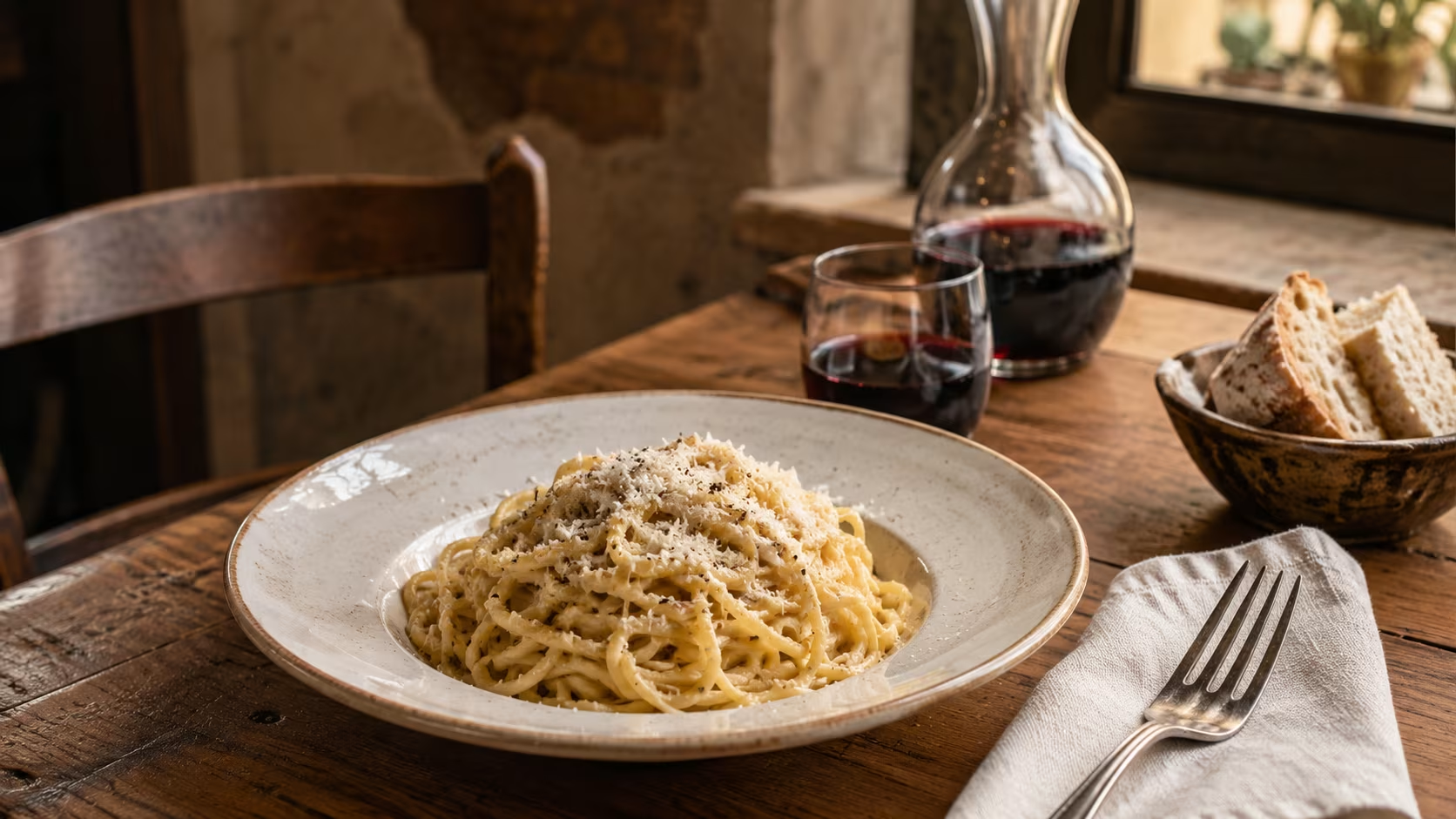
Pasta in Italy is not what most tourists expect. The Italian-American version most visitors grew up with (heaping plates of spaghetti and meatballs, wedding soup with macaroni, pasta as a one-dish dinner) is essentially a different cuisine. Real Italian pasta culture has rules: pasta is a primo (first course), not a main; the sauce-to-noodle ratio is far smaller than abroad; certain combinations are regional and rarely cross over; and there's a concept of piatto unico (single-plate dish) that doesn't apply to most pasta scenarios.
The traveler who learns the actual structure of an Italian meal, recognizes the regional patterns, and skips the obvious tourist-trap pasta dishes eats considerably better than the one ordering "spaghetti carbonara" at every restaurant.
This is a field guide for tourists who want to understand pasta in Italy properly.
The Italian Meal Structure
The foundation of pasta etiquette is understanding when pasta appears.
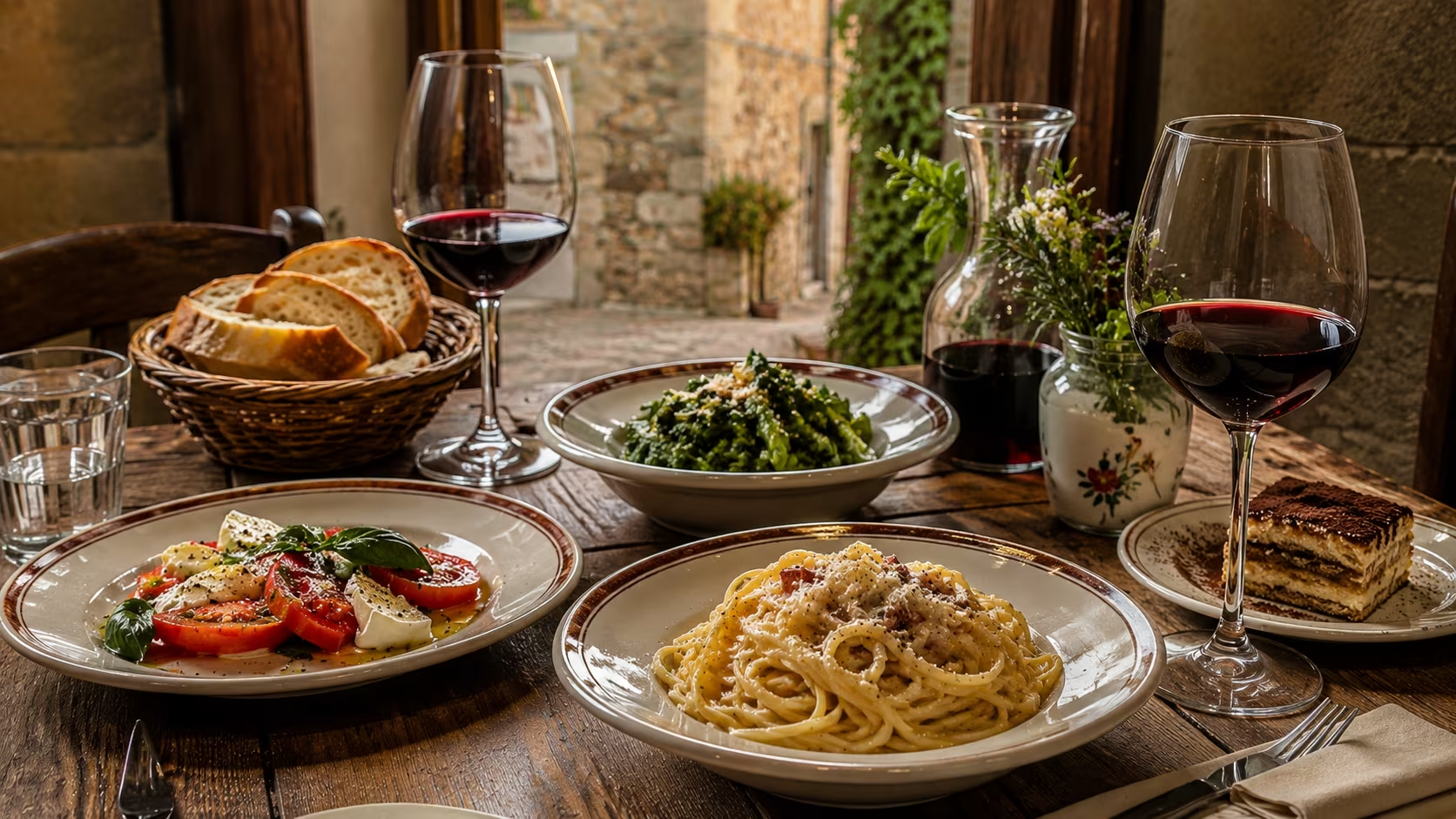
A traditional Italian restaurant menu has these courses:
| Course | What it is | Examples |
|---|---|---|
| Aperitivo | Pre-meal drink + small bites | Spritz, prosecco, olives, cheese |
| Antipasto | Starter course | Salumi, bruschetta, vegetable plates |
| Primo | First course (pasta, soup, risotto) | Spaghetti, lasagna, minestrone |
| Secondo | Main course (meat or fish) | Bistecca, branzino, scaloppine |
| Contorno | Side dish (separate dish, not on the plate) | Roasted vegetables, salad |
| Dolce | Dessert | Tiramisu, panna cotta, gelato |
| Caffè | Coffee | Espresso |
| Digestivo | After-dinner spirit | Amaro, grappa, limoncello |
A full traditional dinner can include all 8 courses. Most modern dinners include 2–4 of them.
Critical
Pasta is a primo, not the main meal. In a traditional setting, you'd order pasta + a secondo. Many tourists order only pasta and miss what the rest of the meal is.
The Modern Compromise
Many Italian restaurants accept pasta-as-main for tourists. But the implicit understanding is still that pasta is meant as a first course.
The Regional Map
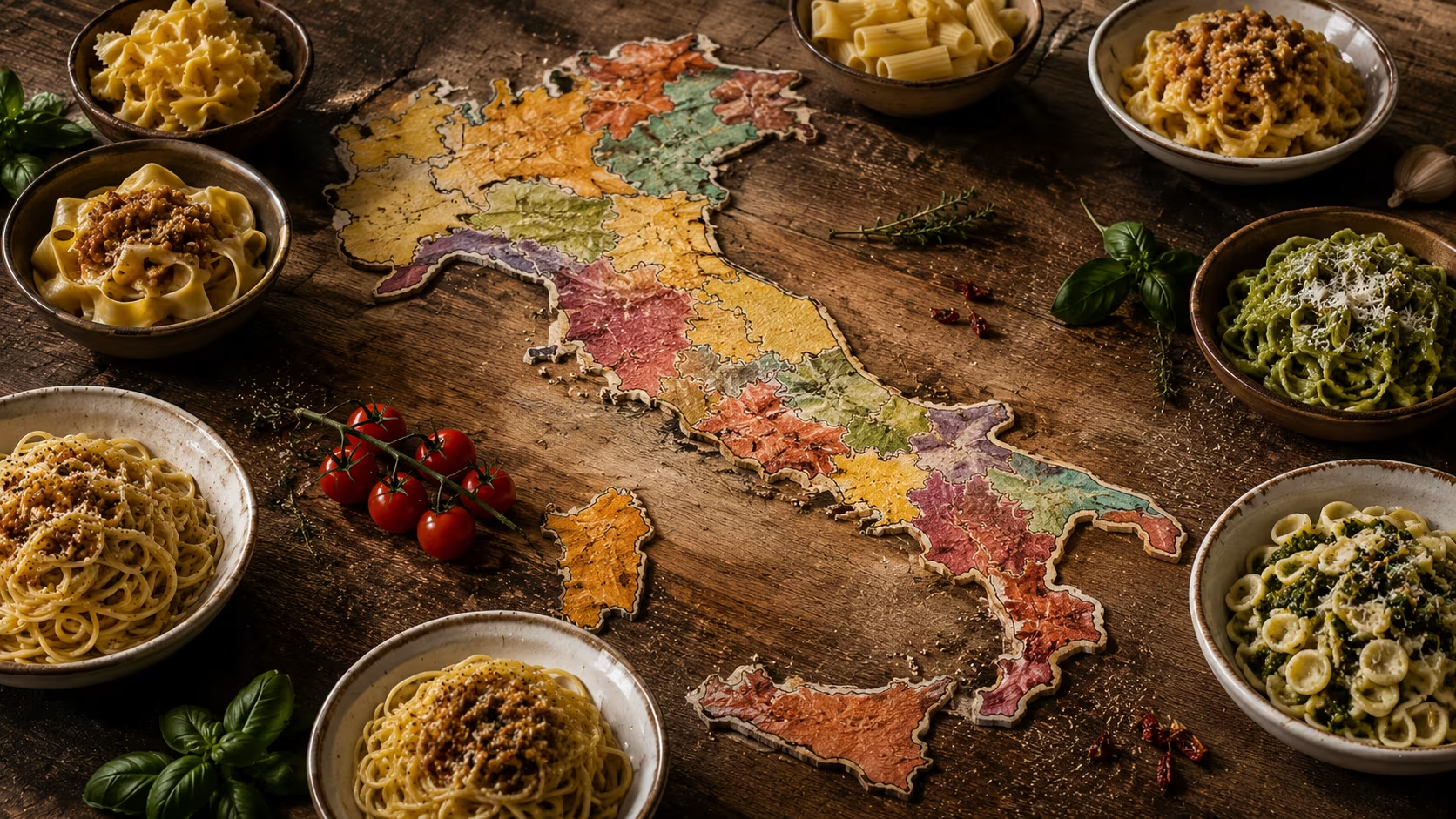
Italian pasta is intensely regional. The pasta dishes you see in Rome are different from Naples, which are different from Bologna, which are different from Sicily.
Rome
Roman pasta culture is built on five classic dishes, all using pecorino + guanciale (cured pork jowl) as foundational ingredients.
| Dish | What it is |
|---|---|
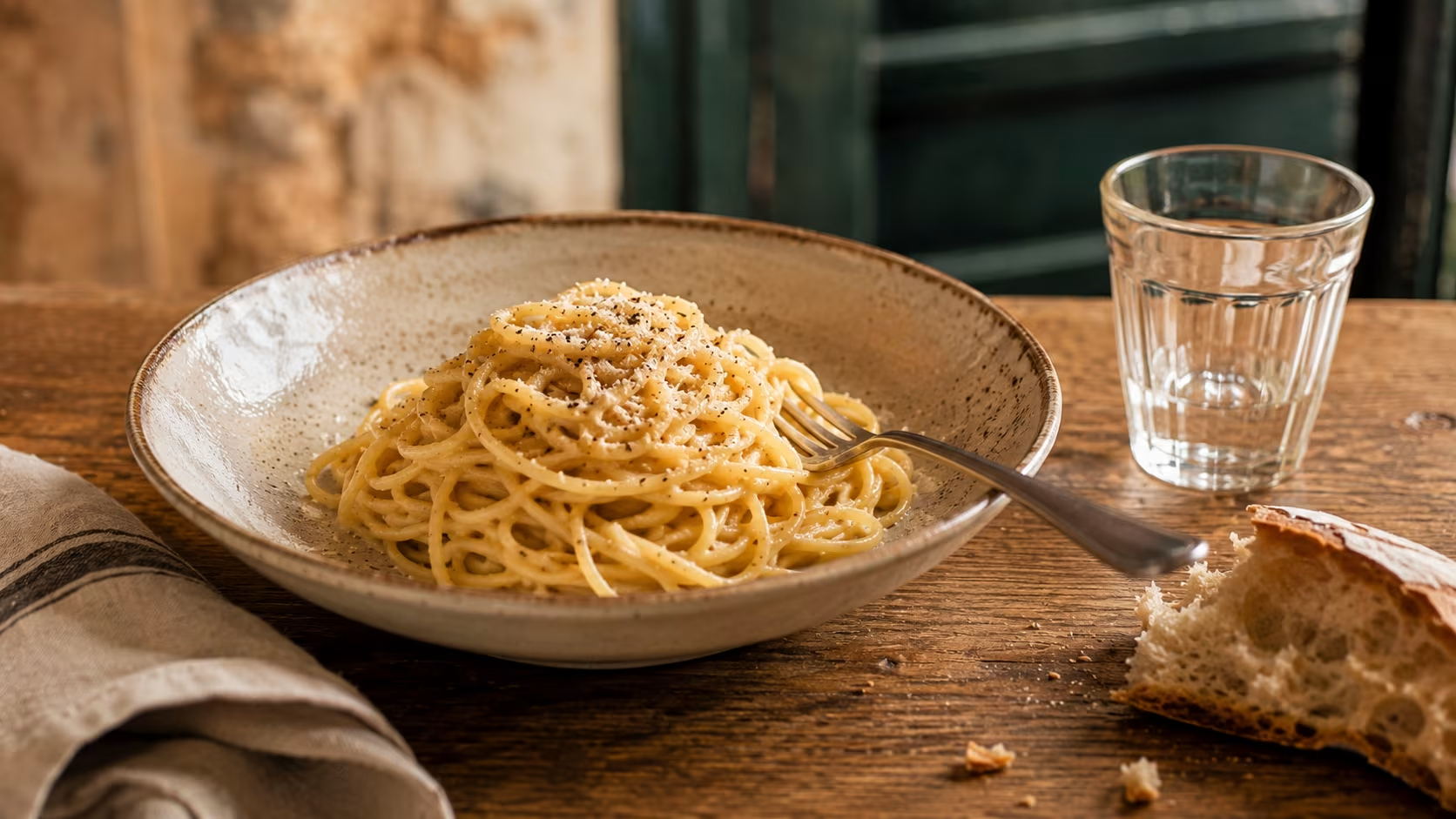
| Cacio e pepe | Pecorino + black pepper + pasta water. The pinnacle of simplicity. |
| Carbonara | Egg yolks + guanciale + pecorino + black pepper. No cream. Ever. Cream-carbonara is a tourist invention. |
| Amatriciana | Tomato + guanciale + pecorino. The red cousin of cacio e pepe. |
| Gricia | Guanciale + pecorino. Carbonara minus the egg. |
| Pasta alla Norma (Sicilian, but commonly served in Rome) | Tomato + eggplant + ricotta salata. |
Pasta Shapes for Roman Classics
- Tonnarelli or spaghetti for cacio e pepe
- Spaghetti or rigatoni for carbonara
- Bucatini or rigatoni for amatriciana
Guanciale (cured pork jowl) is non-negotiable. Pancetta is a substitute non-Romans accept; bacon is not. Ordering carbonara made with pancetta in a Roman restaurant marks you as a tourist.
Naples
Naples is the home of pizza, but the city's pasta tradition is equally important.
| Dish | What it is |
|---|---|
| Spaghetti alle vongole | Spaghetti with clams, garlic, olive oil, parsley. The seaside classic. |
| Linguine alle vongole | The linguine version. |
| Pasta alla Genovese (Neapolitan, despite the name) | Slow-cooked beef + onion sauce. The most-Neapolitan pasta dish. |
| Penne all'arrabbiata | Spicy tomato sauce, chili. |
| Pasta e patate con la provola | Pasta + potatoes + smoked provola cheese. Working-class. |
| Spaghetti aglio, olio, e peperoncino | Garlic, olive oil, chili. The student-and-college-kid late-night classic. |
Bologna / Emilia-Romagna
The pasta-as-art region. Egg-pasta tradition is at its peak here.
| Dish | What it is |
|---|---|
| Tagliatelle al ragù | Hand-rolled tagliatelle with slow-cooked beef-and-pork ragù. The original Bolognese. |
| Tortellini in brodo | Stuffed tortellini in clear meat broth. The Bologna Christmas tradition. |
| Lasagne alla bolognese | The original lasagne. Layered with béchamel, ragù, fresh pasta sheets. |
| Garganelli al ragù | Hand-rolled tubular pasta with ragù. |
| Tortelloni di ricotta e spinaci | Stuffed pasta with ricotta and spinach, butter and sage. |
| Pappardelle alla lepre | Wide ribbons with hare ragù (autumn-winter). |
Crucial
"Spaghetti bolognese" is not a real Italian dish. It's a tourist invention. The Bolognese ragù is paired with tagliatelle, not spaghetti. Ordering spaghetti bolognese in Bologna marks you immediately.
Tuscany
| Dish | What it is |
|---|---|
| Pici al ragù | Hand-rolled thick spaghetti with ragù. Specifically Tuscan. |
| Pici cacio e pepe | The Tuscan version of cacio e pepe with pici. |
| Pappardelle al cinghiale | Wide ribbons with wild boar ragù. |
| Ribollita | Bread-and-vegetable soup, often served before pasta. |
| Tortelli di patate | Potato-stuffed pasta with ragù. |
Sicily
The Mediterranean island has a distinct pasta tradition with seafood and vegetable focus.
| Dish | What it is |
|---|---|
| Pasta alla Norma | Tomato + eggplant + ricotta salata. Sicilian classic. |
| Pasta con le sarde | Sardines + wild fennel + pine nuts + raisins + saffron. |
| Spaghetti ai ricci di mare | Sea urchin pasta. |
| Caponata (often served as side, not pasta) | Sweet-and-sour eggplant. |
| Pasta alla Trapanese | Almond + tomato pesto. From Trapani. |
Liguria (genoa)
| Dish | What it is |
|---|---|
| Trofie al pesto | Hand-rolled twisted pasta with the original Genoese pesto. |
| Trenette al pesto | Long flat pasta with pesto. |
| Pansoti con salsa di noci | Stuffed pasta with walnut sauce. |
Puglia (the South)
| Dish | What it is |
|---|---|
| Orecchiette con cime di rapa | "Little ears" pasta with broccoli rabe. |
| Strascinati al ragù di carne mista | Hand-shaped pasta with mixed meat ragù. |
Real Pasta Etiquette
How to Order
In most regions, pasta arrives in a smaller portion than abroad. A typical Italian primo is 80–120g of dry pasta, the equivalent of a small American serving.
- One pasta dish per person is standard.
- Splitting one pasta between two diners isn't done in real Italian restaurants: it's seen as an admission you're tourists.
- Multiple pasta orders for a group are normal, but each person gets their own.
How to Eat
- Twirl with a fork, no spoon. The fork-and-spoon technique is American. Real Italian pasta-twirling uses fork against the plate edge.
- Don't cut long pasta into smaller pieces. Twirl it.
- Eat slowly. Italians don't rush pasta.
- Don't order parmesan on seafood pasta. The combination is genuinely insulting; cheese masks fish flavor. Don't request grated parmesan if you're eating spaghetti alle vongole or seafood spaghetti.
- Don't request olive oil on pasta. The pasta is already sauced.
- Don't order pasta as a side dish.
- Bread is for soaking up sauce at the end. Not for dipping in olive oil before the pasta arrives.
What to Drink
- Wine. Standard. Pair with regional wines: Roman dishes with Lazio wines (Frascati for white), Bolognese dishes with Sangiovese-based reds.
- Sparkling water (acqua frizzante). The Italian default. Order "naturale" for still or "frizzante" for sparkling.
- No coke / no soft drinks. Considered crude with serious food.
- Wine, then digestivo (amaro/grappa) at end. Standard.
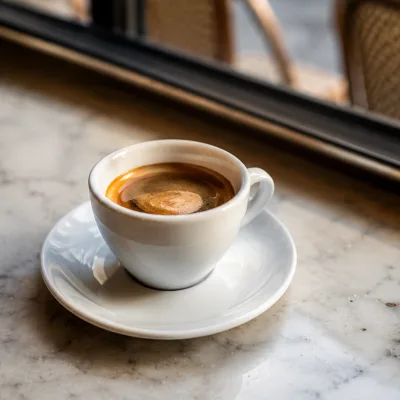
Espresso, Always Espresso
At the end of an Italian meal:
- Order espresso, not cappuccino. Cappuccino is a breakfast-only drink in Italy. Ordering cappuccino after dinner marks you as a tourist.
- Drink standing at the bar for working-class price (€1.20–1.50). Sitting at a terrace table can triple the price.
- Take it quickly. Espresso is a 60-second drink, not a half-hour ritual.
The Most-Mistaken Pasta Combinations
These are dishes that exist in Italian-American or tourist-focused restaurants but aren't actually traditional in Italy:
| Tourist version | Real version | Notes |
|---|---|---|
| Spaghetti and meatballs | Doesn't exist in Italy | Italian-American invention |
| Spaghetti bolognese | Tagliatelle al ragù | Different pasta, different name |
| Pasta with chicken | Rare | Italians don't typically pair pasta with chicken |
| Pasta with shrimp + alfredo | Doesn't exist | Italian-American invention |
| Pasta primavera | Doesn't exist | American invention from the 1970s |
| Pasta alfredo | Almost doesn't exist | Heavy-cream sauce is rare in real Italian cuisine |
| Carbonara with cream | NOT carbonara | Cream is a tourist version; real carbonara uses egg only |
| Pesto with creamy texture | The cream is wrong | Real Genoese pesto is pure basil + pine nuts + cheese + garlic + olive oil |
Reading a Trattoria Menu
Trattoria Vs. Osteria Vs. Ristorante
- Trattoria: casual family-run; mid-priced; traditional regional cooking; written menu sometimes simple.
- Osteria: older, often tied to a wine bar; rustic; menu often verbal or simple.
- Ristorante: fancier, full menu, more formal service.
- Pizzeria: pizza-focused (and sometimes pasta).
For real pasta, look for trattorias and osterias. Avoid restaurants on tourist plazas with menus in 8 languages.
Reading the Menu
Menus typically organize by course:
- Antipasti (starters)
- Primi piatti (first courses: pasta, risotto, soup)
- Secondi piatti (mains: meat, fish)
- Contorni (sides)
- Dolci (desserts)
If the menu is divided this way, the restaurant is real Italian.
Pasta Shape Vs. Sauce — the Logic
Italians match specific shapes to specific sauces. The logic:
- Long thin pasta (spaghetti, vermicelli, capelli d'angelo) = light oil-based or seafood sauces
- Long thick pasta (bucatini, fettuccine, tagliatelle) = richer meat or cheese sauces
- Short tubular (penne, rigatoni, mezzi rigatoni) = chunky sauces with vegetables/meat that catch in the tubes
- Twisted/short (fusilli, farfalle, gemelli) = pesto, cream sauces, vegetables
- Stuffed (ravioli, tortellini, agnolotti) = often served simply with butter and sage; light sauces
A dish with the wrong pairing (e.g., delicate seafood sauce on rigatoni) signals the kitchen doesn't take it seriously.
What to Avoid
Tourist-Trap Indicators
- Restaurants on Plaza Navona, Trevi, San Marco. Tourist factories.
- Multiple-language menus. "Menu turistico" or photos of food = avoid.
- "Spaghetti bolognese" on the menu in Bologna. Marks the place as tourist-focused.
- Carbonara made with cream. Run.
- Restaurants with someone outside trying to bring you in. The classic indicator.
- Menus with prices over €25 for a simple pasta dish. The price reflects tourist gouging, not quality.
What to Order Instead
- "What's the chef's special tonight?" is a fair question.
- Local-region dishes specific to where you are.
- Seasonal pasta (truffle in autumn, asparagus in spring).
- Stuffed pasta or hand-rolled pasta when the menu specifies fatta in casa (homemade).
The Best Pasta Dishes by Region — Quick Reference
In Rome
Carbonara, cacio e pepe, amatriciana, gricia. At Pipero for upscale; Da Felice a Testaccio for working-class; Roscioli for institutional.
In Naples
Spaghetti alle vongole, pasta alla Genovese, alla puttanesca. At Trattoria Da Nennella for working-class.
In Bologna
Tagliatelle al ragù, tortellini in brodo, lasagne. At Trattoria di Via Serra for the institution.
In Florence
Pappardelle al cinghiale, pici cacio e pepe. At Trattoria Sostanza for traditional; Cibrèo for modern.
In Venice
Bigoli in salsa (anchovy + onion sauce), fegato alla veneziana (technically not pasta but the Venetian classic). At Vini da Pinto for traditional.
In Milan
Risotto alla milanese (saffron risotto), cotoletta alla milanese (pasta is less central in Milan; risotto is the rice-based primo). At Latteria di San Marco for the classic.
In Sicily (palermo, Catania)
Pasta alla Norma, pasta con le sarde. At Trattoria Da Maurizio in Palermo.
Common Tourist Mistakes
- Ordering carbonara with cream and chicken. It's not carbonara. Insult the kitchen.
- Ordering parmesan on seafood pasta. Genuinely insulting.
- Cutting long pasta with a knife. Or using a spoon to twirl.
- Eating bread before the pasta as an appetizer with olive oil. That's American.
- Ordering cappuccino after dinner. Espresso, always.
- Ordering a giant portion of pasta as the only meal. It's a primo, not a main.
- Splitting one pasta dish between two diners in a serious restaurant.
- Asking for the chef's recommendation for pasta then ordering chicken parmesan instead. That dish doesn't exist in Italy.
- Drinking a glass of wine WITH milk (which sounds absurd but happens, so order separately or skip the milk).
- Eating dinner at 18:00. Italian dinners start 20:00–21:00.
- Booking only restaurants near the major sights. Walk three blocks; quality jumps.
- Not ordering the regional specialty. In Rome, order Roman pasta. In Bologna, order Bolognese pasta. The regional version is what the kitchen does best.
Final Notes
Real Italian pasta culture is simpler and more rule-bound than the global Italian-American tradition suggests. Five Roman classics, four Neapolitan classics, four Bolognese classics: most regions have a small canon that everyone makes well. The traveler who orders the regional specialty in the appropriate region eats consistently well. The traveler who orders generic "Italian" food in random restaurants gets uneven results.
The single best advice when sitting down at a real Italian trattoria, ask the server what the regional specialty is. Order it. Don't try to substitute or modify. The result will be the genuine expression of what that kitchen does: not a tourist-friendly translation.
The quietest piece of advice spend 90 minutes at one trattoria for one dinner. Antipasto + primo + secondo + dolce + caffè + amaro. Not three restaurants with 30 minutes each. The Italian dinner is the pace, not just the food. Eating slowly is the meal as much as the pasta is.

0 Comments
No comments yet — start the conversation.