

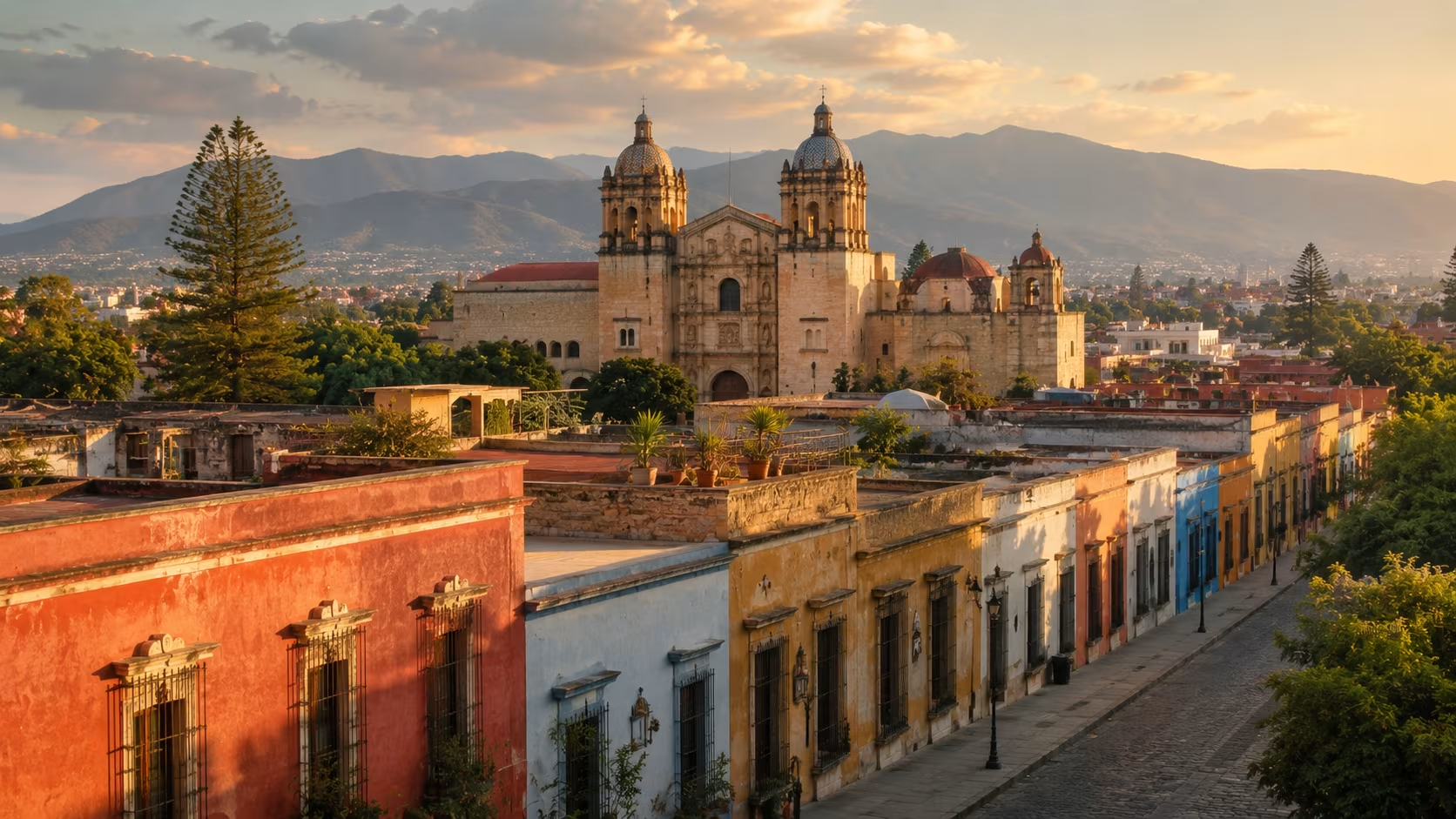
Oaxaca de Juárez (the city) + Oaxaca state are the most-distinctive cultural region in Mexico. The colonial Old Town (UNESCO since 1987) sits in a valley surrounded by mountains, with 16 official indigenous languages spoken in the region (Zapotec + Mixtec + Mazatec the largest groups). The food culture — moles, tlayudas, mezcal — is one of the world's great regional traditions; UNESCO declared Mexican cuisine "Intangible Cultural Heritage" in 2010, with Oaxaca specifically referenced.
The 2026 city has been transformed by tourism growth since 2018, particularly digital nomad influx. Hotel prices in central neighborhoods have risen 40-60%; some restaurants have shifted toward tourist menus; gentrification has produced real local resentment in some areas. The travelers who get this right stay in less-tourist-saturated barrios, eat at working-class spots, and visit indigenous markets respectfully.
This is a 5-day guide for first-time visitors who want both the postcard Oaxaca and the deeper cultural texture.
Quick Facts
| Item | Detail |
|---|---|
| Country | Mexico |
| Currency | Mexican peso (MXN), ~17 MXN/USD in early 2026 |
| Language | Spanish; English in tourist areas |
| Time zone | CST (UTC-6) — Mexico ended DST nationally in 2022 for most regions |
| Tourist tax | 3% lodging tax (state) |
| Best time | October–March |
| Visa | Visa-free for US, EU, UK, Canada, Australia, etc. — 180 days |
| Trip length | 4-6 days |
When to Go
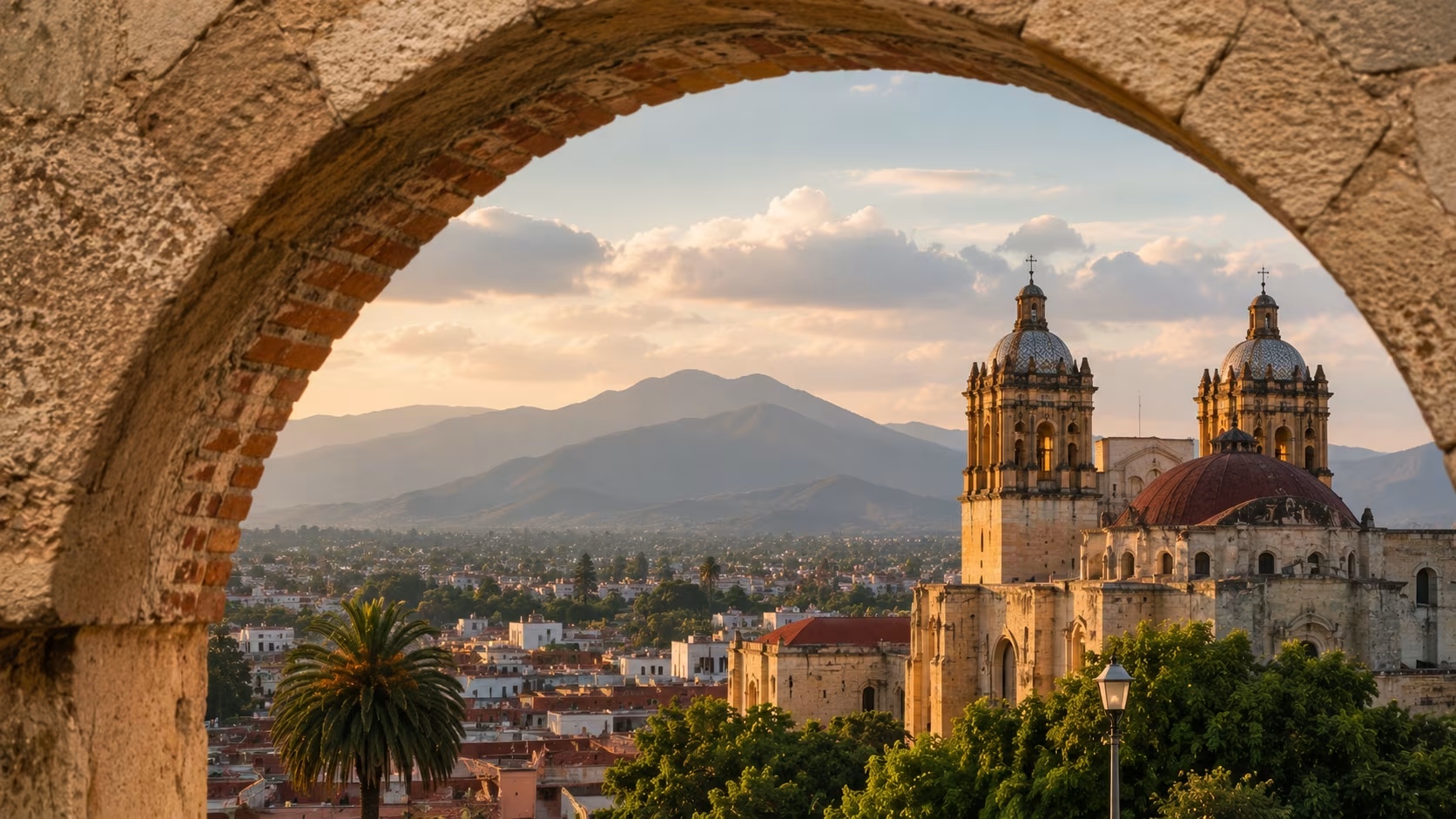
October to March (dry season). The window. Daytime highs 24-28°C; cool nights (10-15°C). November-March is dry; comfortable for walking + activities.
Day of the Dead (October 31 - November 2). The biggest cultural event of the year. Crowds intense; hotel prices triple. Beautiful but not for travelers seeking quiet.
Mid-November to February. The sweet spot for non-Day-of-the-Dead visits. Weather perfect; tourist density manageable.
April to September (rainy season). Daily afternoon thunderstorms; mornings clear. Lush green landscapes; lower tourist density. Hot in May-June (32-35°C+).
Avoid:
- Day of the Dead week if you want quiet (book 6-12 months ahead if you do).
- Guelaguetza Festival (last 2 Mondays of July) — the major indigenous cultural festival; beautiful but extremely crowded.
- Easter Week for some closures + crowds.
- Major Mexican holidays (Sept 16 Independence Day) for transit issues.
Getting In
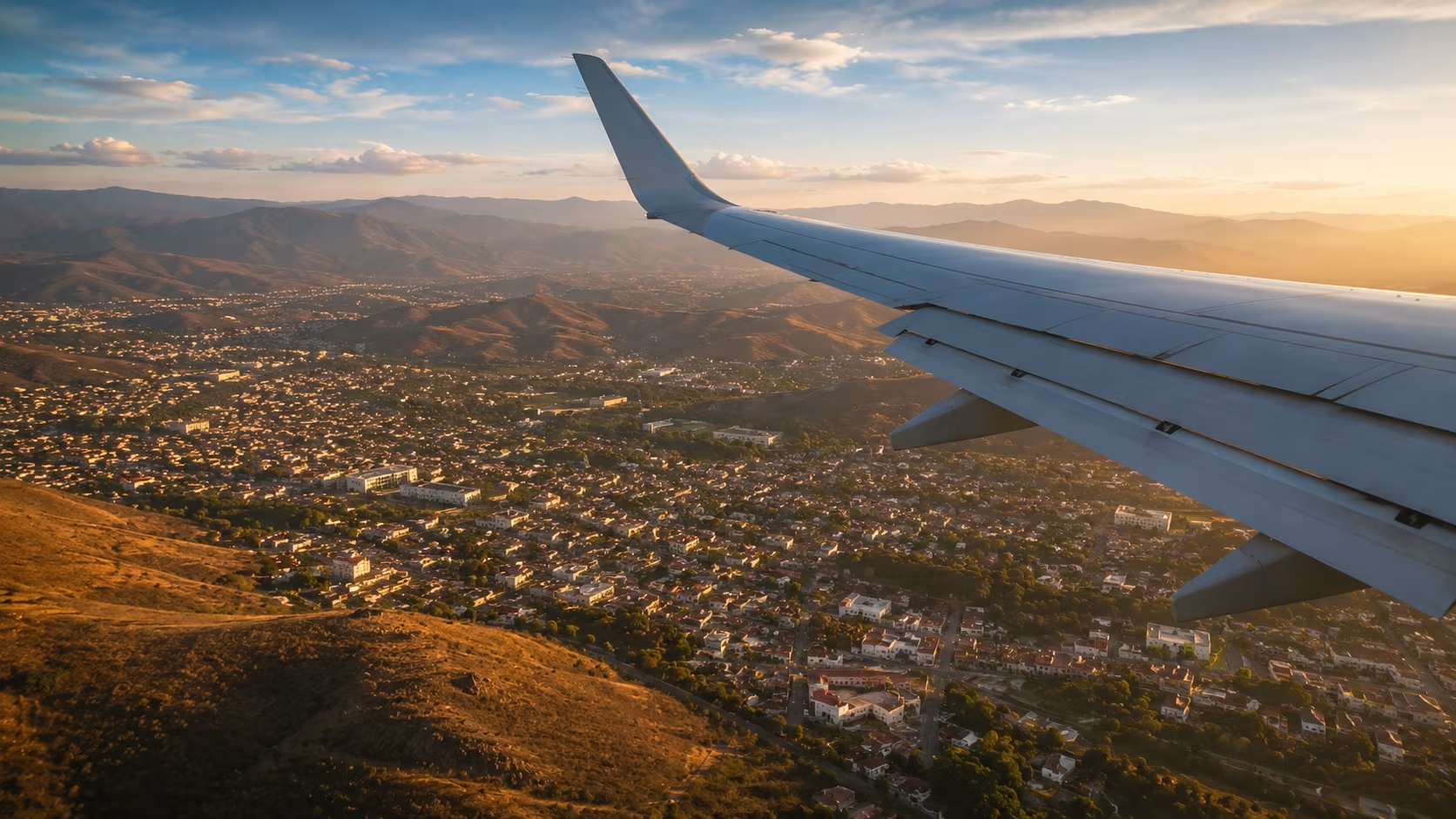
Oaxaca International Airport (OAX). 7 km south of central.
From OAX:
- Taxi (yellow Sitio): 200-280 MXN ($12-17), 15 min.
- Uber/Didi: 150-220 MXN.
- Hotel transfer: 250-400 MXN.
Direct flights from Mexico City (1h 15m) + some US gateway cities. International flights generally connect through Mexico City.
Getting Around
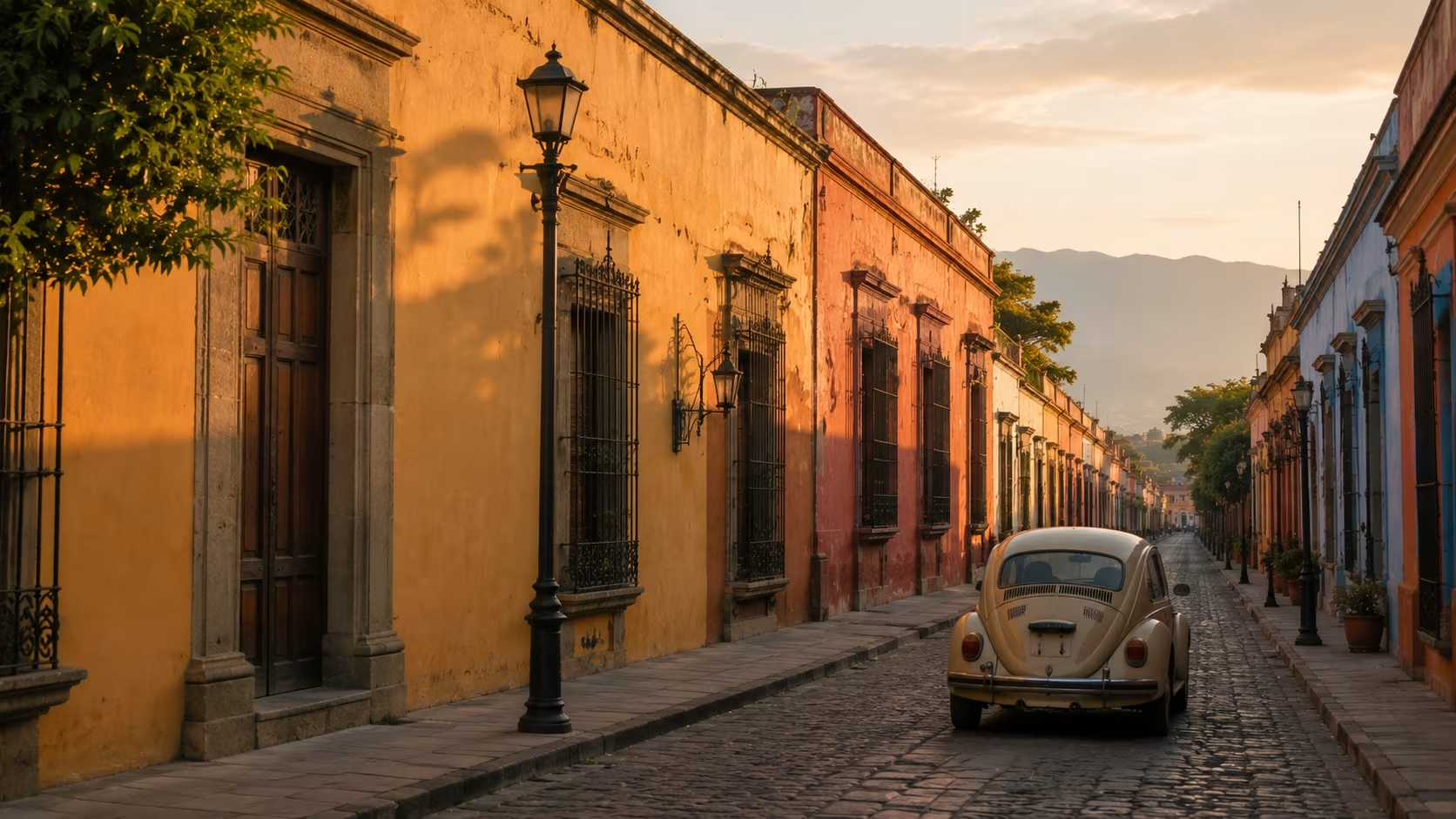
Walking
Oaxaca's Centro is small + walkable. Most central destinations within 1.5 km of each other.
Taxi / Uber / Didi
Reliable + cheap. Most central trips: 50-100 MXN. Use apps over street taxis.
Bus + Combi
Older local buses (camiones); affordable but harder to navigate. Combis (shared vans) for travel to surrounding villages.
Tour Driver
Day trips to surrounding regions (Hierve el Agua, Mitla, Teotitlán del Valle, Monte Albán) typically use private driver or organized tour. Drivers $35-60/day.
Where to Stay
Oaxaca's neighborhoods feel different from each other.
Centro Histórico
The colonial Old Town (UNESCO). Walking distance to Zócalo (main square), Templo de Santo Domingo, Mercado 20 de Noviembre. Most central tourist accommodations. Premium hotels in restored colonial buildings.
Jalatlaco
The traditional artisan neighborhood east of Centro. Cobblestoned, colorful, less tourist-saturated. Walking distance to Centro.
Xochimilco (the Oaxaca neighborhood, not the Mexico City one)
The famous artisan district north. Cobblestoned streets; aqueducts; murals. Boutique hotels.
Reforma
Residential, more local-feel. North of Centro. Mid-tier accommodations.
Avoid as a base
- Far suburbs.
- Around the airport for sightseeing.
Realistic 2026 nightly prices (4-star, weekday, shoulder, USD):
| Neighborhood | Mid-range | Higher-end |
|---|---|---|
| Centro Histórico | $90-180 | $250-700 |
| Jalatlaco | $70-140 | $200-450 |
| Xochimilco | $80-160 | $230-500 |
| Reforma | $50-110 | $170-380 |
What to Book in Advance
Monte Albán
The pre-Columbian Zapotec ruins on a mountaintop 9 km west of Oaxaca. UNESCO. Walk-up usually fine; book online for guided tour. 95 MXN entry. Allow 3-4 hours.
Hierve el Agua
The famous mineral-rock formations + natural infinity pools 70 km southeast. Day trip via Tlacolula valley + Mitla. Tour packages 600-1,200 MXN per person.
Mitla + Teotitlán + Tlacolula Day
The Sacred Valley archaeological + craft villages. Day tour 600-1,200 MXN.
Cooking Class
Multiple operators. Casa Crespo is the famous one (booked 1-2 weeks ahead). 1,200-2,500 MXN per person. Half-day with market visit + lunch.
Premium Restaurants
- Casa Oaxaca el Restaurante (Alejandro Ruiz, modern Oaxacan).
- Origen (modern Mexican).
- Pitiona (modern Mexican).
- Los Danzantes Oaxaca (modern Mexican + mezcal-pairing).
Day 1 — Centro
08:00. Coffee at a Centro café. Café Brújula (specialty roaster). Café Casa Crespo.
09:30. Zócalo (Plaza de la Constitución) — the central square. Free. Walk slowly; the indigenous-led morning food + craft markets begin to set up.
10:30. Catedral Metropolitana de Oaxaca (free). The 16th-century cathedral.
11:00. Templo de Santo Domingo de Guzmán (free entry to church). The most-spectacular interior in Oaxaca — gold-leaf-everywhere baroque. Allow 60 minutes.
12:00. Museo de las Culturas de Oaxaca (in the Santo Domingo complex). 95 MXN. The Zapotec + Mixtec heritage museum, including the famous Tomb 7 jewels from Monte Albán. Allow 90 minutes.
13:30. Lunch at a Centro restaurant. Tlamanalli for traditional Oaxacan. Itanoní (working-class tortilleria + simple plates). El Mesón de Lupe for traditional.
15:00. Mercado 20 de Noviembre. The covered market — meat aisle (smoke-filled, charcoal grilling), tlayuda counters, fresh produce. Allow 90 minutes.
16:30. Walk Andador Turístico (the pedestrian street) + central side streets.
17:30. Coffee or aperitivo. Mezcaloteca for mezcal tasting. El Naranjo for casual.
19:30. Dinner. Casa Oaxaca el Restaurante (modern Oaxacan, book ahead). Origen (modern Mexican). Tlamanalli for traditional.
Day 2 — Monte Albán + Jalatlaco
08:30. Coffee.
09:30. Drive to Monte Albán (20-30 min by taxi or with tour). The pre-Columbian Zapotec capital (500 BC - 750 AD), at 1,940m altitude. UNESCO. Allow 3-4 hours. Bring water + sun protection.
13:30. Lunch back in Centro or near Monte Albán entrance.
15:00. Walk Jalatlaco neighborhood. The colorful, less-touristy artisan district east of Centro. Traditional houses + small workshops.
16:30. Jardín Etnobotánico de Oaxaca (the ethnobotanical garden behind Santo Domingo). Guided tours only (English daily 11:00 + 17:00). 100 MXN. Allow 90 minutes.
18:30. Walk back to Centro.
19:30. Dinner.
Day 3 — Sacred Valley Day Trip
The Tlacolula valley with multiple stops. Most travelers do this with a tour (600-1,200 MXN per person).
08:30. Pickup.
09:30. El Tule. The famous Montezuma cypress tree — 2,000+ years old; the world's stoutest tree. 60 MXN entry. 30 minutes.
10:30. Teotitlán del Valle. The traditional weaving village (Zapotec; pre-Columbian textiles + natural-dye traditions). Workshop visits + demonstrations + shopping. Allow 90 minutes.
12:00. Optional: Tlacolula Sunday Market (if Sunday) — the historic indigenous regional market with vendors from across Sierra. The most-traditional weekend market in the state.
13:30. Lunch in Tlacolula or Mitla.
14:30. Mitla. The ancient Zapotec religious center; later Mixtec stronghold. The famous geometric-stone-mosaic walls. 95 MXN. Allow 90 minutes.
16:30. Hierve el Agua. The famous mineral-rock formations + natural pools. 50 MXN entry. Real talk: the pools are crowded; the views are spectacular but include the petrified-waterfall-style limestone formations more than swimming. Allow 90 minutes.
19:00. Drive back to Oaxaca.
20:00. Dinner.
Day 4 — Mezcal Day Trip + Sierra Norte
Path A — Mezcal Distillery Tour
Mezcal is the regional spirit (different from tequila — broader range of agave species; smokier from underground roasting). Day tour visits 2-3 traditional distilleries (palenques) with tastings. 800-1,500 MXN per person.
Notable: Mezcal Vago, Real Minero, Lalocura, El Jolgorio. Each has distinct production methods.
Path B — Sierra Norte (Coffee Country)
The mountains north of Oaxaca. Cloud forest; coffee plantations; ecotourism villages (Capulalpam, San José del Pacífico). Day excursion or overnight.
Path C — Slow Oaxaca Day
Morning at the Museo Rufino Tamayo (35 MXN; pre-Columbian art collection from Tamayo's personal collection).
Lunch in Jalatlaco.
Afternoon at Mercado de Abastos (the working-class wholesale market; vast + dense + non-touristy).
Final dinner.
Day 5 — Choose: Day Trip Extension or Departure
Path A — Puerto Escondido Day Trip
240 km south. The Pacific coast surf town. Real talk: the new highway (opened 2024) makes the drive 4 hours each way (vs. previous 7 hours). Better as overnight than day trip.
Path B — Slow Final Day
Market morning at Mercado 20 de Noviembre or Mercado de Abastos.
Final lunch.
Afternoon shopping for crafts (textiles, alebrijes, mezcal).
Final dinner.
What to Eat
Oaxacan cuisine is one of Mexico's most-distinctive regional traditions. The seven moles, the indigenous corn varieties, the chapulines (grasshoppers), the chocolate, the mezcal — all anchored in pre-Columbian + Spanish-colonial-blend traditions.
Headline Dishes
| Dish | What it is |
|---|---|
| Mole | Complex sauces. Oaxaca claims seven "mother moles" — negro, rojo, verde, amarillo, coloradito, chichilo, manchamantel. Mole negro is the iconic; chocolate-and-chili-and-spice complexity. |
| Tlayuda | Large crispy tortilla topped with refried beans, cheese, salsa, meat (chorizo, tasajo, cecina). Working-class evening dinner. Antojería La Terraza + Tlayudas la Chinita are institutions. |
| Tasajo | Thinly-sliced + dried-cured beef. Grilled. Mercado 20 de Noviembre meat aisle. |
| Cecina enchilada | Pork with chili rub. Same meat aisle. |
| Chorizo Oaxaqueño | Spiced pork sausage. |
| Chapulines | Toasted grasshoppers with garlic + lime + chili. Working-class snack. |
| Mole de chocolate | Chocolate-and-chili sauce. |
| Tejate | Pre-Columbian cold drink with cacao + corn + flowers + mamey seed. |
| Quesillo | Oaxacan string cheese. |
| Memelas | Thicker corn tortilla with toppings. |
| Caldo de res | Beef broth with vegetables. Sunday family meal. |
| Coloradito | Stew with mole coloradito. |
| Mezcal | Agave spirit. Multiple varieties from different agave species. |
| Pulque | Fermented agave sap. Pre-Columbian. Tlachiqueras (pulquerias) have it; rare. |
Where to Eat
Modern Oaxacan:
- Casa Oaxaca el Restaurante (Alejandro Ruiz; the elevated regional).
- Origen (modern Mexican).
- Pitiona (modern Mexican).
- Catedral (modern fine dining).
Traditional + Casual:
- Tlamanalli (Zapotec working-class).
- Los Danzantes Oaxaca (modern Mexican + mezcal pairing).
- El Mesón de Lupe (traditional).
- Itanoní (working-class tortilleria).
Markets:
- Mercado 20 de Noviembre for tlayudas + grilled meat.
- Mercado de Abastos for wholesale; vast.
- Mercado Sánchez Pascuas for working-class lunch.
Tlayudas:
- Tlayudas la Chinita (working-class evening institution).
- La Antojería de la Cocinita for working-class.
Mezcal:
- Mezcaloteca for tastings + education.
- Mezcalogía for casual sampling.
- Casa de Mezcal Sopo for wide selection.
Costs and Budget
2026 daily budgets per person, excluding flights and hotel (USD):
| Style | Per day | Notes |
|---|---|---|
| Backpacker | $25-50 | Hostel, working-class meals, walking, occasional taxi |
| Mid-range | $60-110 | Mix of street and proper restaurants, tours, transit |
| Comfortable | $130-220 | Better restaurants, premium experiences, taxi |
| Higher-end | $300+ | Tasting menus, premium hotel breakfasts, private guide |
Oaxaca is one of Mexico's more affordable major destinations.
Practical Info
- Cards. Accepted at hotels + mid-tier+ restaurants. Cash for markets, working-class places, smaller establishments.
- Tipping. 10-15% standard at sit-down restaurants. Round up taxis. 30-50 MXN per day for hotel housekeeping.
- English. Common in tourist areas. Less in residential + rural neighborhoods. Many indigenous communities speak Zapotec/Mixtec primarily; Spanish second.
- Sundays. Most things open. Tlacolula Sunday market is the major regional event.
- Pickpocketing. Real around tourist sites. Standard precautions.
- Sun. Strong at altitude (1,555m). SPF 50+ mandatory.
- Cold. Cool nights even in dry season (8-12°C). Pack layers.
- Crime. Generally low in central tourist areas. Standard urban precautions.
- Photography. Some indigenous markets restrict photography. Ask permission, especially for portraits of indigenous vendors.
- Tap water. Bottled only.
- Mexican Spanish. Some Oaxacan-specific terms; basic Spanish recommended.
Common First-Timer Mistakes
- Visiting during Day of the Dead expecting normal city. Hotels triple; crowds intense; book months ahead if specifically attending.
- Skipping Monte Albán. It's the foundational pre-Columbian site.
- Eating only at chain restaurants. Oaxaca's working-class food culture is the city's defining identity.
- Buying cheap mezcal at tourist shops. Quality matters; visit a palenque for genuine.
- Not booking premium restaurants in advance. Casa Oaxaca + Origen sell out.
- Trying to do too many day trips in 4 days. 1-2 day trips is enough.
- Dressing inappropriately at indigenous markets. Modesty + respect.
- Photographing indigenous vendors without permission.
- Skipping Mercado de Abastos thinking it's only for locals. The wholesale market is dramatically different from tourist markets.
- Not learning to distinguish moles. Each mole is genuinely different.
- Underestimating the altitude. 1,555m affects some visitors.
Final Notes
Five days in Oaxaca is the right length. One Centro day; one Monte Albán + Jalatlaco day; one Sacred Valley day trip; one mezcal day; one slow final day.
The quietest piece of advice: spend an hour at the Mercado 20 de Noviembre meat aisle. The smoke, the sizzle of charcoal-grilling tasajo + cecina + chorizo, the woman at the counter shouting orders, the locals eating elbow-to-elbow at communal tables. The Oaxaca that stays with you isn't the postcard photograph from Santo Domingo's interior; it's the cumulative weight of pre-Columbian + colonial + indigenous traditions, lived daily in markets where the food culture goes back 3,000 years + counting.
0 Comments
No comments yet — start the conversation.