

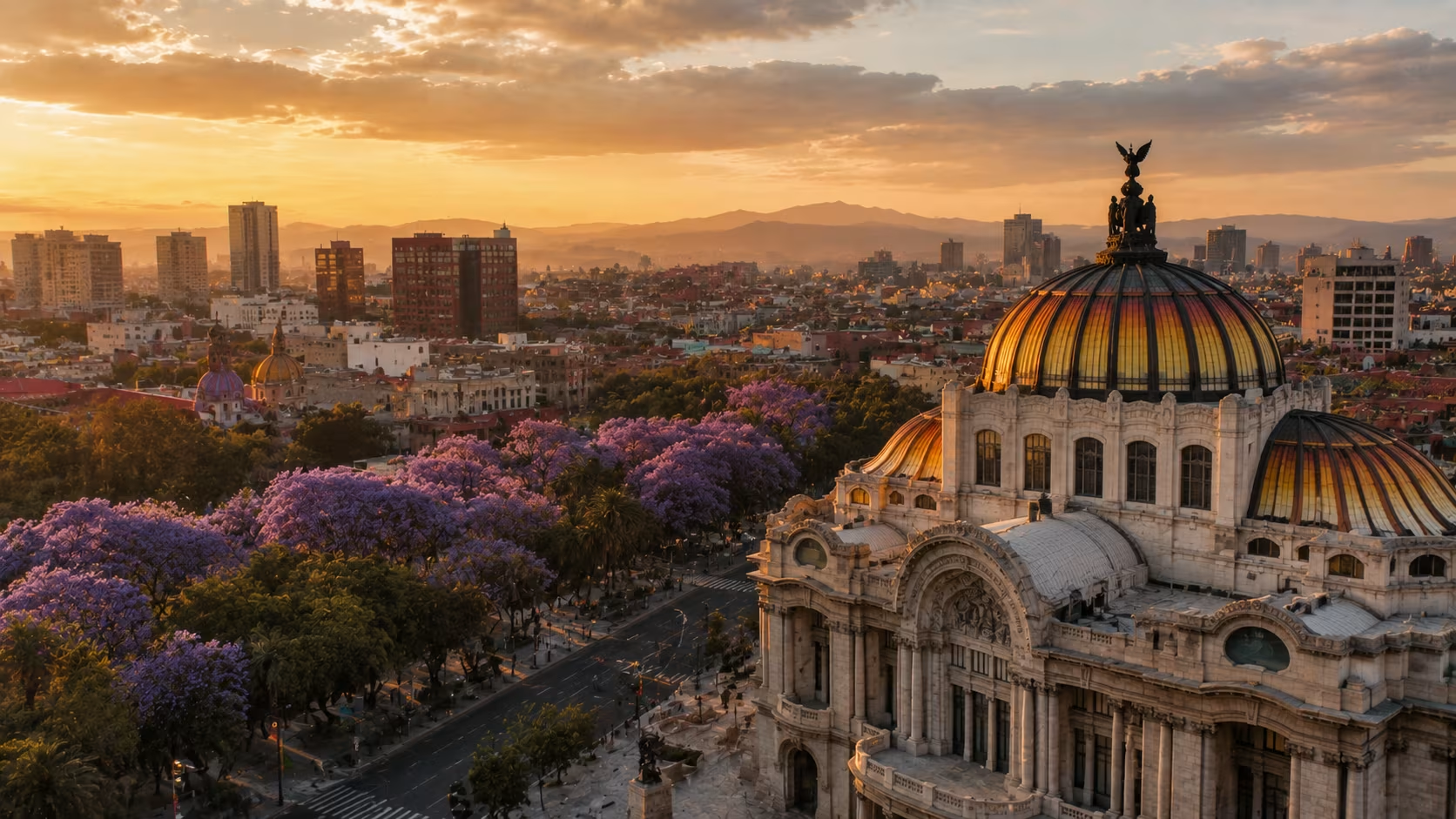
Mexico City is the largest city in North America, the densest cultural capital south of New York, and one of the great food cities in the world. The 2018–2024 boom in foreign attention turned it into a digital-nomad hub, accelerated gentrification, and produced both real benefits and real friction in neighborhoods like Roma Norte and Condesa. The 2026 city is more polished, more expensive, and more crowded than it was five years ago, but the underlying culture is largely intact.
First-time visitors usually make one of two mistakes: they try to do too much (Teotihuacán + four neighborhoods + three museums in three days), or they stick to the Roma-Condesa expat bubble and miss the city's actual depth. The right shape for a 4-day visit balances the headline historical sites, two or three real neighborhood walks, one excursion outside the city, and at least three serious meals.
This is a 2026 guide for travelers who want the real city without trying to optimize it.
Quick Facts
| Item | Detail |
|---|---|
| Country | Mexico |
| Currency | Mexican peso (MXN), ~17 MXN/USD in early 2026 |
| Language | Spanish; English in tourist areas |
| Time zone | CST (UTC-6) / CDT (UTC-5); Mexico ended DST nationally for most regions in 2022, but Mexico City still observes it through 2026 |
| Tourist tax | 3% lodging tax (city) |
| Best time | March–May, September–November |
| Visa | Visa-free for US, EU, UK, Canada, Australia, etc. (180 days) |
| Trip length | 4–5 days |
| Altitude | 2,240 m / 7,350 ft (notable for visitors from sea level) |
When to Go
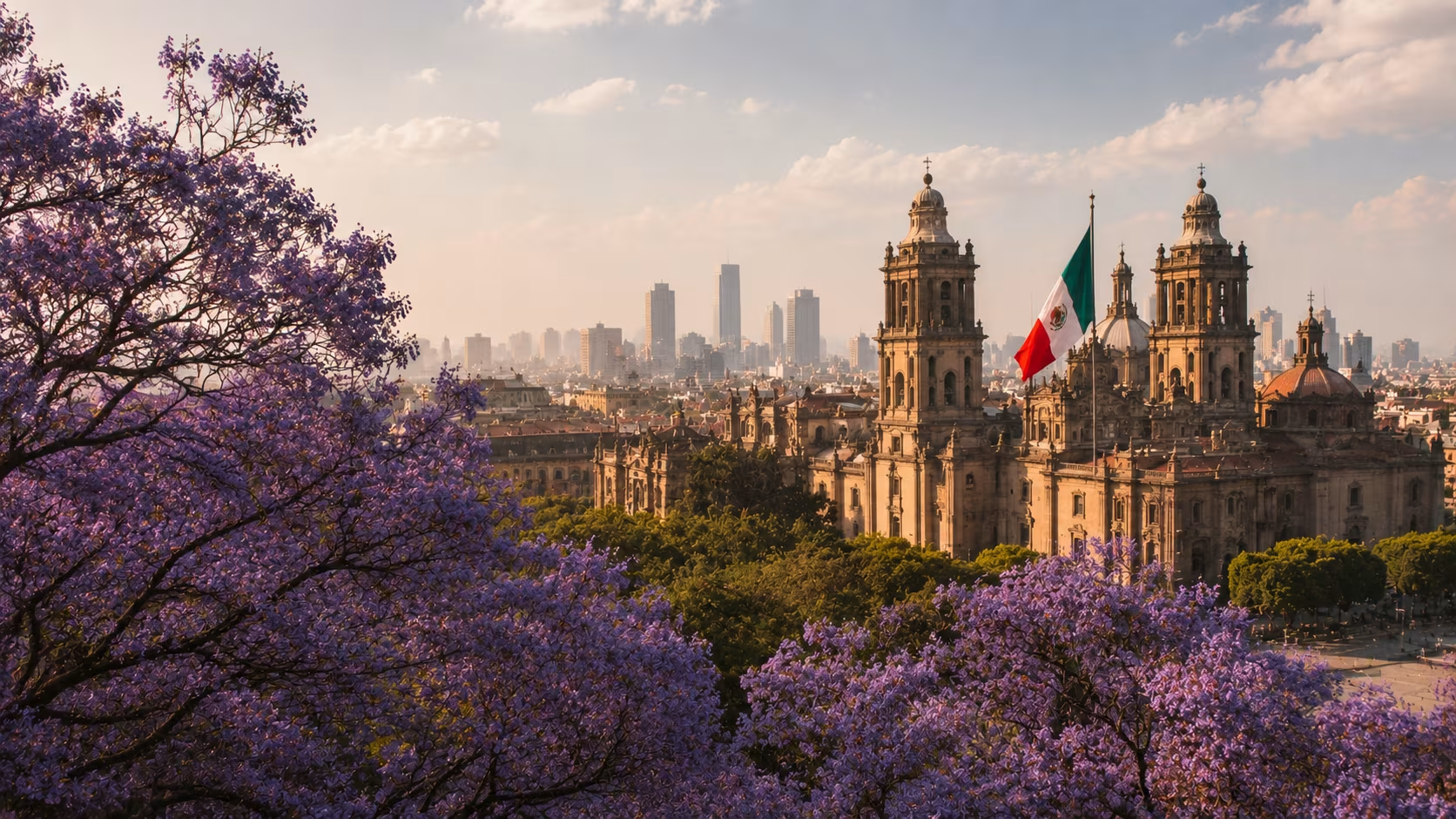
March to May
The sweet spot. Warm days (22–28°C), cool evenings, the spring jacaranda bloom (purple-flowering trees) at peak in March–April. May is hot.
September to November
The other prime window. Day of the Dead (October 31–November 2) is one of Mexico's great cultural events; the city is decorated for the week leading up. Independence Day (September 16) is also a major celebration.
June to August (rainy Season)
Daily afternoon thunderstorms; mornings clear. Greener and quieter; cheaper flights and hotels.
December to February
Cool, dry. Comfortable for walking; nights cold enough for jackets.
Avoid:
- Holy Week / Semana Santa (week before Easter): many Mexicans travel; coastal places overflow, but the city itself empties.
- Day of the Dead weekend if you don't want crowds at Mixquic or San Andrés Mixquic cemeteries.
Altitude Note
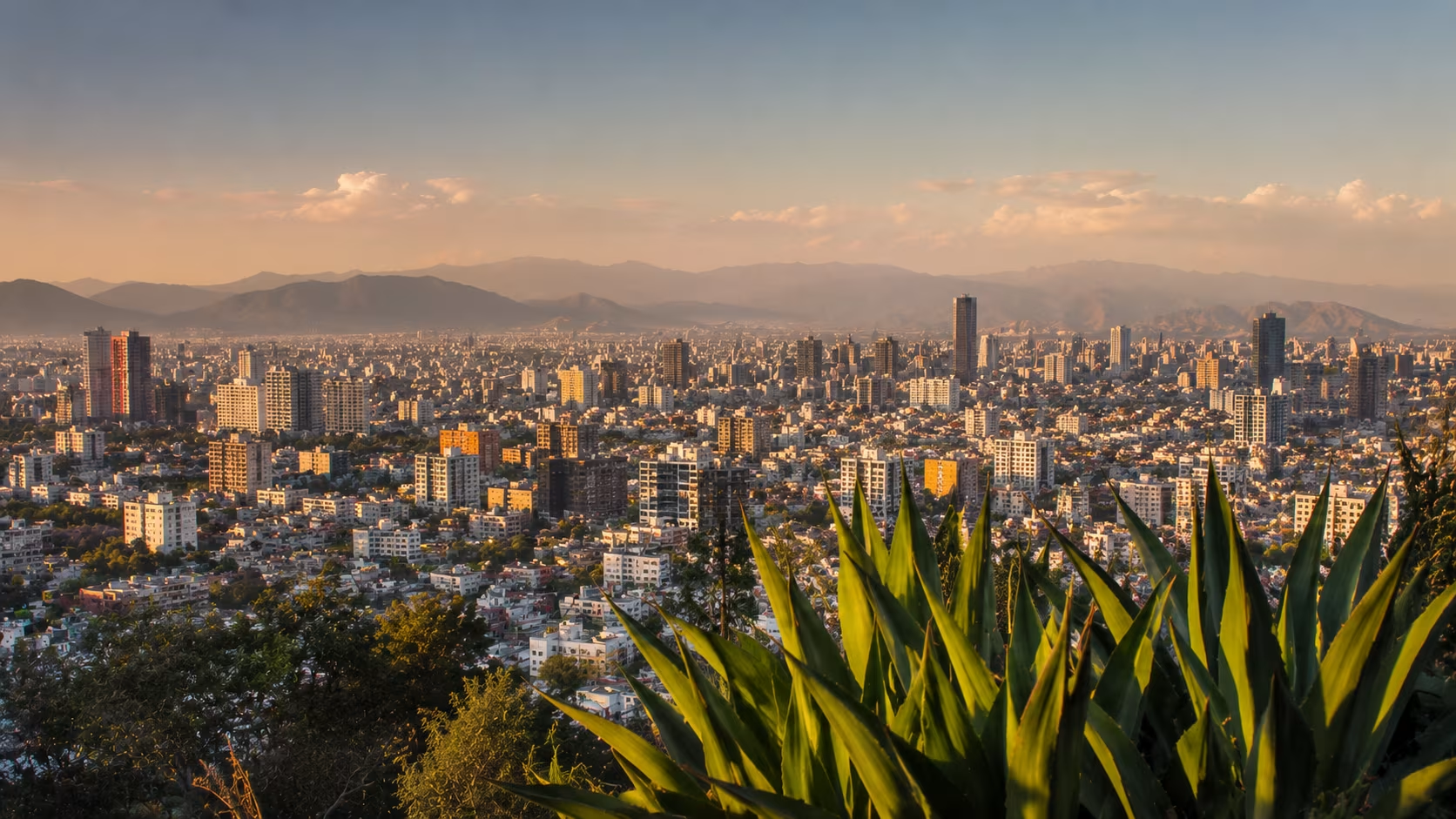
Mexico City's altitude (2,240 m) affects most visitors arriving from sea level. Expect:
- Slightly faster fatigue on Day 1.
- Reduced alcohol tolerance (a single mezcal hits harder).
- Mild headaches in the first 24 hours.
- Reduced sleep depth on Night 1.
Most symptoms resolve within 48 hours. Hydrate aggressively; skip heavy alcohol on arrival day.
Getting in
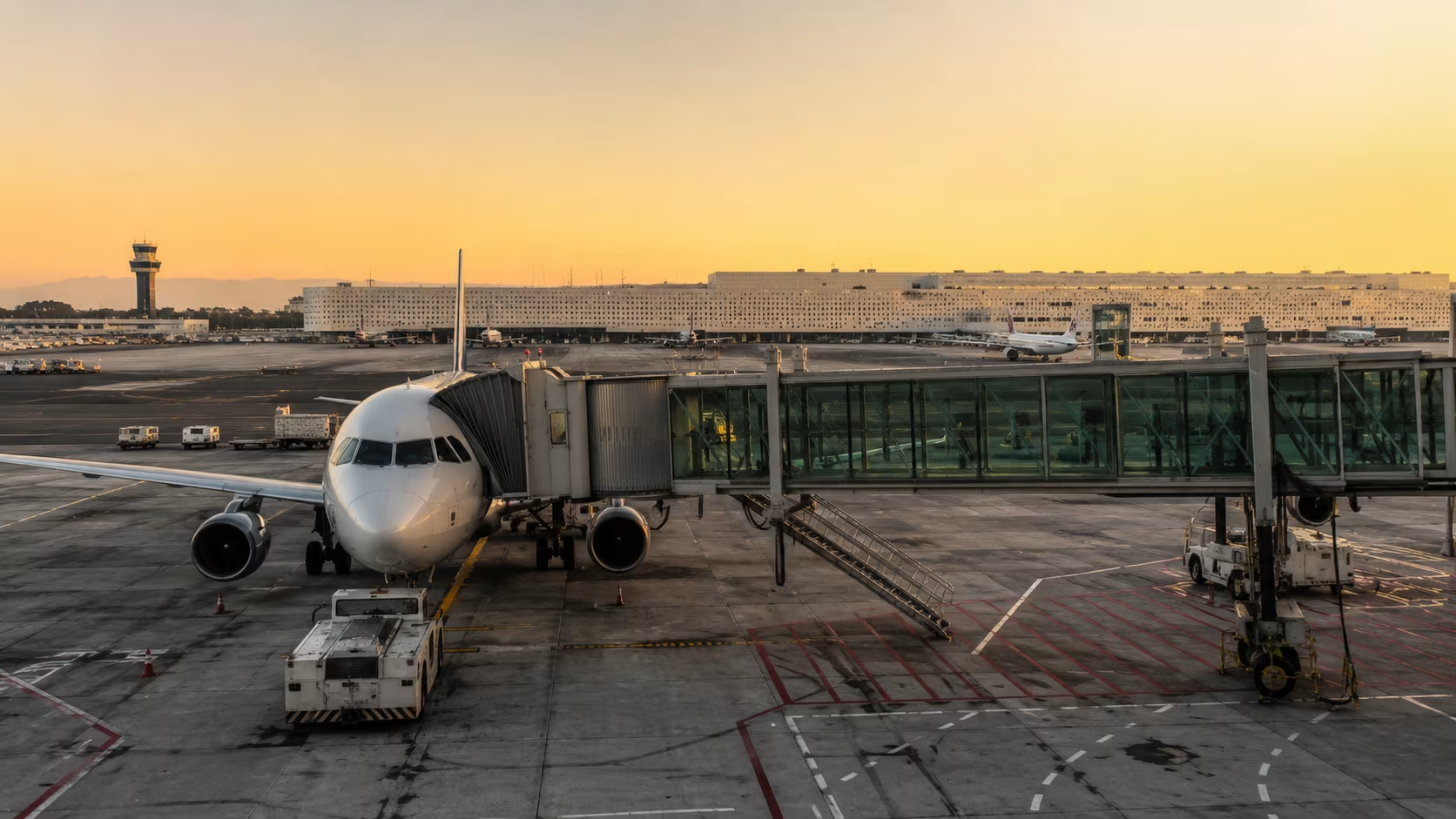
Mexico City International Airport (MEX or AICM). 13 km east of central Mexico City.
From MEX:
- Metro Line 5: 5 MXN, but tourist luggage rules can be enforced (no bags larger than carry-on). Skip with bags.
- Metrobus Line 4: 30 MXN to central Mexico City, 30–60 min depending on traffic.
- Authorized taxi ("Taxi Autorizado" desk inside terminals): 250–350 MXN to central neighborhoods. Use the desk, not freelance drivers in arrivals.
- Uber/Didi: 200–300 MXN. Available since 2023; pickup at Terminal 2 designated zones (sometimes a slight walk).
Felipe Ángeles International Airport (NLU)
A second airport opened 2022, 50 km north. Limited international flights; mostly domestic. Most travelers will not arrive here.
Getting Around
Mexico City has an extensive transit network and is mostly walkable within key neighborhoods.
Metro (subway)
12 Lines, 195 Stations
Single ride 5 MXN. Cheap and fast in many directions, but crowded during peak hours and not always tourist-friendly (some lines run through neighborhoods that aren't recommended for casual tourists).
Tourist-Useful Lines
Line 1 (across the city east-west), Line 2 (north-south through historic center), Line 3 (north-south through Roma/Coyoacán), Line 7 (Roma-Auditorio).
Buy: rechargeable Tarjeta CDMX card at any station (cash for the card). Metro pass also works on Metrobus and trolebús.
Metrobus
7 lines, surface bus rapid transit. 6 MXN per ride. Good for Reforma corridor, airport, and connecting neighborhoods.
Uber and Didi
The defaults for tourists. Cheap (50–150 MXN for most central trips), reliable, and avoid the language friction of street taxis. Use these over flagged taxis for 90% of moves.
Walking
Roma Norte, Condesa, Centro Histórico, Polanco, Coyoacán are all walkable internally. Between neighborhoods is a 15–30-minute walk or a 5-minute Uber.
Taxis
Street taxis (libre, the pink/white cabs) are cheaper than Uber but have a long history of overcharging tourists, taking longer routes, and rare safety issues. Stick to Uber/Didi unless you're using a taxi from a hotel rank.
Where to Stay
The neighborhood (colonia) you choose changes the trip dramatically.
Roma Norte
The creative-and-restaurant district. Boutique hotels, dozens of cafés and restaurants, walking distance to Condesa, easy Uber to Centro. Best first-timer pick.
Condesa
Tree-lined streets, more residential and family-oriented than Roma. Slightly more upmarket. Parque México and Parque España are the central greens. Excellent restaurant scene.
Polanco
The upscale residential district. Luxury hotels (Four Seasons, St. Regis, W), high-end shopping (Avenida Presidente Masaryk is the city's premier shopping street), Soumaya and Jumex museums. Walking distance to Chapultepec Park.
Centro Histórico
The historic core. UNESCO World Heritage. Zócalo (the central square), Templo Mayor, Cathedral, Palacio Nacional, Palacio de Bellas Artes. Walking distance to all major historical sites. Less restaurant density at night; more daytime tourism.
Coyoacán
The village-feeling district south of Centro. Frida Kahlo's Casa Azul, traditional plazas, weekend market. More residential, less central.
Avoid as a Base
- Tepito, Iztapalapa, Iztacalco: local working-class neighborhoods, not tourist-friendly.
- Far suburbs: too far for a 4-day trip.
Realistic 2026 nightly prices (4-star, weekday, shoulder, USD):
| Neighborhood | Mid-range | Higher-end |
|---|---|---|
| Roma Norte | $90–160 | $250–500 |
| Condesa | $100–170 | $280–550 |
| Polanco | $200–350 | $500–1,200 |
| Centro Histórico | $70–130 | $200–400 |
| Coyoacán | $80–140 | $200–400 |
What to Book in Advance
Pujol
Enrique Olvera's restaurant. Two Michelin stars, World's 50 Best regular. Booking opens 2 months ahead and fills within hours. The mole tasting is the headline. ~3,500 MXN per person for the tasting menu.
Quintonil
Jorge Vallejo's restaurant. Two Michelin stars. Often ranks ahead of Pujol on global lists. Booking 4–8 weeks ahead. ~3,000 MXN per person.
Contramar
The city's most-loved seafood restaurant in Roma Norte. Long lunches (the Mexican custom). Booking essential 1–2 weeks ahead, especially weekends. Walk-ups for lunch sometimes work if you arrive at opening.
El Califa de León
The street taqueria that earned a Michelin star in 2024, the first taco stand to do so. Walk-up only; queues form 60+ min. Worth it once.
Frida Kahlo Museum (casa Azul)
In Coyoacán. Timed entry tickets only, sells out 4–8 weeks ahead. 270 MXN. Allow 90 minutes. Book at museofridakahlo.org.mx.
Teotihuacán
The ancient city north of Mexico City. No advance booking required, but hot air balloon rides at sunrise (the iconic experience) book 1–2 weeks ahead.
Lucha Libre
Friday night at Arena México. Tickets 350–800 MXN at the door, but many travelers prefer pre-arranged tour packages with safe transit and ringside seating ($40–80 USD per person).
Day 1 — Centro Histórico
08:30. Coffee in Roma or Condesa. Café Avellaneda, Cucurucho, Almanegra.
09:30. Uber to Zócalo. The world's largest urban plaza, fronted by the Cathedral Metropolitana (free, Mexico's largest cathedral, built 1573–1813) and Palacio Nacional (free with ID; Diego Rivera's murals on the central courtyard are the highlight).
11:00. Templo Mayor (95 MXN). The recently-excavated Aztec central temple, layered structure built atop itself by successive Aztec rulers. Discovered in 1978 during electrical work; excavation continues. Allow 90 minutes including the on-site museum.
12:30. Walk west to Palacio de Bellas Artes. The Art Nouveau marble exterior is the headline. Inside: Diego Rivera, José Clemente Orozco, David Alfaro Siqueiros murals (90 MXN). Allow 60 minutes. Sears (the department store) on the opposite corner has a 8th-floor café with the famous photograph view of Bellas Artes.
13:30. Lunch in Centro. El Cardenal (since 1969, traditional Mexican breakfasts and lunches, the institution). Café de Tacuba (since 1912, mariachi performances). Azul Histórico (modern Mexican in a colonial courtyard).
15:00. Walk Madero pedestrian street to Casa de los Azulejos (the famous tiled-facade Sanborns building). The Torre Latinoamericana (95 MXN), Mexico City's first skyscraper (1956), observation deck on floor 44, the city's classic skyline view. Allow 30 min.
16:30. Walk to Plaza Garibaldi (mariachi central; afternoon is calmer than evening). Or back to your neighborhood for slow time.
19:00. Dinner. Pujol if booked. Or back in Roma/Condesa.
Day 2 — Chapultepec and Polanco
09:30. Coffee in Polanco or Roma.
10:00. National Museum of Anthropology (Museo Nacional de Antropología). 95 MXN. The single most important museum in the country, possibly in Latin America. Allow 4 hours minimum. The Aztec Sun Stone (Piedra del Sol) is the headline; the Maya, Olmec, and Zapotec halls are equally important.
14:00. Lunch nearby. Las Costillas de San Luis for Mexican classic. Eno (Polanco branch) for casual modern Mexican.
15:30. Chapultepec Park. The city's central green space (twice the size of Central Park). Visit:
- Chapultepec Castle (90 MXN). On the hill in the park's eastern section. The summer residence of Maximilian I (the Habsburg-imposed emperor of Mexico, 1864–1867); now a national history museum. The view from the terrace is the best in the city.
- Lake Chapultepec. Rowboats, swans, café terraces.
18:00. Slow walk through Polanco. Avenida Presidente Masaryk for premium shopping; Parque Lincoln for café terraces.
19:30. Dinner. Quintonil if booked. El Cardenal Polanco. Anatol (Las Alcobas Hotel).
Day 3 — Roma, Condesa, Frida Kahlo
09:00. Slow morning in Roma Norte. Coffee at Cucurucho or Boicot. Walk Plaza Río de Janeiro (with the David replica), Álvaro Obregón street.
10:30. Casa Azul (Frida Kahlo Museum) in Coyoacán. Timed entry. The cobalt-blue house where Kahlo lived and died. Allow 90 minutes. The audio guide is included and worth using.
12:30. Walk Coyoacán. The central plaza (Jardín Centenario), the Coyoacán Market (Mercado de Coyoacán): buy a tostada de tinga at the market food stalls. The cobblestoned streets feel village-like compared to the rest of the city.
14:00. Lunch. Los Danzantes (modern Mexican on the central plaza). Corazón de Maguey (mezcal-focused). Café El Jarocho for traditional coffee.
15:30. Leon Trotsky House Museum (60 MXN). Where the exiled Russian revolutionary lived and was assassinated by Stalinist agents in 1940. Bullet holes still visible. 60 minutes.
17:00. Uber back to Roma Norte. Slow afternoon.
19:30. Dinner. Contramar for the Friday-Saturday late-lunch tradition. Rosetta (Italian-Mexican). Maximo Bistrot. Sartoria (Italian).
22:00 onward. Cocktails. Licorería Limantour (Mexico's most-respected cocktail bar). Hanky Panky (speakeasy). Tokyo Music Bar (jazz vinyl).
Day 4 — Day Trip or Slow City Day
Path A: Teotihuacán
The pre-Columbian city 50 km northeast of Mexico City. UNESCO World Heritage. The third-largest pyramid in the world (Pyramid of the Sun, 65 m tall).
Two options:
Self-guided Uber to Teotihuacán (~600 MXN one-way) or rideshare van + entrance ticket (95 MXN). Allow 4 hours on site. Avenue of the Dead, Pyramid of the Sun, Pyramid of the Moon, Quetzalcoatl Temple. Walking the full site is 2.5 km and tiring at altitude with sun exposure.
Hot air balloon at sunrise The iconic photograph experience. Ascending over the pyramids at dawn. Pickup at 04:30; balloon launch ~06:30; back in city by 11:00. ~$180–280 USD per person via operators like Volar en Globo.
Path B: Xochimilco
The former Aztec lake system, now canals with brightly-painted trajinera boats. UNESCO World Heritage. Floating mariachi bands, food vendors, and floating beer bars.
- 60–90 minutes from Centro by Metro + light rail.
- Boat rentals: 600 MXN/hour for the trajinera (split among the group).
- Most rewarding 14:00–17:00 on weekends; weekdays are quieter.
- The site has been criticized for over-tourism; the lakes themselves are heavily polluted. The cultural ritual is what's worth seeing.
Path C: Mexico City Slow Day
For visitors not interested in pyramids:
- Soumaya Museum (Polanco). Free. Carlos Slim's collection in a striking silver-clad building. Mostly European and Mexican art; the building itself is more interesting than most of the collection.
- Jumex Museum (next door to Soumaya). Free. Modern and contemporary art. Better than Soumaya for serious art viewers.
- MUAC (UNAM university museum) for contemporary art.
- Tepoztlán day trip: 90 min south, mountain village, traditional market, hiking up to Tepozteco temple. A relaxed and beautiful alternative.
What to Eat
Mexico City has been quietly rebuilt as one of the world's great food cities. The traditional + Indigenous food culture has Michelin recognition, but the street food is still the soul.
Tacos
The headline dish. Real Mexican tacos are not the Tex-Mex version. The varieties:
| Type | Description |
|---|---|
| Pastor | Pork shoulder marinated, cooked on vertical spit. Topped with pineapple. The Mexico City classic. |
| Suadero | Beef brisket, slow-cooked. Often paired with chorizo. |
| Cabeza | Beef cheek, rich. |
| Lengua | Tongue, soft and fatty. |
| Carnitas | Pork shoulder slow-cooked in lard. Originally Michoacán. |
| Barbacoa | Slow-cooked lamb. Originally Hidalgo. Sunday breakfast institution. |
| Birria | Goat or beef stew taco. Originally Jalisco. |
| Pescado / Camarón | Fish or shrimp, often battered + fried, cabbage + crema. Baja-style. |
| Tacos al pastor | Different from "pastor": same meat, but with the spit-roasted preparation specifically. |
Where: El Vilsito (Sunday-Tuesday only, mechanic shop by day, taco stand by night). El Huequito (multiple locations, founded 1959). Tizoncito (Condesa, claims to have invented al pastor). El Califa de León (Michelin-starred, walk-up only).
Other Anchors
- Mole. The complex sauce that defines Oaxacan + Pueblan + central Mexican cooking. Mole negro Oaxaqueño at Pujol is the elevated version; Nicos for traditional.
- Chiles en nogada. Stuffed peppers with walnut cream, pomegranate. Independence-month classic (August–September only).
- Tamales. Steamed corn dough with various fillings. Breakfast standard; many breakfast carts sell them street-side.
- Pozole. Hominy stew, traditional Sunday dish.
- Cemita. Pueblan sandwich, sesame-seeded brioche-style bread, with avocado, papalo herb, cheese, meat.
- Quesadilla. Mexico City quesadillas can be made with corn or wheat; corn is the local default. Filled with cheese OR (this is the controversial part) flor de calabaza, huitlacoche, or other fillings; at street stands, ask if quesadilla "con queso" is needed.
- Tortas. Mexican sandwich on telera bread.
- Tlacoyos. Oval blue-corn cakes topped with beans, nopal cactus, salsa.
- Chilaquiles. Tortilla strips in salsa with crema, cheese, optional egg or chicken. Breakfast classic.
- Aguas frescas. Fresh fruit waters: horchata, jamaica (hibiscus), tamarindo, pepino-limón.
Mezcal
The city's drink. Mezcal is to Mexico City what wine is to Paris.
- Bosforo (Roma Norte): boutique mezcal bar.
- La Botica (multiple locations): accessible introduction.
- Salón Palomilla (Roma Norte): modern.
- Corazón de Maguey (Coyoacán): mezcal-focused restaurant.
Order a flight of 3–5 mezcales (300–600 MXN). The traditional pairing: orange slices and worm salt (sal de gusano, yes, with actual ground-up agave worm). Sip slowly.
Costs and Budget
2026 daily budgets per person, excluding flights and hotel:
| Style | Per day | Notes |
|---|---|---|
| Backpacker | $20–35 | Hostel, street tacos, walking, museums |
| Mid-range | $50–95 | Mix of street and proper restaurants, museums, Uber |
| Comfortable | $130–220 | Better restaurants, lucha libre, full day trip |
| Higher-end | $350+ | Tasting menus, luxury hotels, private guide |
Mexico City is genuinely cheap by Western European or US standards. A street pastor taco: 18–35 MXN ($1–2). A proper sit-down dinner mid-range: 400–800 MXN ($25–50). Premium tasting menus: 2,500–5,000 MXN ($150–300).
Practical Info
- Cards. Accepted at hotels, mid-tier and higher restaurants, and most shops. Cash for street food, taxis, and small purchases.
- Tipping. 10–15% at restaurants. Round up taxis. 30–50 MXN per day for hotel housekeeping.
- English. Common in Roma, Condesa, Polanco. Less in Centro and outlying neighborhoods. Younger Mexicans speak more English than older.
- Water. Tap water not recommended for drinking. Bottled water everywhere (5–15 MXN). Most restaurants serve filtered water; tequila or mezcal solves the dehydration problem creatively.
- Altitude. Drink water aggressively first 48 hours. Skip heavy alcohol on arrival day.
- Crime. Most tourist neighborhoods (Roma, Condesa, Polanco, Coyoacán, Centro) are safe in daytime and reasonable in evening. Standard precautions for petty theft. Use Uber rather than street taxis.
- Earthquakes. Mexico City sits on a former lake bed; significant earthquakes recur. The city has a 60-second-warning system; if a siren sounds, exit buildings to designated safe zones. Major earthquakes are rare but real (2017, 1985 left lasting damage).
- Pollution. Mostly improved since 2015–2020. Some winter mornings have visible smog.
- Sundays. Many museums free for Mexican residents (often crowded). Most restaurants open. Reforma closes to cars Sunday mornings for cyclists.
Common First-Timer Mistakes
- Eating only in Roma-Condesa restaurants. Some of the best food in the city is in working-class neighborhoods that look unfamiliar. Brave the unfamiliar taqueria.
- Skipping Coyoacán and Xochimilco. They're the village-and-canal counterparts to the high-density city.
- Trying to do too much in one day. The city's traffic is real; 3 distant sights in one day means 3 hours in Ubers.
- Booking flights without considering altitude. Arrival day is for slow walking, not pyramid hiking.
- Eating street food without watching the stand. High-turnover, working-class-customer-base stands are usually safer than ones with idle workers and old food sitting out. Watch where local lunchtime crowds are; eat there.
- Drinking heavy mezcal at altitude on Day 1. Headache the next day is real.
- Visiting the Frida Kahlo Museum without a ticket. Walk-ups don't exist. Book 4+ weeks ahead.
- Using street taxis instead of Uber. Uber is dramatically more reliable for tourists.
Final Notes
Mexico City rewards the traveler who slows down to its rhythm. Late dinners, long café lunches, slow Sunday mornings. Four days is enough for the historical core, two real neighborhood days, and one day-trip. A fifth day buys you more depth in Coyoacán or San Ángel.
The quietest piece of advice: pick one street taco stand on a Tuesday at 14:00 and order three different tacos in a row. Watch the people around you. Eat slowly. The city's actual gift is the daily food culture, not the tasting menus, not the pyramids. The 24-peso pastor taco at 16:00 on a side street is the Mexico City that stays with you.
0 Comments
No comments yet — start the conversation.