

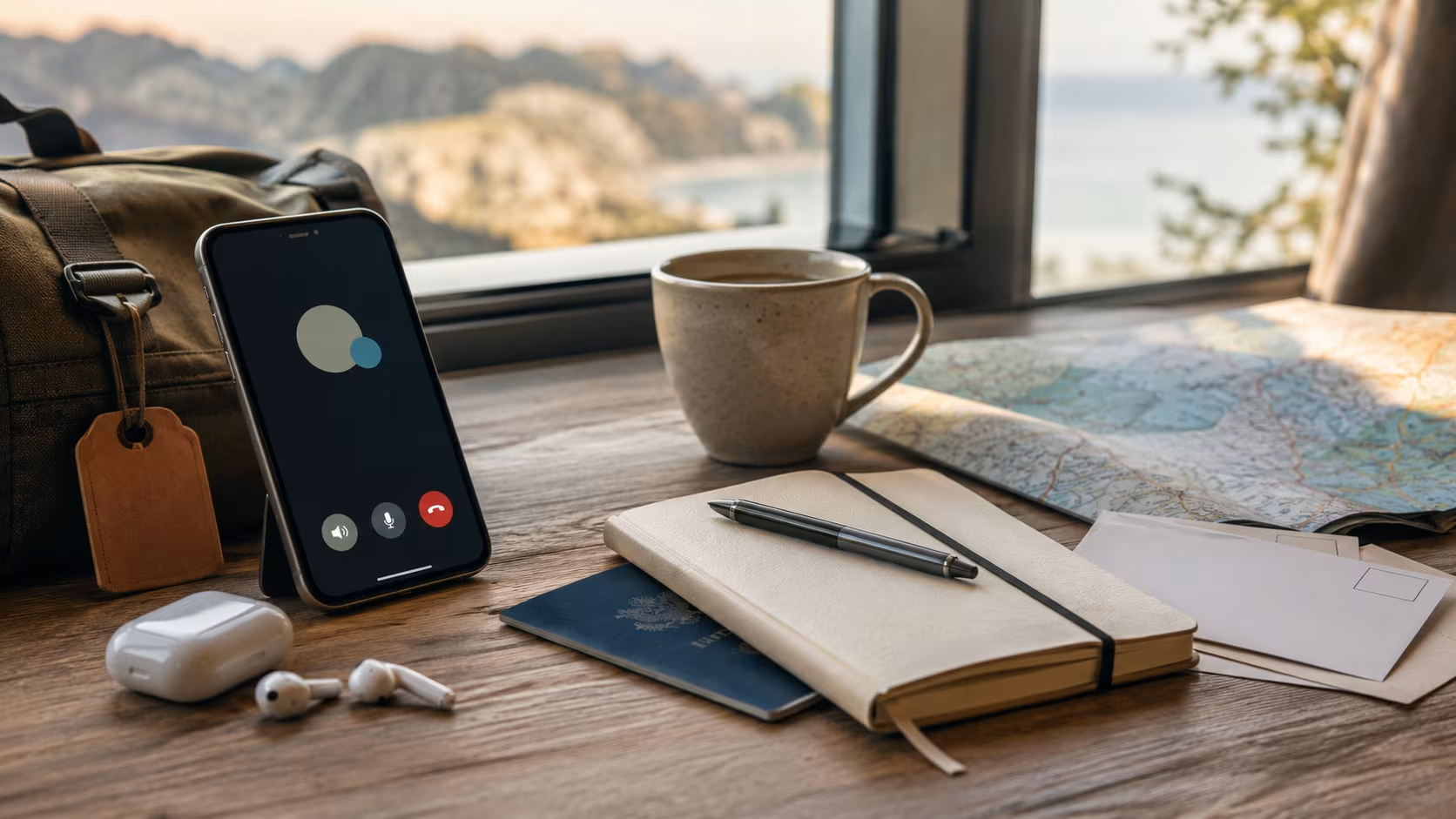
Long-term travel — sabbaticals, digital nomadism, gap years, extended adventures — produces a real challenge most travelers underestimate: maintaining the relationships at home you'll return to. The travelers who get this right come home to intact friendships + supportive networks. The travelers who don't return to find friends moved on without them, social circles realigned, and a slow re-entry that feels lonelier than the trip.
This is a 2026 field guide for travelers planning trips of 3+ months who want to stay connected to home + arrive home to communities still ready to receive them.
Why Friendships Drift on Long Trips
The mechanics that erode home friendships:
Time-Zone Friction
A 9-hour time zone shift means real-time communication windows shrink. The friends you used to text constantly become friends you communicate with only at specific narrow times.
Disrupted Rituals
Friendships often run on regular rhythms — weekly drinks, monthly dinners, daily texts. Long travel disrupts all these patterns.
Information Asymmetry
You're in Bali; they're at the same office, same gym, same routine. Your stories diverge. Conversations require explanation that wasn't needed before.
Limited Daily Availability
You're tired from sightseeing or working from a different schedule; they're in standard daily routines. The intersection of available windows shrinks.
Social Replacement
New friendships at the destination start filling the daily emotional needs your home friends used to fill.
Identity Shifts
You're changing — new experiences, new perspectives, new interests. Your home friends are still in the previous version of you.
Categories of Home Friendships

Not all friendships need the same maintenance:
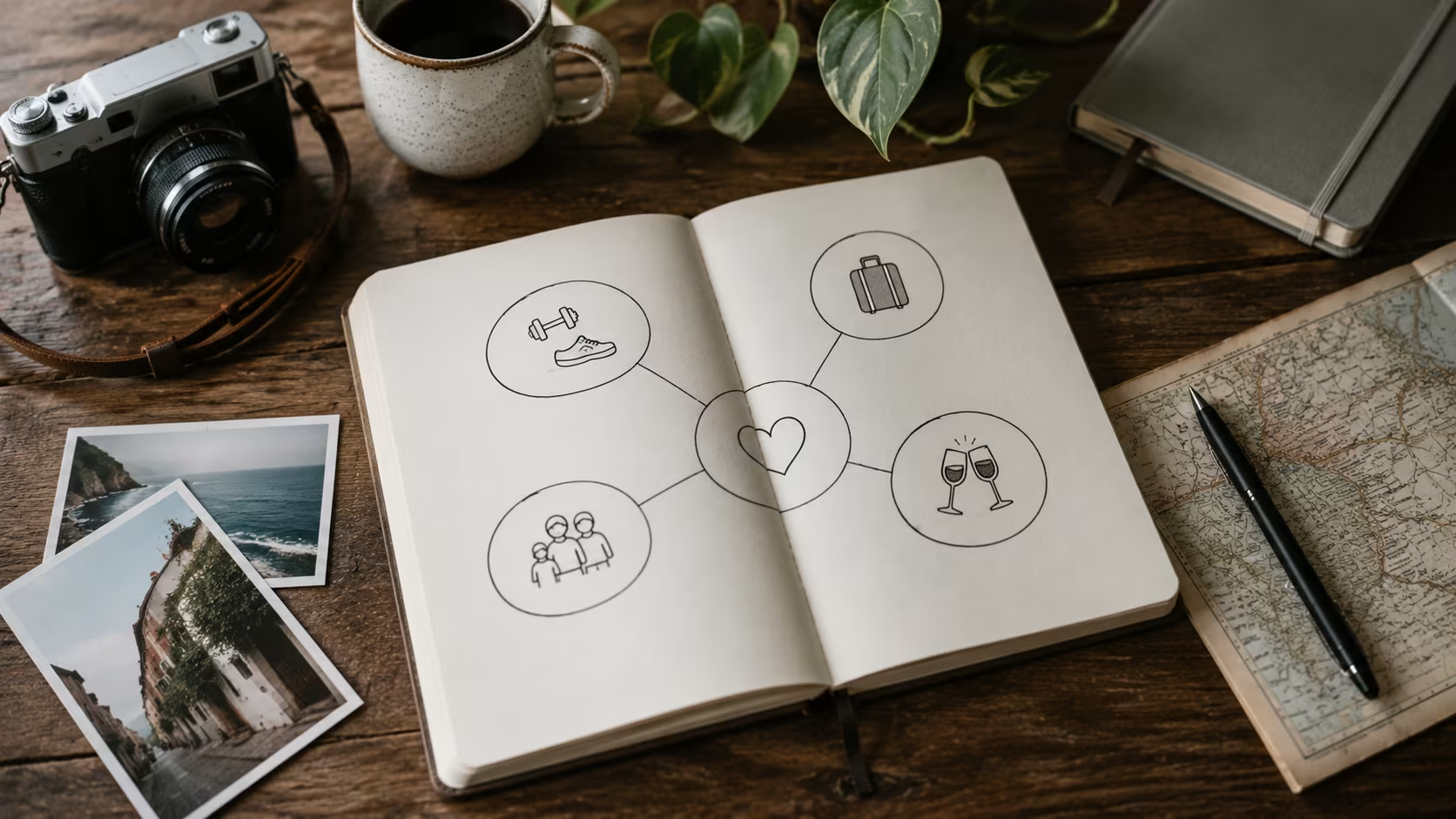
Inner Circle (3-5 people)
Very close friends + immediate family. These need the most maintenance + can survive the most disruption.
Strategies:
- Weekly video calls (mandatory, scheduled).
- Daily message (even brief — "thinking of you").
- Voice messages when scheduling fails.
- Specific topics shared (their kids, their work, their challenges).
Middle Circle (10-15 people)
Close friends. These can survive 3-6 months of reduced contact but can drift longer.
Strategies:
- Bi-weekly check-ins via text or short calls.
- Group chats with friend clusters.
- Sharing significant moments (not just travel photos).
- Birthday + holiday acknowledgment.
Outer Circle (20-50 people)
Friendships you maintain casually. These can drift on long trips with minimal damage.
Strategies:
- Periodic group updates (monthly newsletter-style).
- Social media as primary connection.
- Quick replies when they reach out.
- Plan to reconnect when you return.
Acquaintances + Network Connections
Weak ties — colleagues, neighbors, occasional friends. Generally survive long absences.
Strategies:
- Social media presence.
- Returning emails + messages.
- Reconnect intentionally when you return.
Communication Strategies
Scheduling Across Time Zones
Use tools to make the math easier:
- World Time Buddy (worldtimebuddy.com) for visual time-zone overlap.
- Calendly for scheduling video calls across multiple time zones.
- Calendar apps showing both home time + your local time.
Specific tactics:
- Set fixed weekly call times with closest friends.
- Voice messages when synchronous isn't possible.
- Async-first communication (WhatsApp, Telegram, Voxer).
- Long-form letters (email or physical) for deeper sharing.
Communication Cadence
For inner circle:
- Weekly video call OR daily message.
- Voice messages when calls don't work.
For middle circle:
- Bi-weekly check-ins.
- Monthly video calls if possible.
- Group chat participation.
For outer circle:
- Monthly group updates.
- Birthday acknowledgment.
- Social media engagement.
Quality Over Quantity
A 30-minute meaningful video call once a week beats 5-minute small-talk daily. The depth of the connection matters more than the frequency.
Specific Conversation Tactics
- Ask about their life before sharing yours. Shows you're not just performing your trip.
- Listen actively — they had a bad week; the trip can wait.
- Reference shared history. Past memories anchor the friendship.
- Plan future together-time. Specific dinners or trips after return.
- Acknowledge their challenges. Job stress, relationship issues, family changes.
What to Avoid

Excessive Trip Posting
The constant Instagram of beautiful sunsets + amazing meals + interesting cultural experiences becomes wearing for friends not on the trip. They feel:
- Excluded.
- Inadequate (their lives feel boring by comparison).
- Disconnected from your reality.
Tactic: post less than you might. Save the depth for individual conversations.
Forgetting Their Lives
If you only talk about your trip, friends feel like supporting cast in your show. Listen + ask + remember details.
Out-of-Touch Crisis Response
When friends face crises (job loss, illness, breakup, death of family), being absent is painful. Make extra effort during their crisis times.
One-Way Communication
If you only message when you want to share, friendships drift. Reach out when you have nothing specific to share.
Comparing Trip Lives
"You should leave that job + travel like me" sounds like preaching. Don't do this even subtly.
Specific Practical Tools
Communication Apps
- WhatsApp — global standard; voice + video + text.
- Telegram — similar; some prefer.
- Signal — privacy-focused.
- Voxer — voice-message-focused.
- Marco Polo — video-message-focused.
- FaceTime (Apple ecosystem).
- Google Duo / Meet.
- Zoom for scheduled video calls.
Group Communication
- WhatsApp groups for friend clusters.
- Discord for community-style.
- Slack for pre-existing group chats.
- Group video calls (Zoom, FaceTime, etc.).
Asynchronous Sharing
- Substack for newsletter-style updates.
- Email lists for monthly trip newsletters.
- Private Instagram for trusted-circle photo sharing.
- Physical postcards (slow but distinctive).
Building Trip-Travel Communication Rhythms
Weekly Rituals
For inner circle:
- Sunday night video call (works across most time zones).
- Friday morning catch-up (cross-continent friendly).
- Monthly long-form share via voice memo or email.
Group Communication
- Monthly friend-group video call (whoever shows up).
- Quarterly group photo updates.
- Birthday-month video calls.
Holidays + Special Days
- Birthday acknowledgments mandatory.
- Major holidays with specific friends.
- Anniversary remembrances (death, divorce, etc.).
Maintaining Friendship Health While Away
Be Present When You're Communicating
- Phone-down during video calls.
- No multitasking.
- Eye contact during video.
- Genuine engagement rather than performative listening.
Show Genuine Interest
- Remember their kids' names.
- Ask follow-ups about their work.
- Track their relationships.
- Be specific in your inquiries.
Send Specific Reminders That You Care
- Birthday flowers delivered locally.
- Specific articles that remind you of them.
- Local items sent home as gifts.
- Voice messages about specific shared memories.
What to Do When Returning Home
Re-Entry Planning
The re-entry phase is where many travelers lose the friendships they thought they'd maintained.
Schedule Reconnection
- Dinner with each inner-circle friend in first month back.
- Group dinner with friend cluster within 2-3 weeks.
- One-on-one time with each close friend.
- Don't try to do everything at once.
Listen Before Sharing
Upon return, friends are excited to hear about your travel. Resist the temptation to lead with your stories. Ask about their lives first; share yours when invited.
Re-Establish Rituals
- Weekly drinks if that was the pattern.
- Monthly dinners if that was the pattern.
- Specific shared activities (gym, book club, etc.).
Acknowledge Time Apart
- "I missed you while I was gone."
- "What's been happening here?"
- "I want to catch up properly."
Be Patient With Friction
Some friendships take 6+ months to fully reset after long absence. Don't force it; allow time.
Specific Common Patterns
The Friend Who Disappears
Some friends pull back after you announce a long trip. They feel left behind. Strategies:
- Address it directly. "I notice we haven't talked much. Can I share what's happening with me + hear what's happening with you?"
- Be flexible about reconnection format.
- Give time. Sometimes the dynamic shifts permanently; that's natural.
The Friend Who Becomes Too Demanding
Some friends struggle with you being away + want disproportionate communication. Strategies:
- Set realistic expectations about your availability.
- Don't apologize repeatedly for being away.
- Find rhythm that works for both.
The Friend Who Wants to Visit
- Genuinely welcome in some cases.
- Be honest about your travel pace + their fit.
- Plan their visit to a single city; not multi-city.
- Build their visit into your schedule.
The Friend in Crisis
- Make extra effort during their crisis.
- Phone calls rather than text when possible.
- Show up even from afar.
- Adjust your trip if needed.
Solo Travelers + Friendship Maintenance
Solo travelers face additional challenges:
Isolation
Long solo trips can produce real loneliness. Friendships at home become more important.
No 'Travel Companion' Buffer
No partner to share immediate experiences with. Friends at home become the audience.
Mental Health
Solo travelers more vulnerable to homesickness + depression on long trips. Maintain friend connections deliberately.
Couples + Friendship Maintenance
Couples face different challenges:
Friends-as-Couples
If your friends primarily socialized as couples, your absence affects two relationships at once.
Sharing Communication Load
Partner can take some communication burden. "You text Sarah; I'll catch up with Mike."
Friends Who Were Closer to One Partner
Maintain those individually rather than as a couple.
Family vs. Friends
Family Maintenance
- Parents typically need more contact than friends.
- Adult siblings vary by relationship.
- Extended family mostly survives long absences.
Specific Family Tactics
- Weekly call with parents.
- Sibling group chat.
- Major holiday acknowledgments.
- Health updates if applicable.
Aging Parents + Long Travel
For travelers with aging parents:
- Daily check-ins (text or quick call).
- Health monitoring via family network.
- Backup plan if emergency requires return.
- Regular detailed updates to siblings.
Long-Distance Specific Romantic Relationships
If in a relationship + traveling solo for extended period:
Communication
- Daily contact (varies by relationship).
- Scheduled video calls (regular intervals).
- Visual sharing of trip experiences.
Maintain Intimacy
- Personal sharing beyond logistics.
- Shared experiences through media (watching same movie + discussing).
- Voice messages for emotional warmth.
Address Friction
- Time-zone struggles.
- Different daily lives.
- Visit visits built into the trip.
Returning Home: The Reverse Culture Shock
What's Hard
- Friends who didn't change while you did.
- Lifestyles that feel different.
- Conversations that feel mundane.
- Pace of life that feels constraining.
Strategies
- Don't compare home to travel in conversations.
- Don't preach about how different things should be.
- Be patient with your own re-adjustment.
- Plan future trips + maintain travel-friend network simultaneously.
Specific Tools + Apps
Calendar Coordination
- Calendly for scheduling.
- World Time Buddy for time-zone visualization.
- Time Zone Converter for quick math.
Photo Sharing
- Google Photos with shared albums.
- Apple Photos shared albums.
- Cluster for private sharing.
- Instagram Close Friends for trusted-only.
Video Calls
- FaceTime (Apple).
- Google Meet.
- Zoom.
- WhatsApp video.
- Signal video.
Asynchronous Updates
- Substack for newsletter.
- Beehiiv newer alternative.
- Email still works for serious updates.
Common Mistakes
- Over-posting trip content.
- Under-engaging with friends' lives.
- One-sided communication (only when you want to share).
- Skipping difficult conversations (friends in crisis).
- Ignoring time-zone math.
- Not maintaining inner-circle weekly contact.
- Drifting from group dynamics.
- Not planning re-entry.
- Trying to maintain everything + maintaining nothing.
- Comparing home to travel.
- Becoming the 'travel friend.'
When Friendships Don't Survive
Some friendships drift permanently during long travel. This is sometimes:
- Natural. Some friendships were context-dependent (the office friend, the gym friend).
- Sad but real. Both you + they have changed.
- An indicator of how the friendship was structured.
Not every loss reflects failure. Some friendships were meant for a season.
Final Notes
Long travel doesn't destroy friendships automatically. It tests them + reveals which were structured for distance + which weren't.
The single best advice maintain weekly contact with your 3-5 closest friends throughout any long trip. The 30-minute Sunday call (or equivalent) is the rhythm that prevents drift. Everything else is secondary.
The second-best listen first. Friends at home are excited to share their lives with you upon return, but they're also tired of being the audience for travel stories. Reverse the dynamic. Ask about their year. Listen genuinely. The friendships that survive are mutual.
The quietest piece of advice be honest with yourself about what you've changed. Long travel often reveals friendships that didn't have the depth you thought, while strengthening others you might not have valued enough. Some people you thought you'd miss don't matter as much; others you thought were peripheral become essential. The discoveries are real. Honor them by adjusting your relationships rather than pretending nothing changed.


0 Comments
No comments yet — start the conversation.
Your name, email address and comment are processed to publish and reply to the comment; your email address is never published. Details: Privacy Notice.