

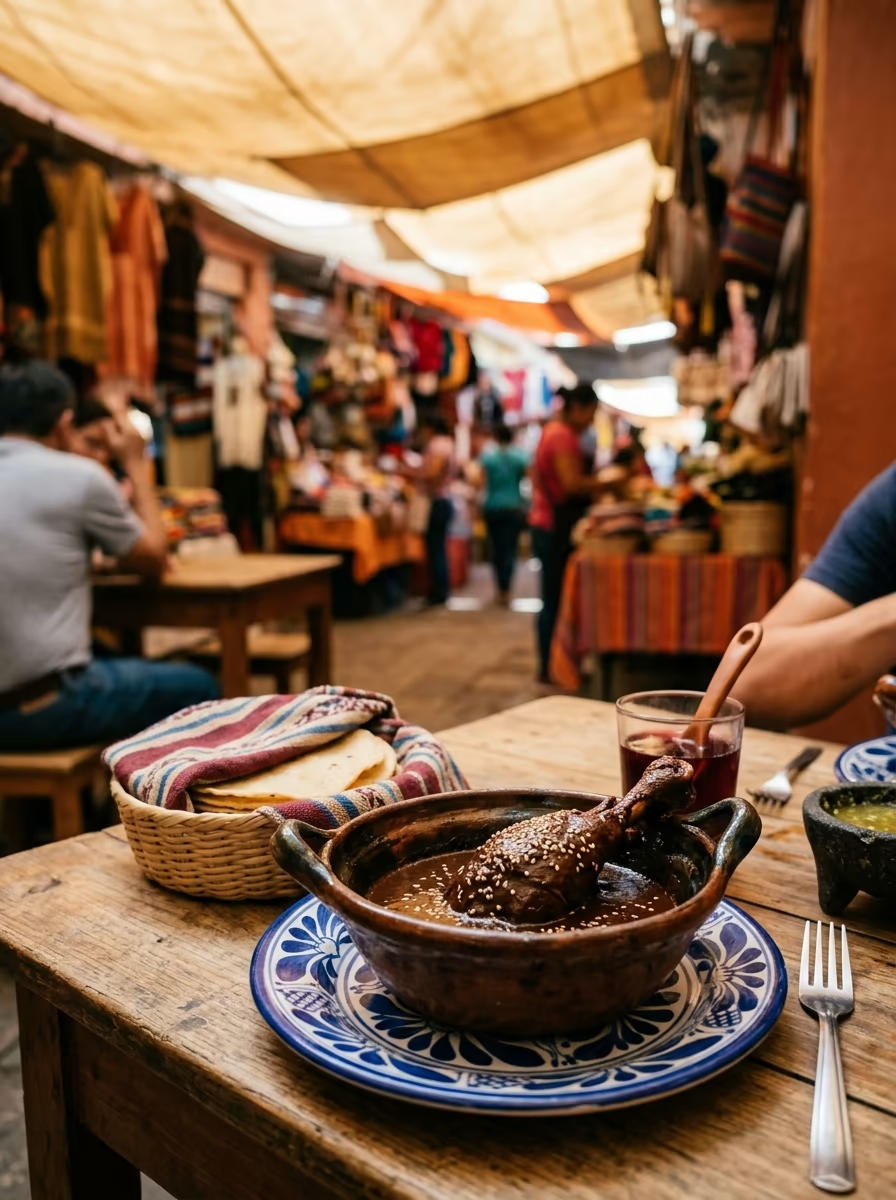
The flight from Mexico City descends over the Sierra Norte mountains in the late afternoon, the peaks close enough that the wings seem to clear them by an implausible margin, and lands on a runway that ends at the edge of the city. The taxi into the centro histórico takes ten minutes and costs around 120 pesos (about $6), and by the time you step onto the zócalo at dusk, the cathedral is lit, the city band is playing something that sounds like it's from a 1940s melodrama, and the vendors of tlayudas and chapulines (toasted grasshoppers, try them) are already setting up for the evening. I came for five days in 2022, I stayed seven, and I still think about the mole negro.
Oaxaca has become more widely known in the past decade as the food travel conversation has expanded beyond Europe, and the city has acquired the inconveniences that come with that recognition: a tourist restaurant scene on the main streets that doesn't reflect the city's actual culinary depth, an accommodation market that has priced out some local residents in the historical center. These are real problems that the city is navigating with varying success. They don't diminish what Oaxaca actually is: a colonial city of 300,000 at 1,500m altitude, with an indigenous cultural tradition (Zapotec and Mixtec, primarily) that has survived colonialism, revolution, and the tourism economy and is still actively producing art, food, textile traditions, and music that have no direct analog in the rest of Mexico.
Oaxaca as a food system, not a restaurant list
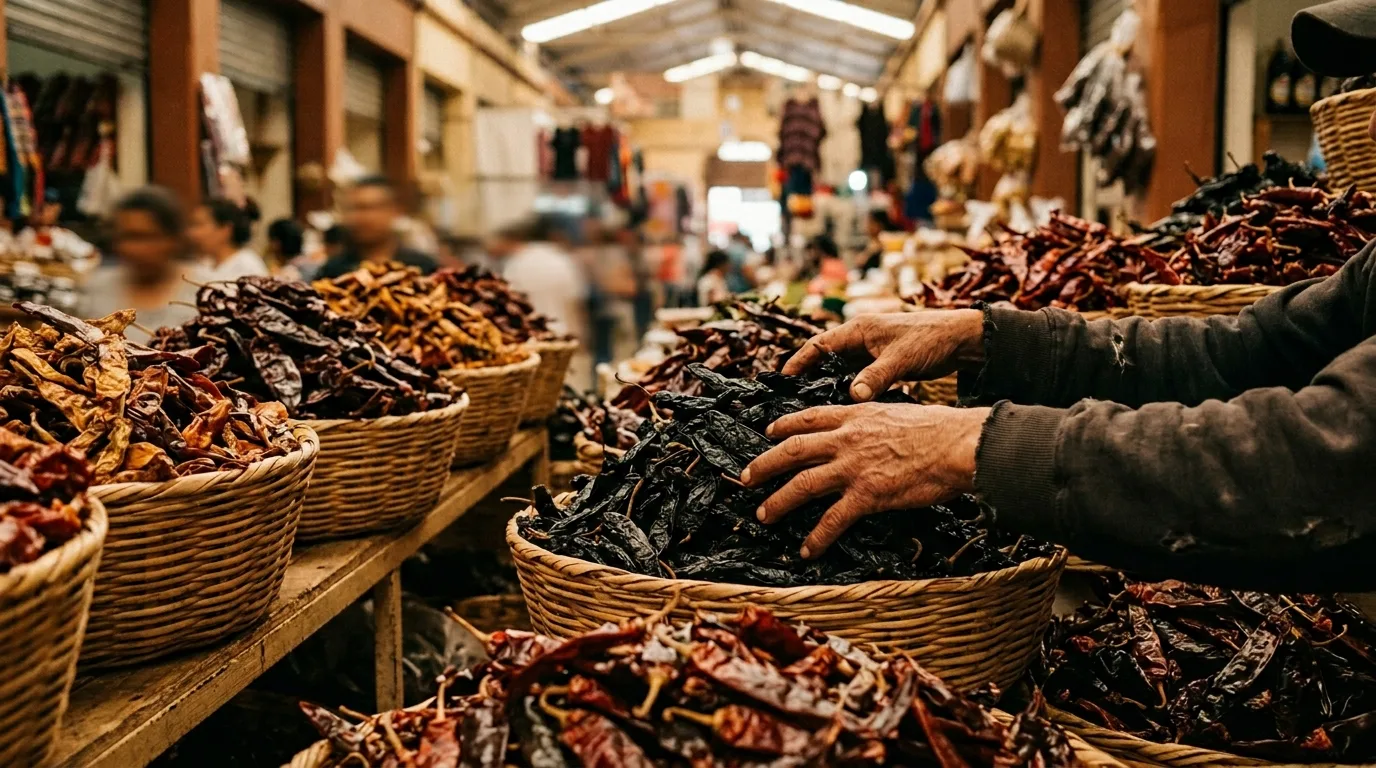
Oaxaca works for the traveler who is specifically interested in food as a cultural system rather than a list of restaurants. The mole negro that appears on the menus of Oaxacan restaurants takes approximately three days to make (approximately 30 ingredients, including dried chilhuacle negro chiles, turkey broth, avocado leaf, and Oaxacan chocolate) and exists in a tradition that is both pre-Columbian and continuously evolving. Understanding that one dish, following it from the dried chiles at the Mercado Benito Juárez to the finished sauce at a family comedor, produces a comprehension of the culture that three days of museum visits does not.
The same logic applies to mezcal, to the black clay ceramics of San Bartolo Coyotepec, to the textile traditions of Teotitlán del Valle. Each of these practices has visible roots that you can visit (the mezcal palenques in the Central Valleys, the weaving workshops in Teotitlán) and living practitioners who will explain what they're doing if you show genuine interest.
Oaxaca is less well-suited to travelers who want beach access (the coast at Puerto Escondido is 5–6 hours by bus over difficult roads, occasionally closed by landslides (it's a separate trip), those who want nightlife beyond the mezcal bar scene, or those who need to operate entirely in English (the city is more bilingual than it used to be but much of the interesting restaurant and market activity is in Spanish).
Five days: markets, mezcal and Monte Albán
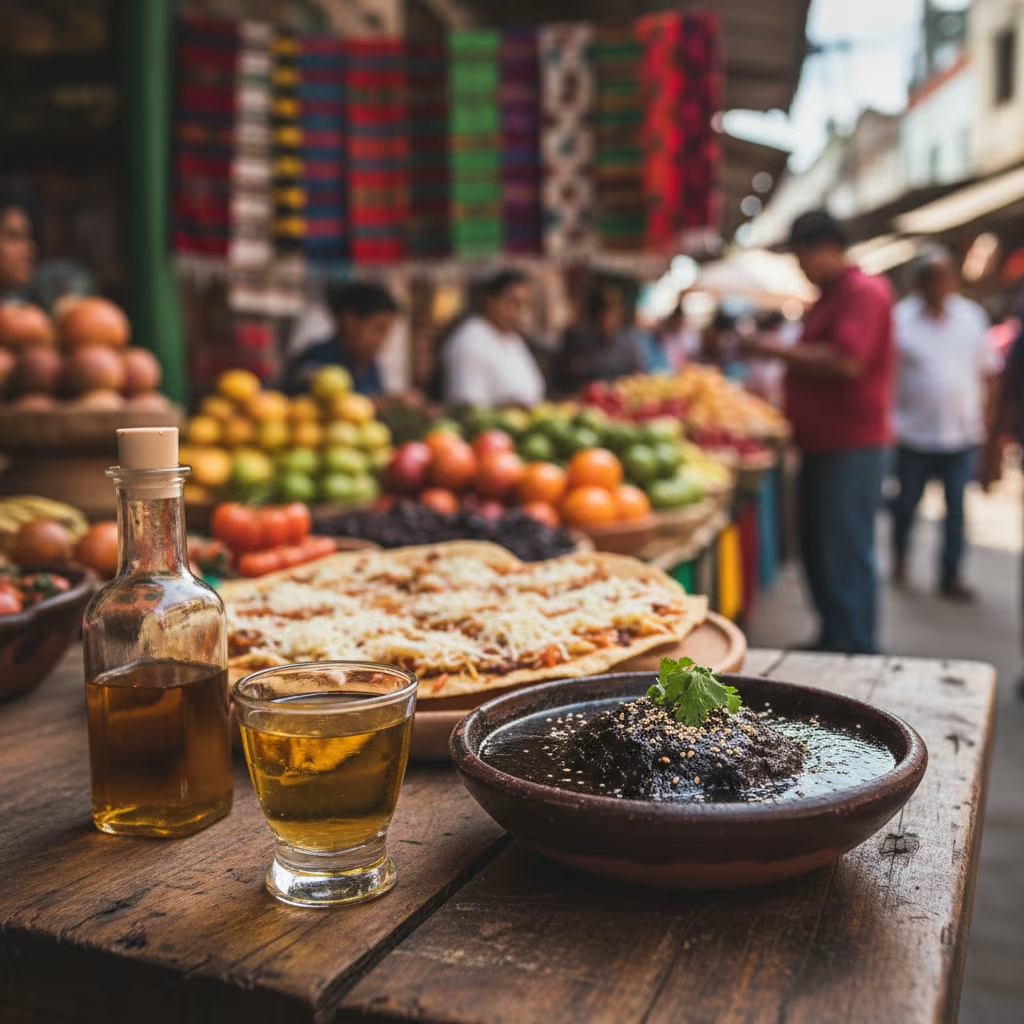
Day 1 The zócalo, the Mercado Benito Juárez, and a mezcal education. Morning at the zócalo (the main plaza, flanked by the cathedral and the colonial arcades of the Palacio de Gobierno) and the adjacent Macedonio Alcalá pedestrian street for orientation. Then the Mercado Benito Juárez, the principal covered market, organized by category, and the most important shopping and eating destination in the city. Find the chile section (dozens of varieties, dried and fresh) and the cheese vendors (quesillo, the stringy Oaxacan cheese, and the harder queso añejo). Lunch at one of the market comedores: communal tables serving mole negro, estofado, and enfrijoladas for 50–80 pesos ($2.50–4). Afternoon at In Situ Mezcal on Alcalá Street, a mezcal bar with an educational approach, where you can taste through different agave species and production methods with context from knowledgeable staff. This is not required before drinking mezcal; it makes the rest of the trip's mezcal better.
Day 2 San Bartolo Coyotepec and Monte Albán. Morning at the Zapotec archaeological site of Monte Albán, 10km from the city center, the hilltop capital of the Zapotec civilization from roughly 500 BCE to 700 CE. The urban plan, the ball court, and the view across the four valleys from the main plaza are extraordinary even by the standards of pre-Columbian sites in Mexico. Allow three hours. After lunch, drive (or take a colectivo) 12km south to San Bartolo Coyotepec, the village famous for barro negro, black clay pottery fired in a distinctive technique that produces the shiny surface characteristic of Oaxacan ceramics. Visit the workshop of the Doña Rosa family or one of the other artisan cooperatives. Buy something if you can carry it.
Day 3 Teotitlán del Valle and a mezcal palenque. Teotitlán del Valle, 25km east of Oaxaca, is the center of the Zapotec wool weaving tradition: the rugs and tapestries made here use pre-Columbian geometric designs and natural dyes (cochineal for red, indigo for blue, marigold for yellow). Visit the Tlamanalli family workshop or the Mendoza Ruiz family; both welcome visitors and explain the process without sales pressure. Then continue 10km further to a mezcal palenque (distillery) in the Santiago Matatlán area: the area produces more mezcal than anywhere else on earth. El Silencio or Real Minero offer formal tours; many smaller family operations will pour you mole and mezcal at a picnic table if you arrive with genuine interest.
Day 4 The Mercado de Abastos and a cooking class. The Mercado de Abastos is the enormous wholesale and retail market on the western edge of the city, vastly larger than the Benito Juárez market, serving the entire region, and operating on a different scale of intensity. Go early (7–8 AM) and walk without a specific agenda. The chile variety alone (40+ types, fresh and dried, arrayed in quantities that make the tourist markets look like decorations) is worth the taxi fare. Afternoon cooking class with a local cook (Los Pacos or the Seasons of My Heart cooking school both offer well-regarded classes) focusing on mole or tamales, the active understanding of what goes into the food you've been eating.
Day 5 Hierve el Agua and a slow final evening. Hierve el Agua is a petrified waterfall 70km east of Oaxaca: mineral springs that have built up calcium deposits over thousands of years into the shape of a frozen waterfall. The pools at the top are swimmable and the view over the valley is one of the best in the region. Get there by colectivo from second-class bus terminal (about 2 hours), arrive before 10 AM before the tour groups. Return by mid-afternoon. Final evening at Mezcalería In Situ or Cuish (both on Alcalá or adjacent streets), then dinner at Origen, the restaurant of chef Rodolfo Castellanos: contemporary Oaxacan cuisine, €35–45/person, the best tasting menu in the city.
Centro Histórico and the quieter edges
Centro Histórico
The most convenient base. The Casa Oaxaca El Restaurante is both a restaurant and a boutique hotel: 7 rooms, rooftop terrace, €120–160/night, one of the best hotels in the city. The Camino Real Oaxaca (a converted 16th-century convent) is the prestige option at €180–250/night. Mid-range: Quinta Real Oaxaca at €80–110/night, well-located on 5 de Mayo.
Budget Options
Numerous family-run guesthouses and small hotels in the center run €25–40/night for a private room. The Hostal del Llano on Pino Suárez is a reliable option at €18–25/night for private rooms.
Airbnb / Apartment
For stays of five nights or more, renting an apartment in the Jalatlaco neighborhood (east of center, quieter and residential) runs €50–80/night and provides kitchen access for self-catering.
Flights from Mexico City, and the overnight bus
Flights to Oaxaca International Airport (OAX) from Mexico City (45-minute flight, Aeromexico/Volaris, multiple daily) are the primary entry. From the US, direct flights operate from Los Angeles, Dallas, and Houston. The overnight ADO bus from Mexico City (7 hours, €18–25 first class) is a comfortable alternative if you're already in Mexico.
Within Oaxaca the centro is walkable in under 30 minutes corner to corner. Taxis are cheap (50–120 pesos for most city trips) and abundant. Colectivos (shared minibuses) run to most Central Valley destinations for 10–20 pesos. Rent a scooter or hire a driver for the Hierve el Agua and mezcal palenque trip; the roads in the Central Valleys are comfortable on a scooter and the freedom is worth the extra cost.
Cash is important in Oaxaca markets and smaller restaurants are largely cash-only. There are ATMs in the centro but they sometimes have queues and daily withdrawal limits. Bring pesos from Mexico City.
October to May, and Día de los Muertos
October to May
The dry season, with October–November and March–May being the sweet spots for weather (22–27°C, clear skies). The Día de los Muertos celebrations (October 31–November 2) are extraordinary and increasingly tourist-attended, so book accommodation months ahead for that window.
December to January
The busiest tourist period (Christmas, New Year, Día de Reyes). Accommodation prices at their highest; the city is festive but crowded.
June to September
The wet season: afternoon rains most days, sometimes heavy. The landscape is brilliantly green, the crowds thinner, prices lower. Not a bad time to visit if you plan your days around the morning markets and accept the afternoon weather.
Oaxaca questions, answered
Is Oaxaca safe?
The state of Oaxaca has regions with serious security issues (the Isthmus of Tehuantepec, some coastal areas) that are not relevant to the city itself. Oaxaca city proper is generally safe for tourists, with normal urban precautions applicable. Check your government's current travel advisory for regional specifics and don't apply state-level warnings to city-level travel planning.
Do I need to speak Spanish?
For the fullest experience, yes: Spanish opens the market comedores, the mezcal palenques, and the artisan workshops that don't have English-speaking staff. For a comfortable tourist experience using the established restaurant and hotel infrastructure, English is increasingly functional. A basic conversational level of Spanish will make the trip significantly more interesting.
What should I bring from Oaxaca?
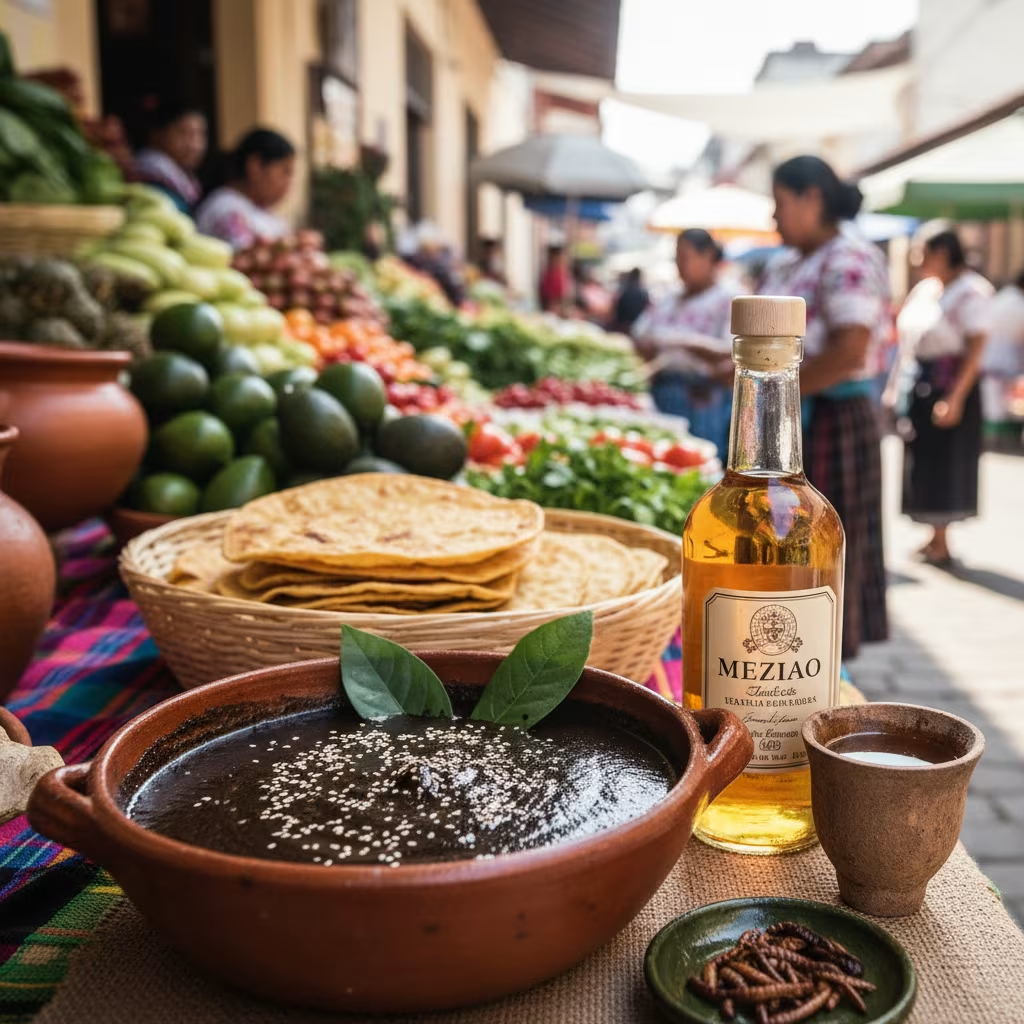
Mezcal (in checked baggage, well-wrapped; Tosba, Vago, and Los Nahuales are widely available small producers worth seeking), black clay ceramics from San Bartolo Coyotepec (wrap extremely carefully or ship), Teotitlán del Valle wool rugs (the sellers will wrap and compress remarkably small), and dried chiles from the Benito Juárez market in vacuum-sealed bags.
How do I distinguish good mezcal from tourist-grade product?
A few markers: artisanal mezcal is labeled with the specific agave variety (espadín is the most common; tobalá, tepeztate, and cuishe are rarer and more expensive). Look for small-batch production (less than 500–1000 liters), the distiller's name on the label, and production by traditional clay pot or copper pot distillation. The price: genuinely artisanal mezcal costs €15–30+ per bottle at source.
Oaxaca in numbers:
| Item | Figure |
|---|---|
| Airport taxi to centro | ~120 pesos (≈$6), 10 minutes |
| Market comedor lunch | 50–80 pesos ($2.50–4) |
| Mole negro | ~3 days to make, ~30 ingredients |
| City | 300,000 people at 1,500 m |
| Monte Albán | 10 km out; Zapotec capital from ~500 BCE |
0 Comments
No comments yet — start the conversation.