

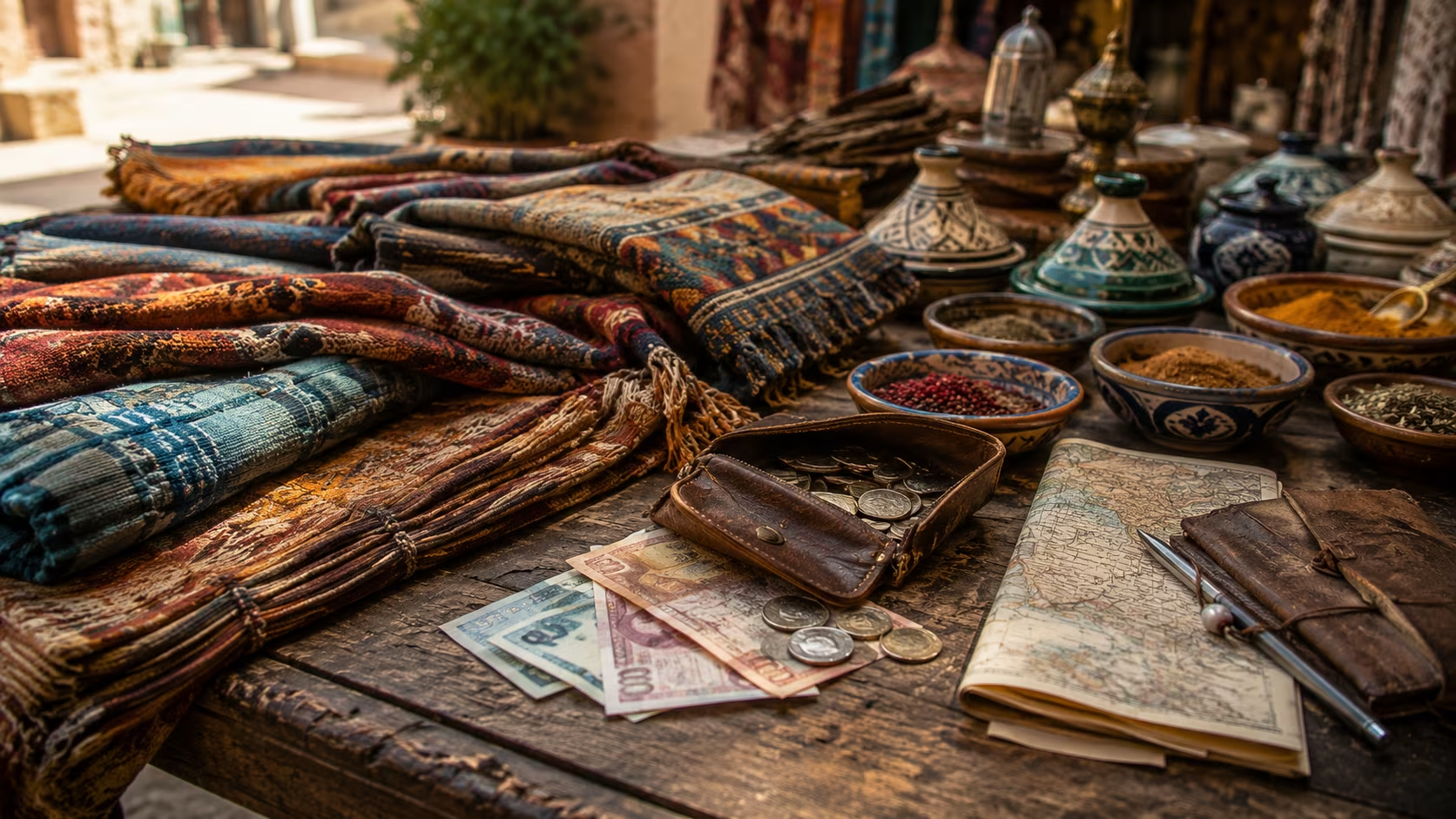
Negotiating at markets is the cultural ritual that defines tourism in many parts of the world — and the friction point that wrecks visits when handled badly. The traveler who negotiates skillfully gets fair prices + cultural participation. The traveler who refuses to negotiate pays double or triple. The traveler who negotiates aggressively becomes the obnoxious tourist that locals talk about.
This is a 2026 field guide for negotiating at markets — when it's expected, when it's insulting, the techniques that work, and the cultural context behind it all.
Where Negotiation Is Expected
Markets where bargaining is the cultural norm:
Middle East + North Africa
- Marrakech souks (Morocco).
- Cairo bazaars (Egypt).
- Istanbul Grand Bazaar + Spice Bazaar (Turkey).
- Damascus Old City (Syria, when conditions permit).
- Most North African markets.
First quotes typically 3-4× what locals would pay.
Asia
- Vietnamese markets (Hanoi Old Quarter, Saigon's Bến Thành).
- Thai markets (Chatuchak in Bangkok, night markets in Chiang Mai).
- Cambodian markets (Siem Reap night markets).
- Indonesian markets (Bali traditional markets, Java).
- Indian bazaars (everywhere except premium boutiques).
- Nepali markets (Kathmandu, Pokhara).
First quotes typically 2-4× local prices.
Latin America
- Mexican markets (mercados in Oaxaca, Mexico City).
- Peruvian markets (Cusco, Lima working markets).
- Bolivian markets.
- Guatemalan markets.
First quotes typically 2-3× local prices.
Sub-Saharan Africa
- Kenyan markets.
- South African townships.
- Senegalese markets.
Some Eastern European Markets
- Some Romanian + Bulgarian markets (selectively).
- Russian flea markets (when accessible).
Where Negotiation Is Limited or Inappropriate
Western European Markets
Generally fixed-price:
- Most German Christmas markets.
- French markets (food + flea markets — slight negotiation; not aggressive).
- Italian markets (food + flea — limited negotiation).
- British markets (mostly fixed prices).
- Most northern European markets.
East Asian Markets
Varying by country:
- Japan: prices fixed; negotiation often considered impolite.
- South Korea: prices fixed in most contexts.
- Singapore: fixed prices.
- Taiwan: mostly fixed; some night-market exceptions.
- Hong Kong: depends; tourist markets may negotiate.
- China (mainland): depends heavily on market type + region.
Modern Retail Generally
- Department stores worldwide.
- Branded boutiques.
- Tourist shops with marked prices.
- Modern shopping malls.
The Cultural Context
Why Negotiation Exists
- Pricing flexibility for local economies.
- Cultural ritual of social interaction.
- Profit margins built into starting price.
- Tourist subsidization of local shoppers (in some markets).
- Relationship-building between shopkeeper + customer.
What Vendors Actually Want
- Sale at acceptable price. Both vendor + buyer should feel okay.
- Reputation maintenance in tight market communities.
- Repeat business when possible.
- Avoiding conflict (loud arguments hurt the vendor's business).
What Tourists Often Don't Realize
- Negotiation is expected, not optional. Refusing to negotiate is itself a faux pas.
- Walking away is normal. It's part of the dance.
- First quotes are starting points, not actual prices.
- Local prices matter; ask locals what something should cost.
Universal Negotiation Framework
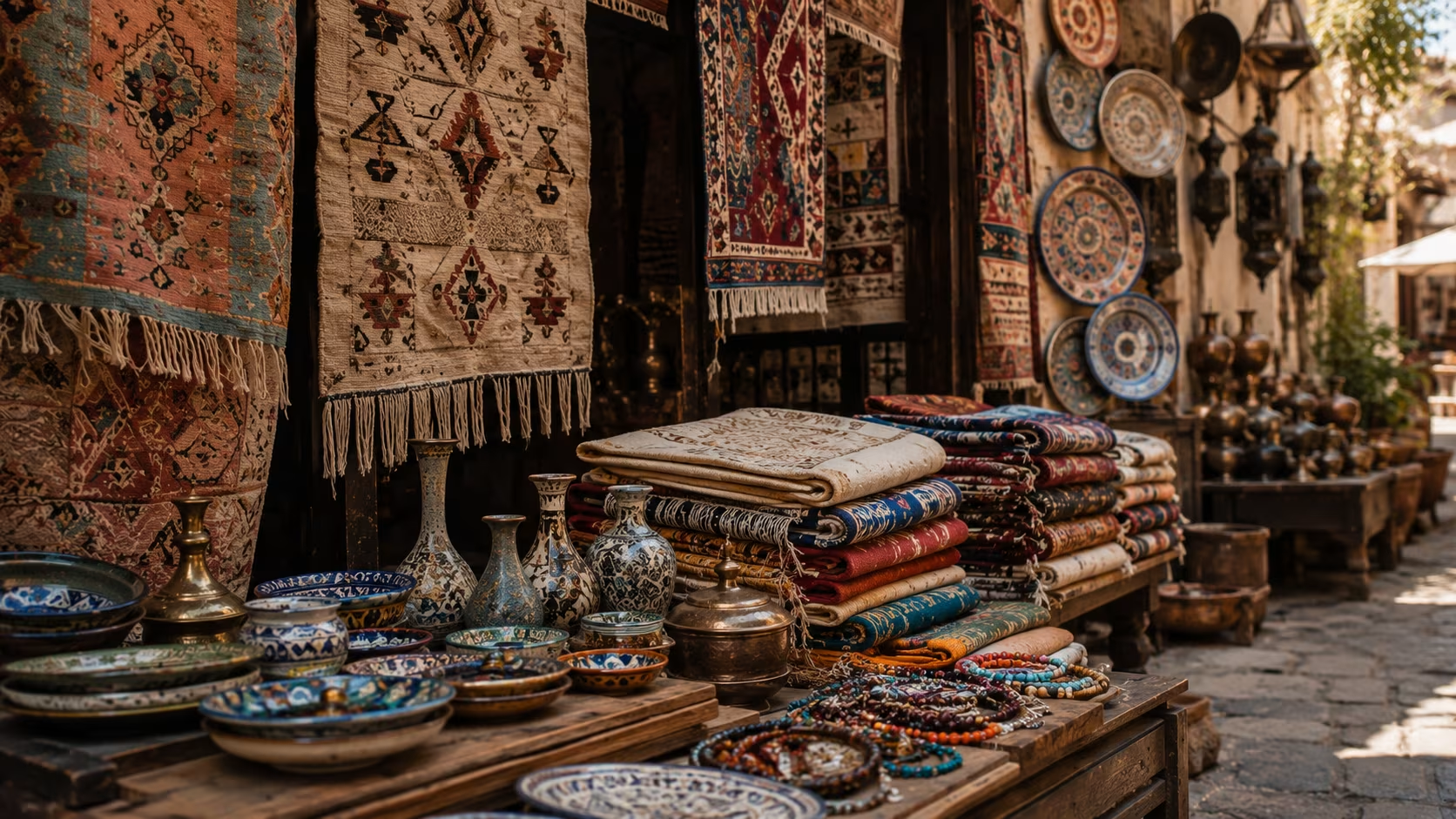
Step 1: Establish Local Price Range
Before entering a market:
- Ask hotel staff what reasonable prices are.
- Talk to local guides about typical costs.
- Look for similar items at multiple stalls before buying.
- Online research for the specific item type.
This gives you a sense of what the item is actually worth.
Step 2: Express Genuine Interest
Don't ignore items. Look + appreciate. Ask questions:
- "What's the story behind this?"
- "How is this made?"
- "What's it used for?"
This builds rapport + signals you're a real buyer.
Step 3: Ask the Price
"How much?" or local equivalent.
React to the first quote with surprise (genuine, not theatrical):
- "That seems high."
- "Really?"
- "Oh."
Do not laugh, scoff, or roll eyes. Negotiate respectfully.
Step 4: Counter-Offer
Start at 25-40% of asking price. Most negotiations settle at 50-60% of original quote.
Example at Marrakech souk:
- Asking: 800 dirhams.
- Your counter: 200-300 dirhams.
- Settle: ~400-500 dirhams.
Step 5: Negotiate Slowly
Go back and forth. Each round get closer. Don't rush.
Step 6: Walk Away if Needed
If the vendor won't move from their price + you're not happy:
- Politely decline. "Maybe another time."
- Walk away slowly.
Most vendors will counter-call you back if they really want the sale.
Step 7: Settle Honorably
When agreed:
- Pay promptly.
- Express genuine appreciation.
- Leave on good terms even if you didn't buy.
Specific Country Tactics
Marrakech / Morocco
- Aggressive bargaining culture. Expected.
- Offer 25-30% of asking.
- Multiple-vendor walks for same item.
- Walk-away technique very effective.
- Tea tradition: shopkeeper offers mint tea during negotiation. Accept; doesn't obligate purchase.
- Final settlement usually 40-55% of original asking.
Egypt (Cairo + Luxor + Aswan)
- Even more aggressive than Morocco. First quotes can be 5-6× local price.
- Counter at 15-25% of asking.
- Strong walk-away response.
- Multiple visits to the same market produce better prices.
Turkey (Grand Bazaar)
- Sophisticated bargaining culture. Vendors are professional; you should be too.
- First quote 2-3× local price.
- Counter at 30-40%.
- Tea + conversation part of process.
- Walk-away effective.
- Settlement typically 50-65% of asking.
Vietnam (Bến Thành Market, Hanoi Old Quarter)
- First quote 2-3× local price.
- Counter at 40-50% of asking.
- Settlement typically 60-70%.
- Polite + smiling approach.
- Walk-away works but vendors less likely to chase.
Thailand (Chatuchak, night markets)
- Less aggressive than Vietnamese.
- First quote 1.5-2.5× local price.
- Counter at 50-60%.
- Settlement typically 70-80%.
- Smile-based negotiation; Thai culture values calm.
Indonesia (Bali markets)
- Friendly + slow bargaining.
- First quote 2-3× local price.
- Counter at 40-50%.
- Settlement typically 60-70%.
- Hospitality during negotiation.
India (markets across the country)
- Aggressive bargaining everywhere.
- First quote 3-5× local price in tourist areas.
- Counter at 20-30%.
- Walk-away common.
- Multiple tea breaks during long negotiations.
- Settlement typically 30-45% of asking.
Mexico (mercados)
- Moderate bargaining.
- First quote 1.5-2.5× local price.
- Counter at 50-60%.
- Spanish helpful for fair prices.
- Settlement typically 60-75%.
Peru (Cusco markets)
- Moderate bargaining.
- First quote 2-3× local price.
- Counter at 40-50%.
- Spanish + Quechua greetings appreciated.
- Settlement typically 60-70%.
Specific Item Types
Textiles + Carpets
Highest-margin items. Negotiate aggressively:
- First quote typically 3-5× local price.
- Counter at 20-30%.
- Settlement at 40-55% of asking.
Leather Goods
- Variable margins.
- Quality varies dramatically.
- Verify authenticity (real leather vs. plastic-coated).
- First quote 2-4× local price.
- Counter at 30-40%.
Spices + Foods
- Lower margins typically.
- Fresh spices at local markets cheaper than tourist shops.
- First quote 1.5-3× local price.
- Counter at 50-60%.
- Settlement at 70-80%.
Souvenirs + Trinkets
- Highest margins in tourist markets.
- Nearly identical items at multiple stalls — go to multiple before buying.
- First quote 3-6× local price.
- Counter at 20-30%.
- Settlement at 30-45%.
Premium Items (Carpets, Antiques)
- Different rules. Genuine antique carpet has actual value.
- Research before buying.
- Negotiation is real but the item has real worth.
- Settle at fair value based on research.
Jewelry + Precious Items
- High margins on gold + silver.
- Genuine gemstones rare in markets.
- Verify authenticity.
- Significant negotiation but understand the item.
What Not to Do
Don't Be Rude
- No insulting offers. 5% of asking is rude.
- No mocking the price. Even bad first offers deserve respect.
- No raised voice.
- No theatrical eye-rolling.
Don't Negotiate If You Won't Buy
- Asking price for entertainment is rude.
- Going through the full negotiation + leaving is wastefully time-consuming for vendor.
- Quick price-check is fine; full bargaining without intent is not.
Don't Show Off Money
- Don't flash large bills.
- Carry small amounts of cash.
- Pay slightly more than agreed price comfortably (showing your wealth invites overcharging).
Don't Negotiate Multiple Times
Once you've agreed + paid, don't keep trying for better prices on identical items at the same stall later. Reputation matters.
Don't Argue Over Pennies
For minor amounts (5-15% of total), don't keep grinding. The vendor's time + their family's livelihood matters more than another $1 saved.
Don't Ignore Quality
The cheaper item is often poorer quality. Sometimes paying 80% of asking gets you genuine; the 30% counter-offer item is plastic.
Don't Show Up at Closing
Vendors sometimes get desperate at closing for sales; sometimes get stubborn after long days. Mid-day negotiation is best.
Specific Tactics That Work
The 'Multiple Items' Discount
For 2-3 items at same stall:
- Combined discount typically 10-25% better than individual prices.
- Vendor more flexible for larger sale.
- Vendor more likely to throw in extras (free small item).
The 'Cash + No Receipt' Discount
Often 5-10% additional discount for cash.
The 'Local Friend' Connection
If you've shown up with a local friend or guide, prices generally start lower.
The Walk-Away Test
Vendor calls you back? Their final price was negotiable. Vendor doesn't call back? Their final price was real.
The 'Price Comparison' Tactic
"That same item is X dirhams at the next stall over." Effective if true; risky if you're lying (vendors talk).
The 'Specific Reason' Tactic
"I'm a student / I'm a teacher / I'm a journalist." Sometimes works for sympathy discount.
The Time-Pressure Tactic
For genuinely time-pressured shopping (last day of trip), let vendor know. "I'm flying home tomorrow." Some vendors give better prices for guaranteed sale.
Cultural Sensitivity
Greeting + Politeness
- Greet vendor in local language ("Sabah al-khair," "Konnichiwa," "Sawaddee," "Hola," etc.).
- Smile.
- Make eye contact.
- Show interest in items.
- Ask about origin.
Don't Rush
Market negotiation is social ritual, not commerce. The 30 minutes you spend with one vendor is part of the cultural experience, not lost time.
Tea + Refreshments
In Middle Eastern + North African markets, vendors offer tea or coffee:
- Accept. Refusing is mildly rude.
- Doesn't obligate purchase.
- Conversation happens during tea.
Religious + Cultural Awareness
- Modest dress at markets in conservative countries.
- Don't shop during prayer times in Muslim countries (vendors may stop).
- Don't photograph vendors without permission.
- Respect cultural norms.
When You're Being Cheated
Recognizable Tactics
- First quote 5-6× normal: common in tourist-heavy markets.
- 'Special tourist price' explanation: lie; locals don't pay 'normal' prices.
- 'My family made this' story: sometimes true; often used to justify higher prices.
- 'This is genuine antique' claims: verify before believing.
- 'Best price for you' constant repeats: doesn't make it the best price.
Tactics for Pushback
- Show comparable item at lower price.
- Direct walk-away.
- Ask for receipt (legitimate vendors provide; many tourist scams don't).
- Refuse to be rushed.
Specific Markets Worth Visiting
Famous Markets to Experience
- Marrakech Jemaa el-Fnaa + souks.
- Istanbul Grand Bazaar.
- Cairo Khan el-Khalili.
- Bangkok Chatuchak.
- Hanoi Old Quarter markets.
- Mexico City Mercado de la Merced.
- Peruvian Cusco San Pedro Market.
- Indian bazaars (Delhi Chandni Chowk, Mumbai Crawford Market).
Specific Day Visits Worth Planning
- Sunday Tlacolula market in Oaxaca region (Mexico).
- Sunday Pisac market in Sacred Valley (Peru).
- Saturday Telouet market (Atlas Mountains, Morocco).
- Sunday Bali traditional markets.
- Saturday Tijuca regional market (outside Rio).
Common Mistakes
- Believing the first quote is the real price.
- Refusing to negotiate in countries where it's expected.
- Negotiating aggressively in countries where it's not.
- Walking away too quickly before vendor can counter.
- Walking away too slowly when negotiating fails.
- Showing too much enthusiasm for specific items (raises starting price).
- Showing too little interest (vendor doesn't engage).
- Counter-offering insulting low prices.
- Settling for poor quality to get a low price.
- Buying first item you see without comparison.
- Carrying large bills that suggest wealth.
- Negotiating in front of other tourists who are listening (vendors compete to win the larger sale).
- Not respecting cultural protocols.
When Bargaining Damages the Experience
Bargaining is part of the cultural experience in negotiation cultures. But sometimes it crosses into damaging:
When You're the Annoying Tourist
- Hours of negotiation for a $5 item.
- Multiple vendor visits for same item without buying.
- Loud arguments with vendors.
- Public displays of haggling theatrics.
When You're Being Exploitative
- Pushing for prices below actual cost to vendor.
- Using cultural ignorance as leverage.
- Refusing to leave fair tips on already-low prices.
- Treating bargaining as adversarial sport.
Signs You're Going Too Far
- Vendors visibly upset.
- Other vendors watching disapprovingly.
- Other tourists looking embarrassed for you.
- You feel triumphant after closing the deal (it's a transaction, not a victory).
Final Notes
Market negotiation is one of travel's distinctive cultural experiences. Done well, it produces fair prices + cultural participation. Done badly, it produces stress + bad reputation + sometimes overpaying despite efforts.
The single best advice research what items should cost before bargaining. Without a baseline, you can't negotiate effectively. Ask locals; check online; observe what others are paying.
The second-best be respectful. Your time + your wallet matter, but so do the vendor's. Bargaining is a social interaction, not just commerce. The vendors who get the best prices from you are the ones who treat you well; the same logic should apply in reverse.
The quietest piece of advice pay slightly more than your perfect bargain. The 5-10% you save by grinding the last round often comes at the cost of the relationship. Sometimes the right price is the one where both parties feel okay about the deal — not the rock-bottom price where you 'won.' The traveler who pays a slightly higher fair price + leaves the vendor on good terms has the better cultural experience than the one who saved $2 + left bad feelings.


0 Comments
No comments yet — start the conversation.
Your name, email address and comment are processed to publish and reply to the comment; your email address is never published. Details: Privacy Notice.