

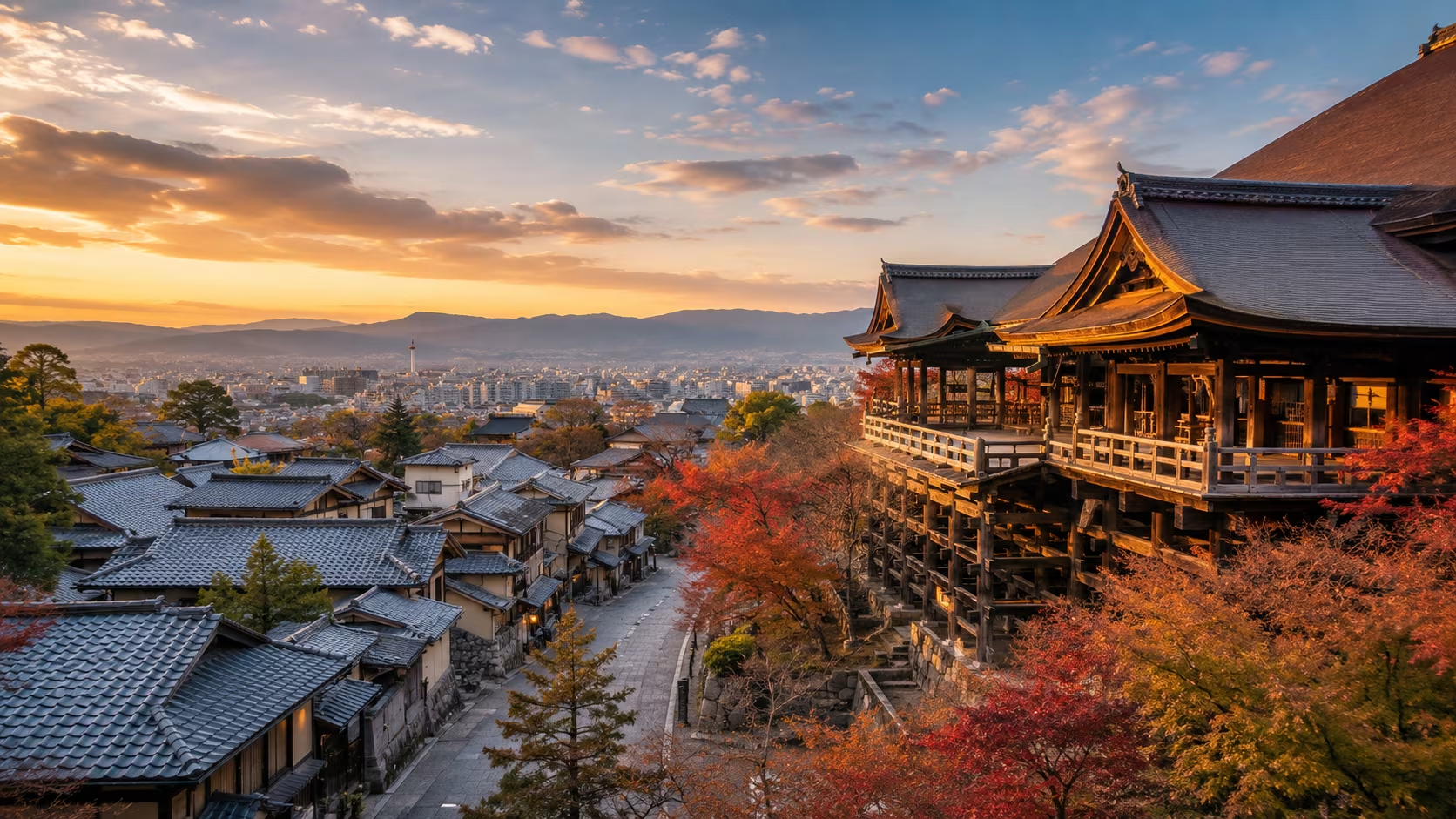
Kyoto was the imperial capital of Japan for 1,074 years (794–1868). The city has more UNESCO World Heritage sites than almost anywhere else in Japan — the Kiyomizu-dera temple complex, Kinkaku-ji (the Golden Pavilion), Ginkaku-ji (the Silver Pavilion), Fushimi Inari Shrine, the Imperial Palace, and 12 others. The 2026 city is the fragile balance between living tradition (where geisha still walk to engagements in the Gion district) and tourist crush (where Kiyomizu-dera at peak hour sees 30,000+ visitors).
For first-time visitors, the trade-off is real. The famous temples are crowded; the famous gardens are overphotographed. But the texture of the city — the small wooden machiya houses, the canals, the seasonal flowering trees, the slow ritual of a tea ceremony — rewards travelers who slow down and visit beyond the headline sites. Kyoto isn't a checklist destination. It's a city to walk slowly through over multiple days.
This is a 4-day guide for first-time visitors who want both the headline sites and the calmer Kyoto that locals see daily.
Quick Facts
| Item | Detail |
|---|---|
| Country | Japan |
| Currency | Japanese yen (¥), ~150 ¥/USD in 2026 |
| Language | Japanese; English signage at major sights |
| Time zone | JST (UTC+9, no DST) |
| Tourist tax | ¥200/night accommodation tax in Kyoto |
| Best time | Late March–early April (sakura), late October–November (autumn colors) |
| Visa | Visa-free for most countries 90 days |
| Trip length | 3–4 days |
When to Go
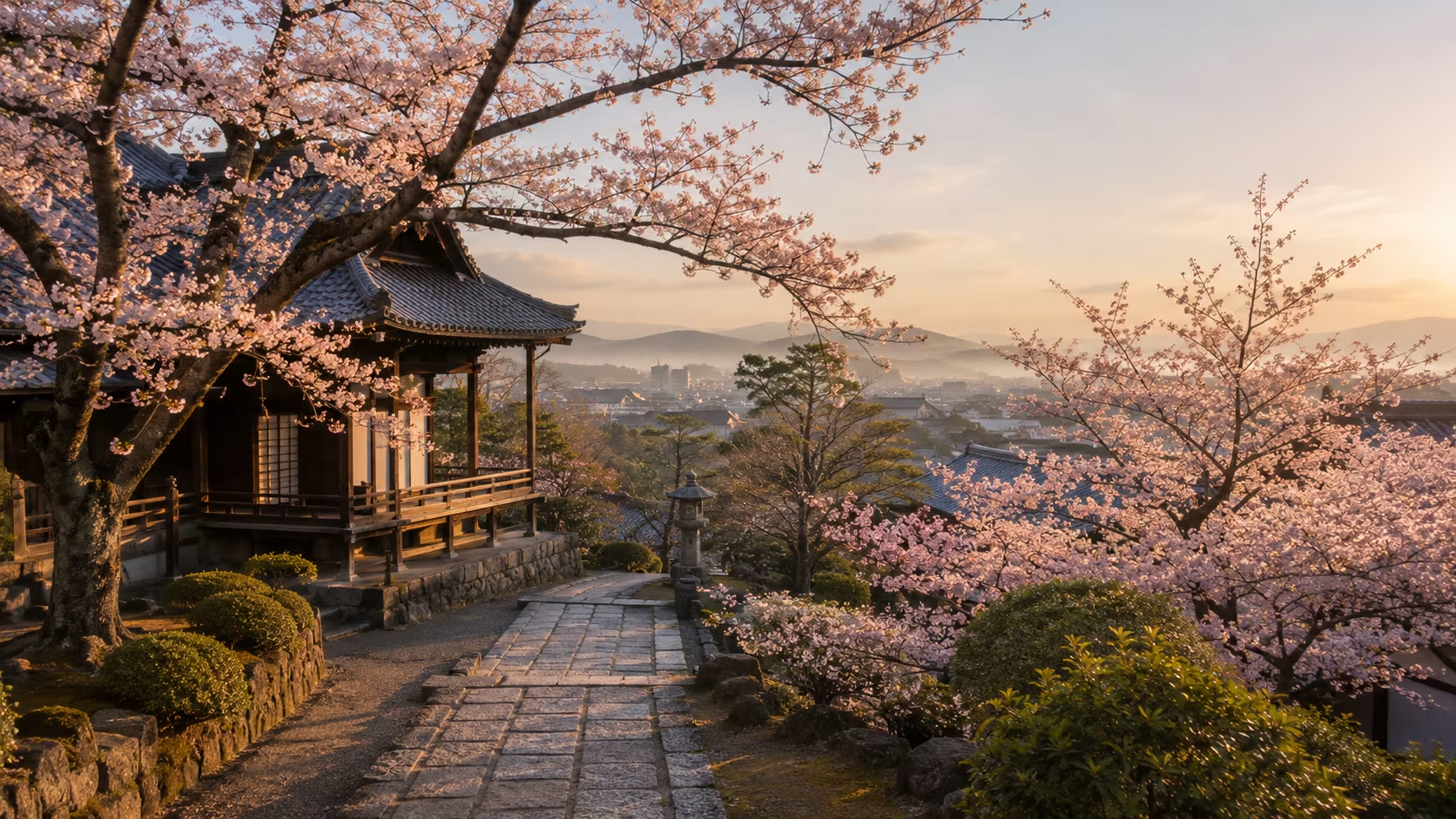
Late March to early April (sakura). Cherry blossoms peak around April 1-10. Weather mild (10-18°C). The city is genuinely beautiful + genuinely crowded. Hotel prices triple.
Mid-October to mid-November (koyo). Autumn colors peak. Weather perfect (12-20°C). Crowds heavy but manageable. The temple gardens look their best in November.
May. Pleasant; less crowded than sakura. Greenery + flowers.
June. Tsuyu (rainy season) until mid-July. Skip unless you want hydrangea season.
July to August. Hot (32-36°C+) and humid. Sweat through every shirt. Gion Matsuri festival mid-July is one of Japan's biggest festivals.
Winter (December–February). Cold but dry. The city in light snow is striking and uncrowded. Late January-February has rare snowy temple photographs.
Avoid:
- Sakura week (early April) without booking far in advance.
- Golden Week (April 29–May 5) for crowded transit.
- Tsuyu (mid-June to mid-July) for constant rain.
Getting In
Kansai International Airport (KIX). 90 km southwest. The international gateway for Kyoto.
From KIX:
- Haruka Express: ¥3,640, 75 min to Kyoto Station. The default.
- Limousine bus: ¥2,800, 90 min.
- Taxi: ¥30,000+ (skip).
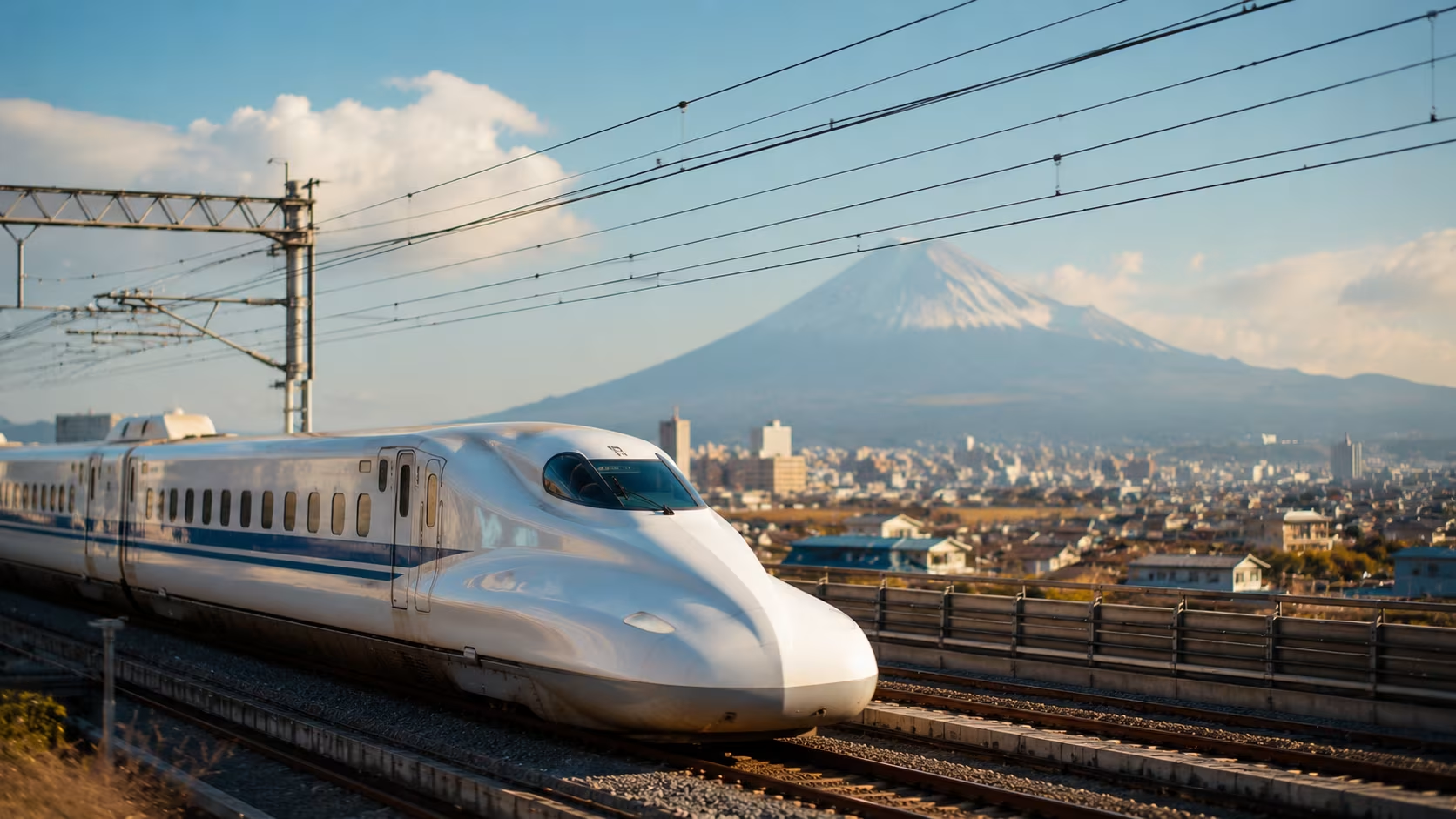
Kyoto is also a major Shinkansen station. Trains from Tokyo: 2h 15m by Nozomi. Osaka: 15 min by local. Hiroshima: 1h 40m. Tokyo to Kyoto: ¥13,500 one-way reserved seat.
Getting Around
Bus
Kyoto's bus network is essential for many temple visits. Kyoto City Bus Day Pass ¥700 covers most routes. Tap any contactless IC card (Suica, Pasmo, ICOCA) or Apple Pay for individual rides.
Subway
Two lines (Karasuma + Tozai). Limited; the bus + walking is more useful for most temple visits.
Taxis
Reliable. ¥600-700 base. Most central trips: ¥1,000-2,500. Useful for late-night transit when buses stop.
Walking + Bicycle
Central Kyoto is walkable. Bike rental for ¥1,000-2,000/day at hostels and rental shops. Genuinely useful for visiting multiple temples in one neighborhood.
Train (JR + Keihan + Hankyu)
Useful for traveling between Kyoto + Osaka + Nara. Same IC cards.
Where to Stay
Kyoto's neighborhoods feel different from each other.
Kawaramachi / Gion
The central tourist core. Walking distance to most major sights. Premium hotels.
Higashiyama (East Side)
Near Kiyomizu-dera + traditional teahouses. The most atmospheric old-Kyoto neighborhood. Boutique ryokans + machiya rentals.
Around Kyoto Station
Convenient for transit. Less character. Mid-range to higher-end chain hotels.
Karasuma / Shijo (Central Business District)
Business district. Walking distance to several major sights. Mid-range hotels.
Arashiyama (West Side)
Near the bamboo grove + Tenryū-ji. Quieter than central Kyoto. Boutique ryokans.
Ryokan vs. Hotel
A traditional ryokan (Japanese inn) experience is one of Kyoto's signature draws. Most ryokans include kaiseki dinner + breakfast. Tatami floors; futon bedding; communal baths (some private). Tier ranges from mid-range (¥18,000-30,000/night) to luxury (¥80,000-200,000/night).
For first-timers: stay 1-2 nights at a ryokan; 2-3 nights at a hotel for flexibility.
Realistic 2026 nightly prices (USD equivalent):
| Type | Mid-range | Higher-end |
|---|---|---|
| Hotel central | $180-300 | $400-1,000 |
| Boutique machiya rental | $200-380 | $500-1,500 |
| Ryokan | $250-500 | $800-2,500 |
What to Book in Advance
Kinkaku-ji (Golden Pavilion)
¥500. Walk-up. Allow 60 minutes. Crowds peak 10:00-15:00; arrive at opening 09:00 for fewer crowds.
Fushimi Inari Shrine
The famous orange torii gates. Free. 24 hours; arrive 06:30-07:00 to walk the gates without crowds. Allow 90 minutes (full hike) or 30 minutes (lower gates only).
Kiyomizu-dera
¥500. Walk-up but extremely crowded mid-day. Arrive at opening (06:00) for the calm version.
Tenryū-ji + Bamboo Grove
In Arashiyama (Western Kyoto). ¥800. Walk-up. Bamboo grove is free. Arrive 07:00-08:00 for the bamboo grove without tourists.
Ginkaku-ji (Silver Pavilion)
¥500. Walk-up.
Ryōan-ji (Rock Garden)
The famous Zen rock garden. ¥600.
Imperial Palace Tour
Free, but register at the Imperial Household Agency office beforehand (or apply online).
Geisha Performance
The annual Miyako Odori (April) and Kamogawa Odori (May–June) traditional dance performances by maiko (apprentice geisha). Books months ahead.
Tea Ceremony Experience
Many operators offer tea ceremony classes for tourists (¥3,000-8,000). Book 1-2 days ahead.
Day 1 — Eastern Kyoto (Higashiyama)
06:30. Coffee or tea at hotel.
07:00. Fushimi Inari Shrine. Take JR Nara Line to Inari station (5 min from Kyoto Station). Walk the famous orange torii gates while the shrine is mostly empty. The full uphill loop takes 2 hours; the iconic photographs are in the first 200 meters. By 09:00 the crowds arrive; you're already ahead. Allow 90 minutes.
09:00. Train back. Coffee at a Higashiyama café.
10:00. Kiyomizu-dera. ¥500. Allow 60 minutes. Arrive earlier (08:00 for least crowds).
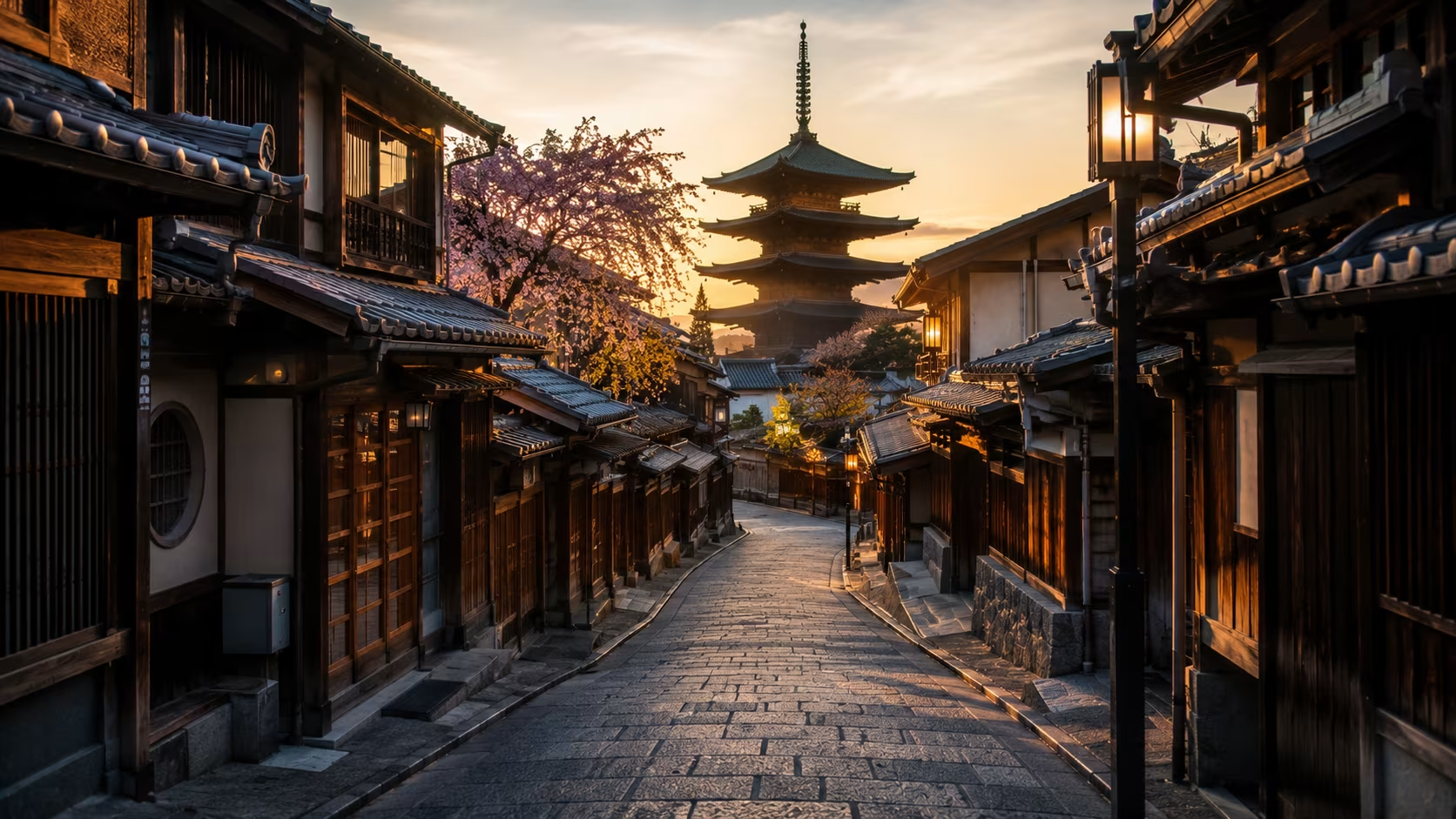
11:30. Walk down through Sannenzaka + Ninenzaka (the two traditional pedestrian streets with restored machiya houses, sake shops, and pottery stalls).
12:30. Lunch in Higashiyama. Hisago for udon. Yagenbori for traditional. Hakubotan for kaiseki.
14:00. Yasaka Shrine (free) + Maruyama Park (the famous cherry-blossom park). Walk through.
15:30. Gion district walking. The traditional teahouses (ochaya), the narrow lanes (Hanami-koji), the wooden facades. Maiko spotting (the apprentice geisha) sometimes 17:30-18:30 walking between engagements — be respectful, don't block their path, no flash photography.
18:00. Aperitivo. Bar K (cocktails). Pontocho Alley (the lantern-lit street along the Kamogawa River).
19:30. Dinner. Ryōan-ji Yudofu Senryo Shiro for tofu kaiseki. Manzara for modern Japanese. Mishima-tei (since 1873, sukiyaki institution).
Day 2 — Northern + Western Temples
08:00. Coffee.
09:00. Kinkaku-ji (Golden Pavilion). ¥500. Allow 60 minutes.
10:30. Ryōan-ji (the rock garden temple). ¥600. The 15-stone Zen garden is the most famous in Japan. Allow 60 minutes including the surrounding gardens.
11:30. Walk to Ninna-ji (UNESCO temple complex, ¥500) or skip to lunch.
13:00. Lunch in northwest Kyoto. Ono Beef Restaurant for wagyu. Café Bibliotic Hello for casual.
14:30. Saga-Arashiyama district. Train (JR Sagano Line) from Nijō Station to Saga-Arashiyama (15 min, ¥240).
15:00. Tenryū-ji (UNESCO Zen temple with one of Japan's most important gardens). ¥800. Walk through to the Bamboo Grove (free). Allow 2 hours combined.
17:00. Iwatayama Monkey Park (¥600). 20-min uphill hike to wild macaques + Kyoto panoramic view. Skip if heavy hiking isn't your thing.
18:30. Walk Arashiyama village. Riverside cafés.
20:00. Dinner in Arashiyama or back in central Kyoto. Saga Tofu Ine for yudofu (boiled tofu, the area's specialty). Nishiki Warai for casual.
Day 3 — Central Kyoto + Imperial Palace
09:30. Coffee.
10:30. Imperial Palace (free, register in advance). The 1855 reconstruction of the imperial residence (the original burned multiple times). 60-minute guided tour in English. Allow 90 minutes.
12:00. Walk through Imperial Park (free, the surrounding park-like grounds).
12:30. Lunch in central Kyoto. Nishiki Market (the historic 400-meter food market alley). Multiple stalls; eat lunch as you walk. Or:
14:00. Nijo Castle (UNESCO; the Tokugawa shoguns' Kyoto residence). ¥1,000. The famous "nightingale floors" (which squeak audibly when walked on, designed as security). Allow 90 minutes.
16:00. Tea ceremony experience (booked). Allow 60 minutes.
18:00. Walk along the Kamogawa River at sunset. Locals walking, biking, sitting on the riverbanks.
19:30. Dinner in central Kyoto. Hitsumabushi Bincho (special unagi). Kikunoi Honten (Michelin three-star kaiseki — books 1-3 months ahead, ~¥40,000-80,000 per person). Issen Yoshoku for casual.
Day 4 — Choose: Nara, Osaka, or Slow Day
Path A — Nara Day Trip
45 km south. Train: 45 min (¥630). The historic 8th-century capital before Kyoto.
09:00. Train to Nara.
10:00. Tōdai-ji (UNESCO temple with the Daibutsu — one of the world's largest bronze Buddha statues). ¥800. Allow 90 minutes.
12:00. Walk Nara Park (the famous deer park; 1,200+ wild sika deer, treated as sacred messengers of the gods).
13:00. Lunch in Nara.
14:30. Kasuga Taisha Shrine (UNESCO) walking through the lantern-lined paths.
16:00. Train back to Kyoto.
Path B — Osaka Day Trip
40 km south. Train: 30 min by Hankyu (¥420).
09:30. Train to Osaka.
11:00. Osaka Castle (¥600). Walk through. Allow 90 minutes.
13:00. Dōtonbori for Osaka street food + the famous Glico running man sign.
15:00. Shinsekai for the retro working-class atmosphere + kushikatsu (skewers).
17:30. Train back to Kyoto.
Path C — Slow Kyoto Day
Morning at a small temple: Tofuku-ji (autumn colors particularly), Honen-in (small + hidden), Genkō-an (the famous "window of enlightenment").
Lunch at a casual café.
Afternoon at Philosopher's Path (the 2-km cherry-tree-lined canal walk between Nanzen-ji and Ginkaku-ji).
Visit Ginkaku-ji at the end of the walk.
Evening at Pontocho Alley for traditional Japanese dining.
Path D — Kobe Day Trip
90 km west. Train: 50 min. Famous for Kobe beef. Premium beef restaurants. Half-day excursion.
What to Eat
Kyoto cuisine (kyo-ryori) is the most refined regional Japanese tradition.
Headline Dishes
| Dish | What it is |
|---|---|
| Kaiseki ryōri | Traditional multi-course meal. Seasonal; minimalist; ritualistic. Premium kaiseki ¥30,000-80,000 per person. |
| Yudofu | Boiled tofu in light broth. The Kyoto vegetarian classic. |
| Yuba | Tofu skin. Specialty Kyoto preparation. |
| Kyo-yasai | Kyoto vegetables — distinct from other Japanese regional varieties (Kamo eggplant, Mibu turnip, Mizuna greens). |
| Saikyo miso | The white sweet miso paste of Kyoto, used in Saikyo-yaki (miso-grilled fish) and various dishes. |
| Obanzai | Kyoto home-style cuisine. Multiple small dishes; vegetable-focused. |
| Wagashi | Traditional Japanese confections, often using mochi, sweet bean paste, and seasonal motifs. |
| Nishin soba | Soba noodles topped with simmered herring. |
| Hamo | Pike conger eel; specialty Kyoto preparation. |
| Matcha | Green tea powder. Kyoto's Uji region produces some of Japan's best. |
Where to Eat
Kaiseki / Premium:
- Kikunoi Honten (3-Michelin-star kaiseki).
- Tankuma Kitamise (modern kaiseki).
- Hyōtei (the historic 17th-century kaiseki).
- Kichisen (kaiseki).
- Ochiai (kaiseki + machiya setting).
Mid-tier modern Japanese:
- Manzara (modern).
- Issen Yoshoku (casual modern).
- Yagenbori (traditional Higashiyama).
- Mishima-tei (since 1873, sukiyaki).
Casual / Street:
- Nishiki Market stalls.
- Yagura Sushi for sushi.
- Ramen Sen-no-Kaze for ramen.
- Kasagi-ya for traditional sweets.
Costs and Budget
2026 daily budgets per person, excluding flights and hotel (USD equivalent):
| Style | Per day | Notes |
|---|---|---|
| Backpacker | $30-55 | Hostel, ramen + udon, walking, transit |
| Mid-range | $80-130 | Mix of casual and proper restaurants, temples, transit |
| Comfortable | $180-280 | Better restaurants, taxi rides, premium tea ceremony |
| Higher-end | $500+ | Kaiseki, ryokan stay, private guide |
Practical Info
- Cards. Universal at hotels and mid-tier and higher restaurants. Cash for some smaller tea houses, traditional shops, and bus rides.
- Tipping. Not expected; tipping in Japan can confuse staff. Don't tip.
- English. Common at major sights. Less in residential and traditional neighborhoods.
- Sundays. Most temples open. Some shops closed; restaurants generally open.
- Pickpocketing. Very rare. Standard precautions only.
- Quiet. Most Japanese cultural settings reward quiet behavior. Loud conversations on transit, in temples, or at traditional restaurants are out of place.
- Tattoos. Some traditional onsen and ryokan have tattoo restrictions. Cover with adhesive patches if needed; ask in advance.
- Seasonal awareness. Kyoto's appeal is heavily seasonal. The same temple looks dramatically different across the four seasons.
- Shoes. Removed at temples, ryokans, traditional restaurants. Slip-ons save constant unlacing.
Common First-Timer Mistakes
- Trying to see all the famous temples. 4-5 deep is better than 12 superficial.
- Visiting Kiyomizu-dera or Fushimi Inari at midday. Tourist density at peak. Arrive at opening 06:00.
- Booking only chain hotels. Try at least 1-2 nights at a machiya rental or ryokan.
- Eating only at chain restaurants. Kyoto's cuisine is its specialty.
- Trying to do Kyoto in 2 days. It's compressed and exhausting.
- Visiting during sakura without 6+ months of planning. Hotels triple in price; many sell out.
- Photographing maiko/geisha without permission. A real issue; some Gion streets have signs prohibiting photography of geisha.
- Skipping the Imperial Palace because of the registration. It's free + the historical context is real.
- Not booking kaiseki in advance. Top spots are 1-3 months ahead.
- Drinking only sake. Try Kyoto matcha, Uji green tea, traditional Japanese sweets pairings.
- Not bringing comfortable walking shoes. Cobblestoned paths and temple stairs are real.
Final Notes
Four days in Kyoto is the right length for a focused first visit. One eastern day, one northern + western day, one central day, one excursion or slow day.
The quietest piece of advice: pick one temple at sunrise. Arrive when it opens. Walk slowly. Look at the moss, the gravel patterns in the rock gardens, the wooden joinery, the way light falls through paper screens. The Kyoto that stays with you isn't the photograph from Kinkaku-ji at 11:00 with 200 other tourists — it's the temple at 06:30 when you're alone, the morning bell rings, a monk crosses the courtyard, and you understand why 1,000 years of imperial residency settled here.
0 Comments
No comments yet — start the conversation.