

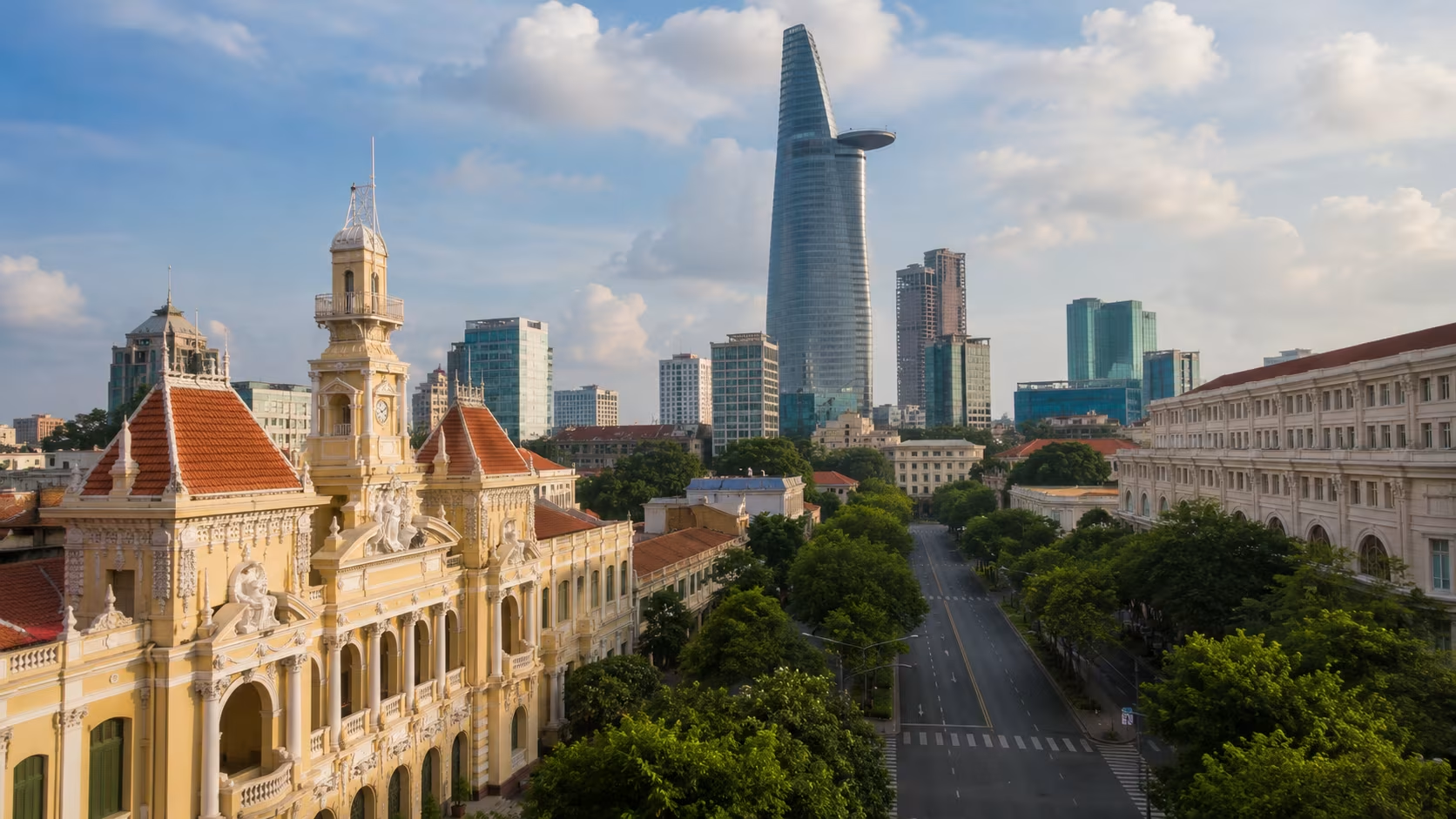
Saigon — officially renamed Ho Chi Minh City in 1976 but still called Saigon by most locals — is Vietnam's commercial capital and most international city. With 9.3 million people, it's larger than Hanoi, more economically dynamic, and structured around a different urban logic. Hanoi is medieval-and-colonial dense; Saigon is the modernization-focused engine of Vietnam's economy.
The 2026 city is more polished than the version travelers visited in 2018. The metro Line 1 finally opened in late 2024 (after a decade of construction); skyscrapers continue to rise in District 1; the food scene has gained Michelin recognition; the working-class atmosphere of the alleys remains alongside the high-rises.
For first-time visitors, the city is a denser, more chaotic alternative to Hanoi — different cuisine emphasis, different daily rhythm, different cultural texture. Travelers who do both cities (and travel between them) come away with a complete picture of Vietnam.
This is a 4-day guide for first-time visitors who want both the colonial-Saigon and the modern Ho Chi Minh City.
Quick Facts
| Item | Detail |
|---|---|
| Country | Vietnam |
| Currency | Vietnamese dong (VND), ~25,000 VND/USD in 2026 |
| Languages | Vietnamese; English in tourist areas |
| Time zone | ICT (UTC+7, no DST) |
| Tourist tax | None |
| Best time | December–April (dry season) |
| Visa | E-visa for most countries; 90-day options since 2023 |
| Trip length | 3–4 days |
When to Go
December to April (dry season). The window. Cooler temperatures (24-30°C in Dec-Feb), low humidity. December-January is the comfortable peak.
May to November (wet season). Hot (30-35°C+) and humid; afternoon thunderstorms common. Less tourist density; lower hotel prices. The flooding can be severe in some districts.
Avoid:
- Tết (Vietnamese Lunar New Year) — usually late January or early February. Most shops and restaurants close for 3-5 days; transit is packed; family events dominate. Either embrace it or avoid it.
- National Day (September 2) for crowded transit.
- Late October when monsoon peaks for transit friction.
Getting In
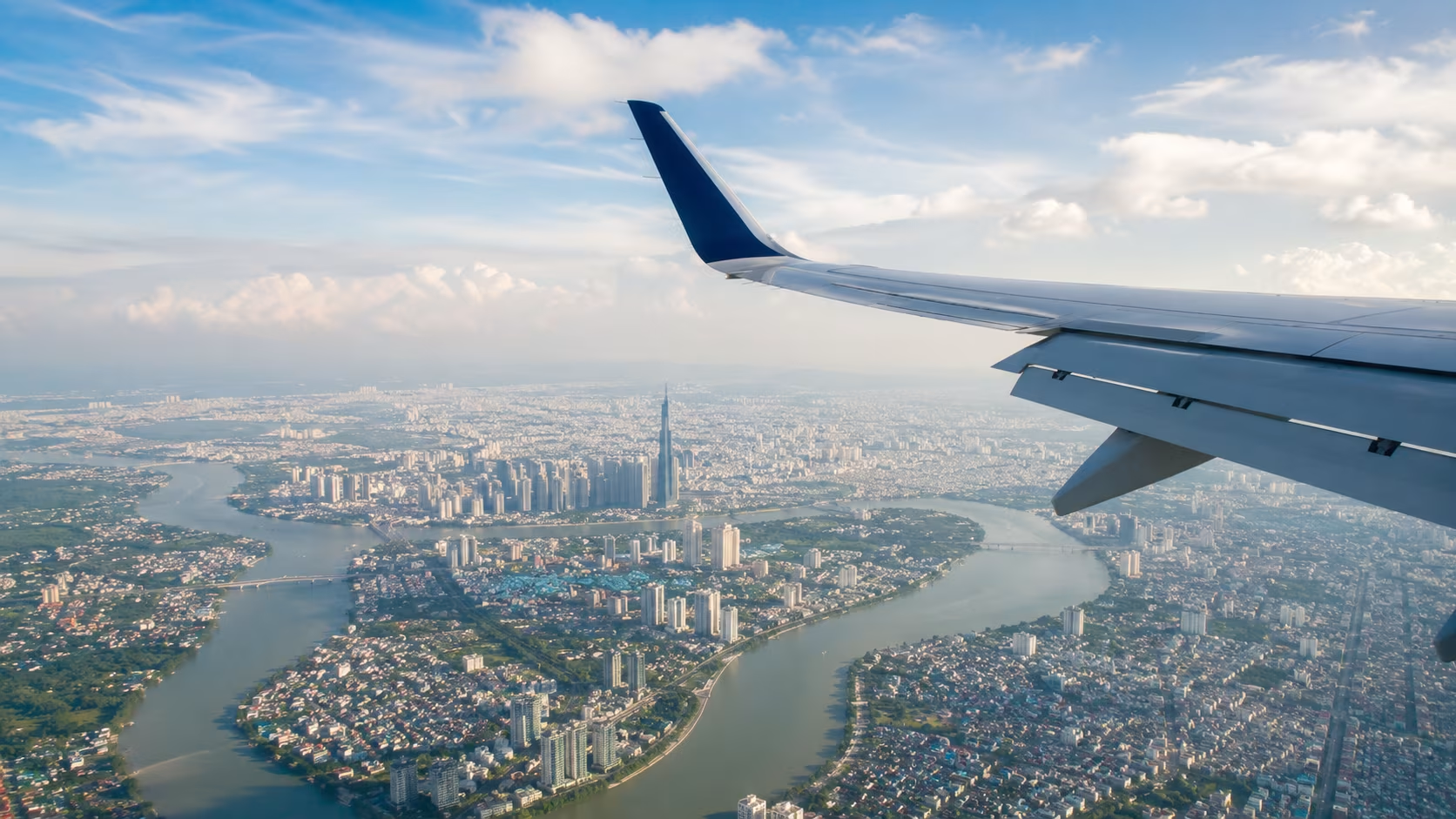
Tan Son Nhat International Airport (SGN). 8 km northwest of central.
From SGN:
- Bus 109: 12,000 VND, 45 min to central. Cheapest.
- Vietnam Airlines minibus: 40,000 VND.
- Taxi (Mai Linh, Vinasun): 200,000-300,000 VND ($8-12) flat fare.
- Grab: 150,000-280,000 VND. Reliable.
- Hotel transfer: 250,000-450,000 VND.
Getting Around
Saigon is more spread out than Hanoi but more navigable.
Metro Line 1
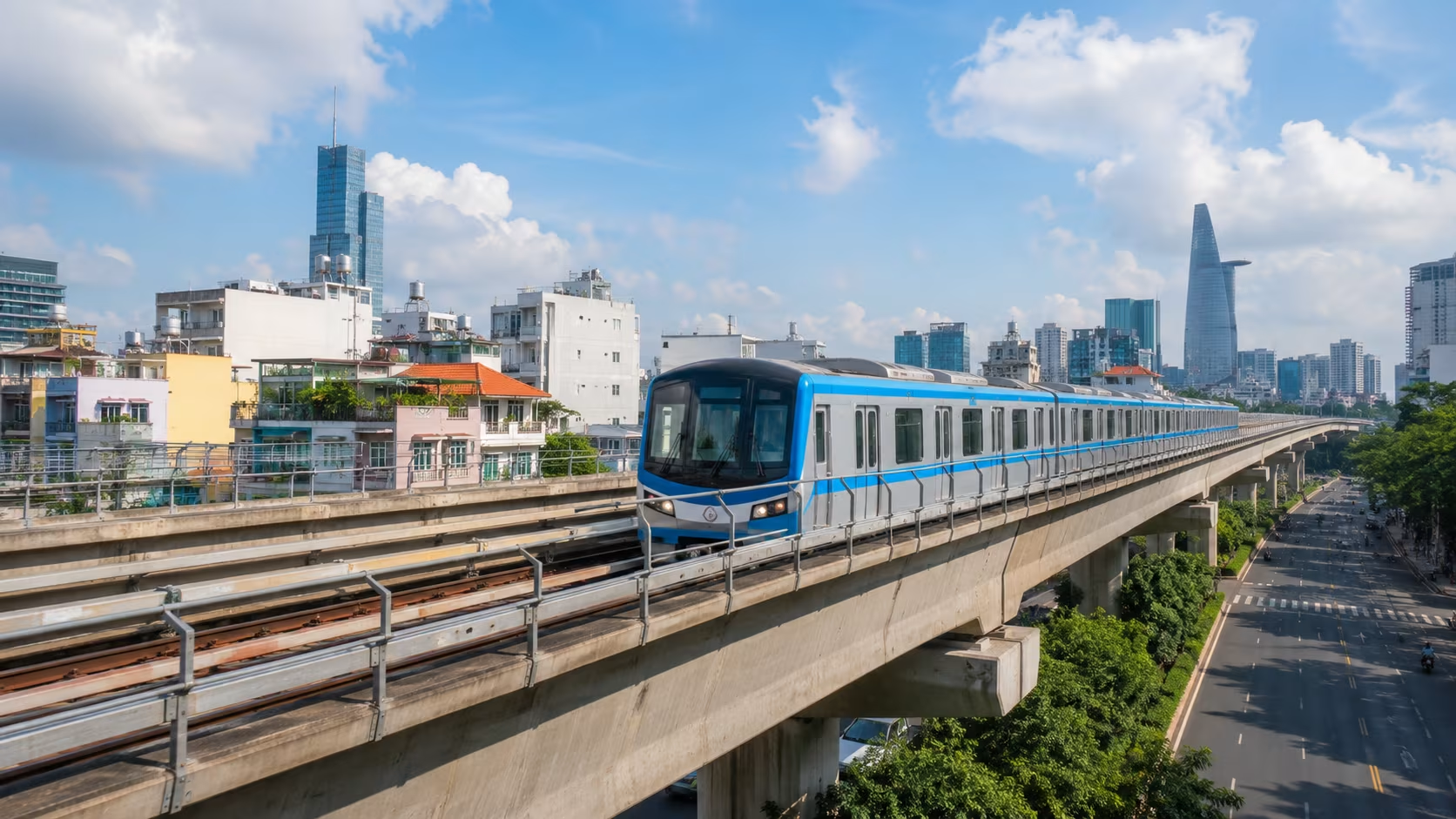
Finally opened December 2024 (after delayed for years). Connects Bến Thành to Suối Tiên. Single ride 7,000-15,000 VND. Useful for some specific trips; doesn't yet cover most central tourist destinations.
Walking
District 1 (Đồng Khởi street area + Nguyễn Huệ pedestrian street) walkable. The colonial center is compact.
Crossing Streets
Like Hanoi, Saigon traffic is constant motorbike chaos. The technique: step out steadily and predictably. Motorbikes flow around you. Don't stop suddenly; don't change pace; don't run; don't jump back.
Grab
The defaults for most tourists. GrabCar for 4-wheel; GrabBike (motorbike taxi) for cheap fast trips. Average central trip: 30,000-150,000 VND.
Cyclo
The traditional pedicab. Touristy but worth doing once. 100,000-250,000 VND for 30-60 min.
Renting a Motorbike
Not recommended for first-time visitors. Saigon traffic is even more intense than Hanoi. Tourist injuries are real.
Where to Stay
Saigon's districts are numbered. Districts 1, 3, 5, and 7 are the main tourist zones.
District 1 — Đồng Khởi / Nguyễn Huệ Area
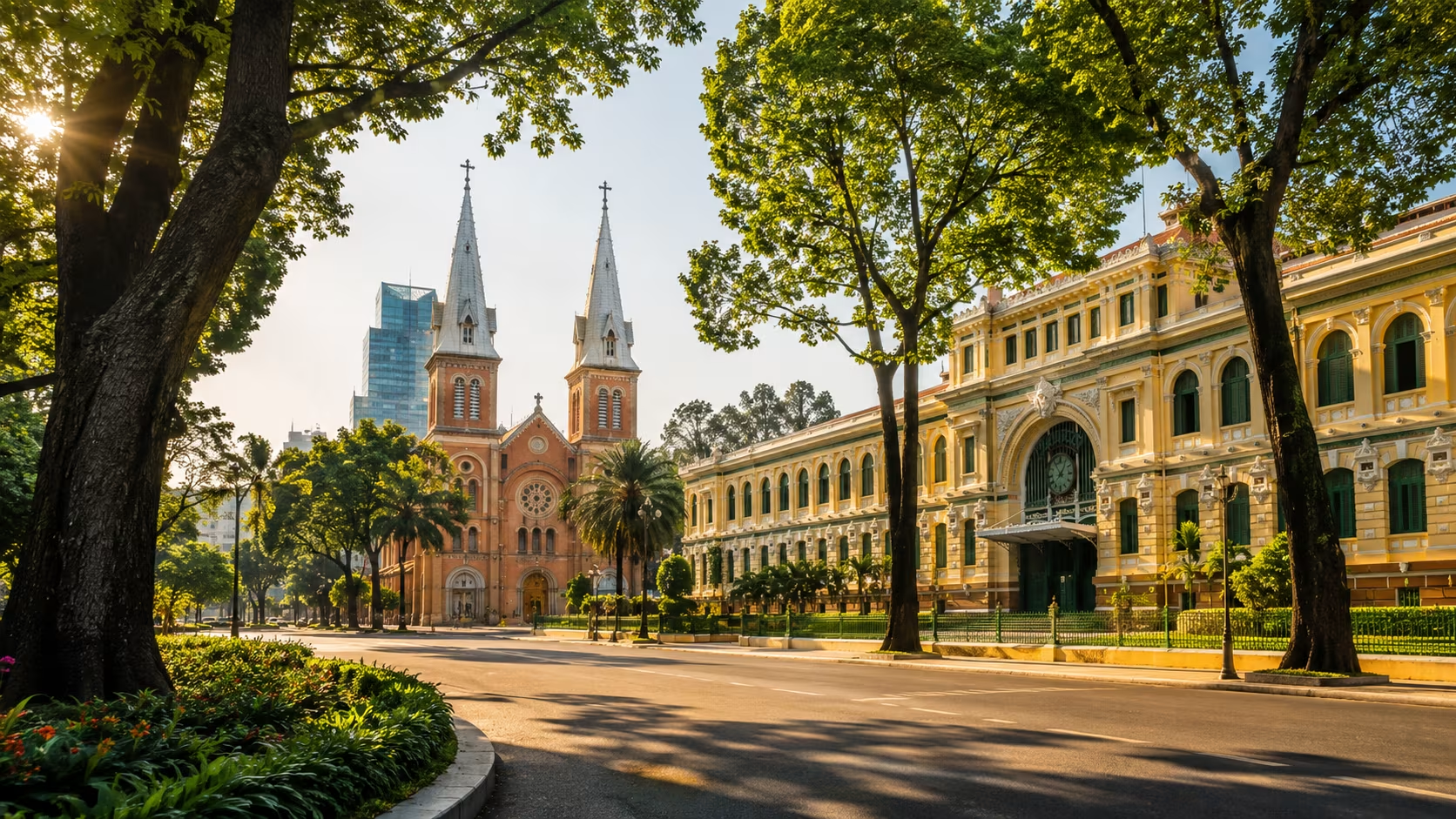
The central business district. Walking distance to colonial-era buildings, Saigon Notre-Dame Cathedral, Saigon Central Post Office, the Reunification Palace. Premium hotels (Park Hyatt, Caravelle, Rex). Tourist density at peak.
District 1 — Bùi Viện (Backpacker Street)
South of Đồng Khởi. The famous "Backpacker Street" — bars, hostels, late-night noise. Cheaper accommodations.
District 1 — Bến Thành Market Area
Near the central market. Mix of mid-range hotels.
District 3
The upscale residential district immediately north of District 1. More boutique hotels; less tourist density. The cathedral and Tao Đàn Park are here.
District 5 — Cholon (Chinatown)
The historic Chinese quarter. Less tourist density; cheaper accommodations; more authentic feel for those interested in Saigon's Chinese-Vietnamese heritage.
District 7 — Phú Mỹ Hưng
The modern southern district. Expat-residential, modern apartments, far from central. Less convenient for sightseeing.
Avoid as a base
- Far districts (Tân Bình, Bình Tân) — too far for short trips.
- Phú Mỹ Hưng for first-time visitors — too disconnected from central.
Realistic 2026 nightly prices (4-star, weekday, shoulder, USD):
| Neighborhood | Mid-range | Higher-end |
|---|---|---|
| District 1 — Đồng Khởi | $80–160 | $250–600 |
| District 1 — Bùi Viện | $30–80 | $130–250 |
| District 3 | $70–140 | $220–500 |
| District 5 — Cholon | $40–90 | $150–300 |
What to Book in Advance
Cu Chi Tunnels Day Trip
The famous Vietnam War tunnels northwest of Saigon. Day tour with bus pickup: $25-50 per person. Allow 6 hours including transit.
Mekong Delta Day Trip
The Mekong Delta region southwest of Saigon. Day tour: $30-60 per person. Cai Be floating market + boat trip + lunch.
War Remnants Museum
40,000 VND. Walk-up. Allow 2 hours.
Independence Palace (Reunification Palace)
65,000 VND. Walk-up. Allow 90 minutes.
Saigon Cooking Class
Multiple operators. Half-day: 700,000-1,500,000 VND ($28-60). Saigon Cooking Class at Hoa Túc, Saigon Street Eats.
Premium Restaurants
- Anan Saigon (1-Michelin-star, modern Vietnamese).
- Hum Vegetarian (modern vegetarian).
- Cuc Gach Quan (traditional in restored colonial building).
Day 1 — Colonial Saigon + Reunification Palace
07:00. Phở breakfast. Phở Hoa Pasteur (the famous Saigon-style phở institution since 1968). Phở Lệ for the alternative. Saigon-style phở is sweeter than Hanoi's; broader use of basil, lime, bean sprouts as accompaniments.
08:30. Coffee at a Vietnamese café. The Workshop (specialty). Shin Coffee for serious specialty. Phin (the traditional Vietnamese-coffee chain, multiple locations).
Cà phê sữa đá (iced sweet milk coffee) is the standard order. Saigon-style cà phê is robusta-heavy + intensely sweet.
09:30. Reunification Palace (Independence Palace). 65,000 VND. The 1962 modernist building where the North Vietnamese tank crashed through the gates on April 30, 1975, ending the Vietnam War. Walk through; the rooms are preserved as they were that day. Allow 90 minutes.
11:30. Walk through the central district. Saigon Notre-Dame Cathedral (1880, free) currently undergoing restoration through 2026 — exterior visible. Central Post Office (Gustave Eiffel design, 1891) — beautiful colonial-era interior, free.
12:30. Lunch in District 1. Bún Bò Huế Đông Ba for Hue-style noodle soup. Cuc Gach Quan for traditional. Anan Saigon for upscale modern (book ahead).
14:00. War Remnants Museum. 40,000 VND. The most-visited museum in Vietnam. Heavy and historically essential. Allow 2 hours.
16:30. Bến Thành Market. The central market. Touristy + cheap-souvenir-heavy + working-class food upstairs. Allow 60 minutes.
18:00. Walk Nguyễn Huệ pedestrian street as it becomes evening. The full-block pedestrian boulevard.
19:30. Dinner. Anan Saigon (1-star). Hum Vegetarian for modern. Quán An Ngon for multiple Vietnamese specialties.
21:30. Optional: Bùi Viện Walking Street for the bar scene. Touristy and chaotic but the spectacle is part of Saigon.
Day 2 — Cholon (Chinatown) + Modern Saigon
09:00. Breakfast at hotel. Phin for Vietnamese coffee + bánh mì.
10:00. Take Grab to Cholon (District 5). The historic Chinese quarter. Visit:
- Bình Tây Market (the original wholesale market, mostly local; less touristy than Bến Thành).
- Thien Hau Pagoda (the Goddess of the Sea temple).
- Cha Tam Church (where Ngo Dinh Diem was arrested before his 1963 assassination).
Allow 2 hours.
12:30. Lunch in Cholon. Cong Ly Cafe for casual. Ngon Saigon for Vietnamese specialties.
14:30. Take Grab back to District 1 area.
15:00. Bitexco Financial Tower Sky Deck. 240,000 VND. The 49th-floor observation deck of Saigon's iconic skyscraper. Allow 60 minutes.
16:30. Café Apartments at 42 Nguyễn Huệ. The Soviet-era apartment building converted to cafés + boutique shops on each floor. Genuine local-loved place. Wander up the floors.
18:00. Sunset cocktails. Saigon Saigon Bar at the Caravelle Hotel (since 1959, the journalists' Vietnam War-era hangout). Chill Skybar at the AB Tower for upscale.
20:00. Dinner. Cuc Gach Quan in a converted French-colonial villa. Bún Bò Đèn Đỏ for working-class. Mountain Retreat (rooftop modern Vietnamese with city views).
Day 3 — Cu Chi Tunnels Day Trip
The Vietnam War tunnel network, 70 km northwest of Saigon. The Viet Cong used the tunnels as a base for guerrilla operations. UNESCO consideration in 2024-2026.
07:30. Tour pickup from hotel.
09:30. Arrive Cu Chi Tunnels. The 250-km network of tunnels with traps, weapons displays, and a section of preserved tunnel that visitors can crawl through. Heavy and historically essential. Allow 3 hours.
13:00. Lunch at the visitor center.
14:30. Drive back to Saigon.
16:00. Arrive central. Free afternoon.
18:30. Aperitivo at the Saigon Saigon Bar or another rooftop.
20:00. Dinner.
Day 4 — Mekong Delta Day Trip or Slow City Day
Path A — Mekong Delta Day Trip
100 km southwest. The Mekong Delta region — rice paddies, floating markets, river life.
07:30. Pickup from hotel.
10:00. Arrive My Tho. Boat tour through Mekong tributaries.
12:00. Visit a working coconut farm + traditional candy-making demonstration.
13:00. Lunch on the river.
15:00. Boat back; bus back.
17:30. Return to Saigon.
Path B — Slow Saigon Day
Morning at a residential district café. The Workshop for serious coffee. L'Usine for upscale brunch.
Lunch at a street-food cluster. Sao Bien for crab noodle soup. Banh Xeo 46A for the famous savory pancakes.
Afternoon at the Fine Arts Museum (in a 1929 colonial mansion).
Final dinner in District 1 or 3.
Path C — Day Trip to Vung Tau
The coastal town 100 km southeast. Beach + colonial heritage. Half-day excursion. Reach by hydrofoil from Saigon (90 min, $20).
What to Eat
Saigon food culture is dense, distinct from Hanoi, and intensely local. The headline dishes:
Headline Dishes
| Dish | What it is |
|---|---|
| Phở (Saigon-style) | Beef-noodle soup. Sweeter broth than Hanoi version; abundant herbs + bean sprouts. |
| Bún bò Huế | Hue-style spicy beef noodle soup. Different from phở. |
| Bánh mì | The famous Vietnamese baguette sandwich. Saigon-style: shredded pork, pâté, herbs, pickled vegetables, chili. |
| Cơm tấm | Broken rice with grilled pork chop, egg, fish sauce. Saigon's working-class lunch institution. |
| Bún thịt nướng | Grilled pork over rice noodles + herbs + nước chấm. |
| Hủ tiếu | Cantonese-influenced noodle soup. Distinct from phở. Saigon specialty. |
| Bánh xèo | Crispy pancake with shrimp, pork, bean sprouts. Roll in lettuce + herbs. Eat with hands. |
| Gỏi cuốn | Fresh spring rolls. |
| Chả giò | Fried spring rolls. |
| Bánh khọt | Mini coconut-batter pancakes with shrimp. Vung Tau specialty. |
| Cà phê sữa đá | Iced sweet milk coffee. The signature Saigon drink. |
| Cà phê sữa nóng | Hot version. |
| Bia hơi | Vietnamese street beer. Cheap, light. Saigon prefers Saigon Beer (the brand) + Tiger Beer. |
Where to Eat
Phở:
- Phở Hoa Pasteur (the institution since 1968).
- Phở Lệ (Cholon area).
- Phở Quỳnh (working-class).
Modern Vietnamese:
- Anan Saigon (1-Michelin-star, modern street food).
- Cuc Gach Quan (traditional in colonial villa).
- Hum Vegetarian (modern vegetarian).
- Mountain Retreat (rooftop modern Vietnamese).
Working-Class / Casual:
- Bún Bò Huế Đông Ba for Hue-style noodle soup.
- Banh Xeo 46A for the famous pancakes.
- Cơm Tấm Ba Ghien for working-class lunch.
- Sao Bien for crab noodle soup.
- Quán An Ngon for Vietnamese specialties under one roof.
Premium Western (for variety):
- The Deck Saigon (riverside fine dining).
- The Refinery (modern in colonial setting).
- Park Hyatt's Square One (high-end Vietnamese).
Costs and Budget
2026 daily budgets per person, excluding flights and hotel (USD):
| Style | Per day | Notes |
|---|---|---|
| Backpacker | $15-30 | Hostel, street food, walking, occasional Grab |
| Mid-range | $40-80 | Mix of street and proper restaurants, day trips, museums |
| Comfortable | $100-180 | Better restaurants, premium hotel, taxi over Grab |
| Higher-end | $250+ | Tasting menus, luxury hotel, private guide |
Saigon is cheaper than most major Asian capitals.
Practical Info
- Cards. Accepted at hotels and mid-tier+ restaurants. Cash for street food, taxis, small shops.
- Tipping. Not standard. 5-10% appreciated at sit-down restaurants. Round up Grab.
- English. Common in tourist areas; less in residential.
- Pickpocketing. Real around tourist sites; standard precautions.
- Heat / humidity. Real and constant. Schedule indoor breaks.
- Sundays. Most things open. Markets active.
- Smoking. Restrictions exist; enforcement uneven.
- Crime. Low but motorbike-snatch theft of phones is real. Phone in front pocket.
Common First-Timer Mistakes
- Spending all 4 days in District 1. Cholon + the residential districts have different character.
- Eating only Western brunch. Saigon's local food is its specialty.
- Crossing streets aggressively. Stay steady; locals do.
- Not booking the Cu Chi Tunnels tour. Some operators sell out.
- Drinking heavily on Bùi Viện. It's tourist-targeted; quality and prices both reflect.
- Skipping the War Remnants Museum. Heavy but essential.
- Renting a motorbike without experience. Tourist injuries are real.
- Visiting during Tết. Most businesses close.
- Not using Grab. Taxis and freelance touts try to overcharge tourists.
- Trying to do Saigon + Hanoi + Halong + Hoi An in 5 days. Each deserves more time.
- Drinking tap water. Bottled only.
Final Notes
Four days in Saigon is the right length. One colonial-Saigon day, one Cholon + modern day, one Cu Chi or Mekong day trip, one slow city day. A fifth day buys you a Vung Tau or longer Mekong stay.
The quietest piece of advice: spend a slow afternoon at a working-class corner restaurant in District 3 or 5. Order cơm tấm; sit on a plastic stool; watch the motorbike rivers flow past. The Saigon that stays with you isn't the rooftop bar photograph; it's the way the city's energy — chaotic, dense, motorbike-driven — produces the cumulative feeling of being inside an urban organism that 9.3 million people are simultaneously moving through.
0 Comments
No comments yet — start the conversation.