

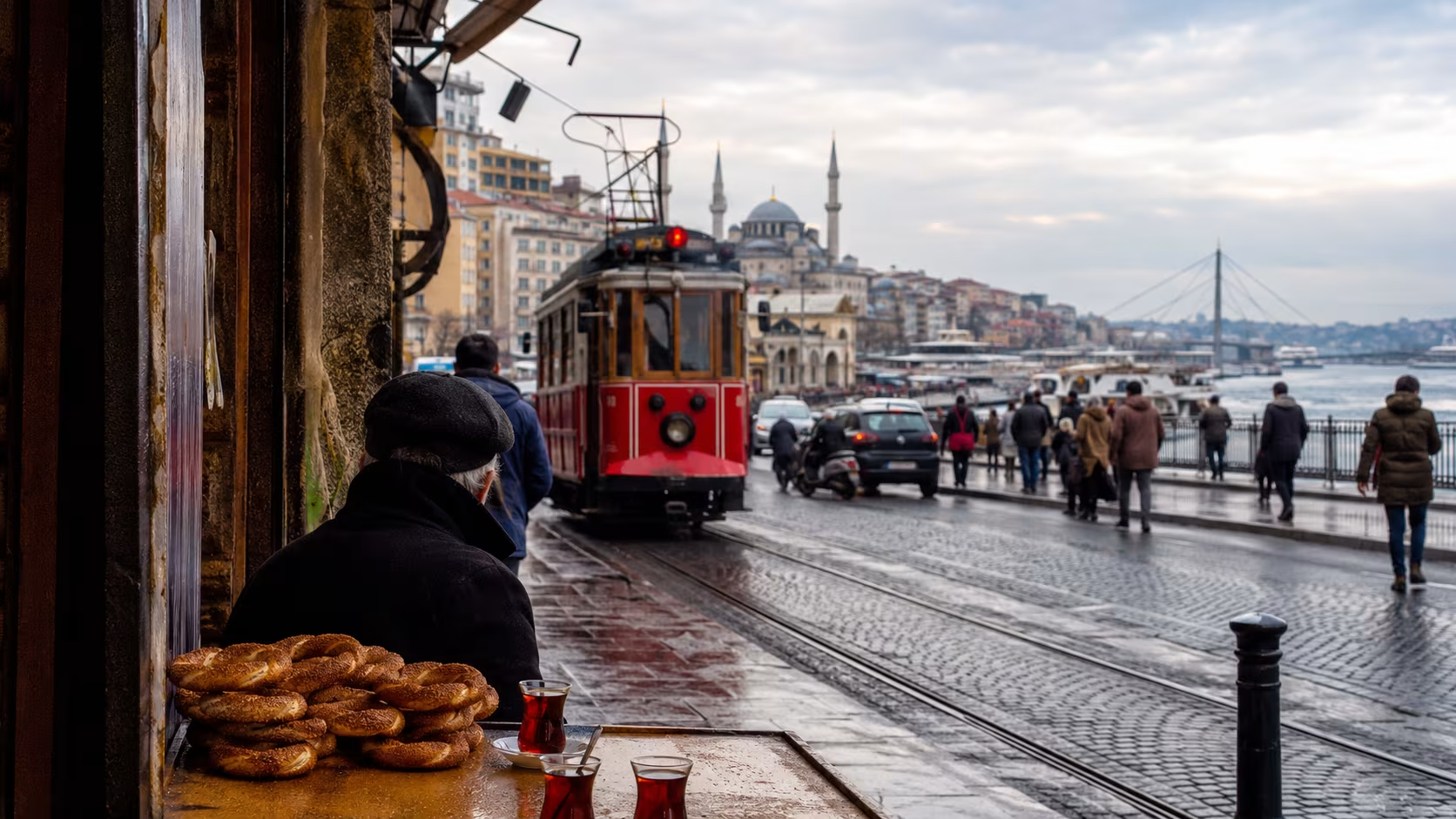
Istanbul sits across two continents and three empires of memory. The Roman, Byzantine, and Ottoman layers all show through the same streets, sometimes in the same building. The city has 16 million people, more than any single country in the EU has visiting Italy in a year, and is in the middle of a transit-and-restoration boom that has reshaped the visitor experience between 2018 and 2026.
The usual mistake is to treat Istanbul as a 2-day stopover. Two days covers Sultanahmet (the headline historical core) and not much else. The real city (the Bosphorus neighborhoods, the Asian side, the modern district of Beyoğlu) is the reason to come back.
This is a 4-day guide for first-timers who want the headline sites, the real food beyond the tourist menus, and at least one Bosphorus afternoon doing nothing in particular.
Quick Facts
| Item | Detail |
|---|---|
| Country | Türkiye (Turkey) |
| Currency | Turkish lira (₺), extremely volatile, ~36 ₺/USD in early 2026 |
| Language | Turkish; English in tourist areas |
| Time zone | TRT (UTC+3, no DST) |
| Tourist tax | 2% of room rate (modest) |
| Best time | April–May, September–October |
| Visa | E-visa for most non-EU; 90 days |
| Trip length | 4–5 days |
When to Go
April to early June. The sweet spot. Tulip season in mid-April (Istanbul's signature spring event), trees in flower along the Bosphorus, average highs 16–24°C, daylight long. Tourist density manageable.
Mid-June to August. Hot (often 30°C+), humid, very tourist-dense. The crowds at Hagia Sophia, Topkapi, and the Grand Bazaar peak. Bosphorus afternoons are the saving grace: the water cools the breeze.
September to October. The other prime window. Schools resumed, prices ease, autumn light is gentle. Mid-October is one of the city's most photogenic months.
November to March. Cool and rainy. The city's hammams, covered bazaars, and tea-and-baklava shops genuinely come into their own in winter. Hagia Sophia in soft January light is one of the year's quieter pleasures.
Avoid
- Religious holidays (Eid al-Fitr, Eid al-Adha) for first-timers: many shops close, transit is packed with internal travel.
- New Year's Eve in tourist areas (in 2016 a major terrorist attack at a club, security has been tight since but the date is sensitive).
Getting in
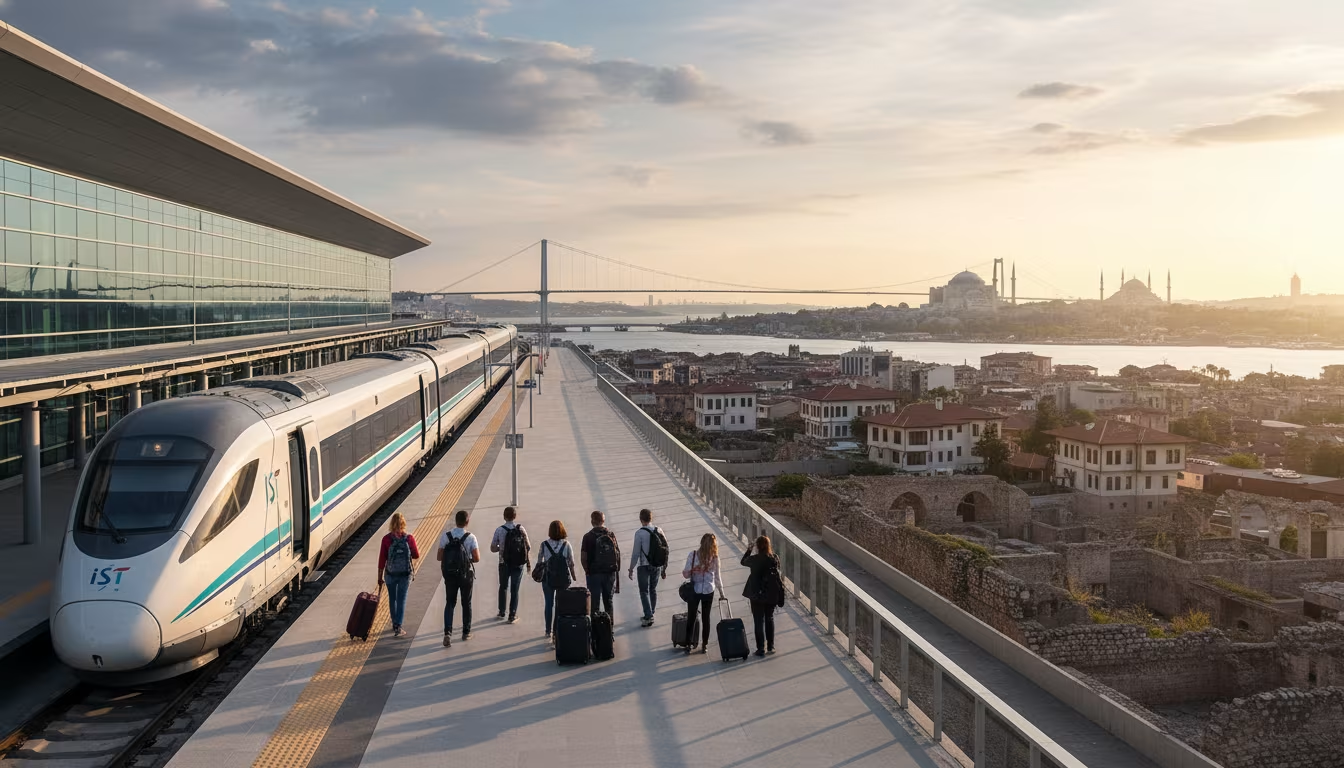
Istanbul Airport (IST). Replaced Atatürk Airport in 2019. 35 km northwest of central Istanbul, on the European side.
From IST to Central Istanbul
- Metro M11 + Marmaray: ~50 minutes to Sirkeci/Sultanahmet, ~36 ₺.
- Havaist airport bus: 90 min to Taksim, 200–280 ₺.
- Taxi: 800–1,400 ₺ to Sultanahmet (hour-long drive in traffic).
- Uber/Bolt: 600–1,000 ₺.
Sabiha Gökçen Airport (SAW). Asian side, low-cost carriers. 50 km from central Istanbul. Bus + Marmaray takes 75 minutes.
Istanbul is also a major rail hub. The new Marmaray tunnel under the Bosphorus connects European and Asian rail networks. Direct trains to Ankara (4 hours), Konya (5 hours), and on to eastern Anatolia.
Getting Around
Istanbul transit is comprehensive but the city's geography (hilly, water-divided) makes it slower than its size suggests.
Istanbulkart is mandatory. The reusable transit card costs 130 ₺ (refundable deposit + small balance) at any kiosk near a metro/tram entrance. Tap on every form of transit. Single ride 27 ₺.
The Headline Modes
- Metro (M-lines). 11 lines + airport extension; clean, fast, English signage.
- Tram (T1). Connects Sultanahmet → Eminönü → Galata Bridge → Karaköy → Kabataş. The most useful for tourists.
- Marmaray. The cross-Bosphorus rail tunnel. Connects European and Asian sides in 4 minutes.
- Ferries. The cheapest scenic option. Eminönü → Kadıköy or Eminönü → Üsküdar both 15–20 minutes, ~27 ₺ with İstanbulkart. The Bosphorus public ferry tours (longer routes) start at 35–60 ₺.
- Funicular (F1, F2, F3, F4). Short steep climbs (Karaköy → Tünel; Kabataş → Taksim).
- Buses. Comprehensive but slow in traffic.
Walking. Sultanahmet itself is small (1 km diameter). Beyoğlu's Istiklal Caddesi is 1.4 km of pedestrian-only boulevard. Most touring is walking-plus-transit.
Taxis. Use Bolt or BiTaksi. Street taxis have a long history of overcharging tourists; if you must take a street taxi, ensure the meter is on ("taksimetre"). Ferry-and-taxi combinations beat all-taxi by a significant margin in traffic.
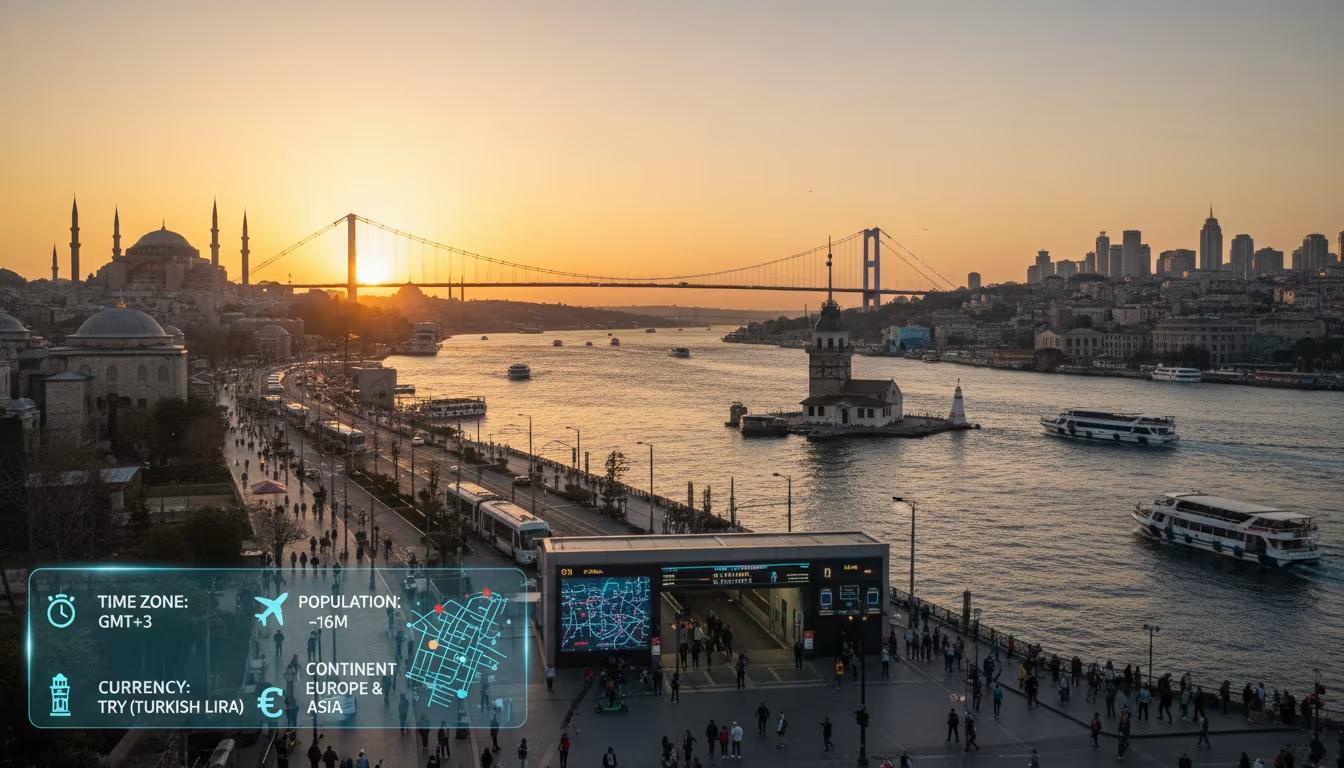
Where to Stay
Istanbul is a city of distinct neighborhoods (mahalles); the kiez you choose changes the trip's character significantly.
Sultanahmet (old City, European Side)
The historic core. Hagia Sophia, Blue Mosque, Topkapi Palace, Basilica Cistern all walking distance. Dense with tourists. Hotel prices premium for the location. Best for first-timers who want one neighborhood for everything imperial.
Galata / Karaköy (beyoğlu, European Side)
North side of the Golden Horn. Galata Tower is the headline. The neighborhood is cobblestoned, hilly, with cafés and design shops. Walking distance to Istiklal Caddesi and Beyoğlu's nightlife. Best for a first-timer base if you want a walkable mix of historical and modern.
Beyoğlu / Cihangir / Galatasaray (central, European Side)
The modern district. Cihangir is the relaxed bohemian quarter; Galatasaray is the tree-lined main one. Walking distance to Galata, easy tram or metro to Sultanahmet. Mid-range to higher-end.
Kadıköy / Moda (asian Side)
The modern Asian-side district. Less touristy, cafés and bars on every corner, Moda neighborhood is a quiet residential gem. Ferry-distance from Sultanahmet (15 minutes). Best for second-time visitors or those who want quieter mornings.
Beşiktaş / Ortaköy (bosphorus, European Side)
North along the Bosphorus. Ortaköy mosque on the water is the picture-postcard view. Trendy waterfront restaurants. Less convenient for Sultanahmet (20-min metro) but spectacular for Bosphorus location.
Avoid as a Base
- Taksim Square area. Too crowded, too tourist-aggressive, too noisy at night.
- Aksaray / Laleli. Convenient for some shopping but gritty and unpleasant for tourists.
- Far suburbs. No reason for a 4-day trip.
Realistic 2026 nightly prices (4-star, weekday, shoulder, in USD due to lira volatility):
| Neighborhood | Mid-range | Higher-end |
|---|---|---|
| Sultanahmet | $90–160 | $260–450 |
| Galata/Karaköy | $100–180 | $280–500 |
| Cihangir | $80–140 | $220–400 |
| Kadıköy | $60–110 | $180–320 |
| Beşiktaş/Ortaköy | $90–170 | $280–550 |
What to Book in Advance
Hagia Sophia (ayasofya)
Reverted to mosque status in 2020. Free entry to ground floor for prayer; upper gallery requires paid ticket (€25 in 2024–2025) and is open to non-Muslim visitors. Prayer-time closures (5x daily for 30–90 minutes) affect access. Book the upper gallery ticket online to skip queues.
Topkapi Palace
€40 for the main palace. Add €15 for the Harem section (genuinely worth it). Allow 4 hours for the full complex including Treasury and Harem. Book online; queues at the door peak in summer.
Basilica Cistern
Reopened in 2022 after multi-year renovation; now ticketed at €25, with timed entry. The interior light show is dramatic. Allow 60 minutes.
Süleymaniye Mosque
Sinan's masterpiece, free entry for non-prayer visitors. The hilltop location offers the best free Bosphorus skyline view. Modest dress required (women: head covering provided at entrance).
Blue Mosque (sultanahmet Camii)
Free, walk-up. Prayer-time closures. The interior 21,000 blue Iznik tiles are the headline. Modest dress required.
Bosphorus Ferry Tour
Full-length public ferry up the Bosphorus to Anadolu Kavağı (the last village before the Black Sea), 95 minutes one-way, ~120 ₺ with İstanbulkart. Two daily departures. Most travelers do the shorter 90-minute round-trip option that doesn't require disembarking.
Day 1 — Sultanahmet
07:30. Hagia Sophia at its early opening (after morning prayer ends). 30–45 minutes upstairs.
09:00. Walk to Sultan Ahmet Square. Visit the Blue Mosque (free, but check prayer-time closures). 30 minutes.
10:00. Basilica Cistern. Timed entry ticket. 60 minutes.
11:30. Topkapi Palace. The full complex including Harem. €55 total. Allow 3.5 hours.
15:00. Late lunch in Sultanahmet. Karadeniz Pide ve Kebap Salonu for proper Turkish pide and kebap (much cheaper and better than the obvious tourist menu spots). Sultanahmet Köftecisi for the famous meatballs (the original since 1920).
16:30. Spice Bazaar (Mısır Çarşısı) at Eminönü. Smaller and more focused than the Grand Bazaar. Allow 45 minutes. The shops on the rear side (away from the entrance) have better prices than the front.
17:30. Walk along the Eminönü waterfront. The fish-sandwich boats (balık ekmek) are a working-class lunch institution: grilled mackerel + salad + bread, ~80 ₺ at the boats themselves (negotiate at the pier).
19:30. Dinner. Çiya Sofrası in Kadıköy on the Asian side (a restaurant that documents Anatolian regional cooking; book a table, take the ferry over). Lokanta 1741 in Sultanahmet for upscale Ottoman.
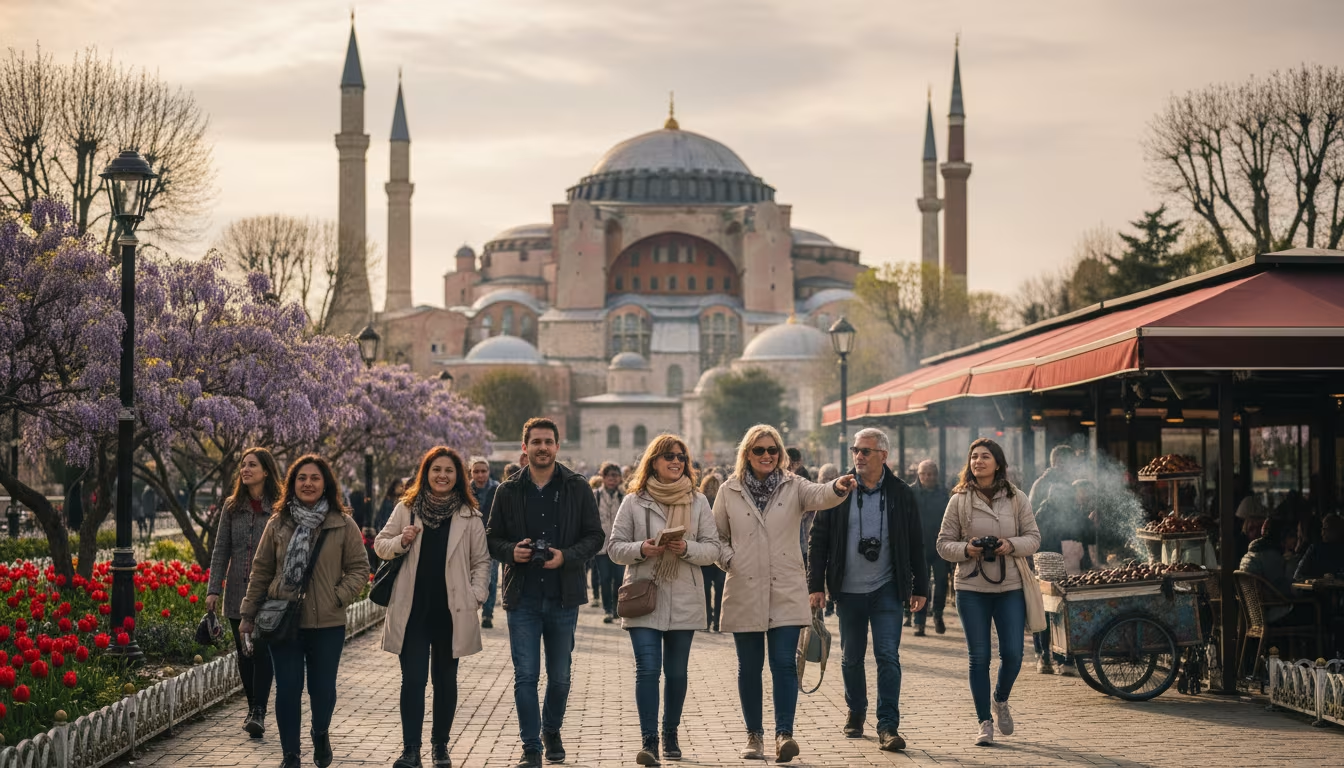
Day 2 — Beyoğlu and the Modern City
09:30. Coffee in Cihangir. Cuppa, Çukurcuma Antika Kahve, Karabatak.
10:30. Galata Tower. €30 to climb. The city's most-photographed view down on the Old City. 60 minutes including queue. The exterior of the tower itself is more striking than the interior view at this point; many travelers skip the climb.
12:00. Walk down through Galata's narrow streets. Antique shops, design boutiques, the Galip Dede street with musical instrument shops.
13:00. Lunch in Karaköy. Karaköy Lokantası for proper Istanbul lunch. Karabatak café for casual.
14:30. Walk up to Istiklal Caddesi via Tünel (one of the world's oldest funiculars, 1875). Walk Istiklal, 1.4 km of pedestrian boulevard, mostly chain shops but the side streets retain Old Constantinople feel.
16:30. Coffee or Turkish coffee at one of the historic café spots near Galatasaray Lisesi.
18:00. Walk to Taksim Square (the city's modern center). Briefly visit Atatürk Cultural Center (rebuilt 2021), then walk back along Istiklal as the evening crowds appear.
20:00. Dinner in Beyoğlu. Mikla for upscale modern (rooftop Beyoğlu views). Asmalı Cavit for traditional meyhane (Turkish tavern with raki and meze tradition). Karaköy Lokantası mentioned above.
22:00 onward (optional). Asmalımescit and Nevizade alleys for nightlife. Note: more residential restrictions on noise have made these slightly tamer than 2015.
Day 3 — Bosphorus and the Asian Side
09:00. Ferry from Eminönü to Üsküdar (Asian side). 15 minutes, ~27 ₺.
09:30. Walk along the Üsküdar waterfront. Visit the Maiden's Tower (Kız Kulesi) by ferry (€4 round-trip). Restoration completed in 2023; the small island tower has been a Bosphorus landmark for 2,000+ years.
11:00. Take a ferry south to Kadıköy. Walk Kadıköy market street (Yeldegirmeni neighborhood) and Moda district.
12:30. Lunch in Kadıköy. Çiya Sofrası if not done yesterday. Çiya Kebap is the kebab branch. Iskele Köftecisi for working-class lunch.
14:00. Slow afternoon walking Moda. The Moda Beach park along the Marmara Sea, the historical Moda tea garden (Moda Çay Bahçesi). Local cafés.
16:00. Ferry back to Eminönü.
17:30. Walk up to Süleymaniye Mosque. Free entry for visitors outside prayer times. The terraces overlooking the Golden Horn are the city's most underused view, especially at sunset.
19:30. Dinner near Süleymaniye or back in Beyoğlu.
Day 4 — Choose: Bosphorus, Princes' Islands, or Hammam Day
Path A: Full Bosphorus Day
09:00. Take the longer Bosphorus public ferry (Eminönü → Anadolu Kavağı, the village near the Black Sea). 95 minutes one-way. Two daily departures. The route passes Dolmabahçe Palace, Ortaköy mosque, Bebek/Kandilli neighborhoods, Anadolu Hisarı (medieval fortress), Rumeli Hisarı (the larger fortress), and the sea-front yalı (waterfront houses) of the wealthy 19th-century elite.
11:00. Anadolu Kavağı. Climb to Yoros Castle (Genoese, 14th century) for a panoramic Bosphorus view. Lunch at one of the seafood places at the village shore.
14:30. Ferry back, getting off at Kabataş or Beşiktaş.
Path B: Princes' Islands
The car-free islands in the Sea of Marmara, 1 hour by ferry from Kabataş. Day trip to Büyükada (the largest, with old Greek/Armenian wooden mansions), Heybeliada, or both. Bicycles and electric carts only; no cars. The contrast with city Istanbul is striking.
Path C: Hammam + Slow Afternoon
10:00. Visit a historical hammam. Çemberlitaş Hammamı (built 1584, Sinan-designed) is the most accessible for tourists. Cağaloğlu Hammamı is the other major historic option. Allow 90 minutes for the full ritual (steam, scrub, soap massage, relaxation room).
13:00. Slow lunch nearby in Sultanahmet.
14:30. Visit the Grand Bazaar (Kapalıçarşı) properly. 4,000+ shops; without a clear plan, an hour of getting lost is the experience. Bring negotiating patience.
16:30. Walk down through the back streets to the Spice Bazaar and Eminönü.
What to Eat
Turkish cuisine is one of the world's great culinary traditions. The Istanbul version pulls from Ottoman court cooking, Anatolian regional traditions, and Black Sea coastal influences.
Headline Dishes
| Dish | What it is |
|---|---|
| Kebap | Grilled meat, multiple variants. Adana (spicy minced lamb), Urfa (mild minced lamb), Iskender (yogurt + tomato sauce + butter). |
| Pide | Boat-shaped flatbread, topped. Often called Turkish pizza inaccurately; older and different. |
| Lahmacun | Thin flatbread with minced meat topping. Eat with lemon and parsley, rolled. |
| Mantı | Tiny meat-filled dumplings with yogurt and chili butter. Anatolian comfort food. |
| Köfte | Meatballs, multiple regional styles. Sultanahmet's köftecisi tradition is meat + onion + spices, charcoal-grilled. |
| Meze | Small starter dishes (eggplant, yogurt, fish-roe spreads, etc.). Fundamental to meyhane drinking. |
| Balık ekmek | Fish sandwich (mackerel + salad + bread). Eminönü street institution. |
| Simit | Sesame-encrusted bread ring. Street breakfast standard. |
| Menemen | Tomato + pepper + egg scramble. Standard breakfast. |
| Kahvaltı | Turkish breakfast spread. 15–25 small dishes for two. Weekend institution. |
| Baklava | Layered phyllo with pistachio + honey/syrup. Karaköy Güllüoğlu is the institution. |
| Künefe | Cheese-filled shredded-pastry dessert, served hot. |
| Turkish coffee | Unfiltered, finely ground, brewed in cezve. Strong; sip slowly. |
| Raki | Anise-flavored spirit. Diluted with water; turns milky. The meyhane drink. |
Where to Eat What
- Çiya Sofrası (Kadıköy): Anatolian regional cooking, the city's most respected restaurant for documenting traditional dishes.
- Karaköy Güllüoğlu: the city's most-respected baklava shop.
- Mikla: upscale modern Turkish, rooftop in Beyoğlu.
- Lokanta 1741: upscale Ottoman, Sultanahmet.
- Hamdi Restaurant: the famous Eminönü kebap institution with Bosphorus views.
- Asmalı Cavit: proper meyhane in Beyoğlu.
- Develi: historic kebap house, multiple locations.
- Karaköy Lokantası: restaurant institution since 1927.
Costs and Budget
2026 daily budgets per person, excluding flights and hotel (USD due to lira volatility):
| Style | Per day | Notes |
|---|---|---|
| Backpacker | $25–45 | Hostel, kebap and lokanta lunches, walking, ferries |
| Mid-range | $50–90 | Mix of casual and proper restaurants, museums, transit |
| Comfortable | $110–200 | Better restaurants, hammam, taxis |
| Higher-end | $300+ | Tasting menus, private guide, hotel breakfasts |
Istanbul is genuinely cheap by Western European standards in 2026, though local prices have caught up substantially due to lira inflation.
Practical Info
- Currency. Turkish lira is volatile. Many tourist places offer prices in euros or USD. Pay in lira where possible (better effective rate). Withdraw lira from bank ATMs (Garanti, IsBank, Akbank, the major ones); avoid the high-fee tourist-ATM machines.
- Cards. Accepted almost everywhere. Cash for street food, ferries (use İstanbulkart), and small bazaar shops.
- Tipping. 10–15% at restaurants. Round up taxis. 20–50 ₺ for hammam attendant.
- English. Wide in Sultanahmet and Beyoğlu tourist areas. Less in Kadıköy and residential neighborhoods.
- Mosques. Modest dress: shoulders covered, knees covered; women cover hair (head scarves provided at entrance). Remove shoes. Be quiet.
- Friday prayers. Most mosques close to visitors 12:00–14:30 on Fridays.
- Pickpocketing. Common on the T1 tram around tourist sites and in the Grand Bazaar. Phone in front pocket.
- Carpet shops. Aggressive sales tactics common in tourist areas. "Just looking" usually doesn't work; be firm or skip the shop entirely. Real carpets are wonderful; the sales process can be exhausting.
- Shoeshine scam. A man drops his shoeshine brush in front of you, you pick it up, he insists on "thanking you" with a free shine, then demands €30. Don't pick up the brush.
Common First-Timer Mistakes
- Doing only Sultanahmet for 3 days. It's beautiful and historic; it's also an absurdly small fraction of the city.
- Assuming Hagia Sophia is fully visitable. Upper gallery only is the paid visitor experience now (since 2020 reversion).
- Buying tea at carpet-shop hospitality. Free tea at a carpet shop is a sales-funnel entry. Drink the tea if you want; understand the structure.
- Skipping the ferry. A 30-minute Eminönü-Kadıköy crossing for €1 is the city's best cheap experience.
- Eating only in Sultanahmet tourist places. The tourist-zone food in Sultanahmet is among the worst-value in the city.
- Trying to do Cappadocia as a day trip. It's a 1.5-hour flight or 12-hour bus from Istanbul. Plan it as a separate trip leg or skip it.
- Not negotiating in the Grand Bazaar. Quoted prices are 30–60% above what locals would pay. Counter at 30–40% of the asking price; settle around 50–60%.
- Underestimating the city's size and traffic. Plan around water transit; ferries beat taxis on most cross-Bosphorus moves.
Final Notes
Four days in Istanbul is the right length for first-timers willing to plan around the city's actual scale. Two days for the Sultanahmet headlines, one for Beyoğlu and Galata, one for the Bosphorus or Asian side. A fifth day buys you a Princes' Islands trip or a full Bosphorus ferry day.
Istanbul is not a city to optimize. The pleasure of the city is the slow tea-and-sunset on a Beşiktaş waterfront café, the boat back to Eminönü as the city skyline darkens, the call to prayer simultaneously echoing from a hundred mosque minarets at sunset across both continents. Make room for those moments. They're the city's actual gift.
0 Comments
No comments yet — start the conversation.