

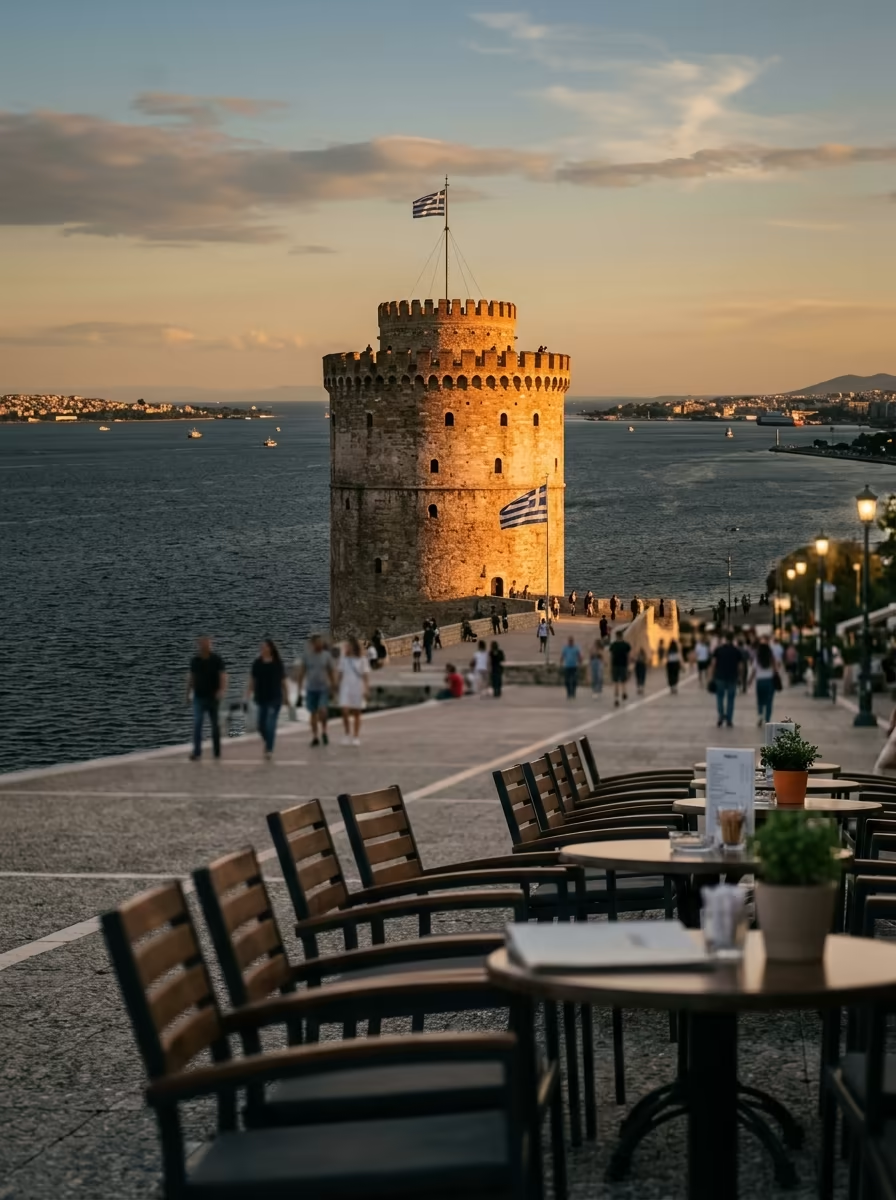
The flight from London Gatwick lands at Makedonia Airport twenty minutes ahead of schedule, and the taxi into the city center costs a flat €20 and delivers you to the waterfront promenade in about fifteen minutes. The waterfront: the White Tower at one end, the Aristotelous Square at the other, and between them a long promenade of cafés and families and joggers and elderly men playing backgammon on the seawall that might be the most livable waterfront in the Mediterranean. I sat at a café with a coffee and realized within the first half hour that I'd underestimated Thessaloniki in every way that anyone ever underestimates a city.
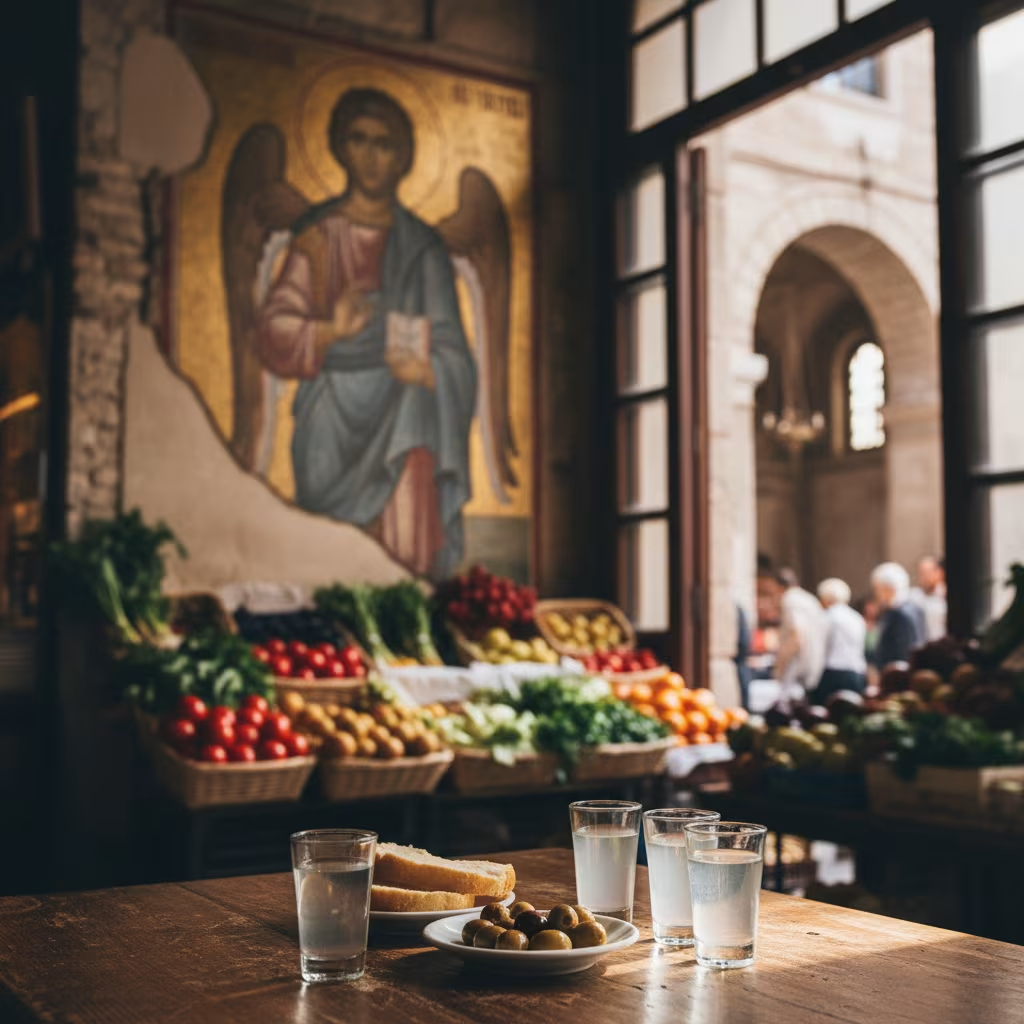
Thessaloniki is Greece's second city by population (around 800,000 in the wider urban area) and, by the reckoning of most Greeks I've spoken to, its first city by food. It has more Byzantine churches per square kilometer than Constantinople had at the height of the Byzantine Empire (the city itself was the empire's second capital), and it has a covered market (Modiano) that still functions as a real market serving real residents rather than a tourist attraction modeled on a market. It has an ouzo culture that begins at noon and a café culture that never ends.
I've been twice, each time for five days, and left each time with a list of things I'd missed. This guide is for people who want to understand a city rather than check it off.
Why Thessaloniki rather than Athens
Thessaloniki wins for a specific set of travelers: those who want serious food in a city that treats eating as a cultural event rather than tourism infrastructure, those interested in Byzantine and Ottoman history (the city has more UNESCO World Heritage religious buildings than most countries have UNESCO sites), and those who want a Mediterranean city experience at a budget significantly lower than Athens or Santorini.
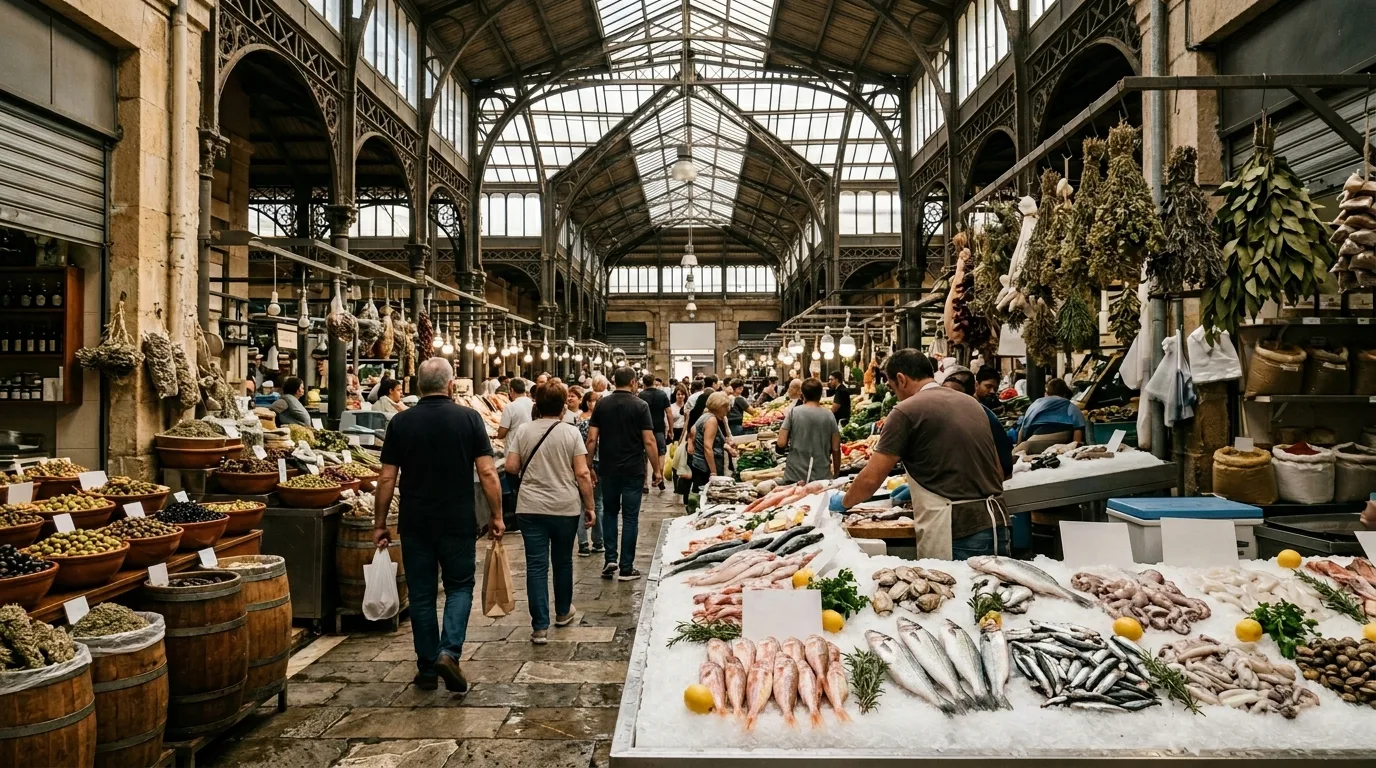
The comparison to Athens is instructive. Athens has the Acropolis and the global recognition, but it has also been progressively organized around international tourism in ways that Thessaloniki has not, or has declined to be. The best tavernas in Thessaloniki are not on TripAdvisor's top ten. The Modiano Market is not performed for visitors; it opens at 7 AM and you share it with the chefs and household cooks who actually use it.
Thessaloniki is less right for people who want island hopping, beach proximity, or the conventional Greek postcard experience. The beaches near the city (Epanomi, Kallikrateia) are decent but not remarkable. There are no white cubic houses here, no Cycladic architecture. What there is: a dense, beautiful, walkable European city that happens to be in Greece, with the food culture to go with it.
Five days: waterfront, Ano Poli, Byzantine city
Day 1 The waterfront, Aristotelous Square, the White Tower. Begin at the White Tower (€4, small but genuinely interesting museum of Byzantine and Ottoman history inside) at 9 AM. Walk the waterfront north to Aristotelous Square, Thessaloniki's main public square, designed by Ernest Hébrard after the 1917 fire and framed by the waterfront and a long avenue of neoclassical buildings. Ouzo at noon at Aristotelous Bar or one of the kafeneia on the square. Afternoon walk through Ladadika, the former merchant quarter, now the city's bar district, before it gets busy at night. Dinner at O Apostolos near the Kapani Market: roast lamb shoulder, horta, a carafe of house wine for €25–30 for two.
Day 2 Modiano Market and the Byzantine churches. The Modiano Market opens at 7 AM and is at its best before 9 AM: the fish stalls and butchers and cheese vendors are in full operation, the light through the glass ceiling falls on a genuinely working market. Buy cheese and olives for lunch. Afterward: a circuit of the UNESCO Byzantine churches within walking distance: Agia Sofia (4th century, extraordinary mosaics), Osios David (small, almost hidden, with a 5th-century apse mosaic that is among the most important surviving early Christian images), and the Rotonda (Emperor Galerius' 4th-century mausoleum, now a church, with one of the largest Byzantine mosaic programs still in situ). Afternoon rest: this city rewards afternoon rest. Evening meze at a restaurant in the Bit Bazaar area.
Day 3 Ano Poli (upper town). The Ottoman quarter above the main city, enclosed within Byzantine walls, the only part of Thessaloniki to survive the 1917 fire intact. A completely different urban texture: timber-framed houses with projecting upper floors, narrow cobbled streets, views over the city to the Thermaic Gulf. Walk the Eptapyrgio Fortress at the top (free, open site), then descend through the neighborhood. Lunch at Tsinari taverna in Ano Poli: the view from the outdoor terrace is worth the walk alone. Afternoon at the Museum of Byzantine Culture, which is one of the best museums in Greece and regularly overlooked by visitors going to the Archaeological Museum instead.
Day 4 Day trip to Vergina and the Macedonian royal tombs. Vergina is 70km west of Thessaloniki, the ancient capital of Macedonia and the burial site of Philip II (father of Alexander the Great). The underground museum at the burial tumulus contains the royal tombs as excavated, with the gold larnax, the gold diadem, and the ivory and gold artifacts in situ or very near it. No photograph adequately conveys the gold. Rent a car or take the KTEL bus from Thessaloniki's KTEL Makedonia station (2 hours each way, about €12 return). Allow three hours at the site.
Day 5 Slower pace, the Kapani Market, a final meal. The Kapani Market (adjacent to Modiano, slightly more chaotic, more meat and hardware) and a morning walk through the bazaar streets of the Vlali district. The Museum of Photography Thessaloniki occupies a former warehouse on the port and is genuinely worth an hour. Final evening meal at Extravaganza, a mezedopoleio on Tsimiski Street where the selection of cold and warm meze is exhaustive and the ordering process is joyfully difficult.
Waterfront, centre or up in Ano Poli
Waterfront / Center
The most convenient base, within walking distance of everything. The Hyatt Regency Thessaloniki (newer, business hotel, slightly outside center on the waterfront) is the luxury option at €180–250/night. The Electra Palace on Aristotelous Square is the atmospheric prestige choice at €160–220/night with rooms looking directly onto the square. The Colors Urban Hotel is a solid, interesting mid-range at €80–110/night.
Ladadika
The bar and restaurant quarter west of the center, excellent for people who want to walk to evening entertainment. Fewer hotels but good Airbnb availability at €60–80/night for apartments.
Ano Poli
Staying in the upper town requires more walking but offers the most atmospheric accommodation: converted Ottoman-era houses as boutique guesthouses. Lush Thessaloniki is a small boutique option in the neighborhood at €90–130/night. The walk to the center takes 25–30 minutes downhill.
Makedonia Airport, and a centre you can walk
Makedonia Airport (SKG) handles direct flights from most Western European cities (London, Amsterdam, Frankfurt, Paris, Vienna), with Aegean Airlines and Ryanair as the primary carriers. From Athens, the domestic flight takes 45 minutes; the KTEL bus takes 6 hours and costs €22. The IC train from Athens (OSE rail service) takes about 4.5 hours and offers more comfortable travel at €25–35.
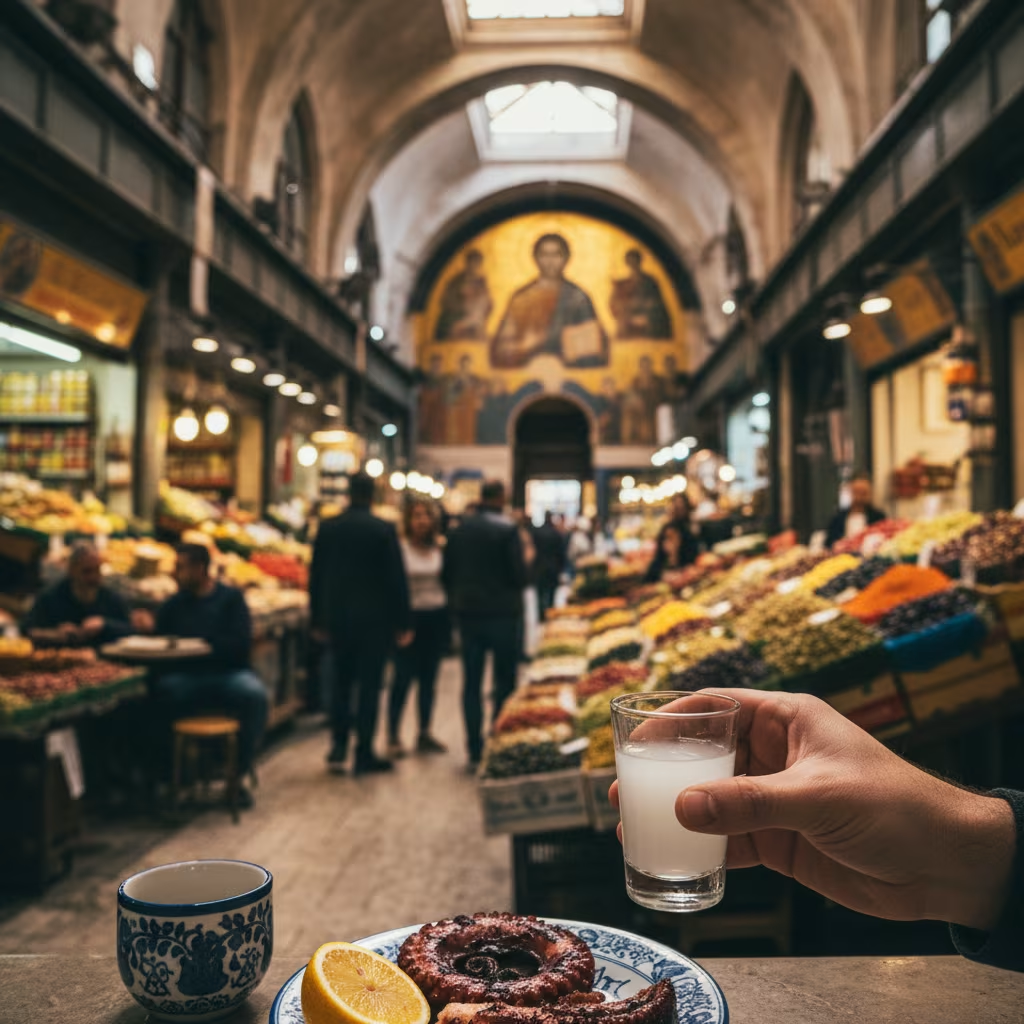
Within Thessaloniki: the city is walkable in the center. Buses cover the full urban area but require a Thessaloniki transit app or card from kiosks. Taxis are inexpensive by Western European standards and easily hailed. The Modiano Market, Byzantine churches, Ladadika, and waterfront are all within a 30-minute walk of each other. For Ano Poli, the walk up is steep, so take a taxi up and walk back down.
A local SIM or eSIM is advisable. Cosmote and WIND are the main Greek carriers with reliable urban coverage.
April to June, and the festival months
April to June
The best window. Warm weather (20–28°C), the city's café culture at full capacity, lower accommodation prices than July–August, and the Thessaloniki Documentary Festival in March and the International Film Festival in November both draw interesting crowds.
July to August
Peak season: the city fills with Greeks from the interior escaping the summer heat, accommodation becomes tighter, and the better restaurants require advance reservations. Still excellent, but more competitive.
September to October
Arguably the best single month for food tourism: the harvest season brings fresh produce to the Modiano Market, temperatures are comfortable (22–28°C), and the crowds thin out.
November to March
The honest off-season. Rain, cooler temperatures (8–15°C), but the city doesn't close: the café culture is year-round and the museums are empty. A genuinely pleasant off-season destination for the right type of traveler.
Practical questions about Thessaloniki
Is Thessaloniki card-friendly or cash-dependent?
More card-friendly than most Greek cities: the center is fairly well covered by contactless payments. That said, older tavernas in Kapani and some Ano Poli restaurants prefer cash. Carry €40–60 in euros.
Do I need to book restaurants in advance?
For the most popular places (Extravaganza, Tsinari), booking a day or two ahead is advisable in summer. For most traditional tavernas, walk-in is fine. The city's food culture is too embedded to be fully reservation-dependent.
What's the best street food in Thessaloniki?
Koulouri (sesame bread ring) from any street vendor. Bougatsa, a phyllo pastry filled with semolina custard or cheese, best at Bougatsa Thessaloniki or Trigona Panoramatos. Gyros in pita from the street stalls around Navarino Square. These are not tourist-facing foods; they're what people eat.
How does Thessaloniki compare to Athens for a first Greece visit?
Athens for the Acropolis and ancient history context; Thessaloniki for Byzantine history, food, and a more authentic urban experience. If you have time for both (5 days each minimum), do both: they're a 4.5-hour train or 45-minute flight apart.
Thessaloniki price sheet:
| Item | Figure | Note |
|---|---|---|
| Airport taxi | flat €20 | — |
| White Tower | €4 | go at 9 AM |
| Dinner for two | €25–30 with house wine | O Apostolos near Kapani Market |
| Modiano Market | opens 7 AM — best before 9 | — |
| City size | ~800,000 (wider urban area) | Greece's second city |
0 Comments
No comments yet — start the conversation.