

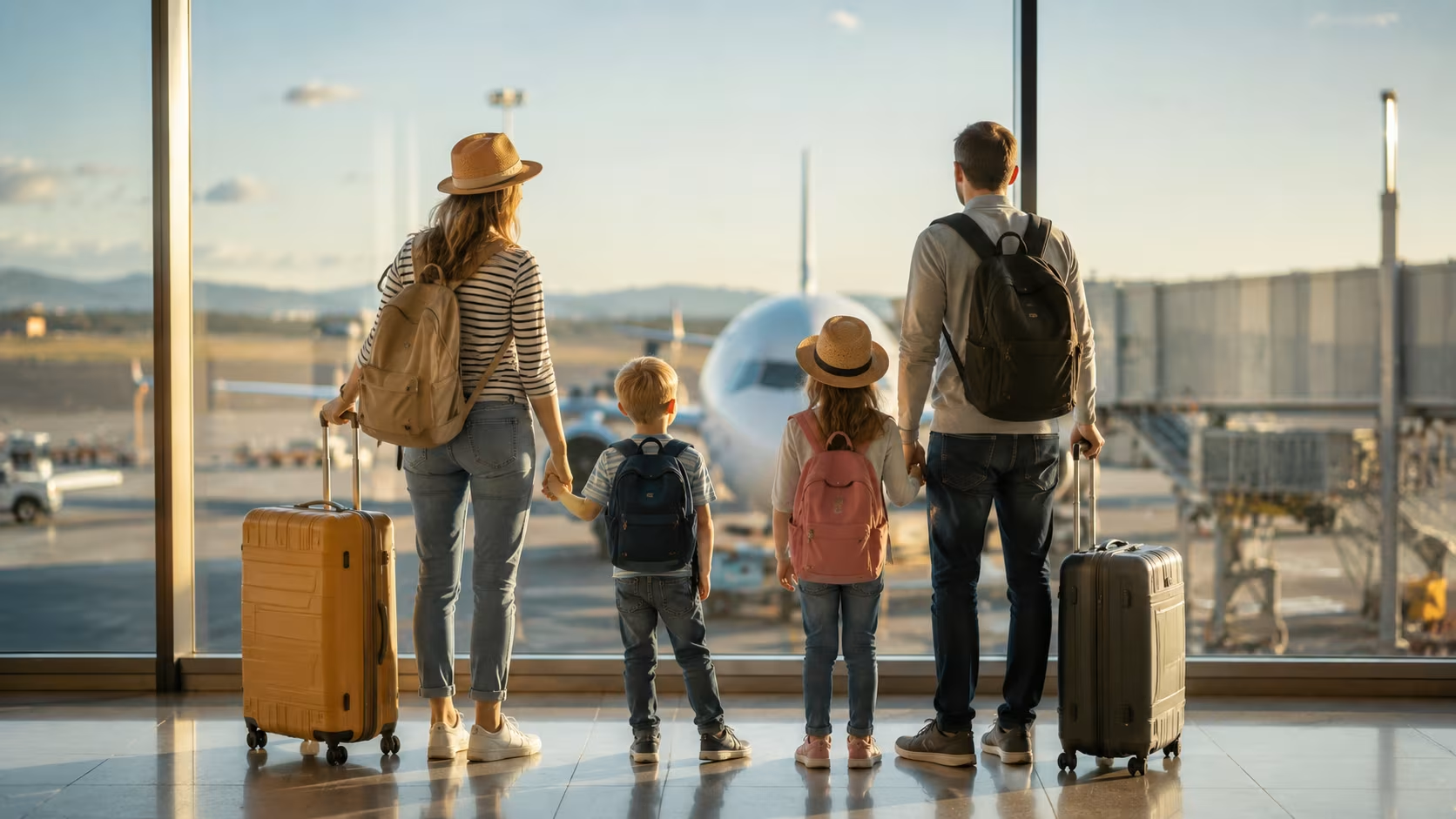
Travel with children is a different experience from solo or couples travel — different planning, different pace, different logistics. The mistakes first-time family travelers make are predictable: choosing destinations designed for adults, overscheduling activities, packing too much, and underestimating how much rest each child (and each parent) needs.
This is a 2026 guide for parents traveling with kids ages 2-14, the age range where the planning trade-offs are most acute. Babies under 2 have their own logistics; teenagers 15+ are increasingly independent travelers. The middle years are when family travel succeeds or fails on the planning.
Three Realities of Family Travel
1. Pace Slows by ~40%
A solo traveler who walks 12 km in a day with 5 sights can manage that pace daily. A family with kids covers ~7 km in a day with 2 sights, including snack breaks, bathroom breaks, melt-down recovery, and naps. Plan for this realistic pace from the start.
2. Hotel/Apartment Rooms Matter More
A solo traveler can survive a tiny hotel room. A family of four in the same room is exhausting after Day 1. Apartments and family suites make a meaningful difference.
3. Children Don't "Push Through"
A tired adult can grind through a 12 km walk to dinner. A tired 6-year-old becomes a meltdown risk. Build rest into the schedule before the rest is forced.
Choosing the Right Destination
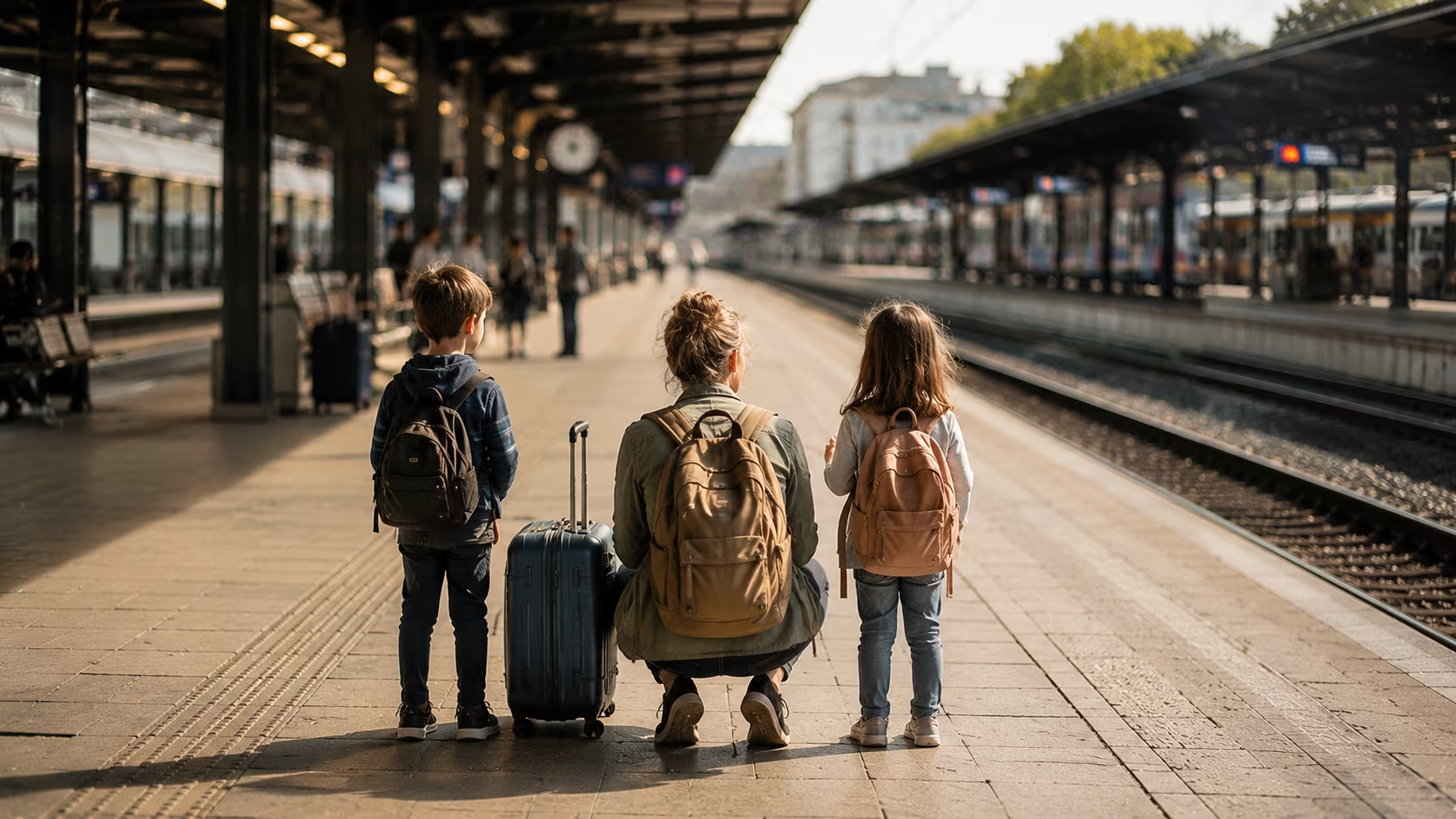
Not every destination works for kids. Some are excellent; some are surprisingly hard.
Excellent for Kids
| Destination | Why it works |
|---|---|
| Japan | Safe; clean; kid-friendly trains; kid-portion menus; family hotels; theme parks (Disneyland, Universal); excellent street food |
| Singapore | Safe; clean; English-speaking; Universal Studios; multiple zoos; air-conditioned malls |
| Australia | Safe; outdoor-focused; beach access; family resorts |
| New Zealand | Safe; outdoor; family-friendly campervan culture |
| Iceland | Safe; outdoor; nature-focused; manageable distances |
| Lisbon | Walkable; mild weather; warm-friendly hotels; tram rides; beach access |
| Costa Rica | Family-friendly resorts; beach + nature combination |
| Mexico (Riviera Maya) | All-inclusive resorts; warm weather; kids' clubs |
| Tokyo Disney + Universal Studios Japan | Theme parks at peak quality |
Solid for Kids with Planning
| Destination | Why it works |
|---|---|
| Italy (Florence, Tuscany, Amalfi Coast) | Pasta-friendly; gelato; warm; some logistical friction |
| Spain (Madrid, Barcelona, Andalusia) | Family-friendly; late-dinner schedule challenging for young kids |
| France (Paris, Provence) | Walkable; museum-rich; expensive; some restaurants child-unfriendly |
| Greek islands | Beach + history; ferry logistics |
| Croatia (Dubrovnik, Split) | Beach + history; manageable scale |
| Thailand (Bangkok + island) | Family-friendly; beach + city; some adult-only zones to avoid |
| Vietnam (Hoi An, Hanoi family-friendly hotels) | Affordable; good food; some chaotic streets |
Tough for Kids
| Destination | Why it's tough |
|---|---|
| Egypt (Cairo) | Heat; intensity; sales pressure; not designed for kids |
| India | Rich, but logistical demands; safety considerations; sometimes overwhelming |
| Morocco (Marrakech specifically) | Souk intensity; heat; some kid-unfriendly aspects |
| Cambodia (Angkor Wat) | Heat; long touring days; ruins less engaging for young kids |
| Africa safari | Logistically demanding; specific age requirements at many lodges |
Best for First Family Trip
If this is your family's first international trip:
- Pick a city + beach combination (Lisbon + Cascais; Bangkok + Phuket; Mexico City + Riviera Maya).
- Choose a country with strong English (or your native language).
- Choose 7-10 days for first family trip; not 3 weeks.
- Pick a place with established family infrastructure (kid menus, family hotel rooms, walking-distance amenities).
Strong first-family picks: Lisbon, Tokyo (with kids 6+), Singapore, Costa Rica, Mexico (Riviera Maya), Australia (Sydney + Gold Coast), Greek islands.
Flight Strategy with Kids
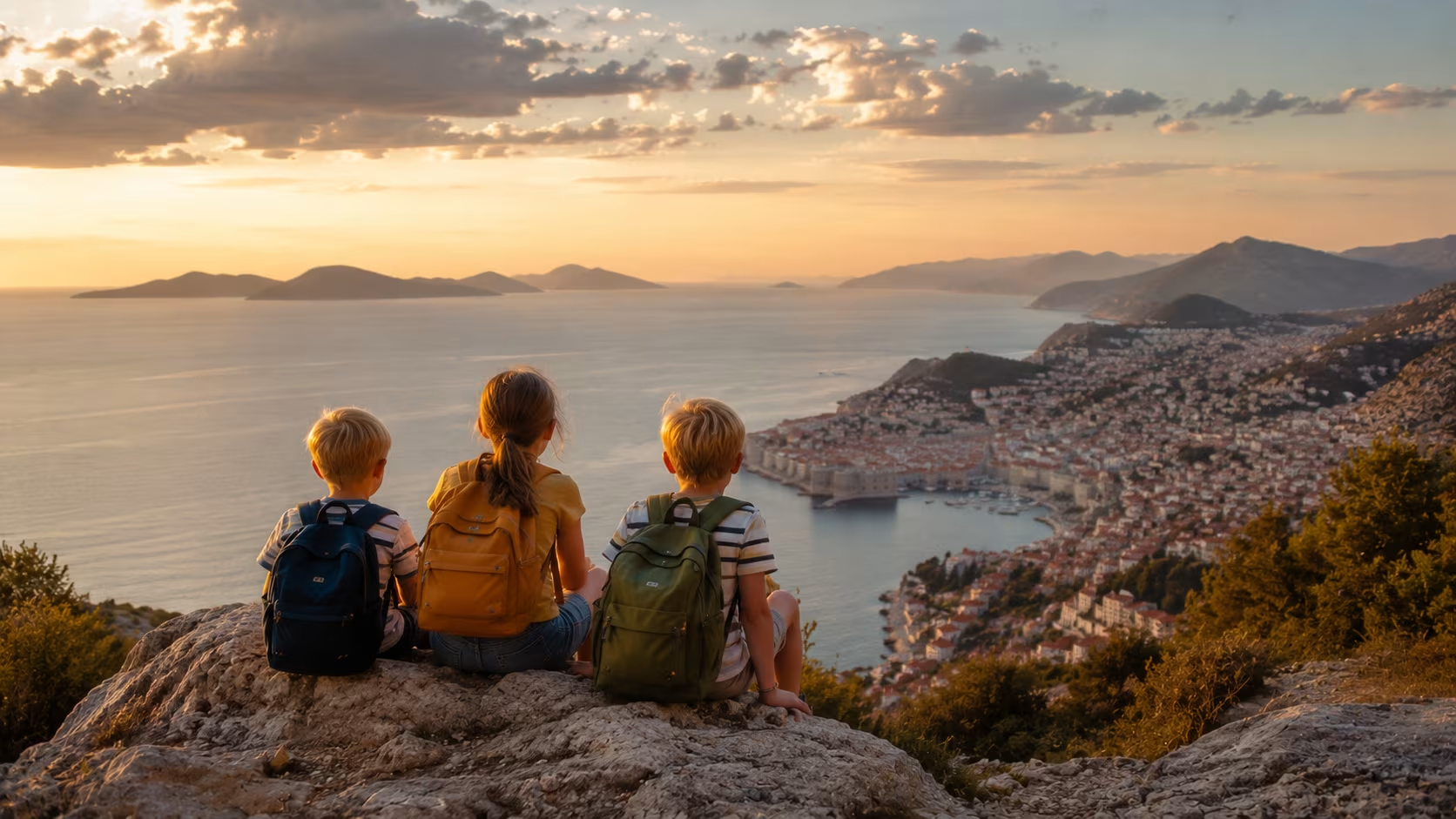
Choosing Flights
- Direct flights when possible. Connections add 2-4 hours of stress per leg.
- Take-off + landing meals. Avoid flights where the plane lands at 02:00 destination time.
- Daytime flights for short trips. Easier than overnight. Save red-eye flights for cross-continental travel where overnight is necessary.
- Bulkhead seats with bassinet attachments for babies; kids 4+ no need.
- Aisle + window combination for parent + kid; trapped in middle seats is brutal.
Pre-Flight
- Eat at the gate. Airport food is bad; in-flight kids' meals are worse. Eat well before boarding.
- Bathroom before boarding. Avoid mid-takeoff emergencies.
- Charge devices fully. Tablet + headphones for entertainment.
- Pack snacks. Crackers, fruit, sandwiches in original packaging (most airlines allow food brought from home).
- Pack 1-2 small toys + a sticker book. Novelty distraction.
- Pre-flight clothes change for younger kids. Travel pajamas help.
In-Flight
- Set tablet at takeoff. A movie covers the climbing-and-leveling phase.
- Snack management. Small portions every 90 minutes prevent the "I'm hungry meltdown."
- Bathroom every 90-120 minutes. Don't wait until urgent.
- Walk the cabin during long flights. Even 5-min stretching breaks help.
- Lower expectations. Some flights with kids are simply hard.
Accommodations: What Actually Matters
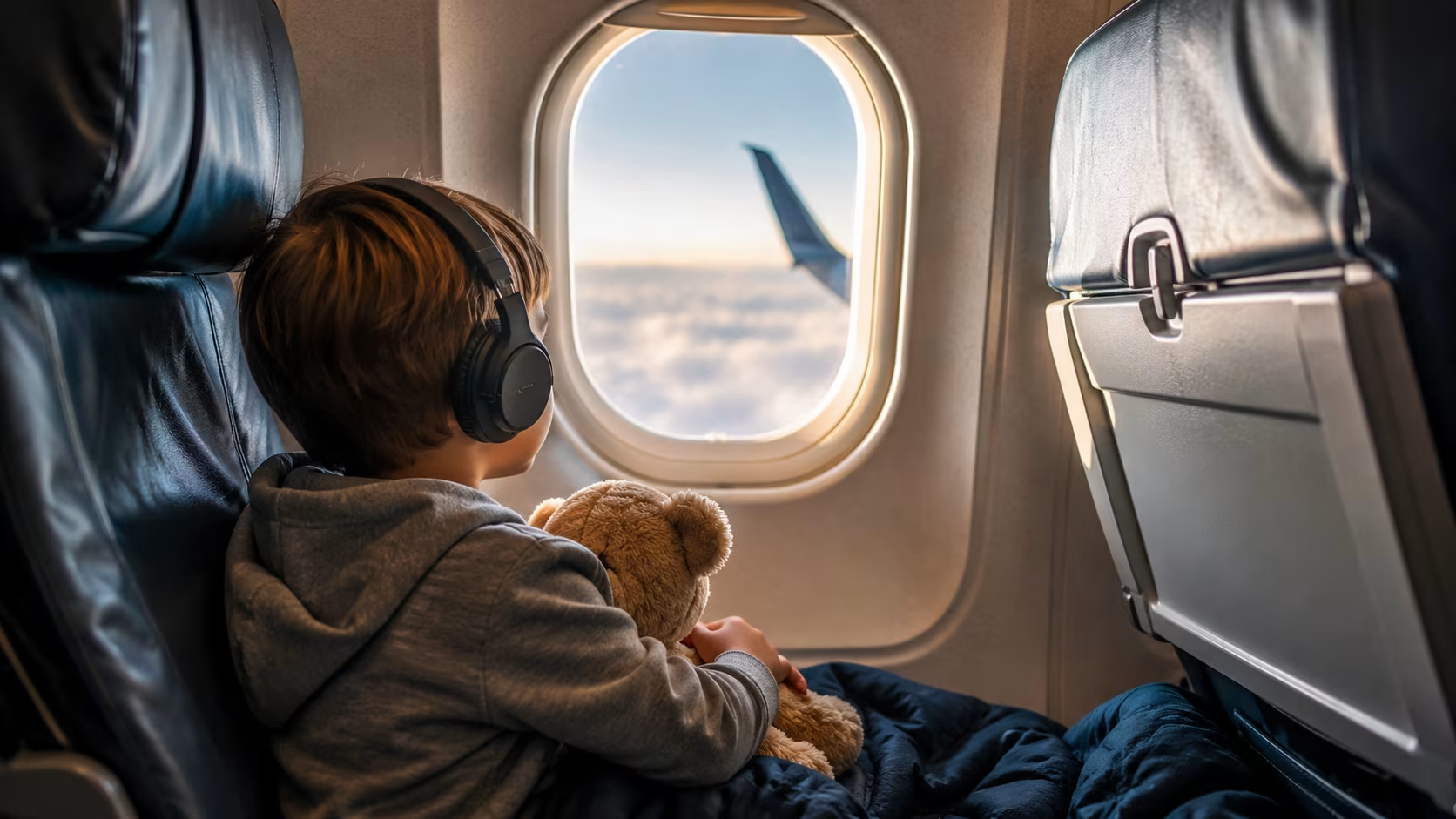
For Stays Over 5 Nights
Strong preference for apartments over hotels. Reasons:
- Real kitchen. Breakfast at the apartment saves time + money.
- Separate sleeping area. Kids in bed at 19:00; parents can stay up.
- Laundry. A 7+ day trip with kids generates real laundry needs.
- Living space. Not stuck in one hotel room with cooped-up kids.
For Stays Under 5 Nights
Family-friendly hotels often work fine. Look for:
- Family rooms or connecting rooms.
- Pool access.
- On-site restaurant with kids' menu.
- Walking distance to attractions.
- Child cribs/strollers available if needed.
Resort vs. City Trade-Off
Resorts for relaxation-focused trips. All-inclusive options remove daily decisions; kids' clubs give parents 2-3 hours daily of adult time.
City stays for cultural-focused trips. More daily logistics; richer experiences.
Hybrid trips combine 5-7 days at a resort + 2-3 days in a city (or vice versa).
What to Pack for Kids
The Essentials
- Layered clothes. Travel weather varies; layer adjustments handle most ranges.
- Comfortable walking shoes (one pair) + backup sneakers + swim shoes if beach.
- Sun protection. UPF 50 swimwear, sunscreen, hats, sunglasses.
- Insect repellent for warm/wet destinations.
- Familiar food (basic snacks they'll eat anywhere — crackers, granola bars).
- Tablet + cases + charging cables.
- Headphones (kid-sized).
- Comfort items — favorite stuffed animal, blanket, book.
What to Skip
- Heavy strollers for older kids. A 4-year-old can walk; an umbrella stroller works for the rare needed cases.
- All their favorite toys. 2-3 small toys is enough.
- Multiple changes of "nice" clothes. Travel + kids = stains; comfort wins.
- A separate first-aid kit. Most pharmacies abroad sell what you'd pack.
Daily Schedule with Kids
Morning
- Slow start. Don't try to be at a museum at 09:00 with kids; parents need coffee, kids need a leisurely breakfast.
- Big activity 10:00-12:00. Energy peaks late morning.
- Lunch by 12:30. Don't wait until 14:00 with hungry kids.
Afternoon
- Rest 13:30-15:30. Hotel/apartment time. Naps if needed; quiet activities; air-conditioning break.
- Second activity 15:30-18:00. A walk, a smaller museum, a park.
Evening
- Early dinner 18:30-19:30. Restaurants get crowded later; kids meltdown by 20:00.
- Bedtime by 20:30. Earlier the better.
- Parent time after kids sleep. Apartment kitchen + a glass of wine; or one parent stays in while the other goes out.
Build in Off-Days
Every 3-4 days, schedule a true rest day — pool morning, slow lunch, nothing else. The trip lasts longer when nobody's burned out.
Specific Tactics by Age
Toddlers (2-4)
- Stick to short flights and short trips. A 2-week trip with a 3-year-old is exhausting.
- Avoid jet lag if possible. Flights with <3 hour time zone change.
- Stroller. A real one (not umbrella) for travel days.
- Beach destinations work well at this age.
- Avoid cultural sites that require quiet attention.
Young kids (5-8)
- Theme parks land here. Disney + Universal start working.
- Ferry rides + tram rides are activities, not transit.
- Children's museums + science museums become engaging.
- Limit walking days to 5-6 km.
Tweens (9-12)
- Adventure activities start working — rafting, hiking, snorkeling.
- Real museums (with audio guides) can engage at this age.
- Phone responsibility. Many kids this age have phones; let them have some independence in safe areas.
- Active vacations (skiing, surf camp, hiking) work well.
Teens (13-17)
- Their input matters. Co-plan with them; otherwise resentment.
- Adventure focus (multi-day hikes, surf trips, foreign-language immersion) works.
- Some independent time daily is appreciated.
- Phone access is non-negotiable.
Eating with Kids
Breakfast
Breakfast at apartment or hotel is universal. Pack-friendly: toast, fruit, yogurt, eggs.
Lunch
- Hawker centers / food courts (Asia) work great.
- Markets (Italy, France, Spain) for casual fresh.
- Counter restaurants (sushi counters, ramen counters) have higher engagement than tablecloth places.
Dinner
- Eat early in cultures that allow (US, UK, much of Europe at 18:00-19:00).
- In late-dinner cultures (Spain, Italy, Argentina), kids eat at 20:00-21:00 — early bedtime gone for that night.
- Choose family-friendly restaurants. Most cuisines have categories: trattorias in Italy, casual French bistros, Mexican fondas, hawker centers, izakaya.
- Bring snacks for the wait.
What to Eat
Kids tend to like familiar simple foods. In every cuisine, find equivalents:
- Pasta (Italian, Argentinian, Greek) for picky eaters.
- Rice + meat (Asian, Mexican, Spanish) reliable.
- Pizza (almost universal).
- Bread + cheese + ham (Spain, France, Mediterranean).
- Fruit + yogurt for snack.
Common First-Family-Trip Mistakes
- Trying to optimize like a solo traveler. 6 sights in a day is impossible with kids.
- Booking only one tiny hotel room. Two connecting rooms or an apartment is dramatically better for stays over 4 nights.
- Skipping rest days. "We'll catch up at home" — usually wrong; travel exhaustion compounds.
- Bringing too many toys. 2-3 favorites + tablet covers most needs.
- Eating only at chain restaurants because they're "safe." Local working-class restaurants often more kid-friendly than chains.
- Ignoring jet lag in kids. Children adjust slower than adults; build buffer days.
- Not packing snacks. Hangry kids = trip emergencies.
- Trying to do nightlife with kids in tow. They need to sleep; one parent can rotate evenings out.
- Booking a 4-flight, 3-stop journey. Connections multiply complications.
- Choosing destinations based on adult interests only. Kids need at least one daily activity that interests them.
- Forgetting time zone math for medications, naps, school continuity.
- Underpacking entertainment for flights. A 10-hour flight without device entertainment is a parent's nightmare.
Specific Activity Recommendations
Beach Trips
- Equipment rental at destination is cheaper than packing.
- UPF 50 swim shirts prevent sunburn for active swimmers.
- Reef-safe sunscreen.
- Stay near the beach — walking 20 minutes to the beach with kids in heat is brutal.
Theme Parks
- Buy tickets in advance. Walk-up queues are real.
- Stay on-site or nearby. The midday hotel break + return for evening hours is the secret to enjoyment.
- Park strategy. Most theme parks have apps that show current wait times; check before queuing.
- Snacks help. Pack a backpack of food.
Museums
- Children's museums and science museums for younger kids.
- Art museums with audio guides for older kids.
- 30-60 minute target. Don't try 3 hours of museum with young kids.
- Gift shops at the end as motivation.
Cultural Sites
- Choose 1 per day. A historical site like Pompeii or Angkor Wat is a full activity.
- Mid-morning timing. Early enough for cooler weather.
- Hire a kid-focused guide if available.
Travel Insurance for Families
- Critical. A child illness mid-trip can produce significant costs.
- Specifically check pediatric coverage limits.
- CFAR (Cancel for Any Reason) is more valuable for families since trip cancellation rates are higher.
- Annual family policies for families that travel 3+ trips per year.
Final Notes
Family travel works when parents accept the slower pace and design accordingly. The trip that's exhausting for the parents is one that tried to maintain solo-traveler pace. The trip that becomes the family's defining shared memory is the one with realistic pace + built-in slow time + activities that engage everyone.
The single best advice plan the trip for 70% of what you'd do solo. Pack 2/3 of what you think you need. Build one rest day per 3-4 active days. The trip won't feel slow; it will feel sustainable.
The quietest piece of advice pick one daily activity per child to look forward to. Could be a pool visit, a specific dessert, a museum, a beach. The anticipation lets them push through harder activities (climbing castle stairs, sitting through dinner) because the reward is coming. Family travel becomes much easier when the kids have specific things they're looking forward to in each day.
0 Comments
No comments yet — start the conversation.