

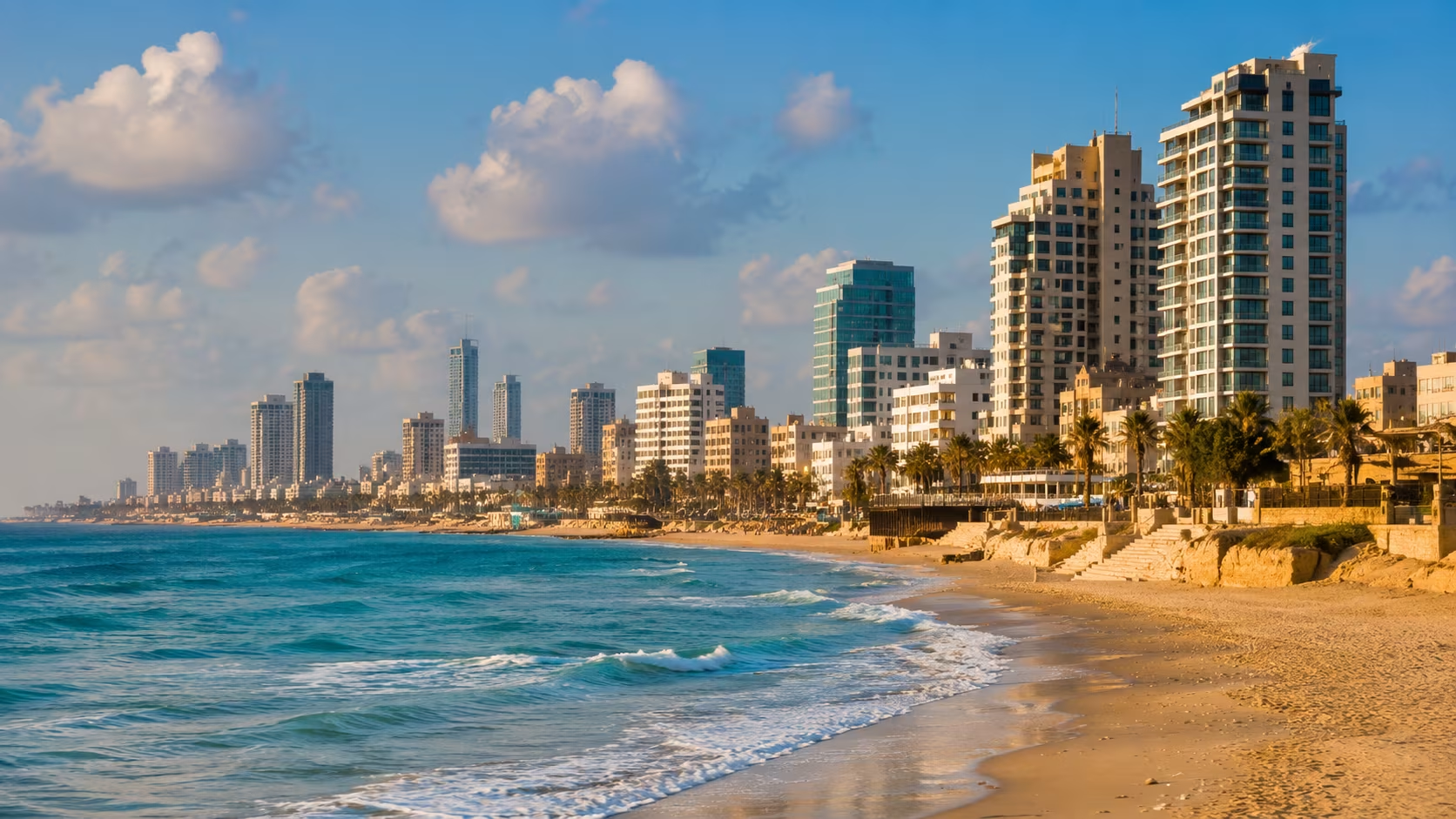
Tel Aviv is the modern Mediterranean coastal city that anchors Israel's economy + culture. The 2026 city sits in a region whose situation has shifted significantly since the 2023-2024 conflict period; tourism dropped sharply during that period and is rebuilding gradually. Travelers planning Tel Aviv visits in 2026 should check current safety advisories + flight availability before booking.
For visitors when conditions allow, Tel Aviv is one of the most distinctive cities in the Mediterranean — the Bauhaus architectural heritage (the city has the world's largest collection of Bauhaus + International Style buildings, UNESCO since 2003), the dense food scene, the beach culture along 14 km of Mediterranean coastline, and the Jaffa Old City (founded 7,500+ years ago, attached as the city's southern district).
This is a 4-day guide for first-time visitors when traveling is appropriate.
Quick Facts
| Item | Detail |
|---|---|
| Country | Israel |
| Currency | Israeli new shekel (NIS / ILS), ~3.7 NIS/USD or ~4.0 NIS/EUR in 2026 |
| Languages | Hebrew, Arabic; English universal |
| Time zone | IST (UTC+2) / IDT (UTC+3) |
| Tourist tax | None |
| Best time | March–May, October–November |
| Visa | Visa-free for 90 days for US, EU, UK, Canada, Australia, etc. |
| Trip length | 3–4 days |
When to Go
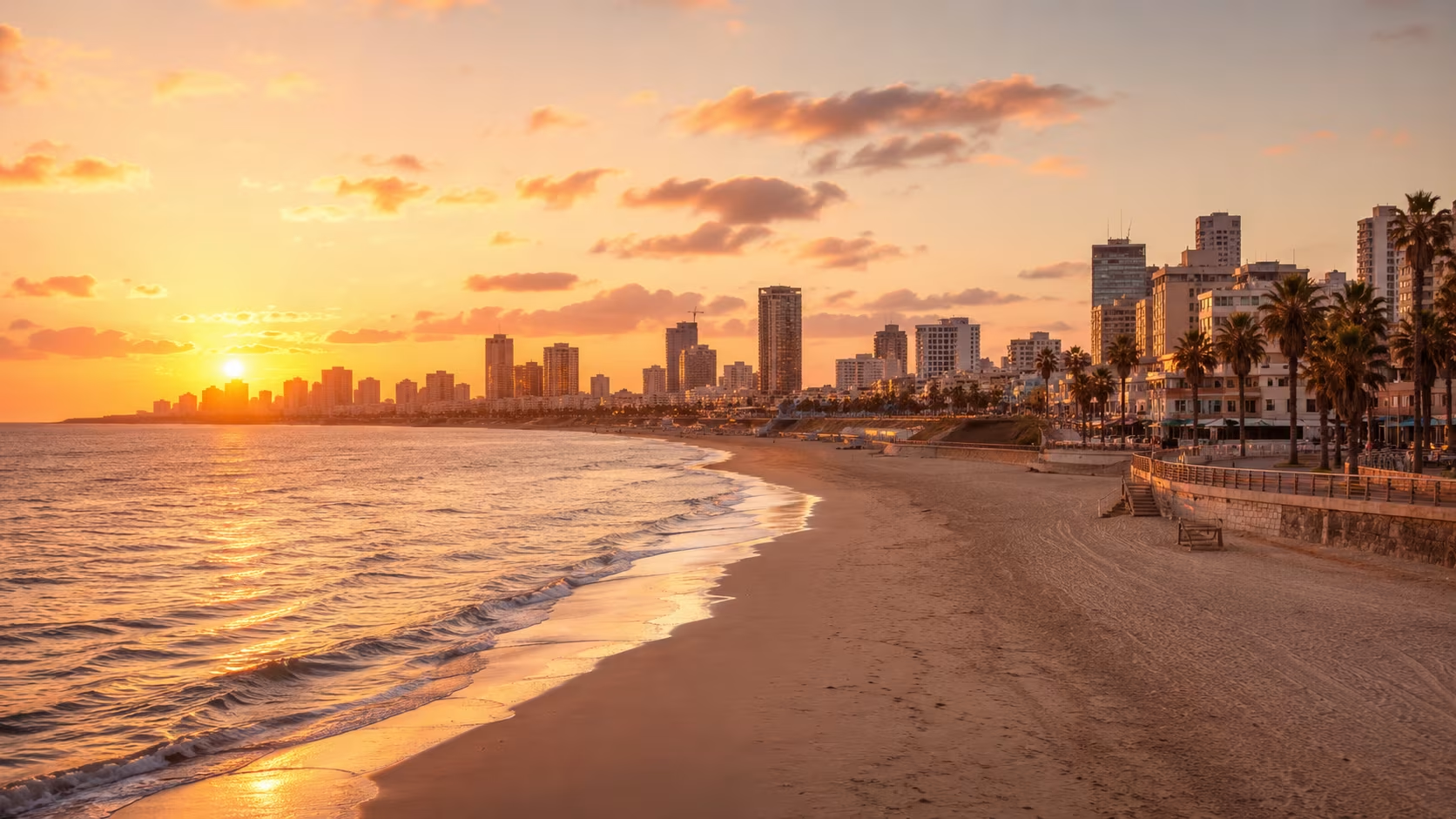
March to May. The sweet spot. Mild weather (18-26°C), beaches becoming usable, terraces opening.
October to November. The other prime window. Schools resumed; Mediterranean still warm enough for swimming through October.
June to August. Hot (28-33°C) + humid. Beach culture peaks. Tourist density high (when conditions allow).
December to February. Mild winter (10-18°C). Less crowded; some rain.
Avoid:
- Major Jewish holidays (Passover late March/April, Yom Kippur in autumn) for closures + transit changes.
- Shabbat (Friday sundown to Saturday sundown) — most Jewish-owned restaurants + many shops + much of public transit shuts down. Tel Aviv is more secular than Jerusalem; many restaurants stay open. Plan accordingly.
- Major events + festivals — book early.
Getting In
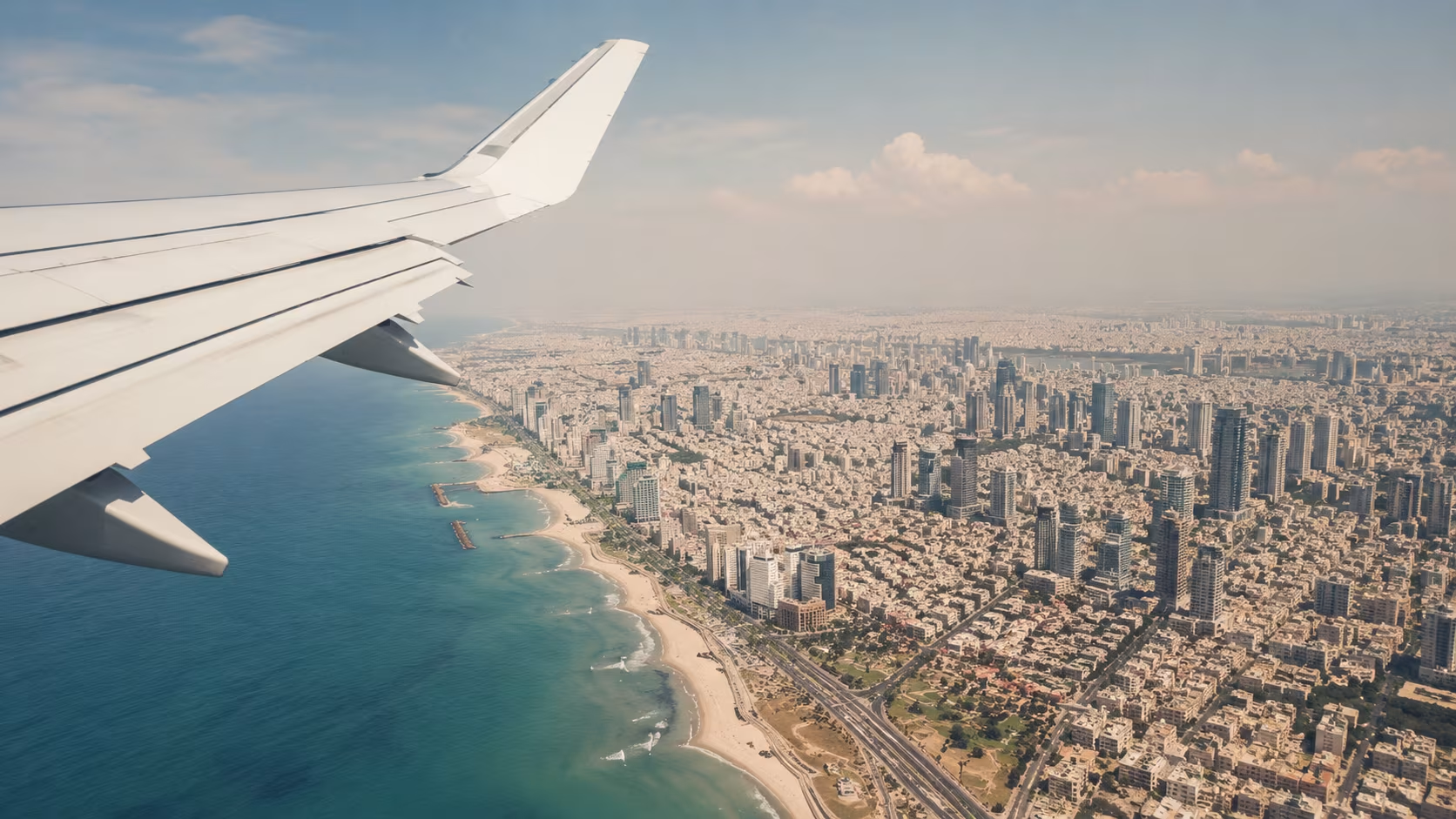
Ben Gurion International Airport (TLV). 20 km southeast of Tel Aviv.
From TLV:
- Train: 16 NIS, 20 min to Tel Aviv Savidor Station; reasonable for most central destinations.
- Sherut (shared taxi): 70 NIS per person, 30-40 min, drops at multiple stops.
- Taxi: 200-280 NIS to most central locations (the meter is mandatory; insist).
- Hotel transfer: 250-400 NIS.
Getting Around
Walking
Tel Aviv is dense + walkable in central areas. The beach promenade runs 14 km along the coast.
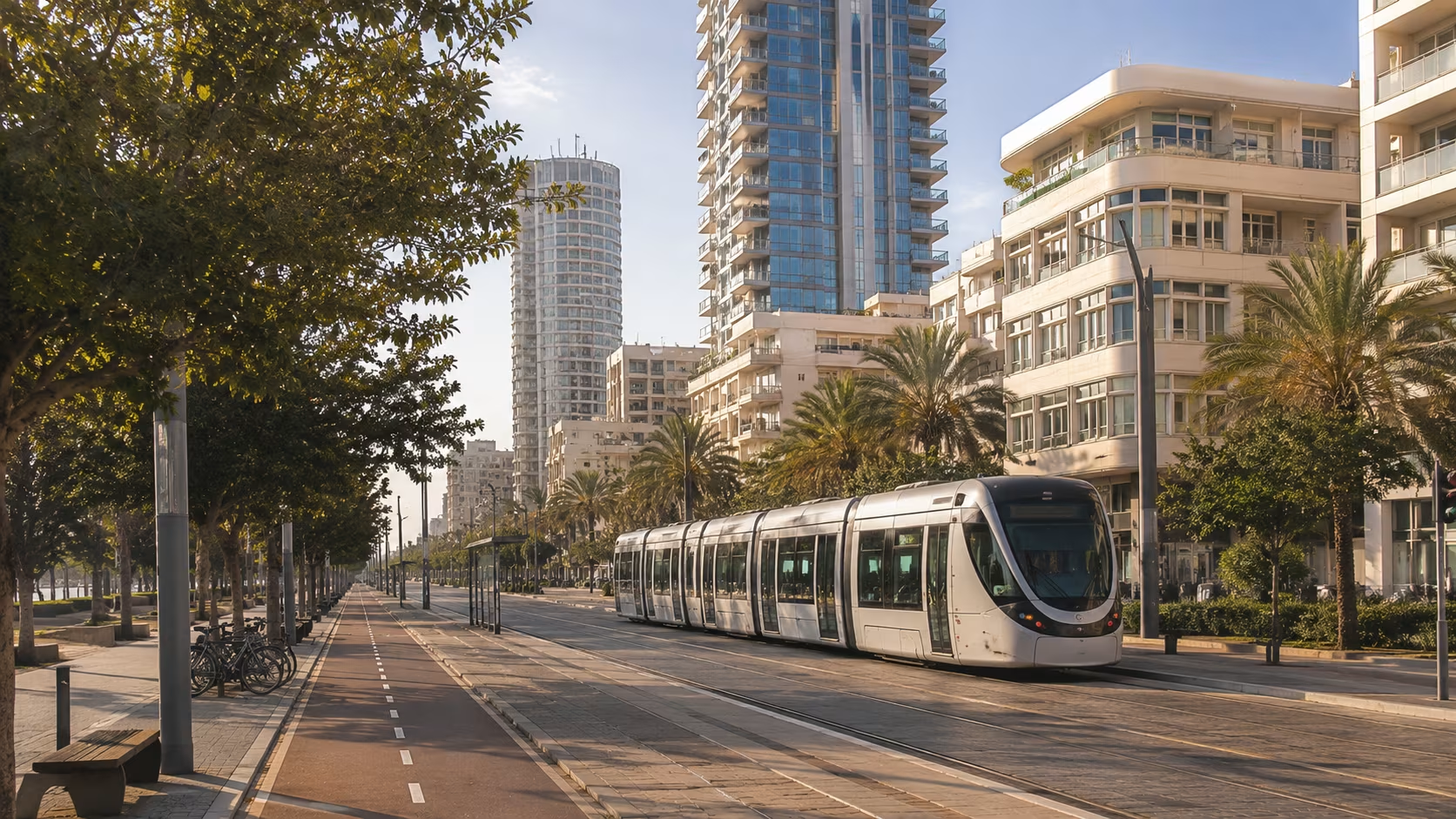
Light Rail (Red Line)
Opened 2023. Useful for some specific routes (south to north central). Single ride 6 NIS.
Bus
Dan + Egged operate buses. Same payment system. Apple Pay tap-in works on most lines.
Rav-Kav Card
The rechargeable transit card. Buy at any train or bus station. Tap to pay.
Taxi / Gett
Gett is the local Uber-equivalent. Reliable. Most central trips: 20-50 NIS.
Bicycle
Tel-O-Fun is the city bike share. Excellent infrastructure along the beach + central streets.
Where to Stay
Tel Aviv's neighborhoods feel different from each other.
Tel Aviv Central / Beach
The beachfront strip + central business district. Walking distance to the beach + Carmel Market + Rothschild Boulevard. Premium hotels.
Neve Tzedek
South of central. The historic 1880s neighborhood (the first Jewish neighborhood outside Jaffa walls). Boutique hotels in restored buildings; cafés; design shops.
Florentin
The creative-class neighborhood south of central. Indie shops, bars, street art. Mid-range hotels.
Jaffa (Old City)
The ancient port + Old City attached to Tel Aviv. Cobblestoned streets, Mediterranean atmosphere. Boutique hotels.
Avoid as a base
- Far suburbs — too far for short trips.
- Near central station only — convenient but transitional.
Realistic 2026 nightly prices (4-star, weekday, shoulder, USD):
| Neighborhood | Mid-range | Higher-end |
|---|---|---|
| Tel Aviv Central | $200-330 | $450-1,000 |
| Neve Tzedek | $230-380 | $500-1,200 |
| Florentin | $130-220 | $300-550 |
| Jaffa | $180-300 | $400-800 |
Tel Aviv prices have softened with reduced tourism + are returning to pre-conflict levels. Currently mid-range for Mediterranean capitals.
What to Book in Advance
Tel Aviv Museum of Art
The city's main art museum. 50 NIS. Walk-up usually fine.
Eretz Israel Museum
The ethnographic + archaeological museum. 50 NIS. Walk-up.
Beit Ha'atzmaut (Independence Hall)
Where Israel was declared in 1948. 35 NIS. Books out 1-2 weeks ahead in summer.
Premium Restaurants
- OCD (modern Israeli, recognized).
- Eyal Shani's restaurants (Miznon for casual; Romano for upscale).
Day 1 — Beach + Bauhaus
08:30. Coffee at a local café. Cafelix (specialty roaster). Beit Hatzir (casual).
09:30. Walk the Tel Aviv Beach Promenade. Start at HaYarkon River (north end) + walk south. The Mediterranean on one side; Bauhaus + modern apartments on the other.
11:00. Dizengoff Square + Dizengoff Street — the central commercial axis. Walk south to Rothschild Boulevard.
12:00. Rothschild Boulevard. The famous tree-lined boulevard — Bauhaus + International Style + recent modern architecture. Walking the central axis reveals the city's architectural identity. Allow 60 minutes.
13:00. Lunch in central. Miznon (Eyal Shani's casual). HaBasta at Carmel Market for working-class. Café Suzanna for traditional.
14:30. Carmel Market (Shuk HaCarmel) — the city's most-vibrant outdoor market. Spices, fruits, baked goods, prepared foods. Allow 90 minutes.
16:00. Bauhaus Museum (35 NIS) or White City Center (free). The architectural heritage center. Allow 60 minutes.
17:30. Beach time at Frishman Beach or Gordon Beach.
19:30. Aperitivo. Rothschild 12 or another central bar.
21:00. Dinner. OCD (modern Israeli). Romano for upscale Italian-Israeli. HaTraklin (modern Israeli). Mashya (modern).
Day 2 — Jaffa
09:00. Coffee.
10:00. Walk or bus to Jaffa. The 7,500-year-old Mediterranean port + biblical city + the Old City of Tel Aviv-Yafo. Walk the cobblestoned streets:
- Old City + Jaffa Port.
- Jaffa Flea Market (Shuk HaPishpeshim) — walking + browsing for hours.
- Kedumim Square + St. Peter's Church.
- HaPisga Garden for the panoramic view back at Tel Aviv.
Allow 3 hours.
13:00. Lunch in Jaffa. The Old Man and the Sea (the famous cluster of Arab-Israeli mezze restaurants). Dr. Shakshuka for shakshuka (Tunisian-Jewish breakfast classic).
14:30. Walk back to Neve Tzedek through the southern Tel Aviv neighborhoods.
15:30. Neve Tzedek. The 1880s historic neighborhood. The Suzanne Dellal Centre for dance + theater. Boutique shopping. Allow 90 minutes.
17:00. Walk along the beach back to your hotel.
19:30. Dinner. Manta Ray at Aviv Beach for upscale seafood. Toto in Neve Tzedek. Port Said for casual modern Israeli.
Day 3 — Florentin + Tel Aviv Modern
09:30. Coffee in Florentin. HaJafnit (specialty). Café Levinsky.
10:30. Florentin neighborhood walking. Street art tour. The creative-class neighborhood; murals on most walls. Allow 90 minutes.
12:00. Lunch in Florentin. Pini for working-class. HaSandwich shel HaSchunah for the famous sandwich shop.
14:00. Tel Aviv Museum of Art. 50 NIS. Allow 2.5 hours.
16:30. Sarona (the historic German Templer compound, restored 2014). Walking the area + the Sarona Market food hall.
18:00. Walk along Rothschild Boulevard back to central as evening light arrives.
19:30. Dinner. Mashya (modern Israeli). Restaurant Onza in Jaffa for upscale Mediterranean. HaTraklin (modern Israeli).
Day 4 — Choose: Day Trip, Beach Day, or Slow Day
Path A — Jerusalem Day Trip
Jerusalem is 70 km southeast of Tel Aviv. Train: 35 minutes (recently completed Tel Aviv-Jerusalem high-speed rail). Bus: 60 minutes. Tour with driver: 4-8 hours.
Day-trip itinerary:
- Morning: Old City — Western Wall, Church of the Holy Sepulchre, Dome of the Rock view, Via Dolorosa.
- Lunch in Old City or at Mahane Yehuda Market.
- Afternoon: Yad Vashem (the Holocaust memorial + museum).
- Late afternoon: return to Tel Aviv.
Different atmosphere from Tel Aviv. Religious + tense + heavy in places. Worth the trip.
Path B — Dead Sea Day Trip
100 km southeast. The world's lowest point + famous mineral water for floating. Day tour with bus pickup: $80-150.
Path C — Caesarea Day Trip
45 km north. The Roman + Crusader port. Mediterranean ruins + beach. Day excursion.
Path D — Beach + Slow Tel Aviv
Morning beach time at Hilton Beach (popular gay-friendly section) or Frishman Beach.
Lunch at a beach restaurant.
Afternoon at the Eretz Israel Museum (50 NIS) or beach time.
Final evening at a Neve Tzedek restaurant.
What to Eat
Israeli food culture is one of the most-distinctive in the Mediterranean. The combination of Mizrahi (Eastern Jewish), Sephardi (Iberian Jewish), Ashkenazi (European Jewish), Arab-Palestinian, North African, Middle Eastern, and modern Israeli innovation produces a dense scene.
Headline Dishes
| Dish | What it is |
|---|---|
| Hummus | Chickpea + tahini paste. Multiple regional styles. Hummus Said in Acre + Abu Hassan in Jaffa are institutions. |
| Falafel | Deep-fried chickpea (or fava bean) balls. Stuffed in pita with tahini + salads + pickles. Working-class lunch. |
| Shakshuka | Eggs poached in tomato + pepper + spice sauce. Tunisian-Jewish origin; now national breakfast. |
| Sabich | Iraqi-Jewish breakfast — pita with hard-boiled egg, fried eggplant, hummus, tahini, amba (mango pickle), Israeli salad. |
| Israeli salad | Diced cucumber + tomato + parsley + lemon + olive oil. The mandatory side. |
| Bourekas | Filled pastries (cheese, potato, spinach). Sephardi origin. |
| Schnitzel | Breaded fried chicken. The casual lunch standard. |
| Knaffeh / Kanafeh | Cheese-filled shredded-pastry dessert with sweet syrup + crushed pistachios. Palestinian origin; widely beloved. |
| Halva | Sesame-based confection. Markets sell hundreds of varieties. |
| Arak | Anise-flavored spirit (similar to ouzo, raki). Often diluted with water. |
| Wine | Israeli wine has improved dramatically. Brands: Yarden, Tabor, Recanati. |
Where to Eat
Modern Israeli:
- OCD (modern, recognized).
- Mashya (modern Israeli).
- HaTraklin (modern Israeli).
- Manta Ray (upscale seafood at Aviv Beach).
- Romano (Eyal Shani's upscale Italian-Israeli).
Traditional + Casual:
- Miznon (Eyal Shani's casual; multiple locations).
- Port Said (casual modern Israeli).
- HaTukim (working-class Mizrahi).
- Shtisel (working-class kosher).
Hummus + Falafel:
- Abu Hassan in Jaffa (since 1959, the famous hummus institution).
- Hummus Said in Acre — but day trips north.
- Falafel HaKosem for falafel.
- Falafel Gabai.
Markets + Food Halls:
- Sarona Market (modern food hall).
- Carmel Market (outdoor traditional market).
- Levinsky Market (south Tel Aviv specialty market).
Costs and Budget
2026 daily budgets per person, excluding flights and hotel (USD):
| Style | Per day | Notes |
|---|---|---|
| Backpacker | $40-70 | Hostel, falafel + casual lunch, walking |
| Mid-range | $80-150 | Mix of casual and proper restaurants, museums, transit |
| Comfortable | $180-300 | Better restaurants, premium experiences, taxis |
| Higher-end | $500+ | Tasting menus, premium hotels, private guide |
Practical Info
- Cards. Universal. Some smaller markets cash-only.
- Tipping. 12-15% standard at sit-down restaurants. Round up taxis. 5-10 NIS for hotel housekeeping.
- English. Universal in tourist areas.
- Sundays. First day of work week (the Israeli weekend is Friday-Saturday). Most things open.
- Shabbat. Friday sundown to Saturday sundown. Many Jewish-owned restaurants close. Tel Aviv is more secular; many restaurants stay open. Public transit + many shops close. Plan accordingly.
- Pickpocketing. Real around tourist sites. Standard precautions.
- Heat. Summer afternoons brutal. Schedule beach time + indoor breaks.
- Crime. Tel Aviv itself is generally safe. Standard urban precautions.
- Security situation. Verify current advisories before booking. The 2023-2024 conflict period changed travel advisories significantly.
- Smoking. Banned indoors at restaurants.
Common First-Timer Mistakes
- Skipping Jaffa. It's the historical anchor of the city.
- Eating only at chain restaurants. Tel Aviv's food scene is distinctive.
- Not learning hummus etiquette. Real hummus is eaten with pita; scoop, don't dip.
- Underestimating Shabbat closures. Plan around Friday evening + Saturday daytime.
- Visiting in mid-July or August. Heat is real.
- Drinking heavily at beach clubs. Real dehydration risk in heat.
- Skipping the Bauhaus walking tour. The architecture is the city's UNESCO heritage.
- Not exploring Florentin. It's the city's most-distinctive recent neighborhood.
- Trying to do Tel Aviv + Jerusalem + Dead Sea + Galilee in 4 days. Each deserves more time.
Final Notes
Four days in Tel Aviv is the right length when the security situation permits. One central + Bauhaus + beach day; one Jaffa + Neve Tzedek day; one Florentin + museum day; one Jerusalem or alternative day trip.
The quietest piece of advice: spend a Friday afternoon at a Tel Aviv beach. The city's secular character is most-visible on Friday afternoon — beaches packed with families before Shabbat dinner; restaurants serving the last meals before closure; the unique Israeli combination of beach culture + religious tradition + modern Mediterranean life. The Tel Aviv that stays with you isn't the Bauhaus photograph; it's the way the city's complicated identity — secular + religious + Mediterranean + Middle Eastern + Western — coexists daily, most-visible at the boundary moments like Friday sunset before Shabbat.
0 Comments
No comments yet — start the conversation.