

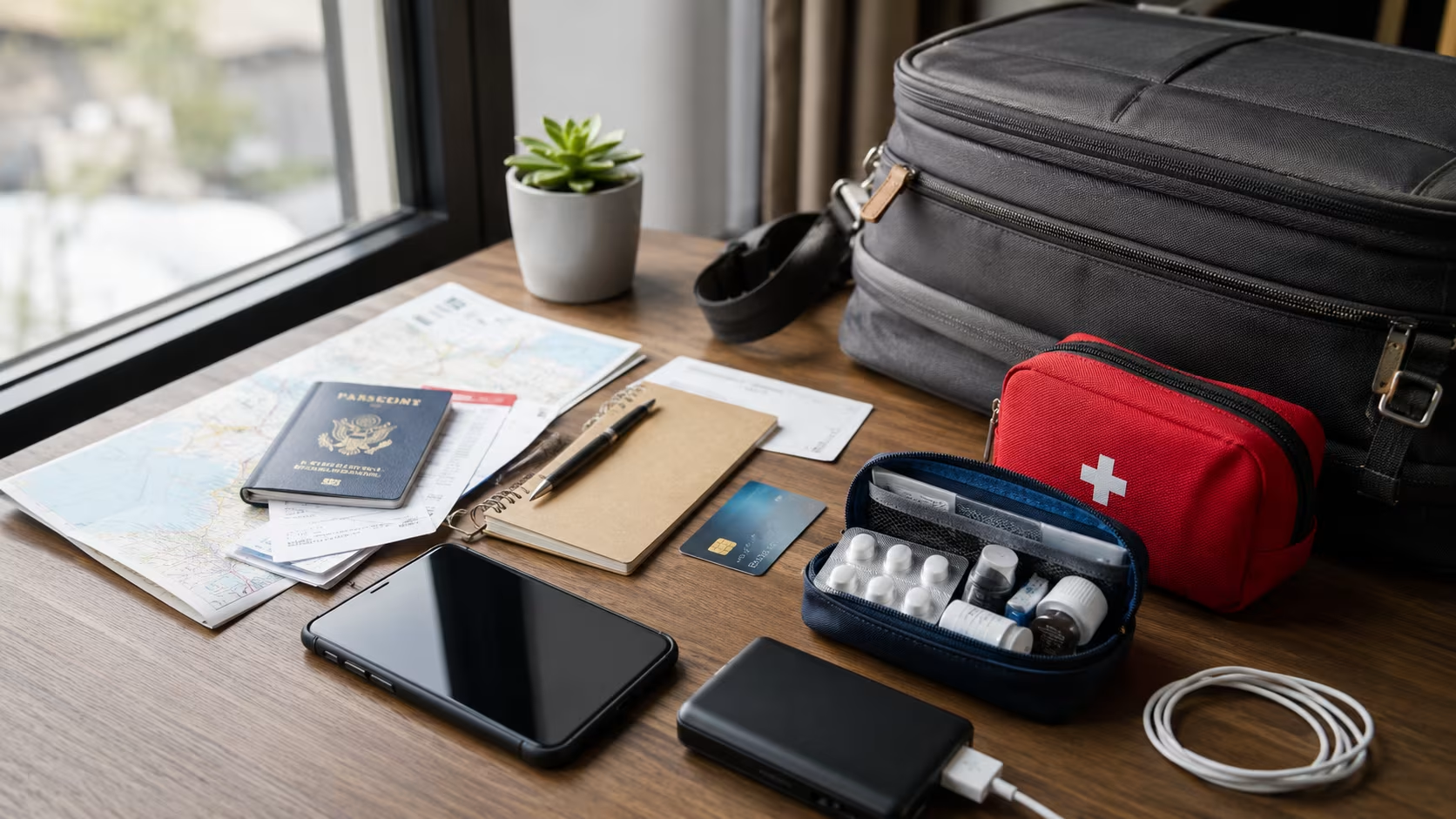
Most trips conclude without major incident. But across enough travel, eventually something goes wrong — a lost passport, a stolen wallet, a medical emergency, a missed flight, a natural disaster. The travelers who handle these well have prepared in advance. The ones who haven't waste hours panicking + making expensive mistakes.
This is a 2026 field guide for the most-common travel emergencies. The advice maps to specific scenarios + the immediate actions to take.
The Foundational Preparation
Before anything else, every traveler should have:
Documents Backed Up
- Passport photo in cloud storage (Google Drive, iCloud, Dropbox).
- Travel insurance documents in cloud + email.
- Photocopies of credit cards + bank phone numbers.
- Driver's license + ID photographed.
- Trip itinerary including hotel addresses + flight details.
- Emergency contacts in phone notes + emailed to yourself.
Travel Insurance
- Comprehensive coverage including medical, evacuation, trip cancellation.
- 24/7 assistance hotline saved in phone.
- Policy number + claim filing info.
- Pre-existing condition coverage if applicable.
Cash Reserves
- $200-500 emergency cash in different bag from primary wallet.
- Two payment cards in different bags.
- Currency for current destination + USD as backup (universally accepted in emergencies).
Local Knowledge
- Embassy/consulate contact for your nationality at destination.
- Local emergency numbers (varies by country: 911 US, 112 EU, 999 UK + others).
- Hotel address + phone number.
- Any specific medical conditions noted in phone with translation.
Emergency Scenario 1: Lost or Stolen Passport
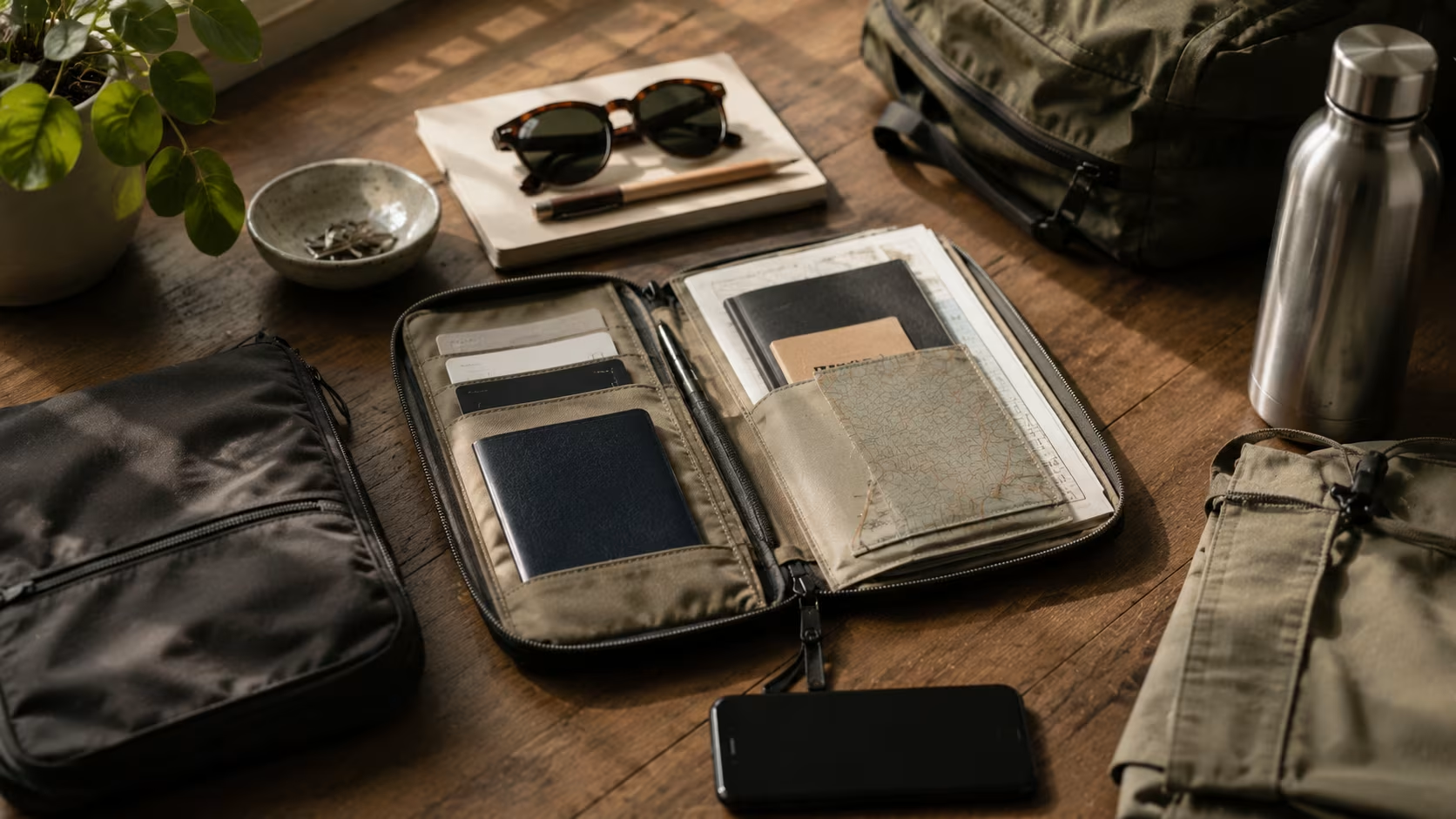
The single most-disruptive travel emergency.
Immediate Steps
Within 1 hour:
- Don't panic. Find a safe, quiet place to assess situation.
- Check carefully. Passports often turn up in unexpected pockets.
- If genuinely lost or stolen, contact your embassy/consulate.
- File police report at local police station — required for insurance + replacement passport.
- Photograph the police report + save to cloud.
Embassy Process (1-3 Days)
- Visit embassy with: police report + passport photos + ID + travel itinerary + payment for emergency passport.
- Emergency travel document issued same-day or next-day in most cases.
- Cost: $145 for US emergency passport + photo fees.
- Validity: typically 1 year vs. 10-year regular passport.
Implications
- Replan flights — original passport number won't match new one.
- Insurance claim for passport replacement + delay.
- Some destinations require valid passport for X months beyond travel; may not be possible to fly home immediately.
Prevention
- Photocopy passport + store separately + cloud-store.
- Carry passport in front pocket or hidden money belt; not back pocket.
- Hotel safe when not actively using.
- Don't carry passport unnecessarily. A photocopy + national ID often suffices for daily activities.
Emergency Scenario 2: Medical Emergency
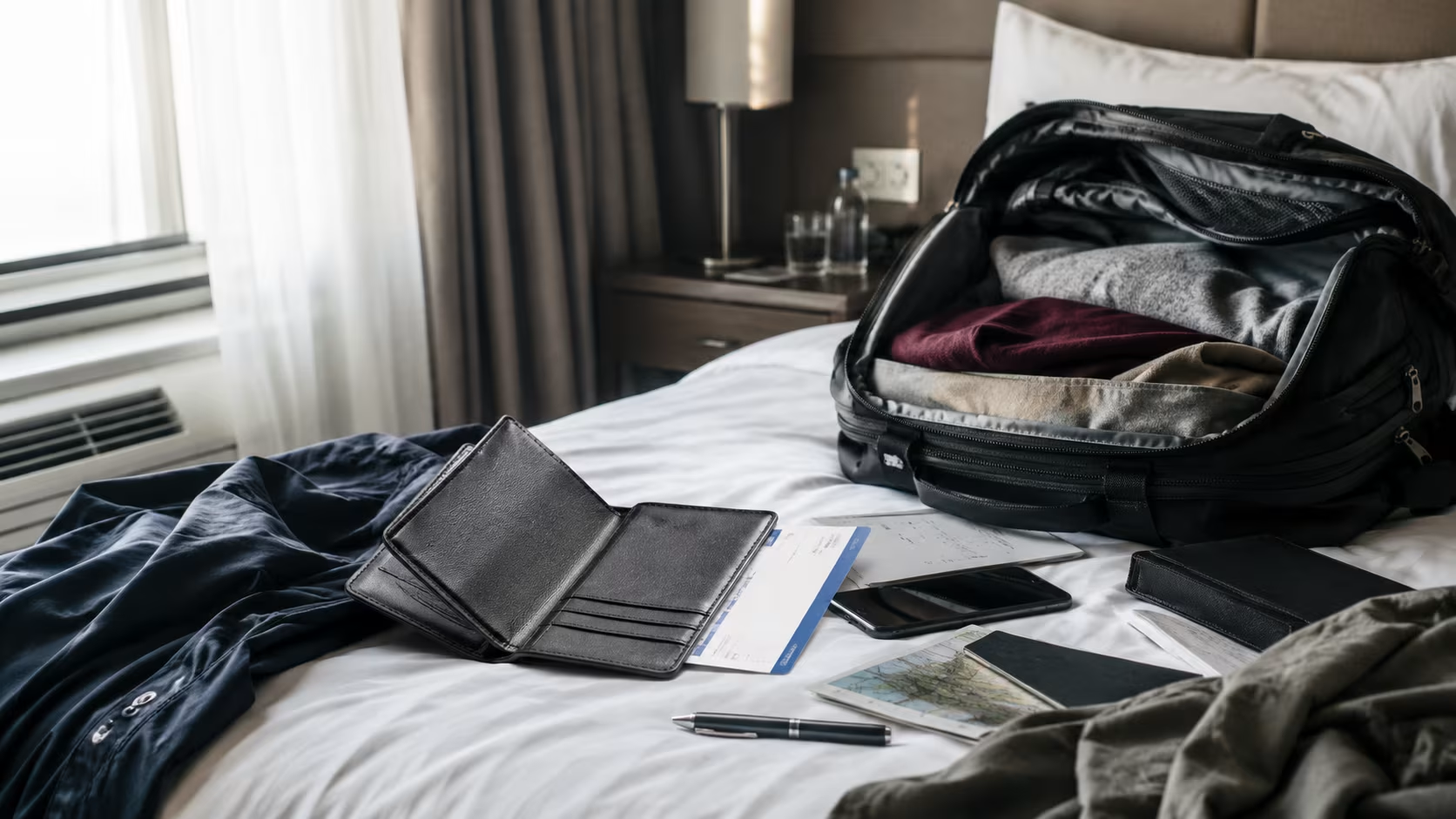
Immediate Steps
For severe emergency (heart attack, severe injury, severe allergic reaction):
- Call local emergency number (112 in EU, 911 in US, 999 in UK, 119 in Japan, etc.).
- Have phone-translation app ready if needed.
- Show passport for identification.
- Provide medical history (apps, written cards in destination language for serious conditions).
- Contact travel insurance as soon as possible after stabilization.
For Less Severe Issues
- Hotel concierge can recommend nearby clinics.
- Travel insurance hotline can guide to in-network providers.
- Pharmacies abroad are excellent + sell most over-the-counter medications without prescription.
Costs
- Emergency room visits internationally: $300-2000+ depending on country.
- US system is most-expensive globally; insurance critical for US travelers abroad.
- Travel insurance reimbursement typically pays after upfront payment + claim filing.
- Emergency evacuation can run $50,000-250,000; insurance with evacuation coverage is non-negotiable.
Specific Prevention
- Bring all medications in original bottles.
- Pack medication for trip duration + 30-day buffer.
- Photo of prescriptions in cloud.
- Medical conditions translated for emergency situations.
- Bring electrolyte salts for diarrhea.
- Bring antibiotic if traveling to risky regions.
Emergency Scenario 3: Theft or Pickpocketing
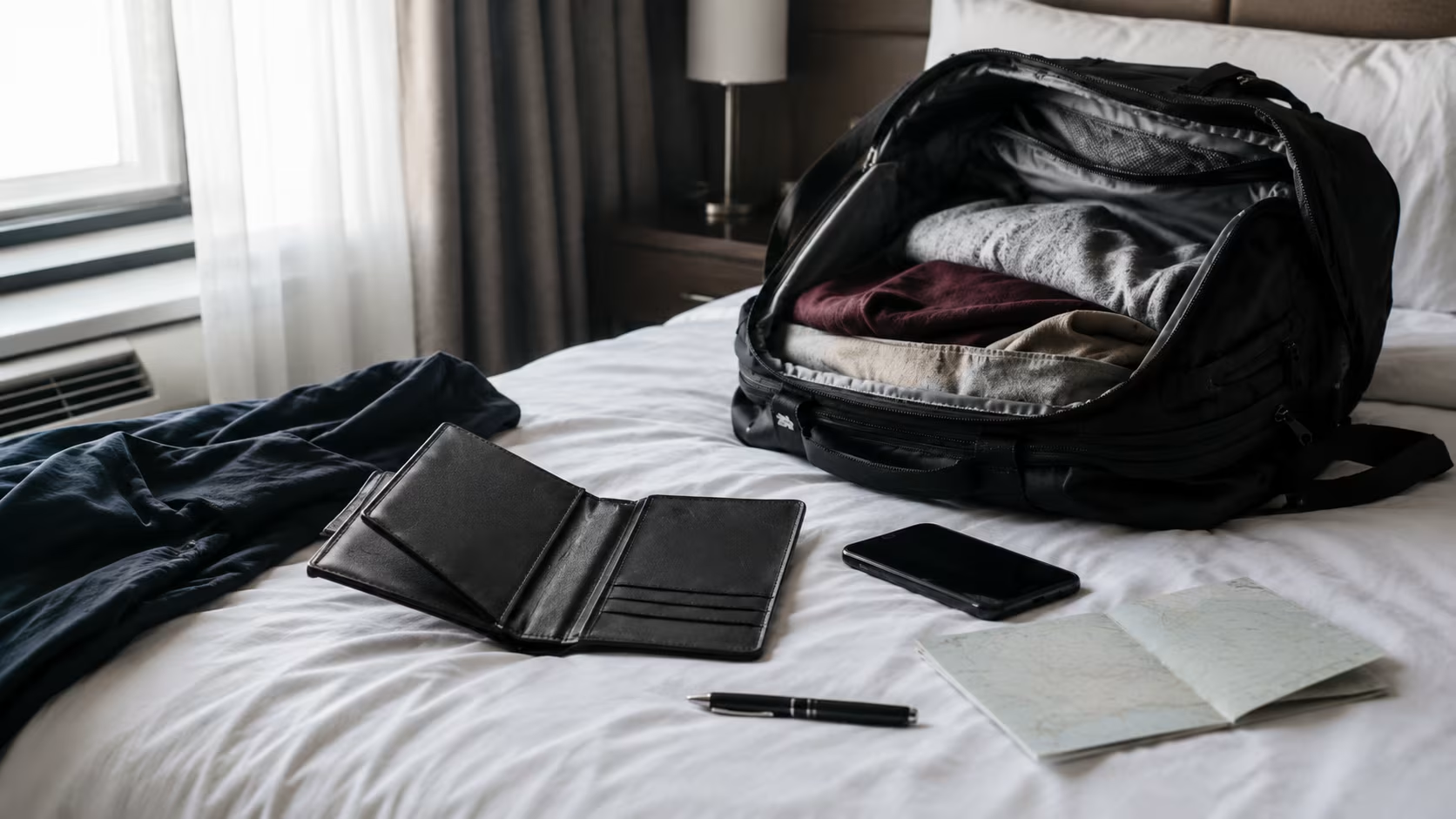
When It Happens
Within minutes:
- Get to safe location (hotel, populated café).
- Check what's missing.
- Cancel cards immediately via bank app or phone.
- File police report — required for insurance.
- Contact embassy if passport stolen (see scenario 1).
- Photograph any remaining belongings that could be lost.
Common Targets
- Phone (often grabbed by motorbike thieves in some Asian + Latin American cities).
- Wallet (pickpocketed on metro).
- Bag (taken from chair backs at restaurants).
- Laptop (left in cars or hotels).
- Camera (especially professional gear).
Recovery
- Card replacement: banks typically express-ship to your destination in 3-7 days.
- Phone replacement: local phone purchase or insurance ship.
- Documents: see lost passport scenario.
Specific Prevention
- Phone in front pocket only.
- Money belt for valuables in high-theft areas.
- Backpack strap front-positioned in crowded transit.
- Don't leave bags on chair backs at restaurants.
- Hotel safe for valuables when out.
- Laptop kept with you in cafés (not on outdoor table).
- Two payment cards in different bags.
Emergency Scenario 4: Missed Flight
Immediate Steps
At airport:
- Don't immediately stand in line. Phone the airline first — they can rebook faster than gate agents.
- Use airline app — many allow rebooking via app.
- If airline-fault delay (mechanical issue, weather), they're typically responsible for rebooking + meals + hotel.
- If passenger-fault delay (you arrived late), you'll pay rebooking fees.
- Travel insurance trip-delay coverage kicks in after specified delays (typically 6-12 hours).
Cost Mitigation
- Same-day rebooking typically cheapest.
- 24-48 hour rebooking at standard rebooking fees.
- Standby + alternate routings if main flights are full.
- Airline alliances (Star Alliance, OneWorld, SkyTeam) sometimes allow rebooking on partner airlines.
Long Delays
- EU regulation EC 261/2004: for flights from EU airports, airlines must provide compensation + meals + hotel for serious delays. Know your rights.
- US 'tarmac delay' rules: specific timelines for compensation.
- Travel insurance trip-delay coverage: typically reimburses meals + hotel for delays over 6 hours.
Prevention
- Arrive 90+ min early for international flights.
- Plan transit buffers for long-haul connections.
- Avoid same-day connections between separate tickets.
- Travel insurance for serious trips.
- Backup credit card with travel-delay coverage built in.
Emergency Scenario 5: Lost or Damaged Luggage
Immediate Steps
At airport:
- File baggage claim at the airline's lost baggage office before leaving the airport.
- Get reference number + receipt for the claim.
- Photograph baggage tag + claim documentation.
- Travel insurance documentation required for claims.
Recovery
- Most lost baggage is delivered within 24-72 hours.
- Permanently lost baggage triggers airline + insurance compensation.
- Airline reimbursement typically $50-100/day for essential clothing + toiletries while waiting.
- Insurance + credit card protections can supplement.
Cost Mitigation
- Pack essentials in carry-on: medications, important documents, day's clothing, valuables.
- Travel insurance with adequate baggage coverage.
- AirTags or similar trackers in checked bags for awareness.
Emergency Scenario 6: Natural Disaster or Civil Unrest
Immediate Steps
At first sign of issue:
- Get to safe location (hotel; embassy if available).
- Contact loved ones to confirm safety.
- Check official advisories (Embassy alerts, government travel websites).
- Travel insurance typically covers natural disasters; check policy.
- Follow local guidance from authorities.
Common Scenarios
- Earthquake / hurricane: shelter; follow local advice.
- Civil unrest: avoid affected areas; stay in hotel; contact embassy.
- Severe weather: modify travel plans; hotel safety.
- Volcanic eruption: affected airports may close for weeks.
Trip Modifications
- Trip cancellation insurance typically covers natural disasters causing trip disruption.
- CFAR (Cancel for Any Reason) policies offer broader coverage but reimburse only 50-75% of trip cost.
- Airline + hotel rebooking typically waives change fees for major disasters.
Emergency Scenario 7: Travel Companion Crisis
Spouse, Family, or Travel Companion in Crisis
Medical emergency or psychological crisis affecting your travel companion:
- Stabilize the situation.
- Contact travel insurance for guidance.
- Embassy assistance for serious situations.
- Consider trip interruption insurance to return early if needed.
Solo Traveler in Crisis
For solo travelers in mental health crisis (panic attacks, severe homesickness):
- Contact someone at home for support.
- Embassy assistance in extreme cases.
- Mental health hotlines in some countries.
- Online therapy services (BetterHelp, Talkspace) work internationally.
- Consider modifying or ending trip if needed.
Emergency Scenario 8: Cell Phone Lost or Broken
Immediate Steps
- Replace via local phone purchase ($100-300 for budget Android in most countries).
- SIM card can be transferred to new phone.
- Cloud backup restores most data.
- Carrier insurance ships replacement to destination address.
Communication Backup
- Email access from any internet café if necessary.
- WhatsApp + Telegram sync to new device with phone number.
- Hotels can lend phones for short emergencies.
Prevention
- Cloud backup of phone before traveling.
- Phone insurance.
- Backup phone number (Google Voice, etc.).
- Important contacts saved to email + multiple devices.
Emergency Scenario 9: Cards Frozen or Skimmed
Card Frozen Due to Fraud
- Contact bank immediately via phone or app.
- Verify recent transactions.
- Bank typically unfreezes within 1-3 hours after verification.
- Use backup card in interim.
Card Skimmed
- Bank cancels card immediately.
- New card express-shipped to destination address.
- 3-7 days typical delivery to international destinations.
- Use backup card + cash in interim.
Prevention
- Notify bank of travel plans. Most banks no longer require this in 2026 but some do.
- Two payment cards in different bags.
- Avoid sketchy ATMs (use bank ATMs only).
- Cover keypad when entering PIN.
- Decline 'dynamic currency conversion' at ATMs.
Emergency Scenario 10: Visa or Customs Issues
At Border or Customs
- Stay calm + polite. Hostility to immigration officers makes situations worse.
- Provide requested documentation.
- If detained, request to contact your embassy.
- Don't sign documents you don't understand.
- Embassy representation is your right in many countries.
Common Issues
- Insufficient passport validity (most countries require 6+ months beyond return).
- Missing entry stamps from previous visit.
- Visa requirements unclear.
- Random secondary screening.
Prevention
- Verify passport validity before each trip.
- Print/save visa documentation if applicable.
- Print/save proof of return flight + hotel reservation.
- Carry sufficient cash to satisfy any 'sufficient funds' requirements.
Emergency Scenario 11: Lost in a Foreign City
When Phone is Dead or No Signal
- Note local landmarks.
- Find a hotel concierge (they help non-guests in emergencies).
- Find a police station (in many countries, helpful for tourist directions).
- Find a tourist information center.
- Use a paper map if you have one.
- Ask locals. Most are helpful.
Prevention
- Download offline Google Maps for any destination.
- Save hotel address in phone notes + paper.
- Note neighborhood landmarks.
- Note transit stations near hotel.
- Power bank for phone backup.
- Paper map for old-school backup.
Emergency Kit
What to Always Carry
- Photocopy of passport (separate from passport).
- Photo of credit cards (front + back) in encrypted phone notes.
- Embassy contact for your nationality.
- Travel insurance number + 24-hour line.
- Emergency contacts at home.
- Hotel address in destination + home language.
- Cash reserves in different bag.
- Translation cards for medical conditions if applicable.
- Backup credit card.
- Empty water bottle.
- Hand sanitizer.
- Charged phone + power bank.
Daily Day-Bag Items
- Phone fully charged.
- Power bank (10,000+ mAh).
- Some cash ($30-100 in local currency).
- One credit card.
- Photo ID (driver's license + photocopy of passport).
- Hotel business card with address.
- Translation app + offline language pack.
When to Use the Embassy
Embassy will help with:
- Lost or stolen passport.
- Arrest or detention.
- Medical emergencies (recommendations + sometimes evacuations).
- Death of family member.
- Natural disasters affecting your nationality.
- Civil unrest endangering you.
Embassy generally cannot:
- Pay for lost items.
- Provide legal counsel directly.
- Get you out of self-inflicted situations.
- Replace travel insurance.
Embassy Process
- Bring identification (driver's license, photo of passport, etc.).
- Allow time — embassy emergency replacement passports typically take 1-3 days.
- Be polite + clear about your situation.
- Some embassies require appointments for non-emergency issues.
Travel Insurance: When It Helps
Travel insurance is essential. Comprehensive policies typically cover:
- Trip cancellation for covered reasons (illness, family death, jury duty, etc.).
- Trip interruption if you have to return early.
- Medical emergencies abroad.
- Medical evacuation (often the most-valuable single coverage).
- Lost or delayed baggage.
- Trip delays producing additional costs.
- Some natural disasters.
- Cancel for Any Reason (CFAR) for higher tier policies.
Filing Claims
- Document everything. Receipts; police reports; hospital records; airline letters.
- File within deadline (usually 30-90 days post-trip).
- Provide complete claim the first time; multiple back-and-forths slow processing.
- Travel insurance hotline can guide claim process.
What Travel Insurance Doesn't Cover
- Pre-existing conditions without specific waiver.
- High-risk activities without specific rider.
- Self-inflicted situations (intoxication, illegal activities).
- Specific exclusions in policy fine print.
- Some natural disasters if existing news at booking.
Specific Country-Level Considerations
High-Risk Travel Destinations
For destinations with elevated risk:
- Government travel advisories (state.gov, gov.uk for British citizens).
- Insurance with high coverage limits.
- Local SIM cards for reliable communication.
- Embassy registration (STEP for US citizens).
- Backup transportation plan.
Specific Risks
- Cuba (US restrictions; banking issues).
- North Korea, Iran (US restrictions; high risk).
- Active conflict zones (most insurance won't cover).
- Tropical storm zones during season.
- High-altitude destinations.
Specific Demographics
Solo Female Travelers
- Stay in well-rated hostels + hotels.
- Avoid walking alone late at night in unfamiliar areas.
- Trust your instincts.
- Daily check-in with someone at home.
- Specific concerns by destination.
Senior Travelers
- Comprehensive medical coverage non-negotiable.
- Pre-trip medical clearance.
- Medication management.
- Pace + altitude considerations.
Family Travelers
- Children's documents.
- Child-specific medical kit.
- Buddy system.
- Family emergency plan.
Specific Apps for Emergencies
Emergency Apps
- Google Translate (offline mode).
- Travel insurance app for filing claims.
- Bank apps for card freezing.
- WhatsApp + Telegram for backup messaging.
- STEP (Smart Traveler Enrollment Program) for US citizens.
- Government travel advisory apps.
When to Cut Trip Short
Good Reasons
- Severe medical issues affecting you or companion.
- Genuine safety concerns (natural disaster, civil unrest).
- Family emergency at home.
- Trip has become genuinely miserable despite efforts.
Less Good Reasons
- Minor inconvenience (lost wallet but found cards).
- Bad weather single day.
- Disagreement with travel companion.
- Single bad meal or hotel.
Cut short with intention; don't let small issues snowball.
Common Emergency Mistakes
- Panicking + making expensive decisions.
- Not contacting travel insurance early.
- Skipping the police report.
- Trying to replace passport same-day.
- Cancelling cards without filing report first.
- Avoiding embassy thinking it's overkill.
- Not having backup card or cash.
- Not photographing everything related to emergency.
- Trying to handle medical emergency in foreign language without translation.
- Filing insurance claim incomplete.
Final Notes
Most trips conclude without major emergency. But across enough travel — gap years, sabbaticals, multi-decade traveler journeys — eventually something happens. The travelers who handle these well prepared in advance + responded calmly. The ones who didn't paid extra costs + lost more time.
The single best advice pre-trip 30 minutes of preparation prevents 8 hours of post-emergency scramble. Photo your passport; save embassy + insurance + hotel info; download offline maps; buy travel insurance.
The second-best stay calm. Most travel emergencies have established processes + standard solutions. Embassies handle lost passports thousands of times per year; airlines reroute disrupted travelers daily; insurance companies file standard claims regularly. Your specific emergency, while feeling unique, almost certainly has a standard response.
The quietest piece of advice don't avoid travel because of emergency fear. The vast majority of trips conclude without serious incident. Reasonable preparation + insurance + common sense produce safe, sustainable travel even across decades. The traveler who avoids travel because of rare emergency risk has missed the experiences. The traveler who travels with reasonable preparation has the experiences + handles the rare incidents that do happen.


0 Comments
No comments yet — start the conversation.