

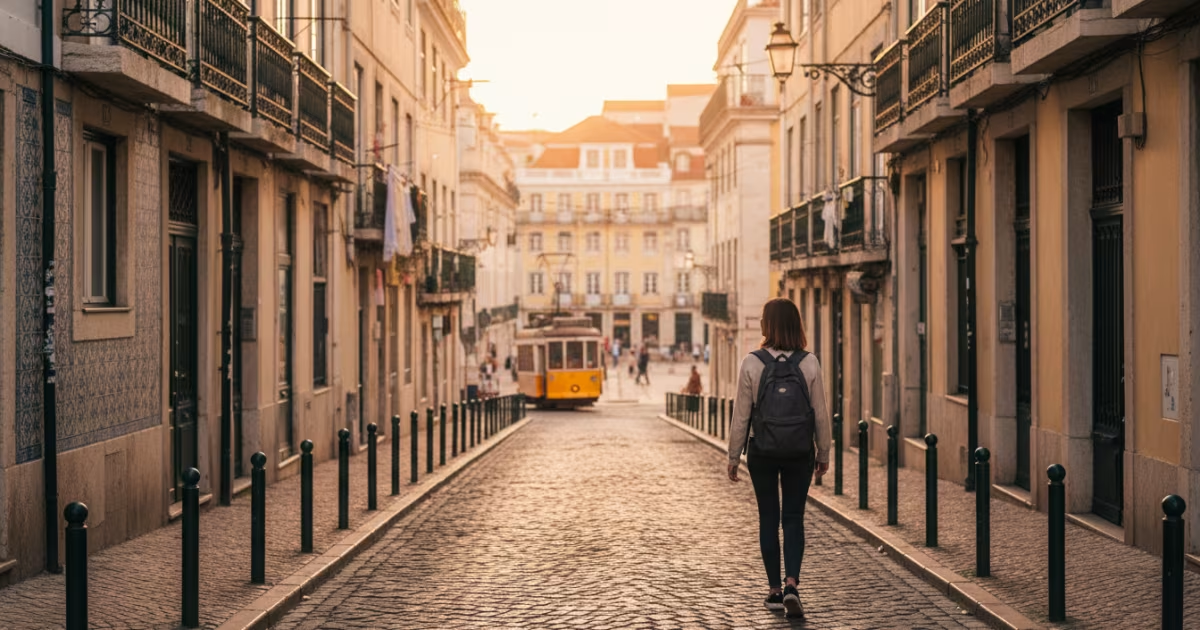
Lisbon has gone from underrated capital to one of the most visited cities in Europe in less than a decade. That popularity has changed prices, rental rules, and how locals feel about tourists, but the city itself, the steep hills, the river light, the food, the slow rhythm in older neighborhoods, is still very much intact if you know where to look.
This guide is written for someone landing for the first time, with three to seven days, and a normal budget. No "hidden gems" lists scraped from somewhere else. Just the practical stuff: when to come, where to sleep, what the metro actually costs in 2026, which dishes are worth ordering, and which day trips reward the train ride.
Quick Facts
| Item | Detail |
|---|---|
| Country | Portugal |
| Currency | Euro (€) |
| Language | Portuguese; English widely spoken in tourist areas |
| Time zone | WET (UTC+0) / WEST (UTC+1) in summer |
| Plug type | Type C and F, 230V |
| Tourist tax | €4 per person per night (raised in 2024) |
| Best time to visit | April–June, September–October |
| Average trip length | 4–5 days |
When to Go
Lisbon's weather is famously mild, which makes the shoulder seasons unusually good.
April to mid-June is the sweet spot. Highs sit around 22–26°C, the jacaranda trees bloom purple in late May, and you can comfortably eat outside without melting. Crowds are present but manageable.
Mid-June to August is hot and packed. Daytime highs of 32°C+ are common, lines for Tram 28 stretch around the block, and Airbnb prices climb 30–50% over shoulder rates. Many locals leave the city in August, and some smaller restaurants close for two weeks.
September to mid-October is the other sweet spot. Ocean is still warm enough for day trips to Cascais, the light gets that golden quality photographers love, and rooms are easier to find.
November to March is quiet and rainy. Average highs of 15–18°C, frequent showers, but real local life and the lowest prices of the year. December has Christmas lights up the Avenida da Liberdade and a quietly festive mood.
Avoid: the week of NOS Alive festival (mid-July) and the Web Summit (early November) unless you're attending. Accommodation triples in price.
Getting There
Lisbon Portela Airport (LIS) sits about 7 km from the city center, which is unusually close for a European capital. Three options from the terminal:
- Metro (Red Line): €1.85 + €0.50 reusable card. Around 25 minutes to the central Saldanha or Alameda stations. The simplest and cheapest choice if you have a normal-sized bag.
- Aerobus 1 or 2: €4 one way. Direct to downtown and the Cais do Sodré waterfront. Useful if your hotel is in central Baixa.
- Taxi or Bolt: €12–18 to most central neighborhoods. Bolt is widely used and almost always cheaper than the metered taxi rank. The driver app is in English.
Portugal is also well-connected by train. The high-speed Alfa Pendular service from Porto takes 2h 50min and costs €30–50 booked in advance.
Getting Around
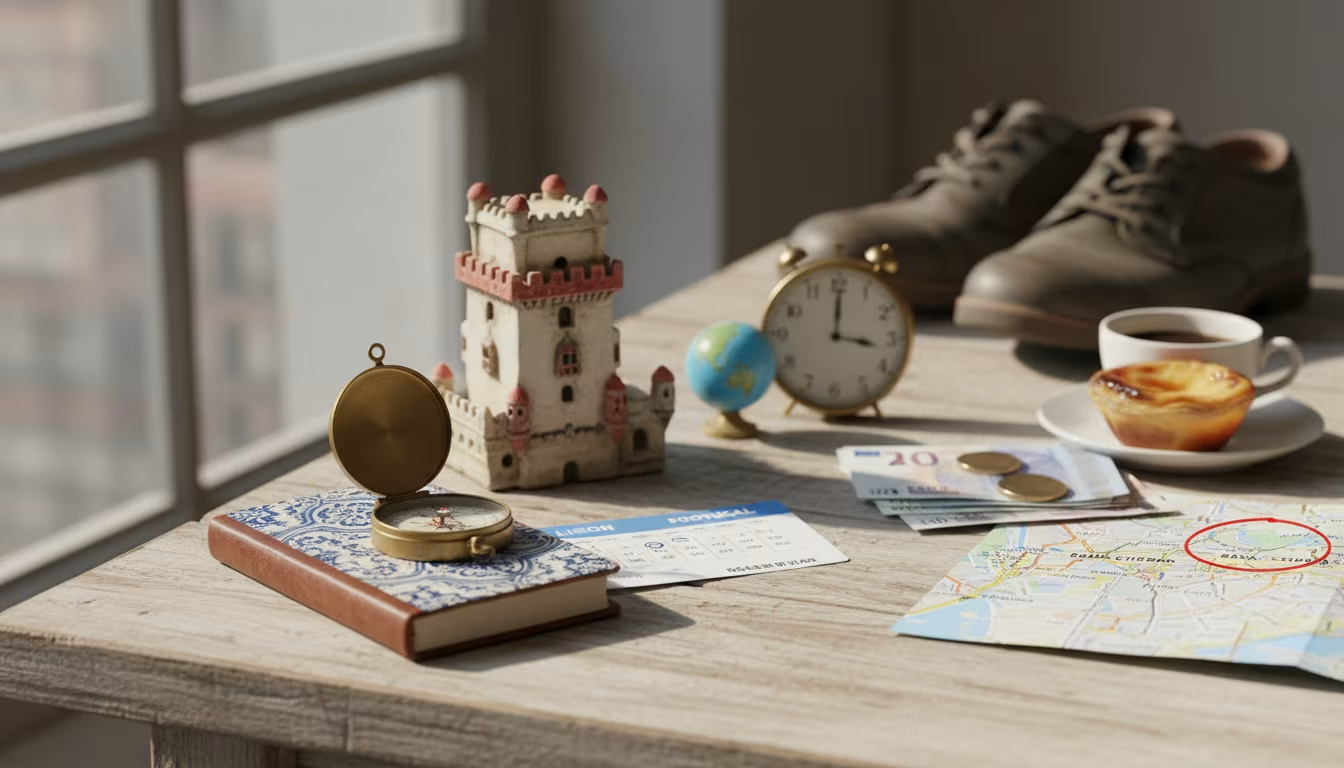
Lisbon's public transit is excellent and cheap. Buy a Viva Viagem card at any metro station for €0.50 and load it with one of three options:
| Card type | Price (2026) | Best for |
|---|---|---|
| Single ride | €1.85 | Occasional use |
| 24-hour pass | €6.80 | Heavy day of metro + tram + bus |
| Lisboa Card 24h | €27 | First day with major museum visits |
The Lisboa Card includes free entry to the Jerónimos Monastery, Belém Tower, and São Jorge Castle. Worth doing the math before buying.
Hills are real here. Lisbon is built on seven of them, and what looks like a five-minute walk on Google Maps can be a vertical climb. Wear actual walking shoes, not fashion sneakers. The historic funiculars (Bica, Glória, Lavra) take some of the punishment out of the steeper streets and cost €4.20 round trip.
Avoid renting a car for the city itself. Parking is brutal, and the historic center has restricted-traffic zones with automatic fines.
Where to Stay
Lisbon is small enough that anywhere central is walkable. The neighborhood you pick is more about the kind of trip you want.
Baixa & Chiado
Ground zero for sightseeing. Grid streets, pedestrian zones, the central Rossio square. Walking distance to almost every major sight. Streets stay busy late, which can mean either lively or noisy depending on your tolerance. Mid-range and higher price bracket.
Alfama
The oldest neighborhood, the one with the tangled lanes, the laundry on the lines, the fado bars, the views from the miradouros. Authentic but inconvenient: Tram 28 runs through it, and your hotel may be at the top of a steep climb. Best for second-time visitors or those who romanticize the effort.
Bairro Alto & Príncipe Real
Daytime quiet, nighttime loud. Bars open late, music spills onto the streets, and noise complaints are not really a thing. Príncipe Real (just above) is calmer and more design-shop oriented. Good for night owls under 35.
Avenida da Liberdade & Marquês de Pombal
The wide tree-lined boulevard with luxury hotels and brand stores. Calmer, more business-traveler feel, but a 15-minute walk from the historic core. Strong metro connections.
Estrela & Lapa
Residential, leafy, quiet. Few tourists. A real Lisbon neighborhood feel with cafés that aren't on Instagram lists. Better for longer stays of a week or more.
Realistic 2026 nightly prices (April–October, 4-star property):
| Neighborhood | Mid-range | Higher-end |
|---|---|---|
| Baixa & Chiado | €140–200 | €280–450 |
| Alfama | €110–160 | €220–340 |
| Bairro Alto | €120–170 | €240–380 |
| Avenida da Liberdade | €170–250 | €350–700 |
| Estrela / Lapa | €100–150 | €200–320 |
What to Eat
Portuguese food in Lisbon goes far beyond the pastéis de nata that show up on every guide. A short list of dishes worth ordering and where they're done well.
Pastel de Nata
The egg custard tart in flaky pastry. Sprinkle with cinnamon, eat warm.
- Pastéis de Belém: the original recipe since 1837, near the monastery. Long lines, but the takeaway window moves quickly.
- Manteigaria: multiple locations, equally good, less of a wait.
Bacalhau
Salt cod, prepared 365 ways depending who you ask. Try bacalhau à brás (shredded with onions, eggs, and matchstick fries) for an accessible introduction.
Sardinhas Assadas
Grilled sardines, simply seasoned, eaten whole on bread. Best in June, when the Festas de Santo António fill the city with grills on the streets.
Bifana
Thin pork sandwich in a soft roll, mustard optional. Cheapest good lunch in the city: €3–4 at most stand-up cafés.
Cataplana
A copper pot dish, usually seafood, served by the table. More common in the Algarve but available at traditional spots like Cervejaria Ramiro for groups.
Restaurants worth the trip:
| Restaurant | What it's known for | Price level |
|---|---|---|
| Cervejaria Ramiro | Seafood, prawns, percebes | Mid-high |
| Taberna Sal Grosso | Modern small plates | Mid |
| Time Out Market | 30+ stalls under one roof, easy first meal | Low–mid |
| O Velho Eurico | Old-school tasca, written-on-paper menu | Low |
| 100 Maneiras | Tasting menu, contemporary | High |
Tip: Lunch is when fine dining offers the best value. Prato do dia (daily dish) at proper restaurants runs €10–15 and includes coffee.
Areas to Explore
Alfama and São Jorge Castle
Spend a half day here. Take Tram 28 up (or walk if your knees allow), then wander down. The Miradouro de Santa Luzia gives one of the most photographed views in the city. Castle entry is €15 and worth it for the panoramas; arrive at opening (9:00) or after 17:00 to avoid the worst lines.
Baixa and Chiado
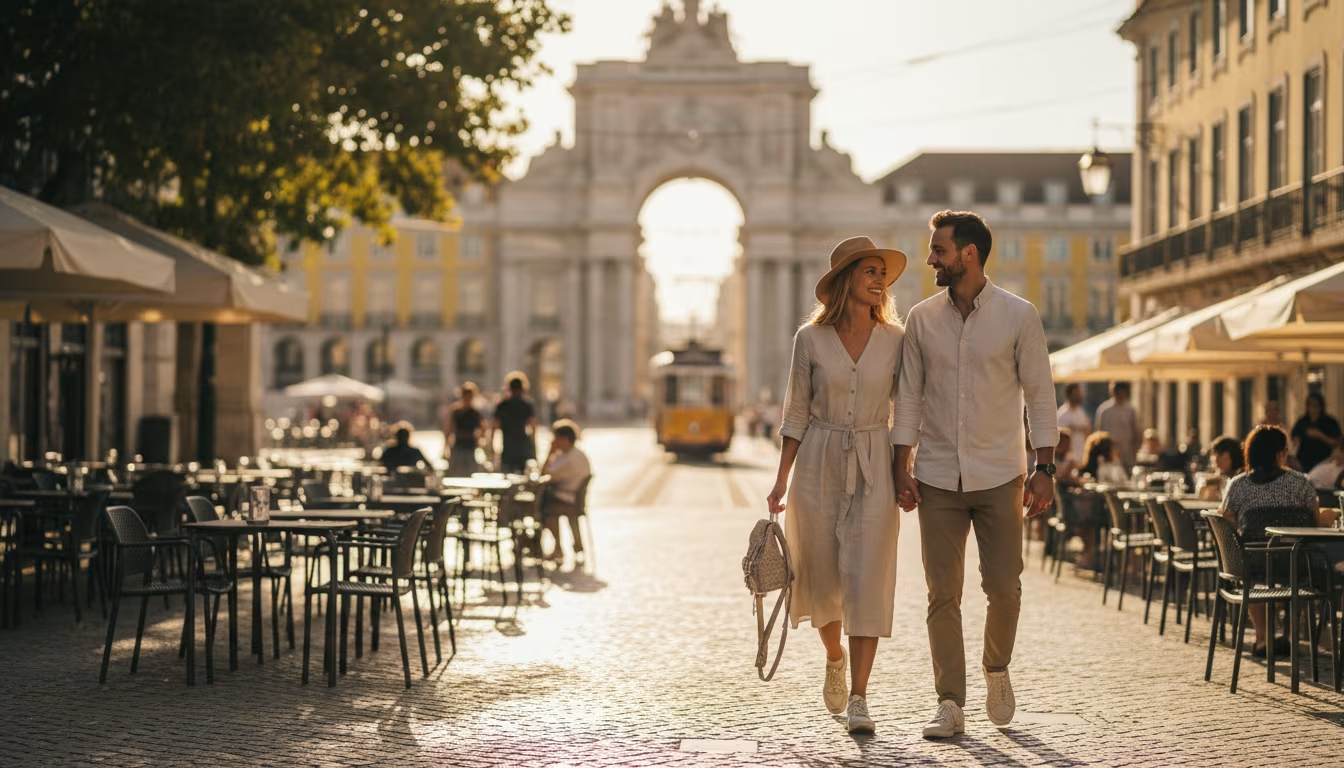
Grid streets laid out after the 1755 earthquake. Walk Rua Augusta, climb the Santa Justa lift only if the line is short (it almost never is; the same view is free from the Carmo terrace next door). Chiado above has the city's oldest bookstore (Livraria Bertrand, 1732) and the bronze Pessoa statue at A Brasileira café.
Belém
A tram ride west of center. The Jerónimos Monastery and Belém Tower are UNESCO sites and absolutely worth the trip. Combine with the MAAT (modern art and architecture museum) along the river and a stop at Pastéis de Belém. Half a day, easily.
LX Factory
A former industrial complex converted into bookshops, design studios, restaurants, and Sunday market space. Less polished than Time Out Market, more local feel. Underneath the 25 de Abril Bridge, a short Uber from center.
Príncipe Real and the Botanical Garden
Boutique shopping, Embaixada (a 19th-century palace turned concept store), and the small but lovely Jardim Botânico. Slow afternoon territory.
Day Trips
Sintra
The most popular day trip, and rightly so. Pena Palace, Quinta da Regaleira, Moorish Castle. Caveat for 2026: Sintra introduced timed-entry tickets in 2024 because of overcrowding. Book Pena Palace tickets online at least a week ahead in summer. The train from Rossio station takes 40 minutes and costs €5 round trip.
Cascais
A seaside town an hour by train. Beach, old town, easy seafood lunches. Pair with a walk to Boca do Inferno or, if you have a car, continue to Cabo da Roca, mainland Europe's westernmost point.
Évora
A UNESCO city in the Alentejo, two hours by train. Roman temple ruins, the Bone Chapel (yes, made of bones), and proper Alentejo food including the slow-cooked black pork dishes. Long but rewarding day.
Costs and Budget
Lisbon is no longer Europe's bargain capital. Realistic 2026 daily budgets per person:
| Style | Per day (excl. flights/hotel) | Notes |
|---|---|---|
| Backpacker | €40–60 | Hostels, lunch menus, public transit |
| Mid-range | €80–130 | Mix of casual and proper restaurants, museum entries, occasional taxi |
| Comfortable | €150–250 | Better restaurants, no transit thinking, daily coffee/wine |
| Higher-end | €300+ | Tasting menus, private transfers, full museum access |
A few specific anchors: a proper sit-down dinner with wine for two runs €60–90 at a mid-range place, €130+ at a destination restaurant. Coffee is still €0.80–1.20. A glass of decent wine €4–6.
Practical Info
Language: English is widely spoken in restaurants, hotels, and tourist areas. Outside those, basic Portuguese helps but isn't essential. Spanish is understood but locals appreciate the effort to use Portuguese (it's a different language, and they notice).
Money: Card payments are accepted almost everywhere, including small bakeries. Carry €20–40 in cash for the rare exception. ATMs (Multibanco) are everywhere; avoid the ones marked Euronet, which charge a heavy markup.
Safety: Lisbon is safe by European standards. Pickpocketing is the main risk on Tram 28 and around touristy spots. Standard precautions apply.
Tipping: Not expected at the level US travelers are used to. Round up the bill at cafés. At sit-down restaurants, 5–10% if service was good. The tip is added in cash, not on the card.
Drugs: Yes, the people who approach you near Rossio offering hashish are selling oregano and bay leaves. Walk on.
Tap water: Safe to drink, though many locals prefer bottled. Restaurants will bring still water in a sealed bottle by default; it's not free.
Common First-Timer Mistakes
- Booking the cheapest accommodation in Bairro Alto and expecting to sleep. It's a nightlife district until 3 AM Wednesday through Saturday.
- Trying to do Sintra and Cascais in the same day. It's possible but exhausting. Pick one.
- Underestimating the hills. Sandals, dressy shoes, and slick soles will punish you.
- Eating dinner at 6 PM. Local restaurants don't open for dinner until 19:30 or 20:00. Showing up at 18:00 means cafés or empty tourist places.
- Skipping the metro. It's clean, fast, and connects almost everywhere you'd want to go.
- Not booking Pena Palace ahead. Day-of tickets routinely sell out by 11 AM in shoulder season.
Final Notes
Lisbon rewards an unhurried pace. Three days is enough for the headlines (Alfama, Belém, a day trip), but five or seven lets the city slow you down: long lunches, a fado night without rushing the next morning, an afternoon at a beach you reach by train.
The city has changed a lot in the past ten years, mostly because of how many people now want to be here. The center can feel like it's been polished for visitors, and locals will tell you that. The honest move is to use a central base, but eat at the smaller places, walk the residential streets, and resist the urge to optimize every hour. The trip that stays with you is probably the slow one.
0 Comments
No comments yet — start the conversation.