

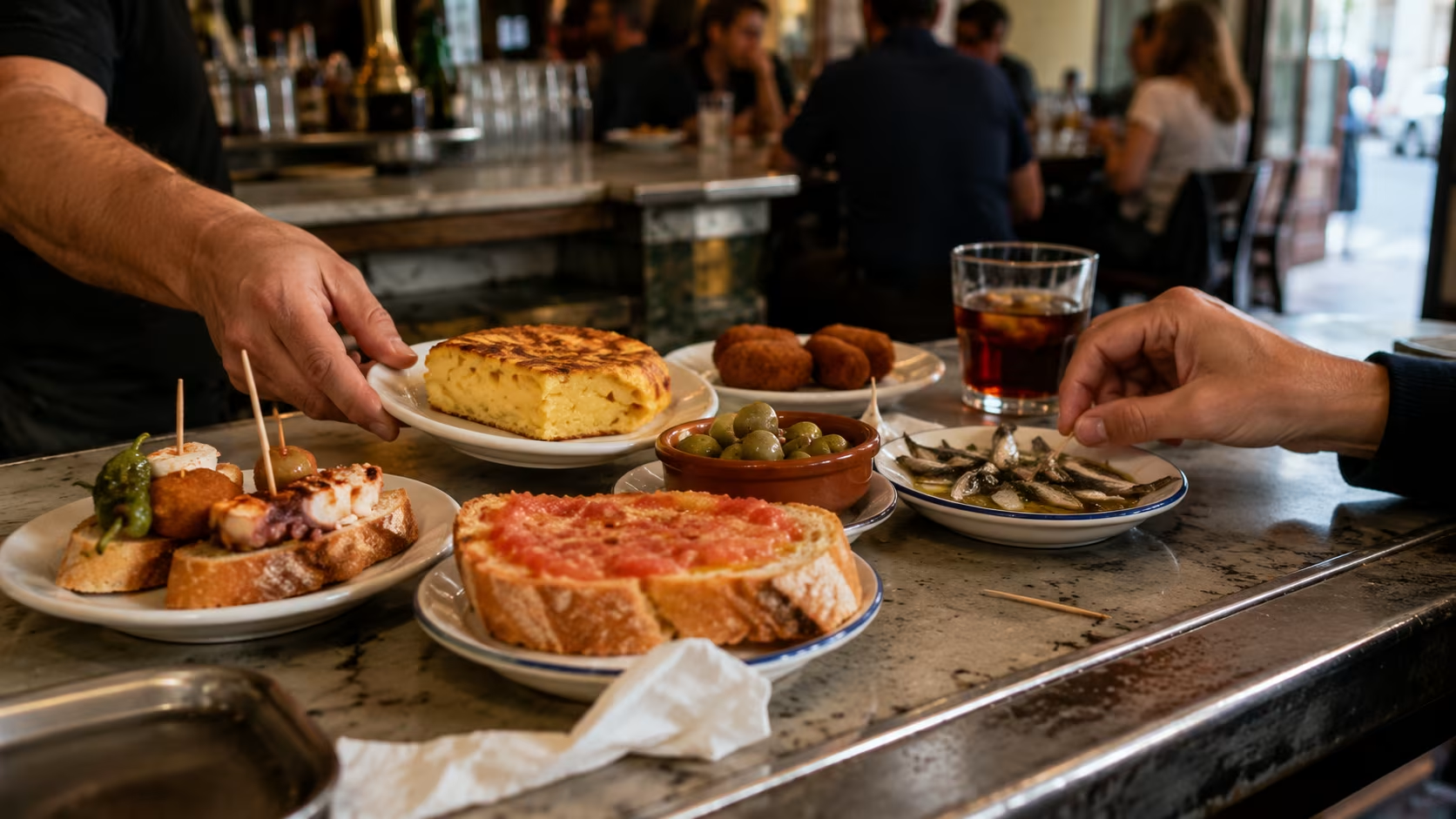
There is no single "tapas" in Spain. The word covers regional traditions that are genuinely different from each other: the free pintxo culture in San Sebastián, the standing-at-the-bar Andalusian style in Seville, the late-night ration culture of Madrid, the small-plate restaurant tradition in Barcelona that is really cocina catalana. The way most foreign tourists experience tapas (sitting at a tourist-zone restaurant and ordering from a menu of "tapas mixtas") is the version Spaniards quietly avoid.
This is a field guide to eating tapas the way locals actually do, with the regional differences, the etiquette, and the specific dishes that distinguish good bars from tourist factories.
What Tapa Actually Means
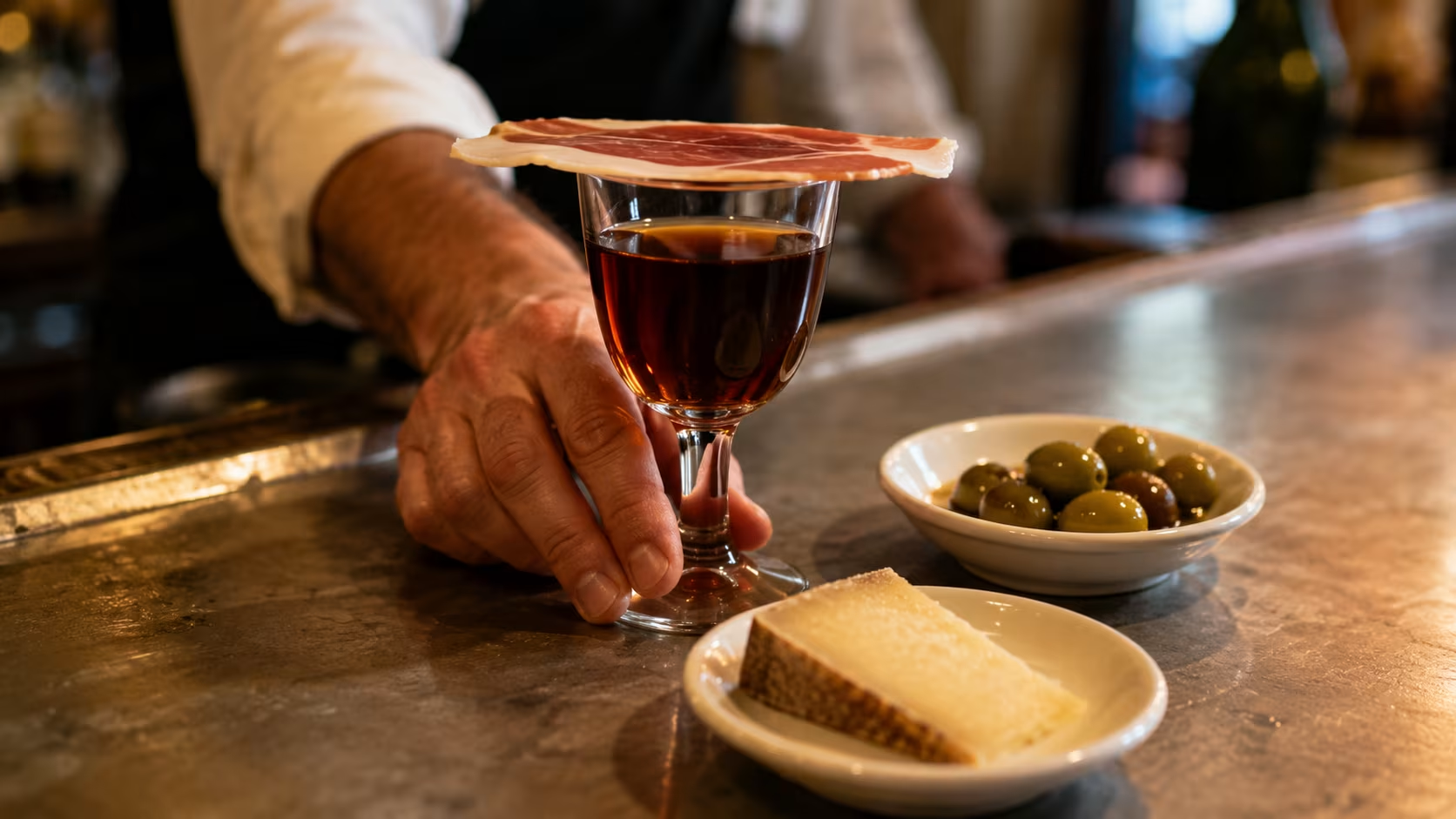
The word tapa literally means "lid." The historical origin is contested: the most popular version says bartenders used to lay a slice of ham or cheese on top of a glass of wine to keep flies out, and the topping became its own tradition.
The modern reality:
- Tapa = a small portion. Some bars give one free with a drink (Andalusia, León). Some charge €1.50–4 for ordered tapas (most cities).
- Pincho / pintxo = a small portion served on bread, usually held together with a toothpick (palillo). The Basque Country invention.
- Ración = a full plate, intended to share among a group. Roughly 4–6x the size of a tapa.
- Media ración = half plate, between tapa and ración.
- Cazuelita = small earthenware bowl, usually saucy preparations (chickpeas with spinach, garlic shrimp).
None of these are appetizers in the American sense. Spaniards build a meal out of multiple small plates rather than choosing a single starter and a single main.
The Regional Map
Tapas culture varies dramatically across Spain. The differences are not subtle.
| Region | Style | Hallmark dishes |
|---|---|---|
| Andalusia (Seville, Granada, Córdoba) | Standing at the bar, free or cheap tapas with drinks | Boquerones en vinagre, espinacas con garbanzos, salmorejo |
| Basque Country (San Sebastián, Bilbao) | Pintxos on counter, self-serve, pay-per-pick | Gilda, txangurro, bacalao al pil pil |
| Madrid | Late-night, raciones-style, working-class bars | Bocadillo de calamares, callos a la madrileña, oreja |
| Barcelona / Catalonia | Smaller-plate restaurant scene, less bar-walking | Pa amb tomàquet, escalivada, fideuà |
| Galicia | Seafood-focused, generous portions | Pulpo a la gallega, empanada gallega, mejillones |
| Asturias | Cider houses + meat-and-bean plates | Fabada, cachopo, queso de Cabrales |
| Valencia | Rice + Mediterranean seafood | Esgarraet, all i pebre, bunyols |
| León | Free tapas with drinks, ~4-tapa standard | Cecina, morcilla, patatas con torreznos |
How a Real Tapas Crawl Works
In Andalusian and Basque cities, the locals don't sit down at one place for a long meal. They go de tapeo ("on the tapas trail"), typically 3–5 bars in an evening, one or two small portions at each, moving on when the conversation slows.
The rhythm:
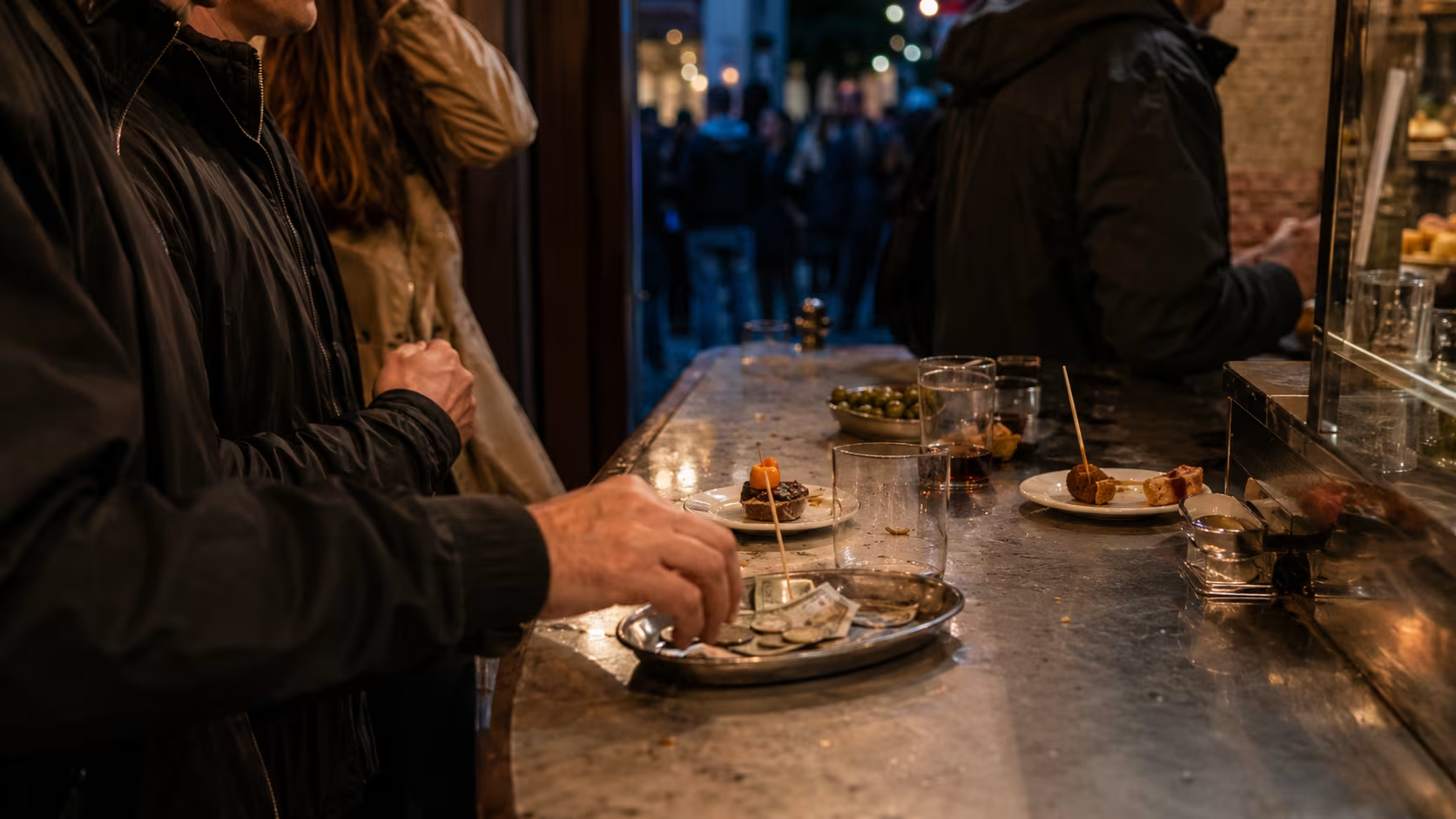
- Arrive at a bar around 20:00 or 21:00. Stand at the bar (don't sit at a table: you'll pay 30% more for the same food).
- Order a drink first. Caña (small beer), copa de vino (small wine), vermut (vermouth, southern Spain especially), or a fino/manzanilla (Andalusian sherry).
- Order one or two tapas to share. Don't order four; you're moving on.
- Eat standing. This is the bar version of the Spanish meal.
- Pay when you're ready to leave. "La cuenta, por favor" or "¿Cuánto es?"
- Move to the next bar. Within walking distance. Repeat 3–5 times.
- End the night around 23:30 or later, depending on city.
The whole process takes 2.5–4 hours. Most foreigners try to compress it to 60 minutes at one place; that's not the form.
Region-by-Region Etiquette
Andalusia (seville, Granada, Córdoba)
Granada and parts of Almería give one free tapa with each drink. Order a beer (€2.50–3.50), the bartender brings a small plate. Order a second beer, a different (better) tapa appears. The tapa quality often improves with each round at well-run bars.
In Seville and Cádiz, tapas are paid (typically €2.50–4.50 each). The bars to look for: standing-room-only at lunch and evening, with locals two-deep at the counter.
Order at the Bar, Don't Wait at a Table
Tables are for raciones-style sit-down meals; bar service is faster, cheaper, and more authentic.
Specific Dishes to Try
- Salmorejo: thick chilled tomato soup with diced ham and egg.
- Espinacas con garbanzos: spinach and chickpeas with garlic, cumin, vinegar (Seville classic).
- Pescaíto frito: assorted fried small fish (Andalusian standard).
- Cazón en adobo: marinated dogfish, fried.
- Boquerones en vinagre: anchovies in vinegar.
- Berenjenas con miel: fried eggplant with honey (Granada specialty).
Basque Country (san Sebastián, Bilbao)
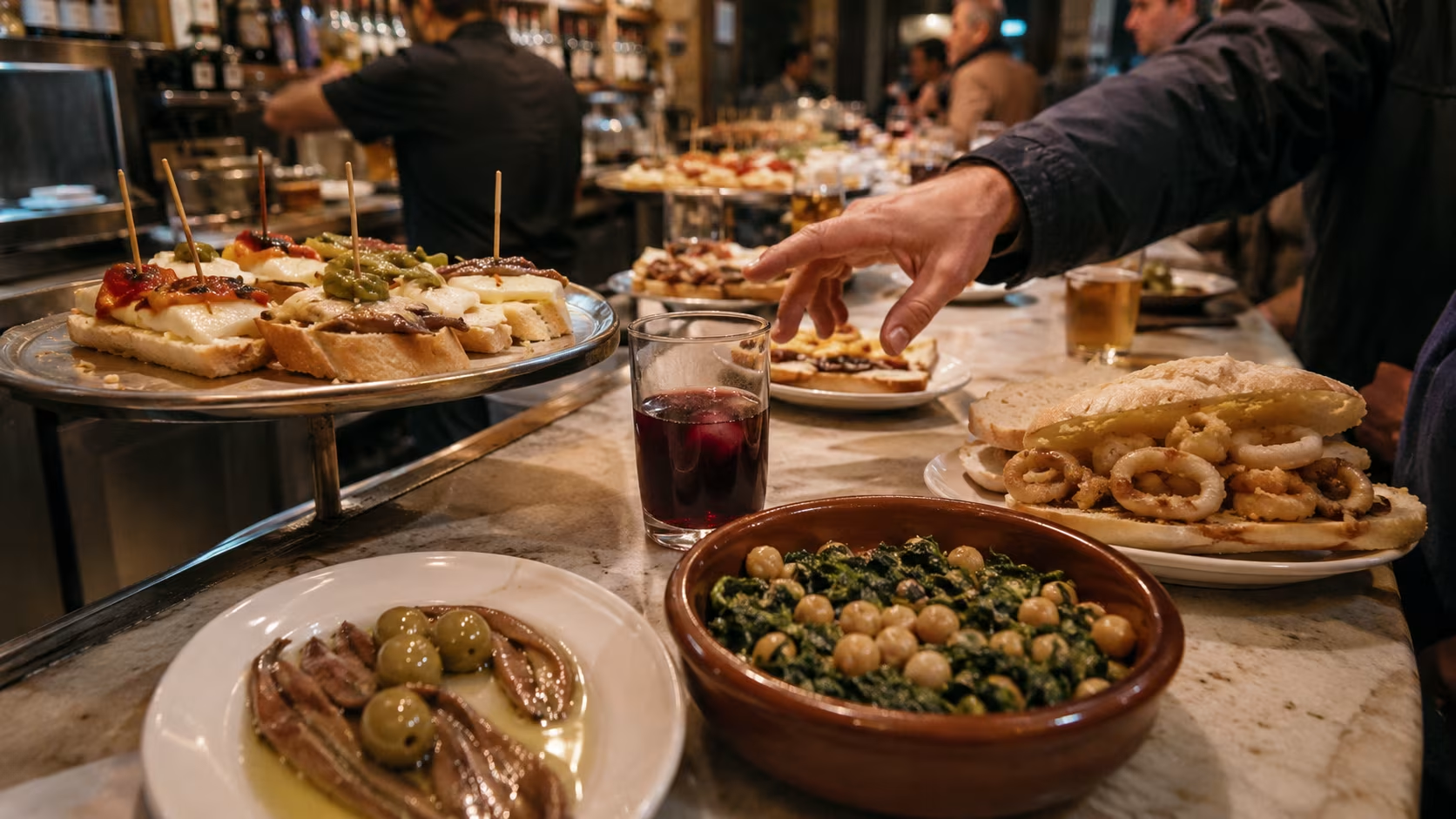
The pintxo system is structurally different. Pintxos are arrayed on the bar counter on plates. You take what you want, the bartender keeps a tab. You pay at the end.
Two Types
- Pintxos fríos: cold, on the counter, take freely.
- Pintxos calientes: hot, made to order from a menu on the wall ("de la pizarra"). These are usually the better choice, fresh and innovative.
Etiquette
- Don't be shy. Reach across, grab what you want. Italians and French often hesitate; Basques don't notice.
- Use the toothpicks (palillos) as the count of how much you've eaten; keep them on your napkin or on the plate. The bartender counts toothpicks at the end.
- Order a drink first; ask for txakoli (the local low-acid white wine) or zurito (small beer, smaller than a caña).
- The bar San Sebastián's old town (Parte Vieja) hosts is where this happens. Try Borda Berri (most-respected hot pintxos), Bar Nestor (the famous txuleta steak and tortilla), La Cuchara de San Telmo (modern hot pintxos), Atari Gastroteka (relatively undiscovered).
Madrid
Tapas in Madrid skew toward late-night, raciones-style, working-class bars. Free tapas with drinks happens at neighborhood bars but isn't universal.
Specific Dishes
- Bocadillo de calamares: fried calamari sandwich on a roll. Plaza Mayor cluster of bars specialize.
- Callos a la madrileña: tripe stew with chorizo, paprika, blood sausage.
- Oreja: fried pig ear (acquired taste; classic).
- Huevos rotos: "broken eggs," fried potatoes with eggs and ham.
- Patatas bravas: fried potatoes with spicy red sauce. Madrid version uses a slightly tomato-y, spicy sauce; Barcelona version uses a thicker, less spicy sauce.
- Tortilla española: Spanish potato omelet. Order medium-cooked (slightly runny center) for the modern version, or cuajada (fully cooked) for traditional.
Where to Go
La Latina neighborhood for tapas crawl (especially Sunday after the Rastro flea market). Casa Lucas, Casa Lucio (the institution), Sala de Despiece (modern). Lavapiés for the multicultural version.
Barcelona / Catalonia
Catalans don't really do tapas in the Andalusian sense. Catalan small-plate culture is closer to a sit-down restaurant with shared plates.
Specific Dishes
- Pa amb tomàquet: bread with tomato rubbed on it, olive oil, salt. The Catalan staple.
- Escalivada: grilled eggplant, peppers, onion. Cold.
- Fideuà: Valencia/Catalonia hybrid, paella-like but with thin noodles instead of rice.
- Esqueixada: salt cod salad with tomato and onion.
- Bombas: meat-stuffed potato fritters (Barcelona's Barceloneta classic).
- Bikini: grilled ham-and-cheese sandwich (a Catalan classic; oddly named, simple and great).
- Calçots (winter only): grilled scallion-onions with romesco sauce, eaten by hand.
Where to Go
Gràcia and El Born neighborhoods for real Catalan small-plate restaurants. Quimet & Quimet (a tiny standing-only legend in Poble Sec, montaditos style). Cal Pep (tiny bar at the back of the dining room is the only thing that matters). Bar Mut (Eixample, modern wine bar with serious cooking).
Galicia
Galicia's tapas tradition is seafood-heavy. Pulpo (octopus) is the headline. Albariño wine.
Specific Dishes
- Pulpo a la gallega: boiled octopus, paprika, olive oil, on wood plate.
- Empanada gallega: savory stuffed pie, often tuna or pork.
- Mejillones en escabeche: pickled mussels.
- Padrón peppers: small green peppers, fried, salted. Some are spicy ("unos pican y otros no," meaning some are hot, some aren't).
- Lacón con grelos: boiled pork shoulder with greens.
Drinks at a Tapas Bar
What to order isn't difficult, but ordering specific things signals you're a local.
Beer
- Caña: small beer (200–250 ml). The default in most of Spain.
- Doble / Tubo: larger glass (~330 ml).
- Jarra: pint (500 ml). Less common at proper tapas bars.
- Zurito: Basque small beer, smaller than a caña.
- Clara: beer + lemon soda, half-and-half. Summer drink.
Wine
- Vino tinto: red wine. Standard.
- Vino blanco: white. Often Albariño in Galicia, Verdejo in Castile, txakoli in Basque Country.
- Vino rosado: rosé. Common in Navarra and Rioja.
- Vermut: vermouth. Aperitif, typically before lunch on weekends. Standard order in Madrid and Barcelona.
- Sangria: wine + fruit + sweetener. Tourist drink; locals rarely order it. Tinto de verano (red wine + lemon soda) is the Spanish version locals actually drink.
Sherry
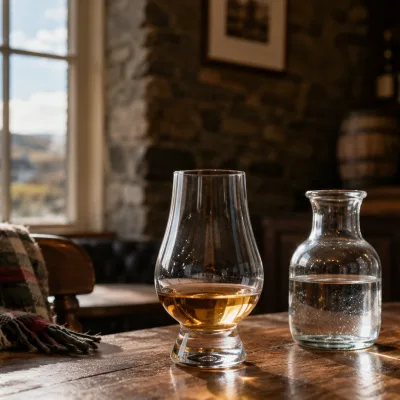
Andalusia's wine. Underused by foreign visitors.
- Fino: dry, bone-dry, light, the standard sherry to drink with tapas.
- Manzanilla: fino's coastal cousin from Sanlúcar de Barrameda; slightly saline.
- Amontillado: aged fino, more amber, more nuttiness.
- Oloroso: dark, rich, no biological aging.
- Pedro Ximénez: sweet dessert sherry, raisin-like.
Cider
Asturias and Basque Country. Poured from height (a meter+) for aeration. Drink immediately. Order "un culín" (a small pour) at a sidrería.
Coffee + After-Dinner
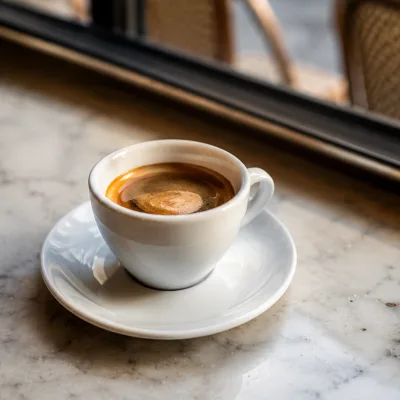
- Café solo: espresso.
- Café cortado: espresso with a small splash of milk.
- Café con leche: coffee with milk, breakfast standard.
- Carajillo: coffee with a shot of brandy (or whisky/rum). Post-meal classic.
- Patxaran: Basque liqueur, herbal-and-anise. Post-meal.
- Orujo: Galician spirit similar to grappa.
Specific Pintxos and Tapas Worth Trying
Across all regions, dishes worth seeking out:
| Dish | What it is | Where it's best |
|---|---|---|
| Gilda | Olive + anchovy + pepper + skewer | San Sebastián (named after the Rita Hayworth film) |
| Tortilla española | Potato omelet | Anywhere; Madrid and Granada are the temples |
| Jamón ibérico | Cured ham, acorn-fed black pig | Spain-wide; ham bars in every city |
| Croquetas | Béchamel-stuffed fried croquettes | Madrid and Barcelona standard |
| Patatas bravas | Fried potato + spicy sauce | Madrid version is spicier; Barcelona's thicker |
| Pa amb tomàquet | Bread + tomato | Catalonia |
| Pulpo a la gallega | Octopus + paprika | Galicia |
| Pintxo de tortilla | Tortilla on bread | Basque Country |
| Boquerones en vinagre | Anchovies in vinegar | Andalusia |
| Salmorejo | Cold tomato soup | Córdoba (the temple) |
| Espinacas con garbanzos | Spinach + chickpea | Seville |
| Calamares a la romana | Battered fried squid | Madrid (in a bocadillo at Plaza Mayor) |
| Padrón peppers | Small fried peppers | Galicia |
| Bombas | Meat-stuffed potato fritters | Barceloneta |
When to Eat
Spain runs on a different schedule.
- Lunch: 14:00–16:00. The biggest meal of the day. Many restaurants don't serve before 13:30.
- Tapas hour (pre-dinner): 19:30–21:00.
- Dinner: 21:00–23:00 in most cities; later in Madrid and on weekends.
- Late-night drinks: 00:00–02:00 still alive.
If you arrive at a tapas bar at 19:00, you may find it nearly empty. By 20:30 it's full. By 21:30 it's two-deep at the counter.
Weekends in Andalusia: Saturday/Sunday lunchtime is the main tapas crawl time, often replacing dinner.
How to Order
A few specific phrases:
- "Una caña, por favor.": "A small beer, please."
- "¿Qué tiene de tapa?": "What do you have for tapas?"
- "¿Cuánto es?": "How much is it?"
- "La cuenta, por favor.": "The bill, please."
- "Para llevar.": "To take away."
- "Dos cañas y la tortilla.": "Two small beers and the omelet."
- "¿Esto qué lleva?": "What's in this?" (Useful at pintxo bars where ingredients aren't always obvious.)
Common Tourist Mistakes
- Sitting at a table when the bar has space. You'll pay 25–35% more for the same food. The bar is the cheaper, faster, more authentic option.
- Ordering sangria. No Spaniard orders sangria. Order tinto de verano if you want the spirit.
- Filling up at one bar. The format is to graze across multiple bars.
- Eating tapas only at restaurants in tourist plazas. They're tourist factories. Walk three blocks; quality jumps.
- Going at 19:00. Bars are empty. Real action starts at 20:30+.
- Asking for ketchup with patatas bravas. It's a real offense to the bar.
- Trying to make tapas a quick meal. The pace is the point.
- Skipping the bar's specialty. Most bars have one dish they're known for. Ask: "¿Qué es la especialidad de la casa?"
- Confusing pintxos with regular tapas. In Basque Country, you pay per toothpick at the end, so pace yourself.
- Ordering wine you can't pronounce. Just point at the menu. The bartender doesn't care.
Final Notes
The right way to eat tapas in Spain is to slow down, walk between bars, eat standing, and accept that the meal will take three hours and cost €25–50 per person. The Andalusian afternoon, the Basque evening crawl, the Madrid late-night ración: these are cultural experiences as much as eating experiences.
The quietest piece of advice: don't try to map tapas crawling to American "happy hour" thinking. It isn't a quick beer with a snack. It's a several-hour social ritual that happens to involve eating. Treat it as such.
0 Comments
No comments yet — start the conversation.