

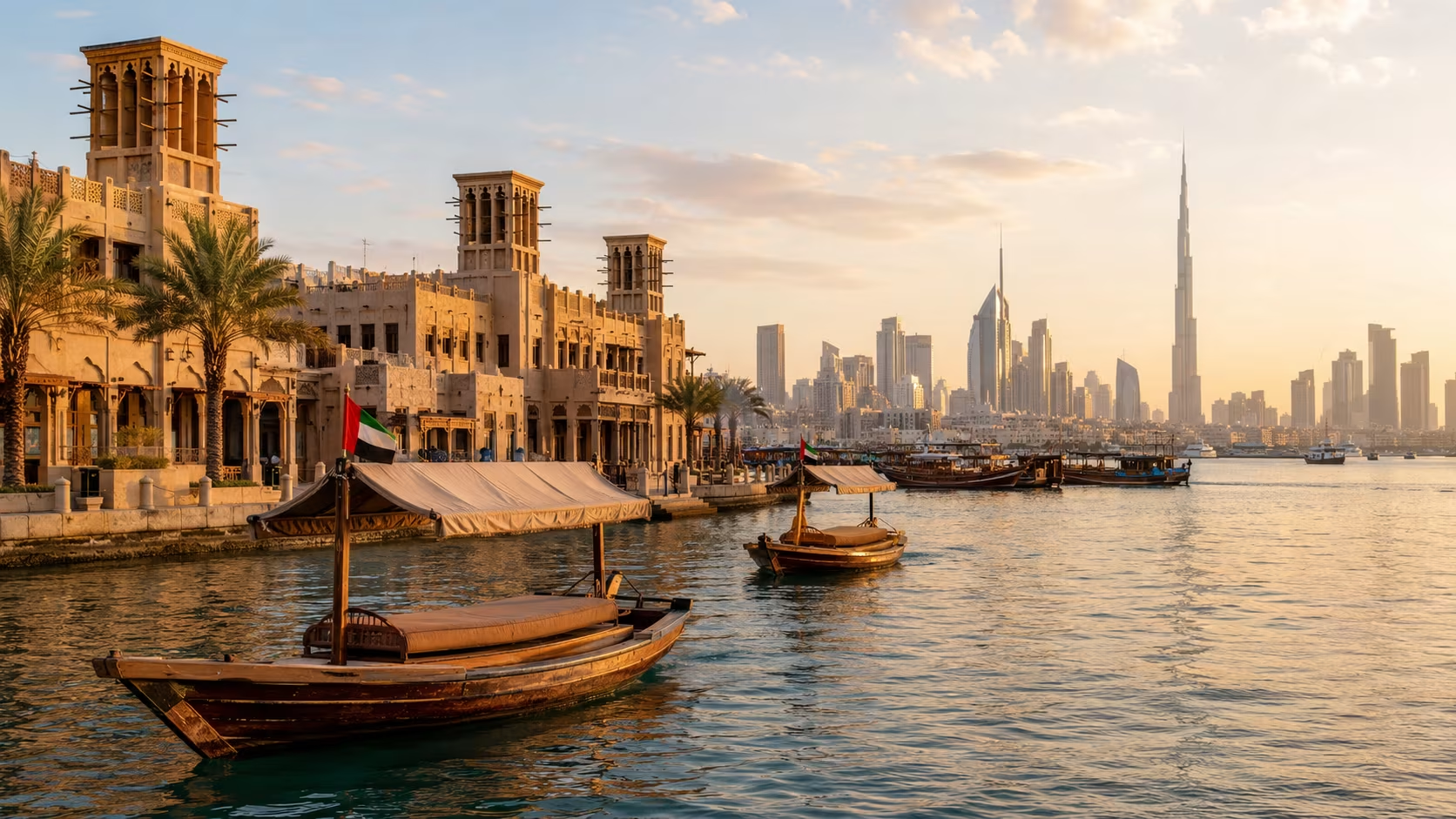
Dubai has changed faster than almost any other major city of the past 30 years. The 1990 city was a small Gulf trading port with a few mid-rise buildings; the 2026 city has 200+ skyscrapers, the world's tallest building, the longest driverless metro line in the world, and a population of 3.7 million people, 90% of whom are foreign-born expatriates from 200+ countries.
The usual first-time mistake is to spend three days in the New Dubai (Marina, Downtown, Palm Jumeirah) and call it Dubai. The other Dubai (the older trading-port heritage in Bur Dubai and Deira, the Iranian and South Asian neighborhoods, the desert that the city sits in the middle of) is what makes the trip worth taking. The skyscraper photographs are great; the real city is the contrast between them.
This is a 4-day guide for first-timers who want both versions.
Quick Facts
| Item | Detail |
|---|---|
| Country | United Arab Emirates |
| Currency | UAE dirham (AED), pegged at ~3.67 AED/USD |
| Language | Arabic (official); English near-universal |
| Time zone | GST (UTC+4, no DST) |
| Tourist tax | 10% city + service tax + AED 7–20/night tourism dirham |
| Best time | November–March |
| Visa | Visa-free for 70+ countries (US, UK, EU, etc.) for 30–90 days |
| Trip length | 3–5 days |
When to Go
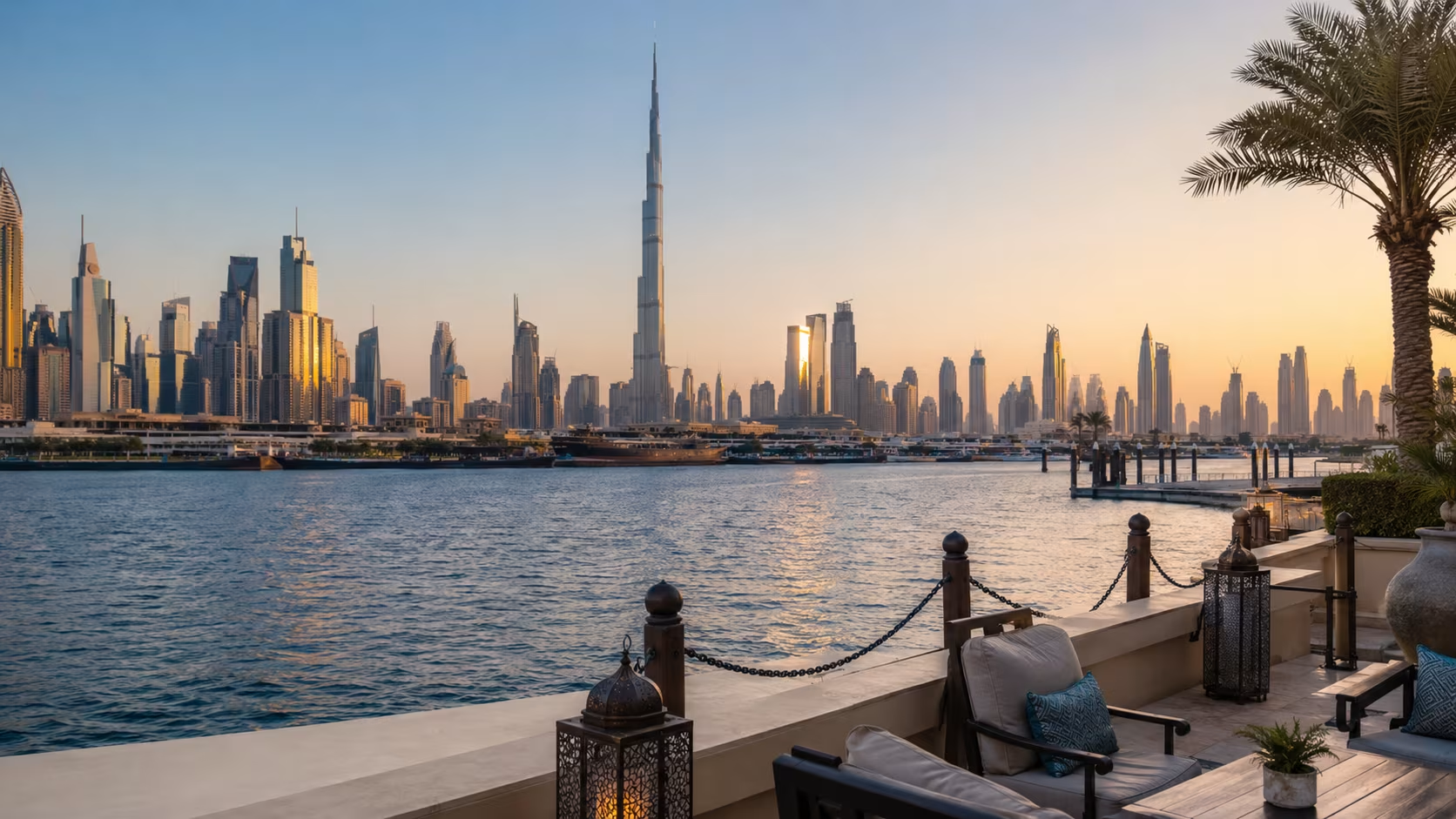
November to March
The sweet spot. Daytime highs 22–28°C, low humidity, evenings pleasant. December–February is peak tourist season; book accordingly.
April to May / October
Shoulder. Hot but not extreme (28–34°C); fewer tourists, lower hotel rates.
June to September
Brutal. 38–48°C with 60–80% humidity. Air-conditioned malls and indoor activities only. Hotel prices crash; if you're set on Dubai during summer, the discounts are real and indoor activities (malls, spas, dinner cruises) absorb most days.
Avoid:
- Eid al-Fitr and Eid al-Adha (varies year): domestic travel surges, hotels expensive.
- Ramadan (varies; mid-February to mid-March in 2026). Eating in public during daytime is restricted; many restaurants closed during the day. Iftar at sunset is a real cultural event for those interested. Tourist experience is muted overall.
- New Year's Eve unless that's specifically what you came for. Burj Khalifa fireworks are the headline; book hotels with views 6+ months ahead.
Getting in
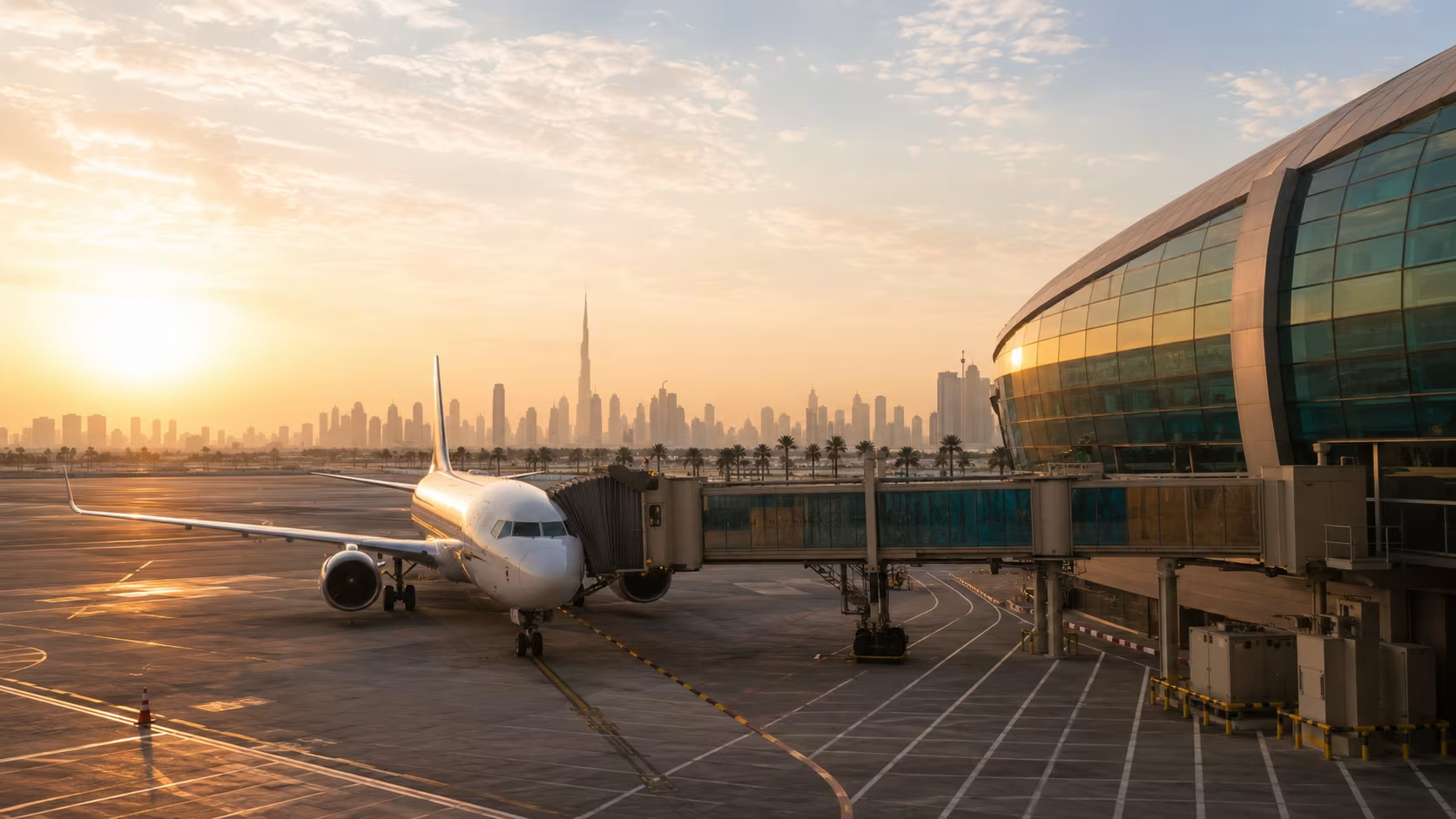
Dubai International Airport (DXB). 5 km east of central Dubai. The world's busiest international airport for international passengers (~88M annual).
From DXB:
- Metro Red Line: 8–11 AED, 20–30 min to most central destinations.
- Taxi: 80–150 AED to Marina, Downtown, or JBR. Taxis use meters; insist if not running.
- Uber/Careem: 60–120 AED.
- Hotel transfer: most hotels offer pickup, often free for premium tiers.
Al Maktoum International (DWC). Secondary airport in southern Dubai. Mostly cargo and low-cost carriers in 2026, but expansion ongoing.
Abu Dhabi airport (AUH) is also a regional gateway, 130 km from Dubai. Bus + taxi or rental car for that route.
Getting Around
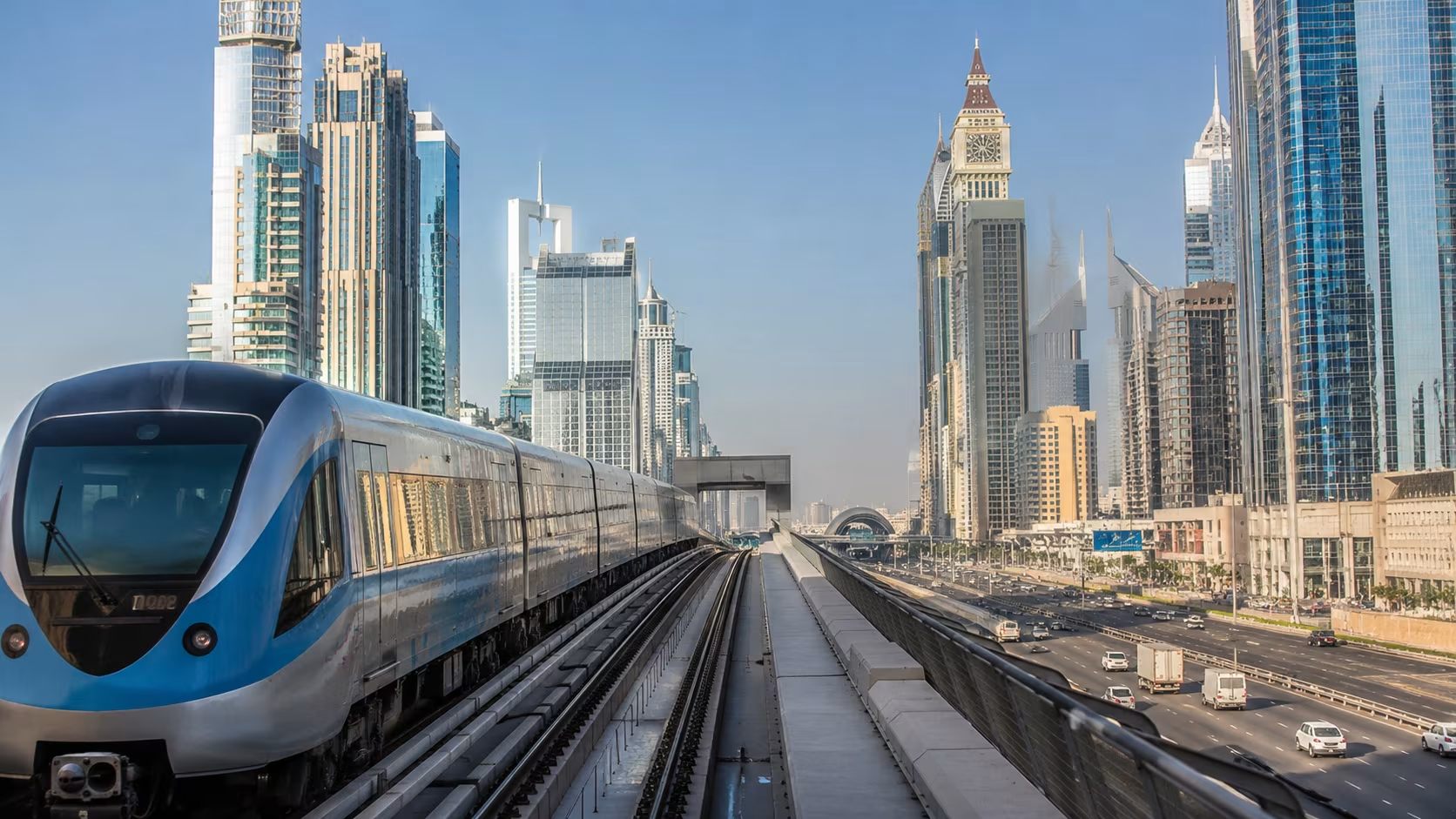
Dubai's transit is excellent for tourists. The city is too spread out to walk between districts.
Metro
Fully driverless. Two lines (Red, Green). Red Line covers the airport, Downtown, Marina, JBR, and most tourist destinations. Green Line covers Deira and Bur Dubai (the older city).
Tickets: Single ride 3–11 AED. Day pass: 22 AED for unlimited. Nol Card (rechargeable) at any station for 25 AED + balance.
Tram + Monorail
- Dubai Tram in Marina/JBR area, useful for that specific zone.
- Palm Monorail to the Atlantis hotel on the Palm. Tourist-only.
Taxis
Government taxis (cream-colored). Plentiful and cheap. Always metered. 12 AED minimum. Most cab rides 25–60 AED in central districts. Drivers speak English.
Uber and Careem
Fully operational. Pricing usually 20–40% above regular taxis but the convenience is worth it. Careem is the local Middle Eastern app (now owned by Uber).
Walking
Dubai is mostly not walkable between districts; daytime heat and city design discourage walking. Internal neighborhood walking (Marina, Downtown, JBR boardwalk) works in cool months.
Boats / Abras
Abra: traditional wooden boats across Dubai Creek between Bur Dubai and Deira. 1 AED per ride. Genuinely useful and one of the city's quieter pleasures.
Where to Stay
The district you choose changes the trip dramatically.
Downtown Dubai
Burj Khalifa, Dubai Mall, Dubai Fountain. Most central, walking distance to the headline sights. Premium pricing.
Dubai Marina / JBR
Waterfront skyscrapers, beach club access, restaurant strip on the boardwalk. Newer city aesthetic.
Palm Jumeirah
The palm-shaped artificial island. Resort-style hotels (Atlantis, One&Only Royal Mirage, Anantara, Waldorf Astoria). Beach-first stay; not central.
Bur Dubai
Older city, near Dubai Creek. Heritage districts (Al Fahidi, Al Bastakiya), traditional souks. More mid-tier hotels. Best for travelers focused on cultural sights.
Deira
Across the creek from Bur Dubai. Gold Souk, Spice Souk, working-class atmosphere. Cheaper hotels. Older city feel.
Avoid as a Base
- Sharjah (the neighboring emirate): close in distance but slow commute due to traffic.
- Far suburbs (Jumeirah Village Circle, Discovery Gardens, etc.): too far for a 4-day trip.
Realistic 2026 nightly prices (4-star, weekday, shoulder, USD):
| Neighborhood | Mid-range | Higher-end |
|---|---|---|
| Downtown | $200–350 | $500–1,200 |
| Marina/JBR | $180–320 | $400–900 |
| Palm Jumeirah | $300–500 | $800–3,000 |
| Bur Dubai | $80–150 | $250–500 |
| Deira | $60–120 | $200–400 |
What to Book in Advance
Burj Khalifa
The world's tallest building (828 m). Three observation deck levels:
- At the Top (124 + 125 floors): 159 AED off-peak, 220 AED prime sunset slots.
- At the Top SKY (148 floor, the highest observation deck in the world at 555 m): 399 AED.
- The Lounge (152–154 floors): Drinks/snacks included, 689 AED.
Book 1–2 weeks ahead for sunset slots; longer in peak season.
Burj Al Arab Tour
The iconic sail-shaped 7-star hotel. Two ways to visit:
- High tea / dinner reservation: guests only. Book 2–3 weeks ahead.
- Inside Burj Al Arab tour: 90 AED guided tour for non-guests. Book online.
Desert Safari
Many operators. Quality varies enormously.
- Premium options ($90–180 USD per person): private 4x4, smaller groups, conservation reserves (Dubai Desert Conservation Reserve, Al Maha), gourmet dinner, falconry demonstration, no large camps.
- Standard options ($35–60 USD): shared 4x4, large dinner camps with 100+ guests, dune bashing, henna, camel ride.
The premium options are dramatically better. The standard options cover the basic experience.
Dhow Cruise
Dinner cruise on a traditional wooden dhow boat through Dubai Creek or Marina. 100–250 AED per person. Touristy but well-done.
Day 1 — Old Dubai
The day to leave the skyscraper district.
08:30. Coffee in Bur Dubai. Arabian Tea House in Al Fahidi (the city's oldest tea house, traditional Emirati setting).
09:30. Al Fahidi Historical District (also called Al Bastakiya). The 19th-century heritage neighborhood, restored sandstone houses with wind towers. Walk slowly; allow 90 minutes. Free.
11:00. Etihad Museum (25 AED). The history of the UAE's founding (1971). Modern museum, well-curated. 60 minutes.
12:00. Dubai Museum at Al Fahidi Fort (3 AED). Currently closed for major renovation through 2026. Check status before visiting.
12:30. Cross the Creek by abra (1 AED). The wooden boats packed with locals + tourists. Genuine cultural experience.
13:00. Lunch in Deira. Bait Al Mandi (Yemeni). Al Ustad Special Kabab (the historical Iranian restaurant). Asha's (modern Indian).
14:30. Gold Souk in Deira. The most-photographed gold market in the world. The shop windows alone justify the visit. Negotiate hard if buying (start at 60% of asking price). Allow 60 minutes.
15:30. Spice Souk in Deira. Smaller and more atmospheric than Gold Souk. Saffron, cardamom, cinnamon, dried lemons, frankincense. Some vendors offer free tea while sampling spices.
16:30. Walk through Naif (the traditional Pakistani-Indian neighborhood) and back to a metro station.
18:30. Sunset on a Creek dhow cruise (booked) or at Al Seef (the new heritage-style waterfront on the Bur Dubai side, restaurants and cafes, less crowded than the Marina).
20:30. Dinner. Stay in Bur Dubai for traditional Emirati food at Al Fanar Restaurant.
Day 2 — New Dubai: Burj Khalifa, Dubai Mall, Fountain
09:30. Coffee in Downtown.
10:30. Burj Khalifa observation deck (booked). Allow 90 minutes including queue. The 124-floor view is spectacular. Visibility on hot dusty days can be reduced to 10–15 km; cooler months better.
12:30. Dubai Mall (the largest mall in the world by total area). Don't try to see all of it. Worth a stop:
- Dubai Aquarium + Underwater Zoo (130 AED for full ticket)
- VR Park
- Apple Store, traditional Souk Al Bahar courtyard area
- The fountain promenade outside
14:00. Lunch in or near Dubai Mall. Naya for Lebanese; Yumi for Asian fusion; Avli by Tashas for Greek; Carine for French.
16:00. Walk Souk Al Bahar (the modern Arab-style mall connected to Dubai Mall by an air-conditioned bridge). Boutique shopping.
18:00. Aperitif at one of Downtown's rooftop bars. Cé La Vi at Address Sky View. CÉ LA VI Marina has the same brand. Al Tawasul at Al Habtoor City for less crowded.
18:30. Dubai Fountain Show. Free, on the lake outside Dubai Mall. Shows every 30 minutes from 18:00–23:00. Music + water + lights. The 18:30 sunset slot is the best.
20:00. Dinner. At.mosphere (123rd floor of Burj Khalifa, the highest restaurant in the world; book days ahead). Zuma for upscale Japanese. Coya for Peruvian.
Day 3 — Beach + Marina + Palm
09:00. Beach morning. Options:
- JBR Beach: public, free, with lifeguards. Beach club access at hotels.
- Kite Beach in Umm Suqeim: public, popular with locals, water sports rentals.
- Hotel beach if your hotel has one (many Marina hotels do).
12:00. Lunch. Pier 7 (Marina) for upscale dining cluster. Bla Bla beach club (Marina) for casual. Pierchic at Madinat Jumeirah for high-end seafood with ocean views.
14:00. Madinat Jumeirah. A modern Arab-style resort complex with traditional architecture replicated around canals. Visit the Souk Madinat Jumeirah (the most polished tourist souk experience). Allow 2 hours.
16:00. Burj Al Arab. Photograph from the public Madinat Jumeirah area or visit Skyview Bar for high tea (booked) or Burj Al Arab Inside Tour.
18:00. Palm Jumeirah. Take the monorail or taxi. Visit Atlantis (the obvious tourist resort with Aquaventure water park if interested) or stop at The Pointe for restaurants and a view back at the palm and Atlantis.
19:30. Sunset at The View at The Palm (108 AED), the observation deck on the central Palm tower. Sunset views over the entire palm shape and across the city.
20:30. Dinner on the Palm. Nobu at Atlantis. 101 Dining Lounge at One&Only. STAY by Yannick Alléno at One&Only Royal Mirage.
Day 4 — Desert or Day Trip
Path A: Desert Safari
13:30. Pickup from hotel.
14:30–15:30. Drive to desert reserve (45–90 min east of Dubai depending on operator).
16:00–17:30. Activities. Premium operators offer falconry, camel rides, sand boarding, dune bashing (depends on package).
18:00–19:00. Sunset over the dunes. The defining image of the Arabian Peninsula at this hour.
19:00–22:00. Bedouin-style camp dinner. Premium camps offer 8–12 course Emirati and Levantine food, wine pairings (alcohol available at premium camps). Standard camps offer buffet dinner with belly dancing and tanoura performance.
22:30. Drop off back at hotel.
Path B: Day Trip to Abu Dhabi
130 km from Dubai. The capital of the UAE; smaller, calmer, more conservative than Dubai.
09:00. Drive or take an organized tour ($80–180 USD).
11:00. Sheikh Zayed Grand Mosque. Free entry; modest dress required (women: full abaya/scarf, available at entrance). One of the largest mosques in the world; 82 white domes; the world's largest hand-knotted carpet inside. Allow 2 hours.
14:00. Lunch in Abu Dhabi.
15:00. Louvre Abu Dhabi (63 AED). The branded Louvre franchise opened 2017. Dome architecture is the headline; collection is mid-tier but well-curated. 90 minutes.
17:30. Drive back to Dubai.
Path C: Day Trip to Hatta
Mountain village in the eastern Hajar Range, 130 km southeast. Hiking trails, Hatta Dam (turquoise water), kayaking, mountain biking. A genuine alternative to the resort-and-skyscraper version of the country.
What to Eat
Dubai's food scene reflects its expatriate population: every cuisine on earth represented, with strong concentrations of Emirati, Lebanese, Iranian, Pakistani, and Indian. Recent years have produced a serious modern-Emirati fine dining scene.
Emirati Classics
- Machbous: spiced rice with meat (lamb, chicken, fish). The Emirati national dish. Al Fanar Restaurant is the institution.
- Harees: wheat and meat porridge, slow-cooked. Often eaten during Ramadan.
- Luqaimat: sweet fritters drizzled with date syrup.
- Camel meat dishes: surprisingly mild, similar to lean beef. Try at heritage restaurants.
- Khabeesa: sweet semolina pudding with saffron and cardamom.
Lebanese / Levantine
The most-represented Arab cuisine in Dubai.
- Hummus, baba ghanoush, tabouleh, fattoush: staples.
- Mixed grill: kebab, kafta, shish taouk, lamb chops.
- Manakish: flatbread with za'atar or cheese.
- Mezze: table of small dishes.
Places: Al Nafoorah at Jumeirah Emirates Towers. Awtar at Grand Hyatt. Reem Al Bawadi for casual.
Iranian / Persian
Significant Iranian community in Dubai shapes the food scene.
- Chelo kabab: saffron rice with grilled lamb or chicken kebab.
- Ghormeh sabzi: herb stew with lamb.
- Fesenjan: chicken in pomegranate-walnut sauce.
Places: Shabestan at Radisson Blu Dubai Deira Creek. Pars Iranian Kitchen for casual.
Indian / Pakistani
Massive South Asian population shapes the daily food culture. - Biryani, karahi, butter chicken, dosa, vada pav: all available across the spectrum from working-class casual to upscale.
Places: Tresind (modern Indian, Michelin-starred). Bombay Brasserie for traditional. Asha's for restaurant-style. Delhi Darbar for working-class authentic.
Modern Fine Dining
Dubai's fine dining scene exploded since the 2019 Michelin Guide arrived. 2026 highlights:
- Trèsind Studio (3-star, modern Indian).
- Stay by Yannick Alléno (Michelin-starred French).
- Zuma, Coya, La Petite Maison: established institutions.
- Ossiano (Atlantis, modern fish-focused).
- At.mosphere (Burj Khalifa 123rd floor, premium).
Costs and Budget
2026 daily budgets per person, excluding flights and hotel (USD):
| Style | Per day | Notes |
|---|---|---|
| Backpacker | $60–110 | Hostel/budget hotel, working-class restaurants, metro, free public sights |
| Mid-range | $130–220 | Mix of casual and premium restaurants, Burj Khalifa, mid-tier desert tour |
| Comfortable | $300–500 | Premium restaurants, luxury day trip, taxi over metro, beach club access |
| Higher-end | $700+ | Tasting menus, private guide, premium desert reserve, helicopter tour |
Dubai is among the more expensive Asian/Middle Eastern destinations. A mid-tier dinner at a chain restaurant runs $40–70 per person; a serious dinner $100–200 per person.
Practical Info
- Cards. Universal. Cash for some smaller souk transactions.
- Tipping. 10% standard at restaurants. Service charge often included; check the bill. Round up taxis.
- Alcohol. Restricted but widely available at hotel restaurants/bars and licensed venues. Drinking in public is illegal and prosecuted. Liquor stores require a non-Muslim permit (free with passport).
- Dress code. Generally relaxed in tourist areas (Marina, Downtown, hotel beaches). Modest dress required at religious sites; recommended in older districts (Bur Dubai, Deira). Topless or thong bikinis are illegal at public beaches.
- PDA. Public displays of affection (kissing, lengthy hugging) can attract police attention. Hand-holding is acceptable.
- English. Universal across the city. Many service workers speak only English (often a second language for them too).
- Friday afternoon. Most prayer-time of the week. Mosques close to non-Muslim visitors 12:00–15:00. Some businesses pause.
- Sundays. First day of the work week (since the 4.5-day work week reform of 2022; weekends are now Sat–Sun across most of UAE since 2022). Saturday is now the second weekend day.
- Pickpocketing. Rare. Crime rates among lowest of major cities. Standard precautions in souks.
- Photography. Don't photograph government buildings, military installations, women in conservative dress without permission. Asking is universally appreciated.
- Driving. Traffic during morning and evening rush is brutal. Speed limits strictly enforced (radar everywhere). Salik (toll) automatic at highway points.
Common First-Timer Mistakes
- Skipping Old Dubai. Bur Dubai + Deira is the entire historical reason the city exists.
- Booking the budget desert safari. The premium options are dramatically better; the budget ones can be overly commercial.
- Trying to walk between districts. Daytime heat (most of the year) and city design make walking impractical between Marina and Downtown.
- Visiting only the malls. Air-conditioned escape is real, but Dubai Mall + Mall of the Emirates + Ibn Battuta Mall is six hours of indoor tourism.
- Underestimating the Burj Khalifa queue. Without a timed ticket, the wait can exceed 90 minutes.
- Drinking heavily and going outdoors. Public intoxication can result in arrest. Stay in licensed venues.
- Wearing inappropriate clothing in older districts. Wearing a tank top in Bur Dubai is technically permitted but signals tourist disrespect.
- Booking a fake "Burj Khalifa view" room without checking specifically. Many hotels claim Burj Khalifa view; some show only a sliver from the corner of the bathroom window.
- Trying to do a Dubai-Abu Dhabi-Sharjah triple in 4 days. Dubai alone deserves the time.
Final Notes
Dubai is best understood as two cities: the trading-port heritage of Bur Dubai and Deira, and the skyscraper-and-resort modern city in Downtown, Marina, and the Palm. The 4-day visit that visits only one is incomplete. The version of the city that's worth coming for is the contrast between them: the Spice Souk in the morning, the Burj Khalifa at sunset, the Bedouin desert under the stars at night.
The quietest piece of advice: take the abra across Dubai Creek at 16:00. The wooden boat, the call to prayer from a dozen minarets simultaneously, the working-class commuters from Pakistan and India and Iran reading the newspaper, the Burj Khalifa visible in the distance as a gleaming silhouette behind the older buildings. That's the city in one image: the trading port that grew into a planet of skyscrapers, and the working population that built it, all sharing the same boat.
0 Comments
No comments yet — start the conversation.