

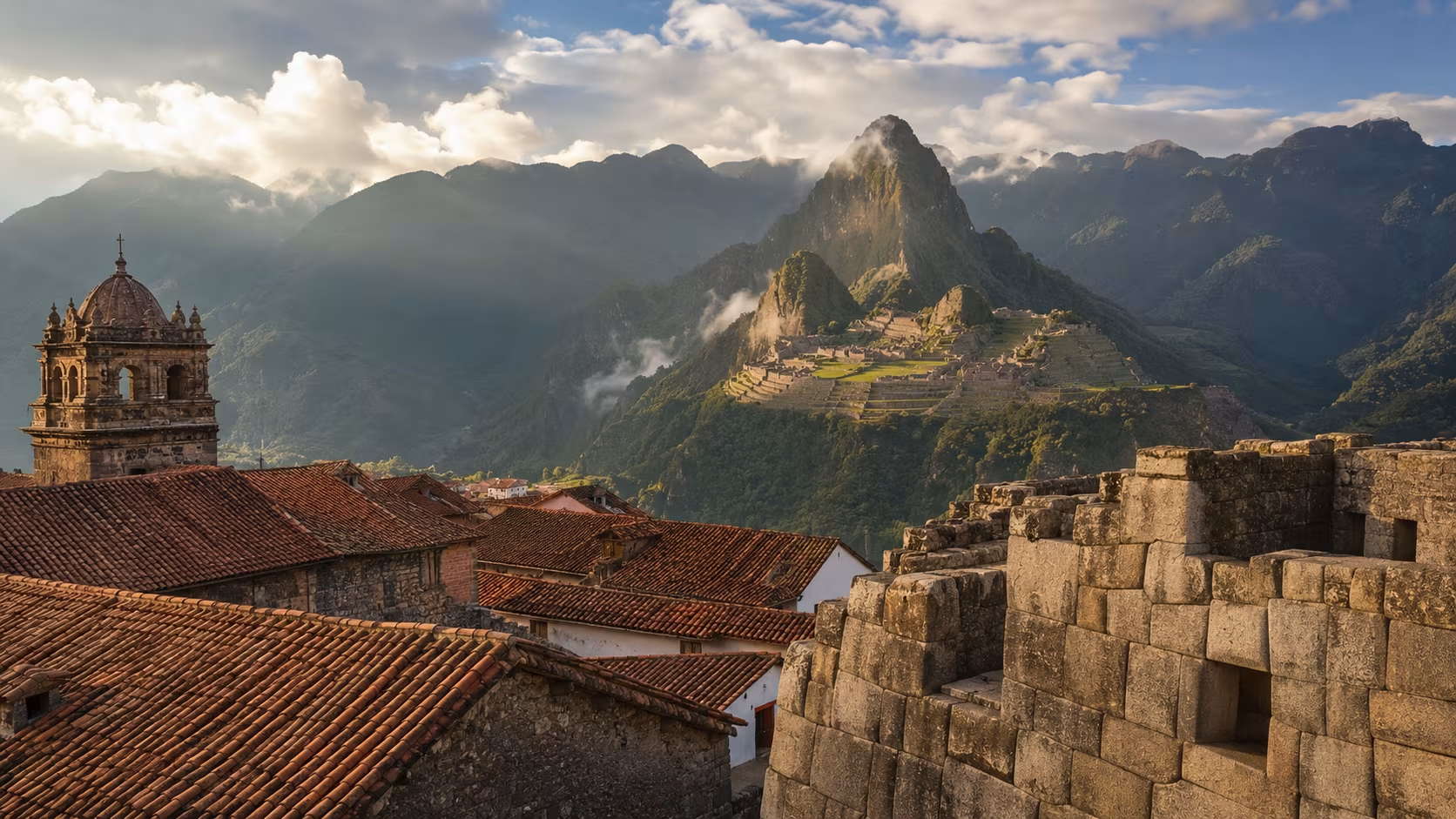
Cusco — the Inca capital + UNESCO World Heritage city in the Peruvian Andes — is the gateway to Machu Picchu + the Sacred Valley region. The 2026 trip is structurally different from earlier years: the new ticketing system at Machu Picchu (introduced 2023, refined 2024-2026) requires advance reservations + specific entry circuits. The altitude (Cusco at 3,400m / 11,150 ft) creates real challenges that most first-time visitors underestimate.
For first-time visitors, Cusco + Machu Picchu requires careful planning: arrive at moderate altitude first (Lima or Arequipa), allow time to acclimatize before hiking, book Machu Picchu tickets months ahead. The trip rewards patience with one of the world's great archaeological + cultural experiences.
This is a 7-day guide for first-time visitors covering Cusco + Sacred Valley + Machu Picchu.
Quick Facts
| Item | Detail |
|---|---|
| Country | Peru |
| Currency | Peruvian sol (PEN), ~3.7 PEN/USD in 2026 |
| Languages | Spanish + Quechua; English in tourist areas |
| Time zone | PET (UTC-5, no DST) |
| Tourist tax | None |
| Best time | May–September (dry season, sunny days, cool nights) |
| Visa | Visa-free 90 days for US, EU, UK, Canada, Australia, etc. |
| Trip length | 5-7 days for Cusco + Machu Picchu (additional time for Lima or Sacred Valley) |
| Altitude | Cusco 3,400m (11,150 ft); Machu Picchu 2,430m (7,970 ft) |
When to Go
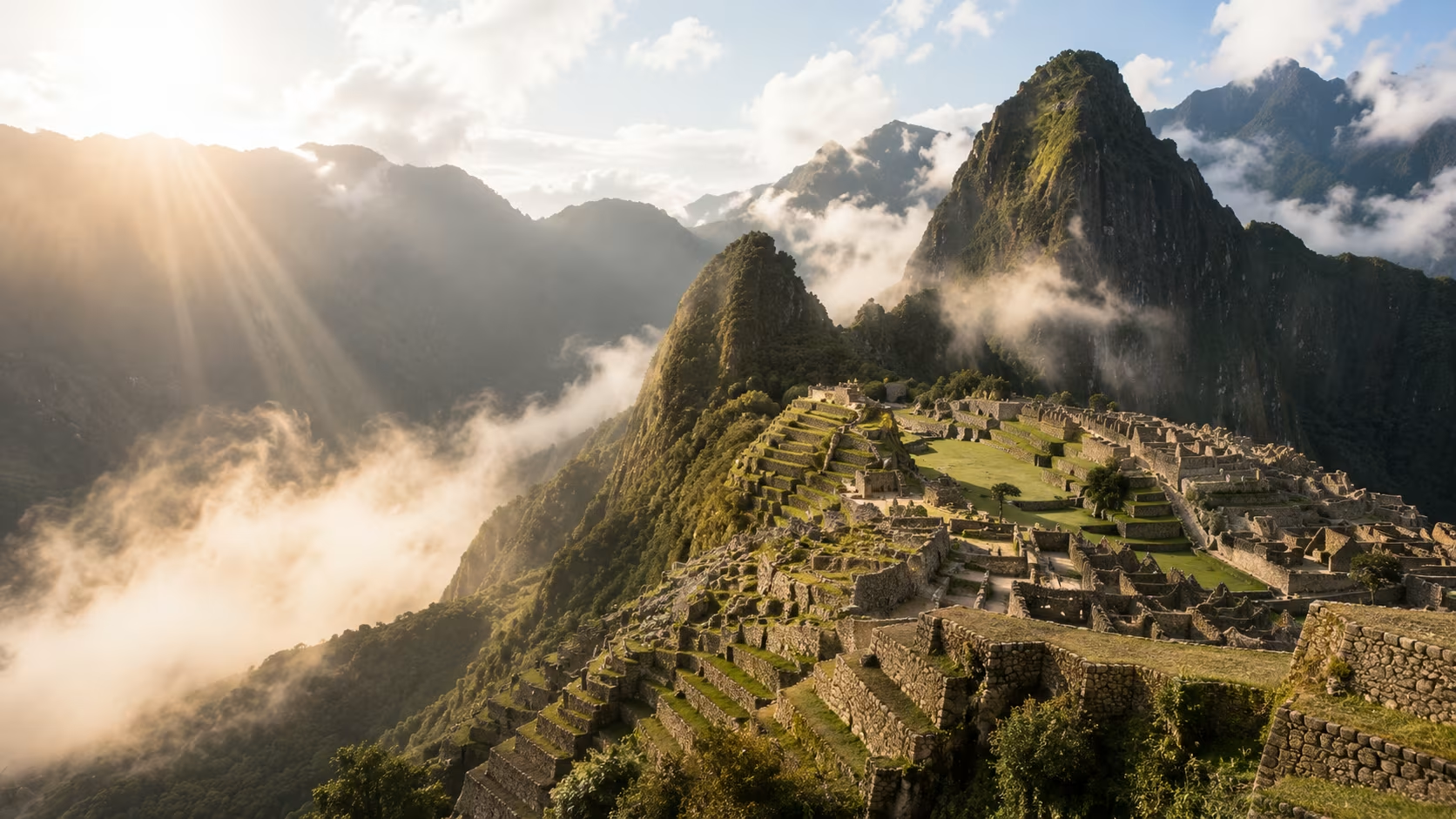
May to September (dry season). The window. Sunny days; cool to cold nights; rain rare. June-July is peak with school holidays + the famous Inti Raymi festival in Cusco June 24.
October to November (shoulder). Mostly dry; some rain begins. Lower crowds.
December to April (wet season). Daily afternoon rain; Machu Picchu sometimes closed during heavy rain periods (especially February — the Inca Trail closes in February for maintenance). Some travelers prefer the lush green landscapes; others find rain disrupting.
Avoid:
- February — wettest month; Inca Trail closes; many tours cancel.
- Major Peruvian holidays for transit issues.
- Inti Raymi (June 24) without booking 6+ months ahead — Cusco hotels triple in price.
Altitude Management
The single most-important consideration. Cusco at 3,400m affects most visitors arriving from sea level.
Symptoms:
- Fatigue + breathlessness on stairs.
- Headache (often severe).
- Nausea.
- Insomnia first night or two.
- Reduced exercise tolerance.
Strategies:
- Don't fly directly to Cusco from sea level. Spend 1-2 nights in Arequipa (2,335m) or Sacred Valley town like Ollantaytambo (2,792m) or Urubamba (2,870m) first.
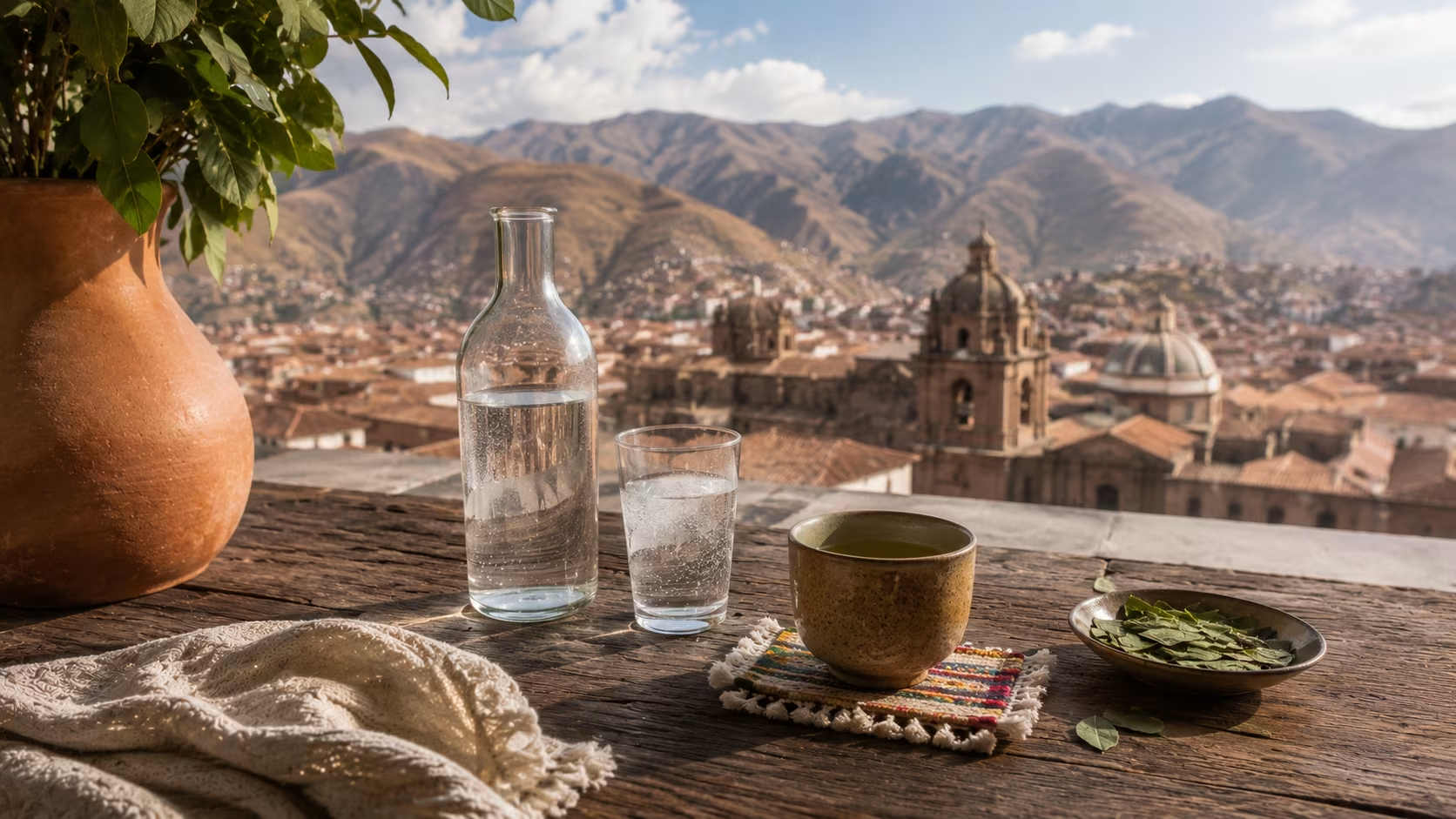
- Hydrate aggressively. 3+ L water per day at altitude.
- Skip alcohol on arrival day. Alcohol amplifies altitude effects.
- Acetazolamide (Diamox) prescription can help; consult doctor before trip. Take 24 hours before arrival.
- Coca tea is the traditional remedy; widely available + culturally significant.
- Slow movement first 24 hours. Don't hike immediately.
- Stay hydrated even when not thirsty. Altitude masks thirst signals.
Getting In
Cusco Velasco Astete International Airport (CUZ). Direct flights from Lima (1h 20min). No direct international flights — connect through Lima.
From CUZ:
- Taxi: 25-40 PEN ($7-11) to central, 15 min.
- Hotel transfer: 50-80 PEN.
Alternative arrival: Train from Lima (very slow), bus from Lima (20+ hours; not recommended), or fly via Lima (95% of travelers).
Getting Around
Cusco City
- Walking. Central Cusco is small + walkable, though hilly.
- Taxi. 5-12 PEN for typical central trips.
- Bus / colectivo. Cheap; useful for outer destinations.
Sacred Valley + Machu Picchu Logistics
Cusco → Sacred Valley (Pisac, Urubamba, Ollantaytambo): taxi or organized tour (90 min to Ollantaytambo).
Cusco → Machu Picchu route (only via train):
- Cusco → Ollantaytambo by car/bus (90 min).
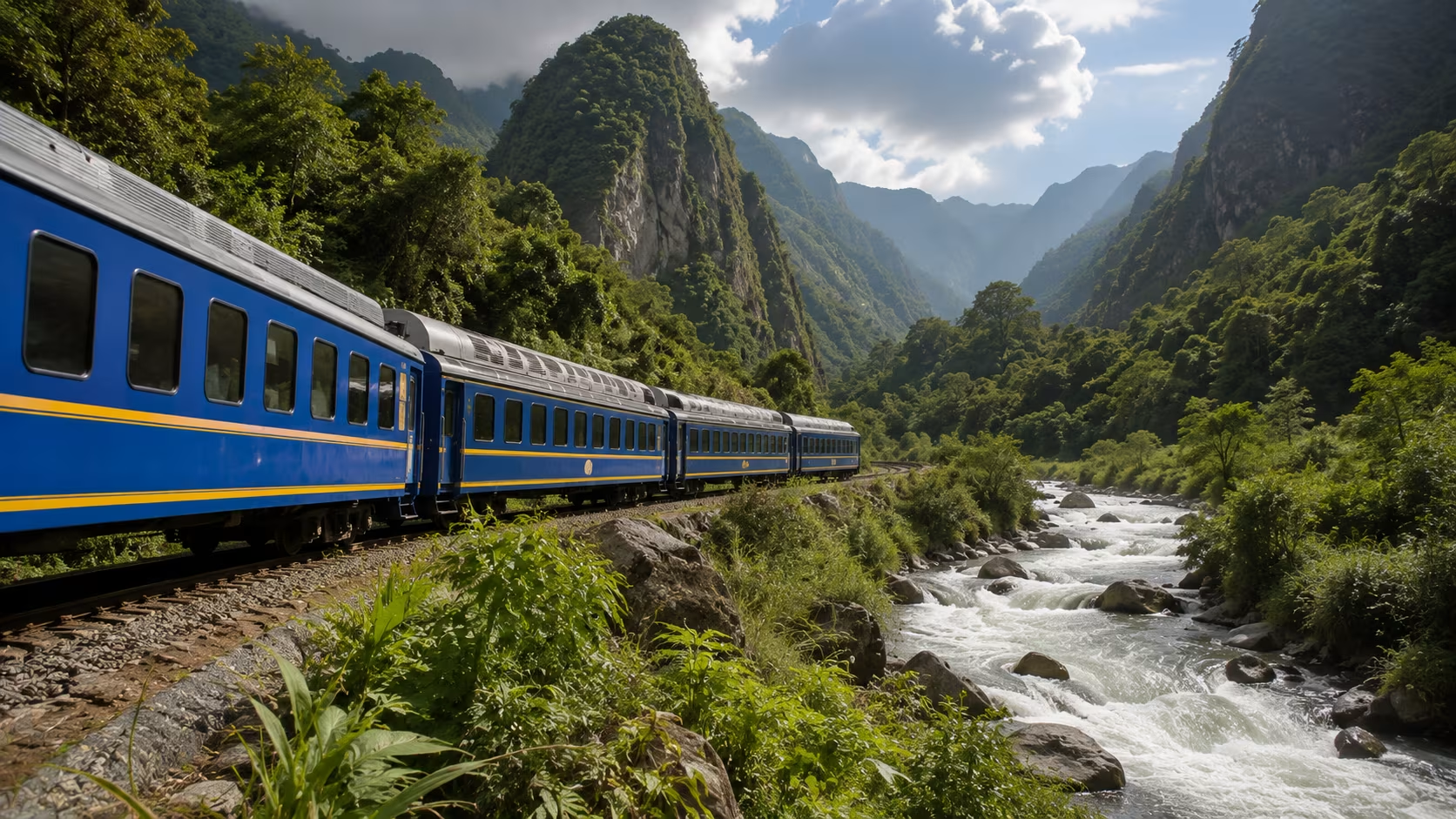
- Ollantaytambo → Aguas Calientes by train (90 min). PeruRail + Inca Rail are the two operators.
- Aguas Calientes → Machu Picchu by bus (25 min, 12 km switchback road).
Book all segments online. Tickets release 1-3 months ahead for popular times.
Where to Stay
Cusco's neighborhoods feel different:
Central Cusco (Plaza de Armas + San Blas)
The central tourist district. Walking distance to most major sights. Mid-range to higher-end hotels in restored colonial buildings.
Sacred Valley (Ollantaytambo, Urubamba, Pisac)
Lower altitude (2,800-3,000m vs. Cusco 3,400m); easier first stops. Mid-range hotels + traditional villages.
Aguas Calientes (Machu Picchu Pueblo)
The town at the base of Machu Picchu. Mostly tourist-focused; basic hotels. Stay 1 night for early Machu Picchu access.
Realistic 2026 nightly prices (4-star, weekday, shoulder, USD):
| Location | Mid-range | Higher-end |
|---|---|---|
| Cusco Centro | $90-180 | $250-700 |
| Sacred Valley | $130-250 | $350-1,000 |
| Aguas Calientes | $80-160 | $230-500 |
What to Book in Advance (Months Ahead)
Machu Picchu Tickets
Mandatory advance booking since 2023. The new ticketing system has multiple circuit options:
- Circuit 1 (Upper Circuit): the classic upper-trail experience including the iconic photograph viewpoint. ~152 PEN (~$41).
- Circuit 2 (Lower Circuit): the lower-trail experience through ruins.
- Circuit 3 (Royal Circuit): focused tour.
- Circuit 4 + 5: specialized routes.
- Add-on hikes: Wayna Picchu (the iconic peak behind the famous viewpoint, ~152 PEN), Machu Picchu Mountain (the larger peak), Inti Punku (Sun Gate).
Books 1-3 months ahead for popular circuits + dates. Wayna Picchu is most-restricted (limited daily entries).
Book at machupicchu.gob.pe (the official site).
Inca Trail (Multi-Day Hike)
4-day classic Inca Trail. Sells out 6-9 months ahead in peak season. Operators provide everything (guides + porters + meals). $700-1,500 per person depending on operator.
Inca Trail closes February for maintenance.
Alternatives: Salkantay Trek, Lares Trek, Choquequirao Trek — also pre-bookable, less-restricted.
Train + Bus Tickets
Book the Cusco-Machu Picchu rail segments 1-3 months ahead. PeruRail + Inca Rail are the operators.
The 7-Day Itinerary
Day 1 — Arrival in Lima (or Arequipa)
If you're not going via Lima or Arequipa for acclimatization, see Day 2. Most travelers fly into Lima first.
- Arrive Lima.
- Day in Miraflores or Barranco neighborhoods.
- Pacific seafood dinner.
Day 2 — Travel to Cusco / Sacred Valley
- Morning flight Lima → Cusco (1h 20min).
- Critical: don't go directly to Cusco from sea level if avoidable. Drive to Sacred Valley (90 min from Cusco, lower altitude 2,800-3,000m).
- Stay in Ollantaytambo or Urubamba.
- Light afternoon. Hydrate aggressively.
- Coca tea + early dinner.
Day 3 — Sacred Valley
With one day at lower altitude, body adapts somewhat.
- Pisac market (Sundays especially) + Pisac Inca ruins (90 PEN entry).
- Maras Salt Pans + Moray (the circular Inca agricultural terraces, salt pans dating to pre-Inca times). Combined ticket ~120 PEN.
- Ollantaytambo Inca ruins (free with Boleto Turístico).
- Lunch at a Sacred Valley restaurant.
Day 4 — Cusco
- Drive to Cusco (90 min from Sacred Valley). Check into Cusco hotel.
- Plaza de Armas + Cusco Cathedral (50 PEN).
- Qorikancha (Inca Sun Temple + colonial church, 50 PEN).
- San Blas neighborhood walking — the artist district above the central plaza.
- Light afternoon at higher altitude; rest if needed.
- Dinner in San Blas.
Day 5 — Cusco
- Sacsayhuamán (the massive Inca fortress above Cusco; 80 PEN with Boleto Turístico combined ticket).
- Tambomachay + Puca Pucara (smaller archaeological sites; included in Boleto).
- Lunch at a working-class chicheria or restaurant.
- San Pedro Market for working-class shopping + lunch food.
- ChocoMuseo (free; small museum about Peruvian chocolate).
- Dinner in Cusco — Cicciolina for upscale international or Chicha for modern Peruvian.
Day 6 — Machu Picchu Day
- 05:00. Wake.
- 06:00. Train Ollantaytambo → Aguas Calientes (90 min).
- 08:00. Bus Aguas Calientes → Machu Picchu (25 min).
- 08:30. Enter Machu Picchu (booked timed entry). Allow 4-6 hours including any add-on hike.
- 15:00-16:00. Bus + train back. Some travelers stay overnight in Aguas Calientes for better experience + earlier morning entry.
Day 7 — Departure
- Cusco for final breakfast.
- Flight back via Lima.
Variations
Add Inca Trail (4-day Classic Hike)
Replace Days 5-7 with the famous 4-day Inca Trail hike. Books 6-9 months ahead. $700-1,500 per person. Ends at Machu Picchu Sun Gate at sunrise on Day 4.
Requires fitness; high altitude trekking; tents + porters.
Skip Sacred Valley
If time-constrained: fly Lima → Cusco direct + take altitude pills. Days 2-3 in Cusco; Day 4 to Sacred Valley + Machu Picchu prep; Day 5 Machu Picchu; Day 6 return.
Riskier for altitude sickness.
Add Maras + Moray + Salinas + Lake Titicaca
For a 10-12 day Peru trip. Add Lake Titicaca (Puno) after Cusco — 8 hours by bus or 1-hour flight.
Add Amazon
Puerto Maldonado is a popular jungle base. Fly from Cusco (45 min). Adds 3-5 days.
What to Eat
Peruvian cuisine is one of the world's great regional traditions. The 2010s + 2020s saw Lima's restaurant scene gain global recognition; Cusco's working-class food + Sacred Valley + Andean specialties are distinct.
Headline Dishes (Cusco + Andes)
| Dish | What it is |
|---|---|
| Cuy | Roasted guinea pig. Traditional Andean dish (pre-Inca). Acquired but historically significant. |
| Alpaca steak / Llama | The Andean meats. Lean; mild. |
| Aji de gallina | Spicy chicken stew with cream sauce. National classic. |
| Lomo saltado | Stir-fried beef with onions, tomatoes, soy sauce + fries. Chinese-Peruvian fusion (chifa). |
| Anticuchos | Skewered grilled beef heart. Working-class street food. |
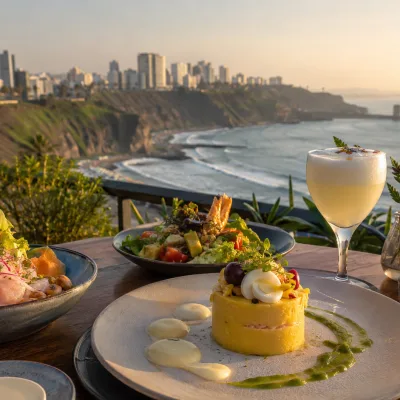
| Causa | Layered potato dish. Yellow potato base, layered with chicken or fish + avocado + sauces. |
| Ceviche | Raw fish marinated in lime + onion + chili. Peruvian classic (better at coast than Cusco). |
| Quinoa soup | Andean staple. |
| Choclo + queso | Andean corn (huge kernels) + cheese. Snack. |
| Pachamanca | Underground-cooked meat + vegetables (Andean traditional). |
| Coca tea | Coca-leaf tea. Traditional altitude remedy. |
| Pisco sour | National cocktail (pisco brandy, lime, syrup, egg white). |
| Inca Kola | Yellow national soda. |
Where to Eat in Cusco
Modern Peruvian:
- Cicciolina (upscale international + Peruvian).
- Chicha (Gastón Acurio's modern Peruvian).
- MAP Café (in the Pre-Columbian Art Museum; modern Peruvian).
- Limo (modern Peruvian + sushi).
Traditional + Casual:
- El Tupay at Belmond Hotel Monasterio (upscale traditional).
- Pachapapa (San Blas, traditional Andean in colonial setting).
- La Bondiet for working-class breakfast + lunch.
- San Pedro Market for working-class food.
Costs and Budget
2026 daily budgets per person, excluding flights (USD):
| Style | Per day | Notes |
|---|---|---|
| Backpacker | $35-65 | Hostel, working-class meals, walking |
| Mid-range | $80-150 | Mix of casual and proper restaurants, attractions, transit |
| Comfortable | $180-300 | Better restaurants, premium tours, taxis |
| Higher-end | $500+ | Luxury hotels, private guide, premium Sacred Valley experiences |
Specific anchors:
- Working-class menú lunch: 15-25 PEN ($4-7).
- Mid-tier dinner: 60-130 PEN ($16-35).
- Premium tasting menu: 200-450 PEN ($55-120).
- Boleto Turístico (combined Cusco region tickets): 70 PEN ($19) for 1-day; 130 PEN ($35) for full ticket.
- Machu Picchu ticket: ~152 PEN ($41) for Circuit 1.
- PeruRail Ollantaytambo-Aguas Calientes: $70-150 round-trip.
Practical Info
- Cards. Accepted at hotels and mid-tier+ restaurants in Cusco. Cash preferred at markets + smaller establishments.
- Tipping. 10% standard at restaurants; tour guides 30-100 PEN per person per day depending on quality.
- Currency. Soles + USD often interchangeable in tourist areas. Carry small bills.
- English. Common in tourist areas; less in residential + rural neighborhoods.
- Sundays. Many things open. Pisac Sunday market peaks.
- Pickpocketing. Real around Plaza de Armas + San Pedro Market. Standard precautions.
- Sun. UV intense at altitude. SPF 50+ mandatory; sunburn comes fast at 3,400m.
- Cold. Cool nights even in dry season (5-10°C). Pack layers.
- Crime. Generally low in tourist zones. Standard precautions.
- Strikes. Periodic teacher + worker strikes can disrupt transit; check current situation.
- Altitude medications. Acetazolamide is widely available; consult doctor before trip.
Common First-Timer Mistakes
- Flying directly to Cusco from sea level. Real altitude sickness risk; ruins first 2 days.
- Not booking Machu Picchu tickets months ahead. Walk-up doesn't exist.
- Booking the cheapest Machu Picchu ticket without understanding circuits. Circuit 1 is the iconic upper-trail experience.
- Skipping Wayna Picchu. The iconic peak hike (booked 2-3 months ahead) is worth the additional ticket if your fitness allows.
- Drinking heavily on Cusco arrival day. Multiplies altitude sickness.
- Hiking immediately after arrival. Allow 24-48 hours for body to adjust.
- Not packing layered clothing. Days warm; nights cold.
- Skipping Sacred Valley. Maras + Moray + Pisac + Ollantaytambo are essential context for Machu Picchu.
- Trying to do Inca Trail without 6+ months booking. Sells out.
- Visiting in mid-February. Wettest period; Inca Trail closed; some tours cancel.
- Using only credit cards. Many places (markets, smaller restaurants) cash-only.
- Drinking tap water. Bottled only.
- Not respecting altitude warning signs. Severe altitude sickness can require evacuation.
Final Notes
Seven days for Cusco + Sacred Valley + Machu Picchu is the minimum for a focused first trip. One day arriving + acclimatizing in Sacred Valley; one day Sacred Valley sights; two days Cusco; one day Machu Picchu (with overnight in Aguas Calientes ideal); one day for return.
The quietest piece of advice: arrive at Machu Picchu before 09:00 with the first wave of visitors. The site has fog at sunrise that often clears around 09:00, revealing the famous view in dramatic light. The travelers who arrive at midday miss this entirely. The Machu Picchu that stays with you isn't the postcard photograph; it's the moment when the fog lifts + the entire 15th-century Inca city emerges from cloud + you understand why the Incas chose this specific peak for their sanctuary.
0 Comments
No comments yet — start the conversation.