

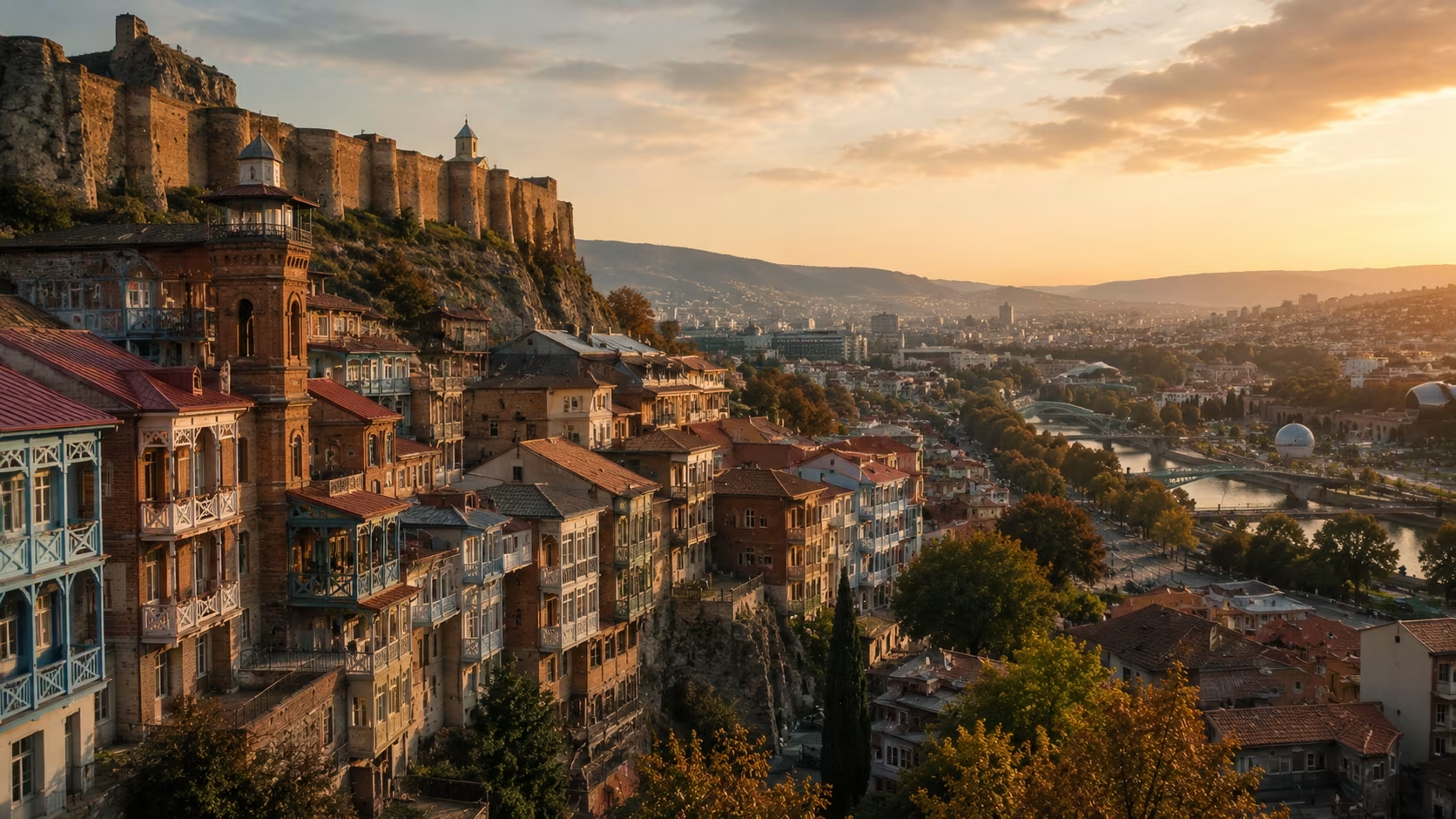
Tbilisi is the most-distinctive capital between Eastern Europe and Western Asia. The Georgian capital sits in a river valley with the Caucasus mountains visible to the north, dating to at least the 5th century AD with continuous habitation. The 2026 city has been transformed by post-2022 Russian immigration (the largest emigration wave in Russia's modern history brought 50,000+ Russians to Tbilisi); this changed the city's demographics, restaurant scene, and rental market substantially.
For first-time visitors, Tbilisi is an unexpectedly rewarding destination — Georgian wine (the world's oldest wine-producing tradition, 8,000+ years), the polyphonic singing tradition (UNESCO since 2008), the supra (traditional feast), the architectural mix of medieval Old Town + Soviet-era brutalism + modern boutique design.
This is a 4-day guide for first-time visitors who want both the historical Tbilisi and the modern city.
Quick Facts
| Item | Detail |
|---|---|
| Country | Georgia |
| Currency | Georgian lari (GEL), ~2.7 GEL/USD or ~2.9 GEL/EUR in 2026 |
| Languages | Georgian (unique alphabet); English in tourist areas; Russian widely spoken |
| Time zone | GET (UTC+4, no DST) |
| Tourist tax | None |
| Best time | May–June, September–October |
| Visa | Visa-free 1 year for 95+ countries (US, EU, UK, Canada, Australia, etc.) |
| Trip length | 3-4 days in Tbilisi + day trips |
When to Go
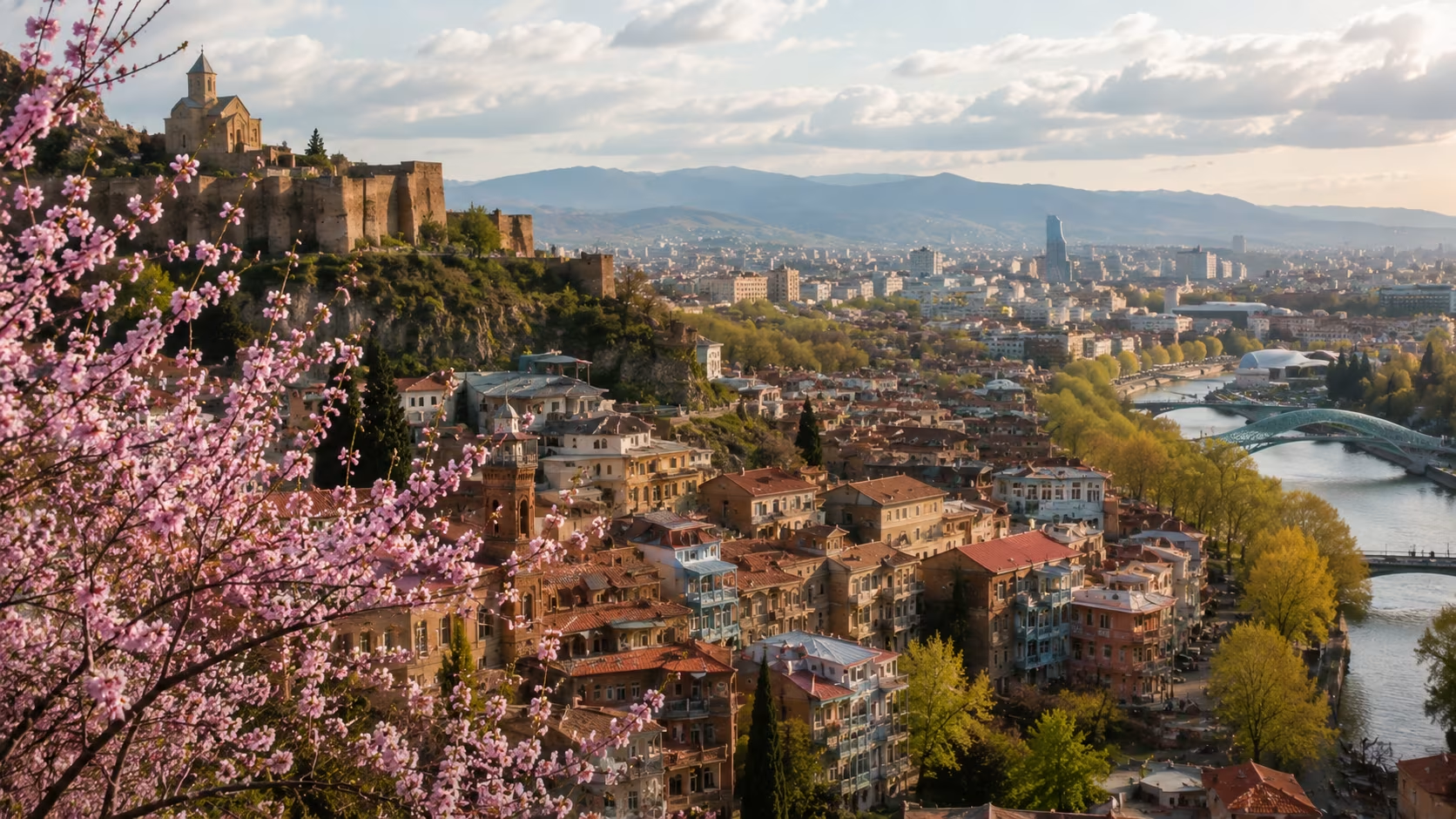
May to June. Sweet spot. Mild weather (15-25°C), terraces opening, gardens flowering.
September to October. Other prime window. Schools resumed; harvest season for wine + fruit; warm days + cool nights.
July to August. Hot (32-38°C+) + summer haze. Tourist density at peak.
November to March. Cool to cold (-5 to 8°C); some snow December-February. Quiet season; cheap hotels.
Avoid:
- Major Georgian holidays for closures (Easter Orthodox usually different from Western).
- Tbilisi Open Air Festival (June; great if you want it; book months ahead).
- Mid-summer heat if you're heat-sensitive.
Getting In
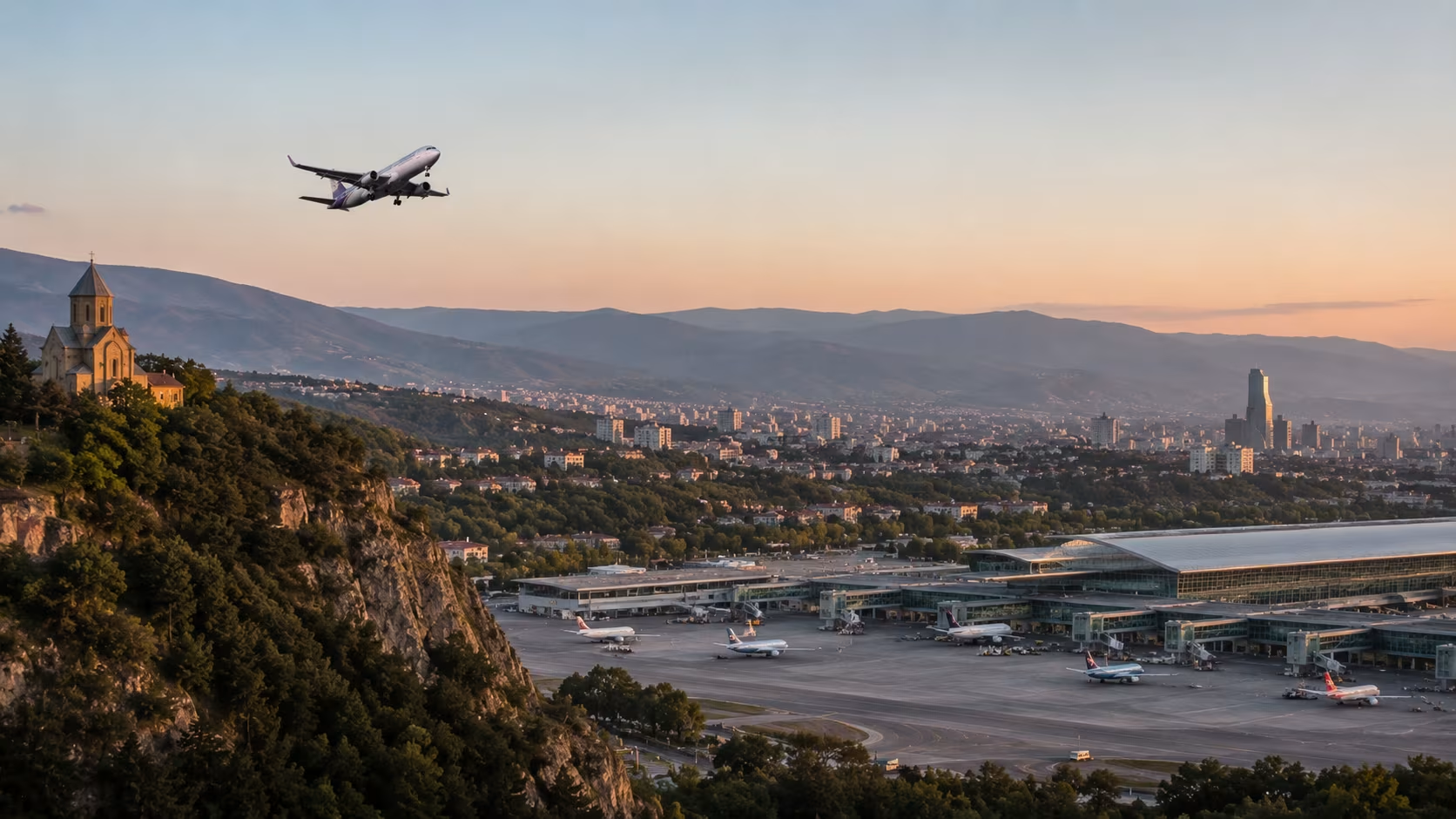
Tbilisi International Airport (TBS). 17 km southeast of central.
From TBS:
- Bus 37: 1 GEL ($0.40), 45 min to Freedom Square. Cheapest.
- Taxi: 30-50 GEL ($11-18), 25-40 min.
- Bolt (the local Uber-equivalent): 20-40 GEL.
- Hotel transfer: 40-70 GEL.
Getting Around
Walking
Tbilisi central Old Town + Sololaki + the river district are walkable. Hilly in places.
Metro
Two lines (Akhmeteli-Varketili + Saburtalo). Single ride 1 GEL. Metromoney card for tap-to-pay.
Bolt + Yandex Go
The defaults for tourists. Cheap (5-15 GEL for typical trips). Bolt is the local default.
Marshrutka (Mini-Bus)
The traditional Soviet-era mini-bus system. Cheap; locally-driven; useful for trips outside central.
Cable Car
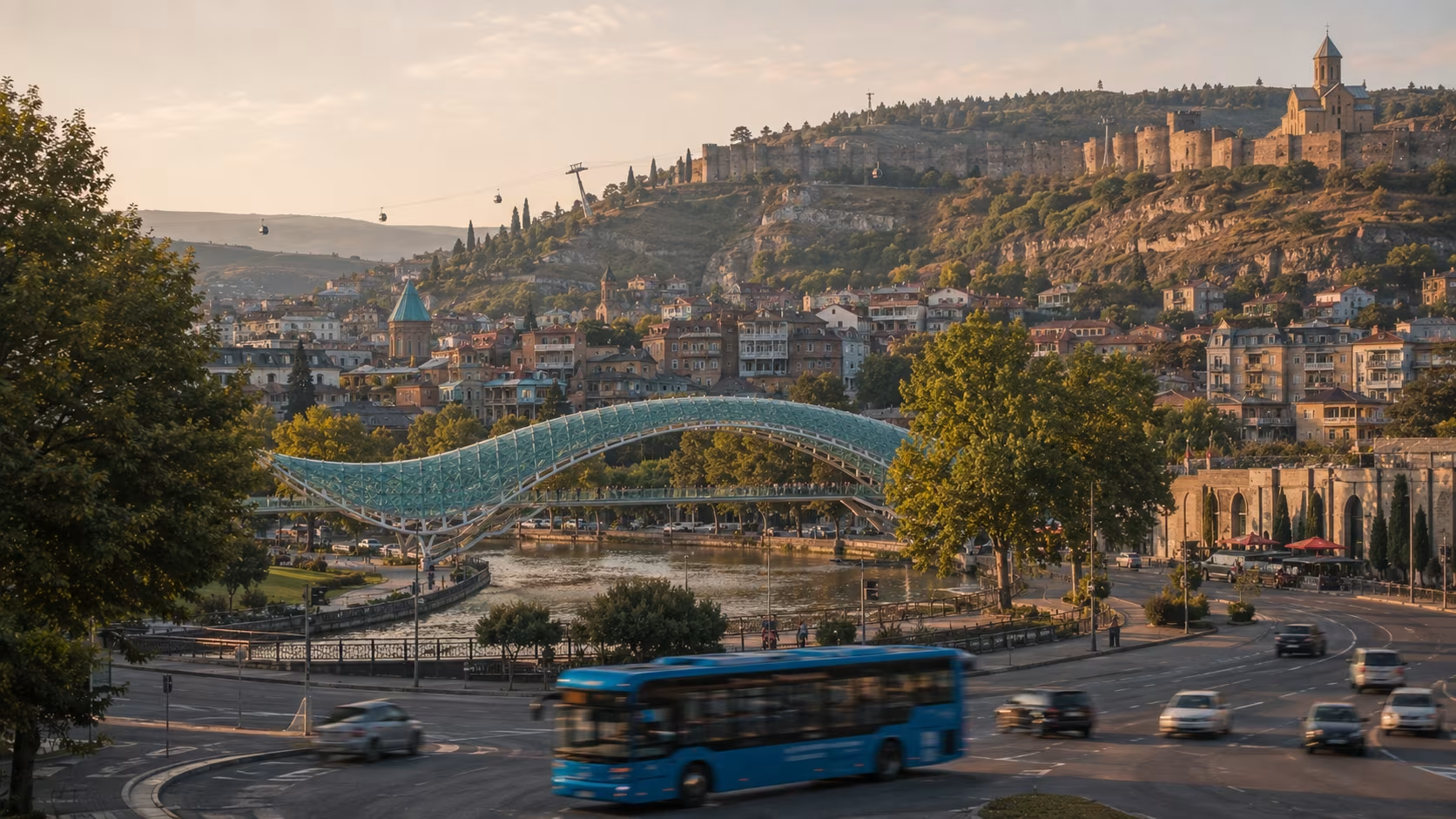
The famous Narikala cable car (Mtatsminda) — 2.5 GEL one-way. Used for the Mother of Georgia statue + Narikala Fortress + panoramic city view.
Where to Stay
Tbilisi's neighborhoods feel different from each other.
Old Town (Kala) / Sololaki / Abanotubani
The historical core. Cobblestoned streets, sulfur baths, the famous medieval architecture. Walking distance to Freedom Square + the river. Boutique hotels in restored 19th-century buildings.
Vera
Upscale residential neighborhood north of central. Trendy cafés + restaurants. Mid-range to higher-end hotels.
Vake
Farther north; expat-residential; less central.
Avlabari
Across the river east. Holy Trinity Cathedral (Sameba) — the modern enormous church (consecrated 2004).
Marjanishvili / Plekhanovi
Emerging creative-class district. Less touristic; mid-range hotels; cafés.
Avoid as a base
- Far suburbs (Saburtalo metro east of central) — too far for a 4-day trip.
- Around the airport.
Realistic 2026 nightly prices (4-star, weekday, shoulder, USD):
| Neighborhood | Mid-range | Higher-end |
|---|---|---|
| Old Town / Sololaki | $80-160 | $230-500 |
| Vera | $70-140 | $200-450 |
| Vake | $60-120 | $180-350 |
| Marjanishvili | $50-100 | $150-300 |
Tbilisi prices have risen substantially since 2022 due to influx but remain among Europe's most affordable major capitals.
What to Book in Advance
Sulfur Baths (Abanotubani)
The historical sulfur-water bath complex. Multiple bath options:
- Public bath: 5-15 GEL. Working-class.
- Private rooms: 30-90 GEL/hour. Standard tourist option.
- Premium private bath: 90-200 GEL/hour at Chreli-Abano (the famous Persian-tile bath house).
Walk-up usually fine but premium options book 2-3 days ahead.
Premium Restaurants
- Barbarestan (modern Georgian based on a 1914 historical cookbook).
- Shavi Lomi (modern Georgian).
- Cafe Stamba at Stamba Hotel (modern + locally-respected).
- Restaurant Ezo (modern Georgian in courtyard setting).
Wine Tour
Day tours to Kakheti wine region (the country's largest wine region). $50-100 per person; 8-10 hours including transit.
Day 1 — Old Town + Sulfur Baths
08:30. Coffee. Coffeesta (specialty). Erti Kava (specialty roaster).
09:30. Freedom Square. The central square. Saint George's column (the modern monument).
10:00. Walk Rustaveli Avenue (the central boulevard). The architectural axis — National Museum, Opera + Ballet Theatre, Georgian Parliament.
11:00. Georgian National Museum (15 GEL). The pre-Christian gold treasury + archaeological collections from 8,000+ years of habitation. Allow 90 minutes.
12:30. Lunch. Café Stamba for upscale. Khinkali Factory for working-class. Café Lalita for casual.
14:00. Walk to the Abanotubani (Sulfur Bath District). The traditional bath neighborhood. The famous mosaic-tiled bathhouses.
14:30. Sulfur bath visit. 1-2 hour traditional bath experience. Genuinely different from any Western bath — mineral-hot water (44-47°C); rough-scrub treatments are traditional.
16:30. Narikala Fortress + Mother of Georgia statue. Cable car up (2.5 GEL). The 4th-century fortress + the modern symbolic statue. Panoramic city view. Allow 90 minutes.
18:00. Walk back through Old Town's narrow streets. The famous Bridge of Peace (modern glass-and-steel pedestrian bridge).
19:30. Dinner. Barbarestan (modern Georgian, books 1-2 weeks ahead). Shavi Lomi. Café Linville for casual. Funicular Restaurant (panoramic view, atop Mtatsminda).
Day 2 — Modern Tbilisi
09:30. Coffee in Vera or Sololaki.
10:30. Holy Trinity Cathedral (Sameba). Across the river east. Free. The modern (2004) Georgian Orthodox church — one of the world's largest cathedrals by volume. Allow 60 minutes.
12:30. Lunch in Avlabari or back across the river.
14:00. Open Air Museum of Ethnography. 5 GEL. The folk-architecture museum with traditional Georgian buildings from across the country. Allow 2.5 hours.
17:00. Vake Park + Turtle Lake. Walking; café terraces; locals.
19:30. Dinner.
Day 3 — Wine Day Trip
Kakheti Wine Region
Georgia is the cradle of wine — the world's oldest wine production tradition (8,000+ years). The traditional qvevri method (clay-amphora fermentation) is UNESCO Intangible Cultural Heritage. Kakheti is the major wine region, 90 minutes east.
08:30. Tour pickup or rental car.
10:30. Sighnaghi (Signagi) — "the City of Love." The walled hilltop town with panoramic Caucasus views. Allow 2 hours.
12:30. Lunch at a Sighnaghi restaurant.
14:00. Visit a traditional qvevri winery. Pheasant's Tears, Iago's Wine, Schuchmann are well-respected. Wine tastings + tour of the qvevri cellar (clay vessels buried in the ground).
16:00. Visit a second winery if time permits, or Ikalto Monastery (the historical Georgian Orthodox monastery + medieval academy).
18:30. Drive back to Tbilisi.
20:00. Dinner.
Day 4 — Choose: Mtskheta + Jvari, Kazbegi Day Trip, or Slow Tbilisi
Path A — Mtskheta + Jvari
20 km north of Tbilisi. The historical religious capital of Georgia. Svetitskhoveli Cathedral (the burial place of one of Christ's tunics, allegedly). Jvari Monastery (the 6th-century church on the hill above the rivers' confluence). Half-day excursion.
Path B — Kazbegi (Stepantsminda) Day Trip
160 km north — high in the Caucasus mountains. The famous Gergeti Trinity Church (14th-century, on a 2,170m mountain) above Mt. Kazbek (5,033m). Long day (4 hours each way; 4-5 hours on site). Worth it for mountain landscapes.
Path C — Slow Tbilisi Day
Morning at Lurji Monastery + Sioni Cathedral (the medieval Old Town churches).
Lunch at a working-class neighborhood restaurant.
Afternoon at the Sulguni Cheese Museum + the Open Air Tbilisi Carpet Museum.
Sunset at Mtatsminda Park (the funicular-accessible mountain park atop the city, with amusement rides + restaurant + panoramic view).
What to Eat
Georgian cuisine is one of the world's great regional traditions. The combination of Mediterranean + Persian + Russian + Caucasus influences produces a distinctive cuisine.
Headline Dishes
| Dish | What it is |
|---|---|
| Khinkali | Soup-filled dumplings. Hold by the stem; bite a small hole, drink the broth, eat the rest. The stem is left on the plate (not eaten). |
| Khachapuri | Cheese-filled bread. Multiple regional versions: Adjarian (boat-shaped with egg + butter), Imeretian (round cheese-stuffed), Megrelian (more cheese on top). |
| Mtsvadi | Skewered grilled pork or lamb. Caucasus tradition. |
| Pkhali | Vegetable + walnut paste, often served as small starters. Spinach, beet leaves, eggplant. |
| Lobio | Bean stew. Working-class vegetarian classic. |
| Chashushuli | Beef stew with tomato + spices. |
| Khashlama | Boiled meat (often lamb). Traditional. |
| Satsivi | Cold chicken in walnut sauce. Christmas + special-occasion classic. |
| Adjika | Chili paste. Spicy condiment. |
| Tkemali | Plum-based sauce. Traditional. |
| Churchkhela | Walnut-and-grape-juice candy on a string. Traditional sweet. |
| Wine | The 8,000-year-old tradition. Multiple varieties: Saperavi (red), Rkatsiteli (white), Kindzmarauli (semi-sweet), Mukuzani (dry red). Qvevri method = clay-amphora fermentation. |
| Chacha | Grape-pomace brandy. Strong (40-65% ABV). Traditional digestif. |
| Tarragon lemonade (Natakhtari) | Green-tarragon-flavored soda. Distinctive Georgian drink. |
Where to Eat
Modern Georgian:
- Barbarestan (modern Georgian based on 1914 cookbook).
- Shavi Lomi (modern Georgian).
- Café Stamba at Stamba Hotel.
- Restaurant Ezo (modern Georgian in courtyard).
Traditional + Casual:
- Khinkali Factory (working-class khinkali institution).
- Café Linville (casual Georgian-French).
- Pasanauri (traditional khinkali + Georgian food, working-class atmosphere).
- Funicular Restaurant (atop Mtatsminda; panoramic view + traditional).
- Sakhlobre (traditional Georgian).
Markets:
- Dezerter Market (working-class regional market).
- Dry Bridge Market (the famous flea market).
Costs and Budget
2026 daily budgets per person, excluding flights and hotel (USD):
| Style | Per day | Notes |
|---|---|---|
| Backpacker | $20-40 | Hostel, working-class meals, walking |
| Mid-range | $50-90 | Mix of casual and proper restaurants, attractions, transit |
| Comfortable | $110-180 | Better restaurants, premium experiences, taxi |
| Higher-end | $250+ | Tasting menus, premium hotels, private guide |
Georgia is among the most affordable European destinations.
Practical Info
- Cards. Accepted at hotels and mid-tier+ restaurants. Cash useful at smaller establishments.
- Tipping. 10% standard at sit-down restaurants. Round up taxis. 5-10 GEL per day for hotel housekeeping.
- English. Common in tourist areas. Russian widely understood by older Georgians. Younger Georgians speak English.
- Sundays. Most things open. Sulfur baths typically have men's + women's days; check schedule.
- Pickpocketing. Real around Old Town tourist sites. Standard precautions.
- Smoking. Restrictions exist; enforcement varies.
- Crime. Generally low. Standard urban precautions.
- Russian-speaker influx. The 2022-onward Russian emigration changed Tbilisi's demographics. Some tension between locals + Russian newcomers exists; visitors should be aware. Don't ask aggressive political questions about Russia + Ukraine in cafés.
- Drinking culture. Georgian wine + chacha tradition is real. Toasts during meals are part of supra (feast) tradition. Locals can drink seriously.
- Photography in churches. Permission usually required; head coverings for women in Orthodox churches.
Common First-Timer Mistakes
- Skipping the sulfur baths. They're the most-distinctive Tbilisi cultural experience.
- Eating only at chain restaurants. Georgian cuisine is the city's specialty.
- Not booking premium restaurants. Barbarestan + Shavi Lomi sell out.
- Visiting in mid-July. Heat is real.
- Not learning khinkali etiquette. Holding by the stem matters.
- Drinking chacha without food. The 40-65% spirit hits hard.
- Overlooking the wine. Georgian wine is genuinely undervalued internationally.
- Going to Kazbegi without confirming weather. The mountain pass closes in winter; some weather days unsafe.
- Dressing inappropriately for Orthodox churches. Modesty + head coverings.
- Not visiting Mtskheta. The historical religious capital is the cultural anchor.
- Underestimating Georgian hospitality. Locals genuinely engage with foreign visitors; supra invitations are real if befriended.
Final Notes
Four days in Tbilisi is the right length for a focused first visit. One Old Town + sulfur baths day; one modern Tbilisi + Holy Trinity day; one Kakheti wine day; one Mtskheta or Kazbegi day.
The quietest piece of advice: spend an evening at a traditional supra — the Georgian feast with multiple toasts, polyphonic singing, abundant food, and enthusiastic drinking. Many restaurants will arrange one for groups (book ahead). The supra is the country's defining cultural ritual; participating, even imperfectly, reveals more about Georgia than any monument visit. The Tbilisi that stays with you isn't the Old Town photograph; it's the cumulative weight of 8,000 years of continuous wine-making + Caucasus mountain culture + Orthodox Christianity + cosmopolitan eastern-meets-western identity, lived daily as a matter of routine.
0 Comments
No comments yet — start the conversation.