
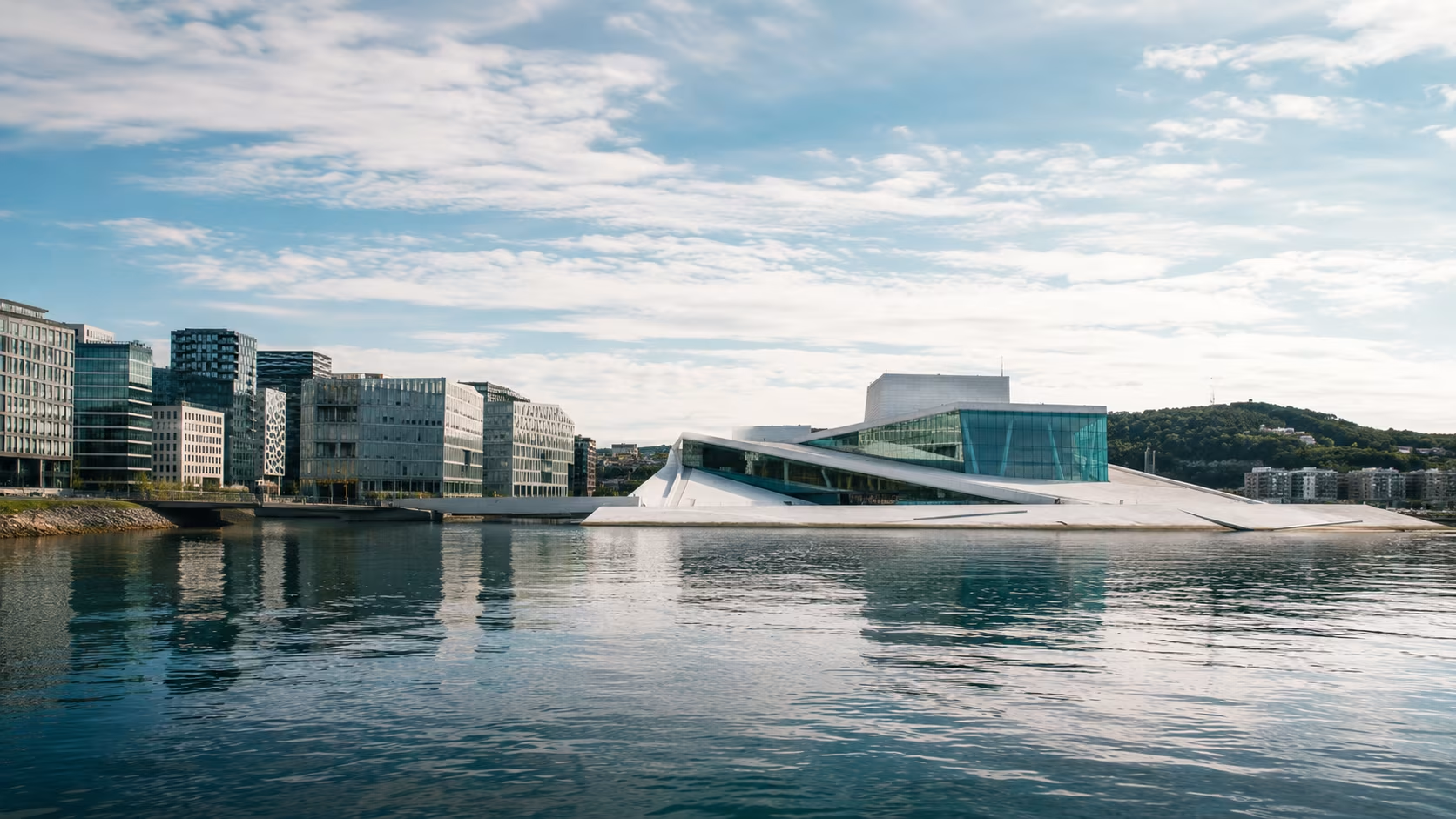
Oslo is the smallest of the Scandinavian capitals — only 700,000 in the city; 1.1 million metropolitan. The city sits at the head of the Oslofjord, surrounded by forested hills + 40 islands in the inner archipelago. The 2026 city is in a different cultural moment than 2018: the new Munch Museum opened 2021, the Deichman Bjørvika Library opened 2020, the National Museum's new building opened 2022. The waterfront has been completely transformed; Oslo is now one of Europe's most architecturally distinctive small capitals.
For first-time visitors, Oslo works as a 2-3 day stop, often combined with a fjord excursion or as part of a Scandinavia tour. The city is small enough to walk; the museums + design culture rewards focused engagement; the surrounding fjord landscape is the broader Norwegian draw.
Quick Facts
| Item | Detail |
|---|---|
| Country | Norway |
| Currency | Norwegian krone (NOK), ~10.5 NOK/USD or ~11.4 NOK/EUR in 2026 |
| Languages | Norwegian (Bokmål); English universal |
| Time zone | CET (UTC+1) / CEST (UTC+2) |
| Tourist tax | None |
| Best time | June–August (long daylight); January-February (winter atmosphere + Northern Lights possible nearby) |
| Visa | Schengen, 90 days for most non-EU |
| Trip length | 2–3 days |
When to Go
June to August. Long daylight (June 21: 18.5 hours). Mild (15-23°C). Café terraces open. Most pleasant.
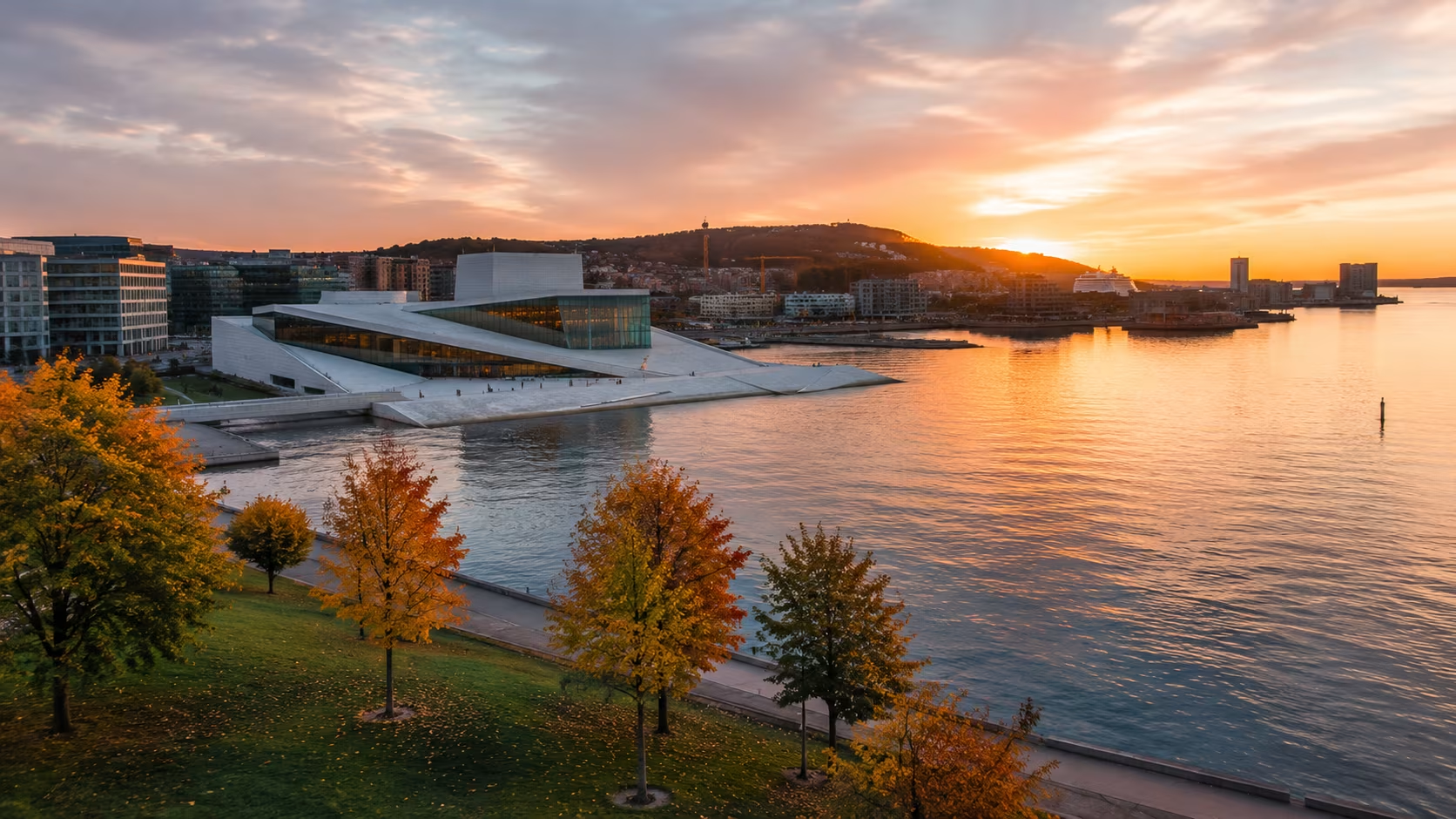
September to October. Autumn colors; cooler (5-15°C); quieter.
November to March. Cold (-3 to 3°C); snow likely from December. Dark days. Christmas markets in late November-December.
April to May. Spring; days lengthen quickly; trees flowering by mid-May.
Avoid:
- Christmas Eve + Day when most things close.
- Constitution Day (May 17) — beautiful national-pride event with parades but transit packed; book accommodation early.
- Midsummer week when locals leave the city for cottages.
Getting In
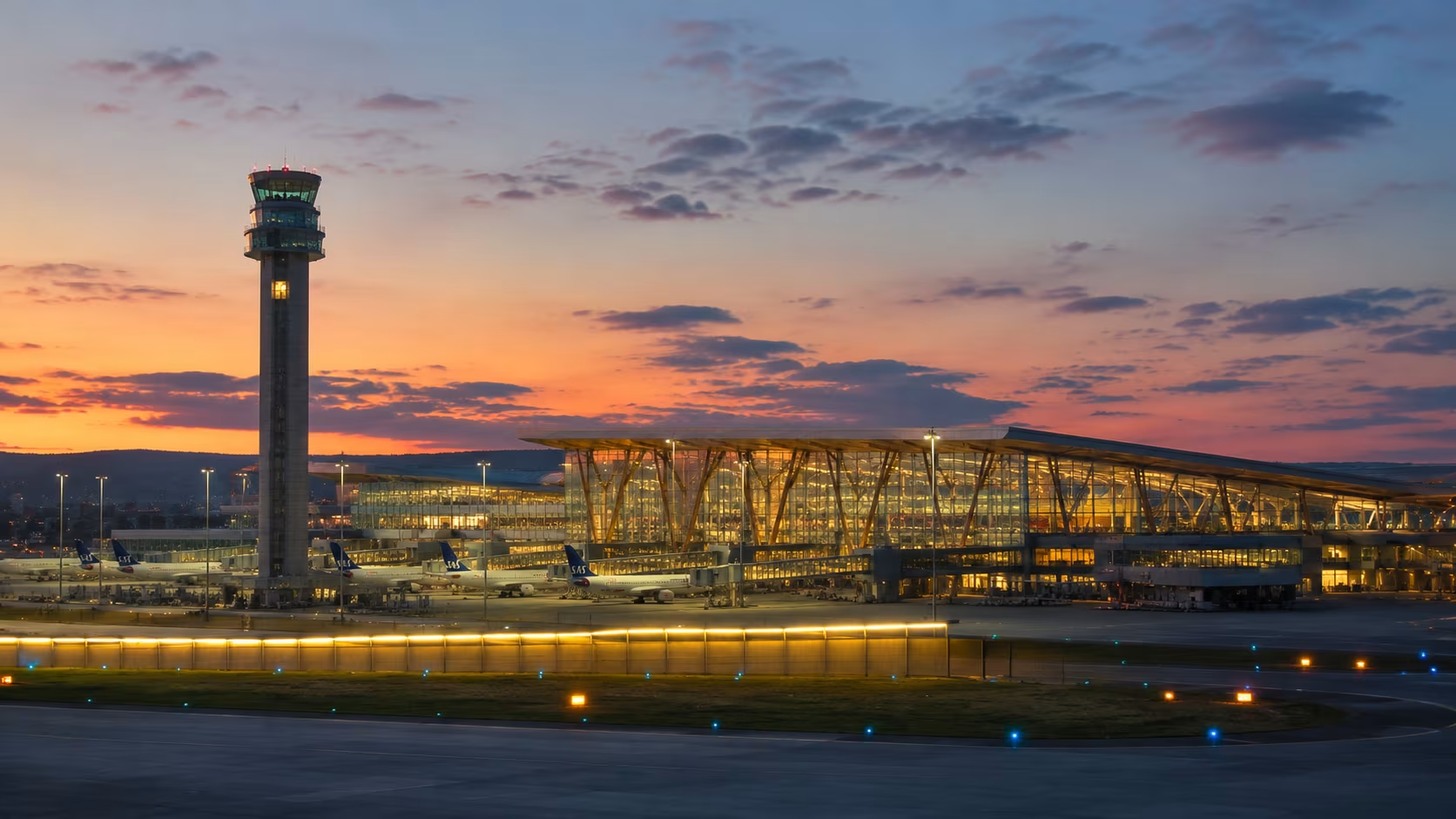
Oslo Airport (OSL). 47 km north of central.
From OSL:
- Flytoget (Airport Express): 230 NOK ($22), 19 min to central. Premium speed.
- Vy regional train: 124 NOK ($12), 23 min. Standard.
- Flybussen: 230 NOK, 45 min.
- Taxi: 800-1,200 NOK ($75-115).
- Uber/Bolt: 600-900 NOK.
Getting Around
Walking
Central Oslo (the area between Karl Johans gate, the harbor, the Royal Palace, the National Theatre) is walkable in 30-40 minutes corner to corner.
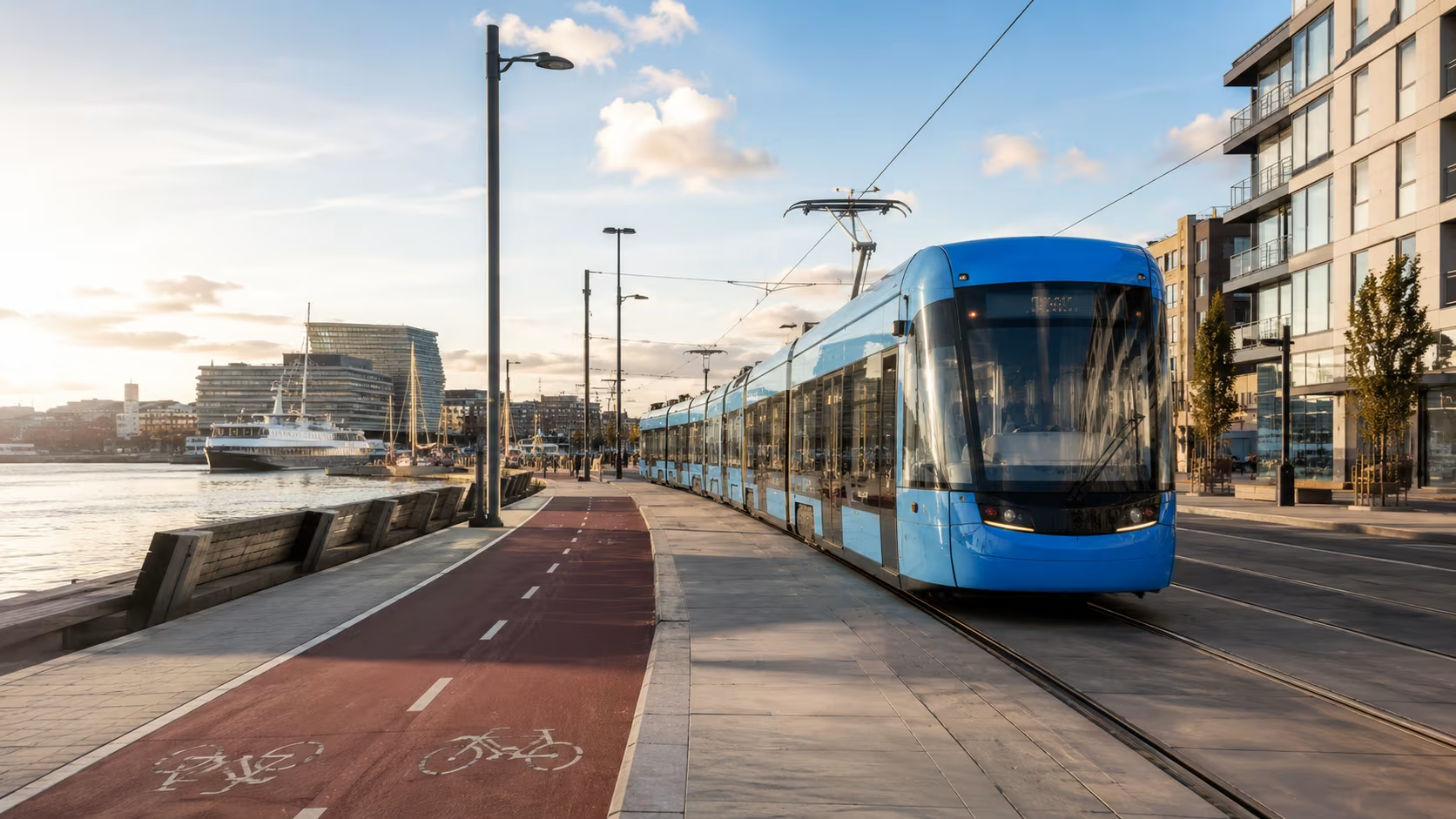
Tram + Metro + Bus
Ruter is the unified transit system. Single ticket 42 NOK ($4); 24-hour pass 121 NOK ($11.50). Apple Pay tap-in works on most lines.
Ferry
The public-transit ferries to Oslofjord islands. Same payment system. Useful for visiting Hovedøya + Lindøya for swimming.
Bicycle
Oslo Bysykkel is the bike share. Reasonable infrastructure.
Taxi
Reliable but expensive. 60-100 NOK base; most central trips 200-350 NOK.
Where to Stay
Oslo's neighborhoods feel different from each other.
Sentrum (Central)
The central business district. Walking distance to the Opera House, the new Munch Museum, the National Museum. Premium hotels.
Grünerløkka
North-east of central. Hipster + creative-class neighborhood. Akerselva river runs through. Mid-range hotels.
Frogner
West of central. Upscale residential. The Vigeland Sculpture Park. Quieter base.
Aker Brygge / Tjuvholmen
The redeveloped harbor district. Premium hotels with water views.
Avoid as a base
- Far suburbs.
- Around Oslo Central Station only — convenient but transitional.
Realistic 2026 nightly prices (4-star, weekday, shoulder, USD equivalent):
| Neighborhood | Mid-range | Higher-end |
|---|---|---|
| Sentrum | $200-340 | $450-900 |
| Grünerløkka | $150-260 | $350-650 |
| Frogner | $180-300 | $400-800 |
| Aker Brygge | $230-400 | $500-1,200 |
Oslo is among Europe's most expensive capitals.
What to Book in Advance
Munch Museum
The new (2021) waterfront museum, holding the world's largest Edvard Munch collection. 200 NOK ($19). Walk-up usually fine.
National Museum
The combined art + design + architecture museum (opened 2022). 200 NOK. Holds The Scream (one of Munch's versions). Walk-up usually fine.
Vigeland Sculpture Park
The outdoor sculpture park with 200+ Gustav Vigeland sculptures. Free. Walk-up.
Viking Ship Museum
Closed for renovation through late 2026 — verify status. Replaced by the new Museum of the Viking Age when completed.
Holmenkollen Ski Jump
The famous ski jump and museum. 200 NOK. T-bane (metro) line 1 to Holmenkollen.
Premium Restaurants
- Maaemo (3-Michelin-star, the Nordic-cuisine flagship). Books 3-6 months ahead.
- Kontrast (1-star).
- Rest (2-star).
Day 1 — Central Oslo
08:30. Coffee. Tim Wendelboe (the famous specialty roaster). Fuglen (espresso bar + cocktail bar in one).
09:30. Royal Palace + Karl Johans Gate. The Royal Palace (changing of the guard at 13:30 daily; free but no interior access except summer guided tours). Walk Karl Johans gate (the central pedestrian + commercial street, the city's main axis).
11:00. Akershus Fortress. The medieval-Renaissance fortress overlooking the harbor. Free entry to grounds. Allow 60 minutes.
12:00. Lunch at the harbor. Vippa food hall for casual. Solsiden for upscale seafood.
13:30. Oslo Opera House. Free entry to the lobby. Walk on the iconic glass + marble roof (the building's unique architectural feature). Allow 45 minutes.
14:30. Munch Museum (next door to Opera House). Allow 2.5 hours.
17:00. Aker Brygge + Tjuvholmen. Walk the redeveloped harbor district. Modern boutique shopping; waterfront cafés.
18:30. Astrup Fearnley Museum (modern art museum at Tjuvholmen, in a Renzo Piano-designed building). 180 NOK.
19:30. Aperitivo. Himkok (the famous Norwegian-spirits cocktail bar, 28th best in World's 50 Best Bars). Café Sara.
20:30. Dinner. Maaemo if booked (3-star, books months ahead). Kontrast (1-star). Sanguine (modern Nordic). Statholdergaarden (traditional fine dining since 1641).
Day 2 — Bygdøy Peninsula + Vigeland Park
09:30. Coffee.
10:30. Take Ferry 91 from City Hall pier (Aker Brygge area) to Bygdøy Peninsula (15-min ride). The museum district.
11:00. Fram Museum (140 NOK). The Norwegian polar expedition museum, built around the actual ship Fram (used in Nansen + Amundsen + Sverdrup expeditions). Allow 90 minutes.
13:00. Lunch on Bygdøy. Lille Herbern for casual.
14:30. Norwegian Folk Museum (Norsk Folkemuseum). 180 NOK. The open-air museum with 160 historic buildings from across Norway. Allow 2.5 hours.
17:00. Ferry back to central Oslo.
18:00. Vigeland Sculpture Park. Free. The world's largest outdoor sculpture park by a single artist. The Monolith + Wheel of Life are the centerpieces. Allow 90 minutes for slow walking.
20:00. Dinner. Sanguine. Bistro Brocante for casual French-Nordic. Restaurant Schrøder for traditional Norwegian.
Day 3 — Choose: Holmenkollen + Slow Day, Fjord Tour, or Bergen Travel
Path A — Holmenkollen + National Museum
Morning at Holmenkollen Ski Jump (T-bane Line 1 to Holmenkollen, 25 min). 200 NOK for ski museum + ski jump tower (the world's most-visited ski jump). Allow 2 hours.
Lunch at the Holmenkollen Park Hotel restaurant.
Afternoon at the National Museum (Norway's largest art museum, opened 2022). 200 NOK. Allow 3 hours. The Scream + Edvard Munch collection + the design + architecture floors.
Sunset at Ekebergparken (the sculpture park with Oslo skyline view).
Final dinner.
Path B — Oslofjord Boat Tour
Multiple operators offer 2-hour fjord cruises with audio guides. 350-500 NOK per person. Captures the geographical context of the city.
Path C — Fly to Bergen
If extending: fly to Bergen (50 min, 1,500-3,500 NOK) for the fjord-side town + access to deeper Norwegian fjords. The famous Bergensbanen train route Oslo → Bergen takes 7 hours and is one of Europe's most scenic.
Path D — Slow Oslo Day
Morning at the Nobel Peace Center (160 NOK).
Lunch at Mathallen Oslo (the food hall in Grünerløkka).
Afternoon walking Grünerløkka + Akerselva (the river through the neighborhood).
What to Eat
Norwegian cuisine is built on indigenous ingredients (cold-water fish, lamb, reindeer, native berries, dairy). The modern Nordic movement has produced internationally-recognized restaurants (Maaemo at the top tier).
Headline Dishes
| Dish | What it is |
|---|---|
| Klippfisk | Salt cod. Centuries-old preservation method. |
| Lutefisk | Cod cured in lye. Traditional Christmas dish; acquired taste. |
| Pinnekjøtt | Salted + dried lamb ribs steamed over birch branches. Christmas Eve classic. |
| Rakfisk | Fermented trout. Traditional preservation method; pungent. |
| Reindeer (reinsdyr) | Lapland tradition; sautéed, in stews. |
| Fårikål | Lamb-and-cabbage stew. Norway's national dish (officially declared 1970). |
| Smoked salmon | Cold-smoked, often with dill. |
| Brunost | Brown cheese (caramelized whey). National peculiarity. |
| Kjøttkaker | Norwegian meatballs. With brown sauce + lingonberry jam. |
| Lefse | Traditional flatbread. Sweet or savory variants. |
| Krumkake | Thin waffle cone. Christmas tradition. |
| Akvavit | Caraway-flavored spirit. Drunk with Christmas + winter meals. |
| Coffee | Norway has high per-capita coffee consumption. Specialty coffee scene strong. |
Where to Eat
Modern Nordic:
- Maaemo (3-Michelin-star).
- Kontrast (1-star).
- Rest (2-star).
- Sanguine (modern Nordic).
Traditional + Casual:
- Restaurant Schrøder (traditional Norwegian, since 1925).
- Statholdergaarden (fine dining since 1641, in 17th-century building).
- Mathallen Oslo food hall.
- Vippa food hall at the harbor.
- Café Sara for casual.
Costs and Budget
2026 daily budgets per person, excluding flights and hotel (USD):
| Style | Per day | Notes |
|---|---|---|
| Backpacker | $70-110 | Hostel, supermarket food, walking, occasional bus |
| Mid-range | $130-220 | Mix of casual and proper restaurants, museums, transit |
| Comfortable | $260-400 | Better restaurants, premium experiences, taxis |
| Higher-end | $700+ | Tasting menus, premium hotels, private guide |
Oslo is among Europe's most expensive capitals.
Practical Info
- Cards. Universal. Norway is essentially cashless.
- Tipping. Service charge included. Round up at restaurants for very good service.
- English. Universal.
- Sundays. Most museums open. Some shops close.
- Pickpocketing. Very rare.
- Daylight. June 21: 18.5 hours. December 21: 6 hours.
- Weather. Variable; pack waterproof layers.
- Crime. Very low.
- Smoking. Banned indoors at restaurants.
Common First-Timer Mistakes
- Spending all day in central. The peripheral neighborhoods (Grünerløkka, Frogner) are character-rich.
- Skipping the new Munch Museum. It's one of the most architecturally striking modern museums in Northern Europe.
- Not booking Maaemo months ahead.
- Eating only at chain restaurants. Working-class Norwegian + modern Nordic both have local character.
- Visiting in mid-December expecting normal city. 6 hours daylight + cold + dark.
- Trying to see fjords from Oslo without traveling. Real fjord experiences are 4+ hours from Oslo by train.
- Ignoring the harbor. The waterfront transformation is the city's defining recent change.
- Drinking only Akvavit. Norwegian craft beer + cider scenes are growing.
Final Notes
Three days in Oslo is the right length for a focused first visit. One central + Munch + Opera day, one Bygdøy peninsula + Vigeland Park day, one Holmenkollen or excursion day.
The quietest piece of advice: walk the Oslo Opera House roof at sunset (free, public, accessible to anyone). The mottled-marble roof slopes from the harbor up to a 120-foot platform. Locals walk dogs there; couples watch the fjord. The Oslo that stays with you isn't the Scream photograph; it's the way the city's modern architecture sits comfortably alongside the medieval fortress + the wood-house Folkemuseum + the polar-expedition Fram, all visible from this single roof. The country's narrative — from Vikings through polar exploration to modern Nordic design — is there in one walk.
0 Comments
No comments yet — start the conversation.