

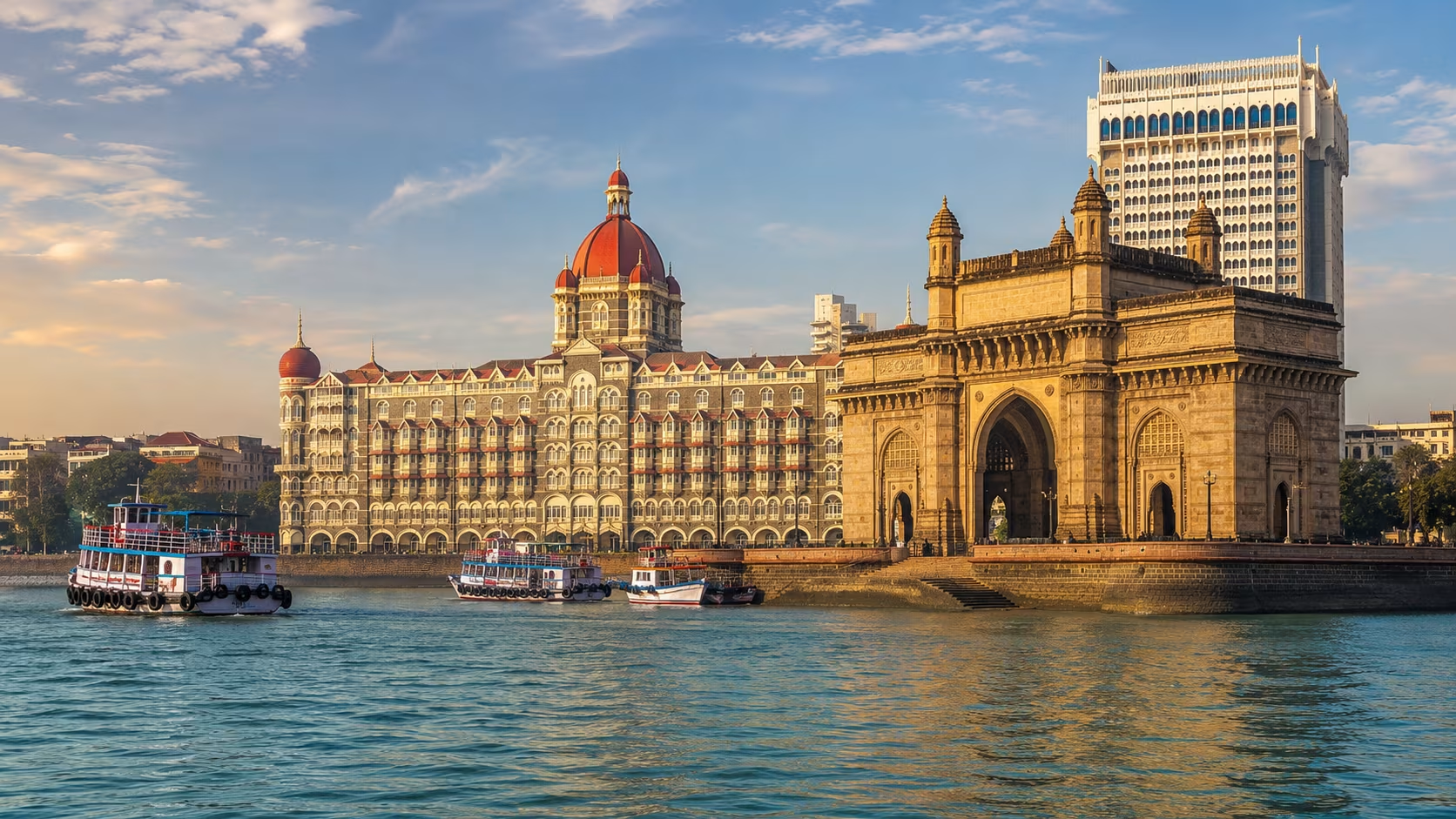
Mumbai is the largest city in India + the seventh-largest urban area in the world. The 22 million people in the metropolitan area produce a city of extraordinary contrasts: Bollywood film studios + Asia's largest slum (Dharavi) + the most-expensive residential street in Asia (Altamount Road) + colonial-era architecture + Indian Ocean coastline + the country's financial center, all coexisting in 600 km².
The 2026 city has been transformed by infrastructure improvements: Metro Line 3 (the Aqua Line) connecting Colaba to BKC opened in 2024-2025, dramatically improving central transit. The new coastal road has eased some traffic pressure. The food scene + cultural offerings continue to grow.
For first-time visitors, Mumbai is intense — the heat, the density, the contrasts can overwhelm in the first 48 hours. The city rewards travelers who slow down, accept the friction, and engage with both the heritage neighborhoods and the modern districts.
This is a 4-day guide for first-time visitors who want to navigate India's most-energetic city.
Quick Facts
| Item | Detail |
|---|---|
| Country | India |
| Currency | Indian rupee (INR / ₹), ~84 INR/USD or ~91 INR/EUR in 2026 |
| Languages | Hindi + Marathi (the local Maharashtrian language); English universal in business + tourism |
| Time zone | IST (UTC+5:30, no DST) |
| Tourist tax | 18% GST (Goods + Services Tax) on hotel rooms over ~$25 |
| Best time | November–February |
| Visa | E-visa available for most countries; 30-180 day options |
| Trip length | 3–4 days |
When to Go
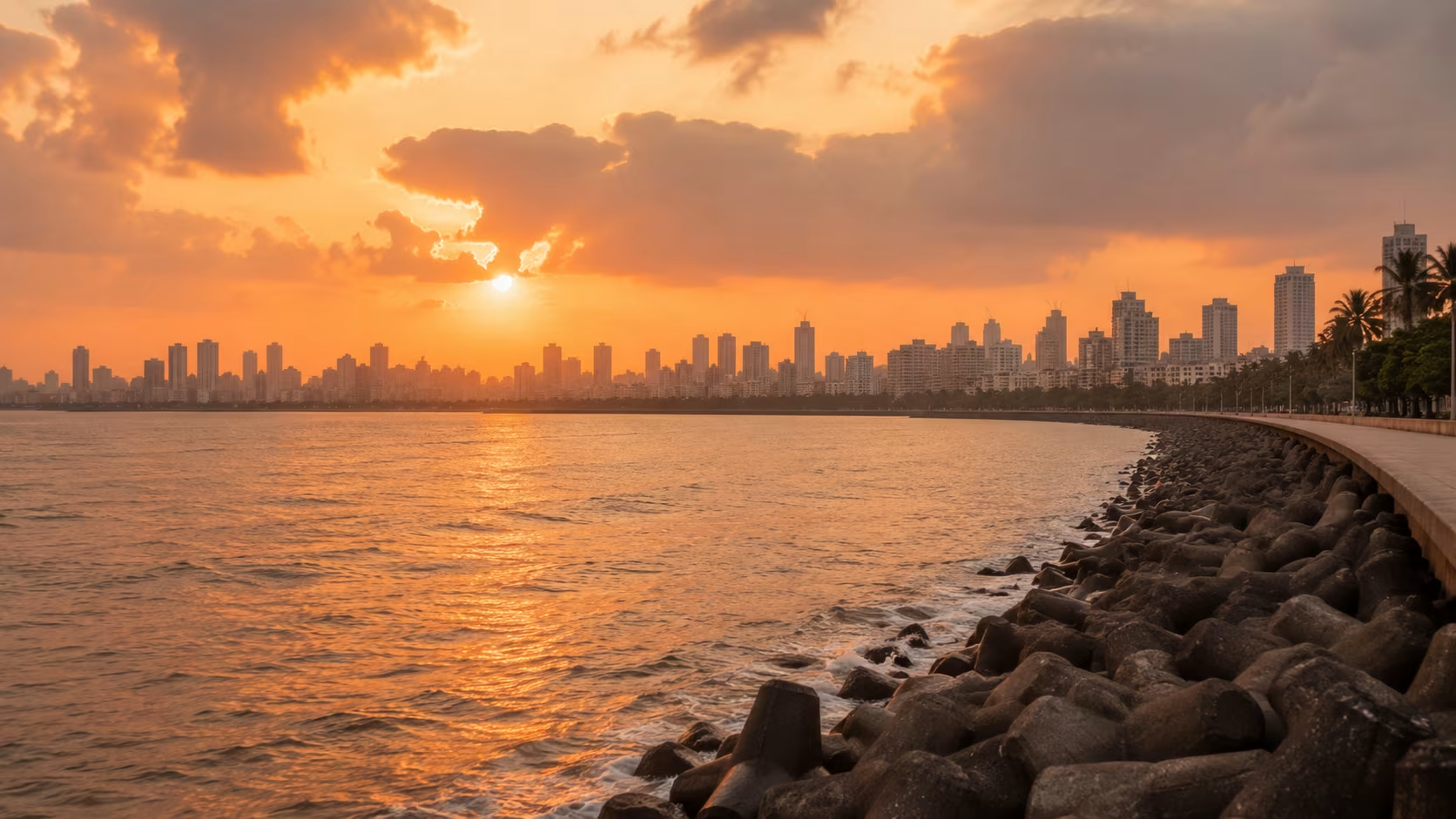
November to February. The window. Cooler weather (16-30°C); dry; pleasant. December-February is peak tourist season + peak weather.
March to May. Hot (30-38°C+) + humid. Beach activities at peak comfort hours; afternoons brutal.
June to September (monsoon). Heavy rain. The city floods; streets become rivers; transit disrupted. Spectacular weather; experienced travelers like the dramatic atmosphere; first-timers usually struggle.
October. Post-monsoon; humidity high; warming. Mixed.
Avoid:
- Mid-June to mid-September for monsoon disruption.
- Diwali week (varies, October-November) — beautiful but transit + traffic peaks.
- Major Hindu holidays.
- Mid-summer (April-May) if heat-sensitive.
Getting In
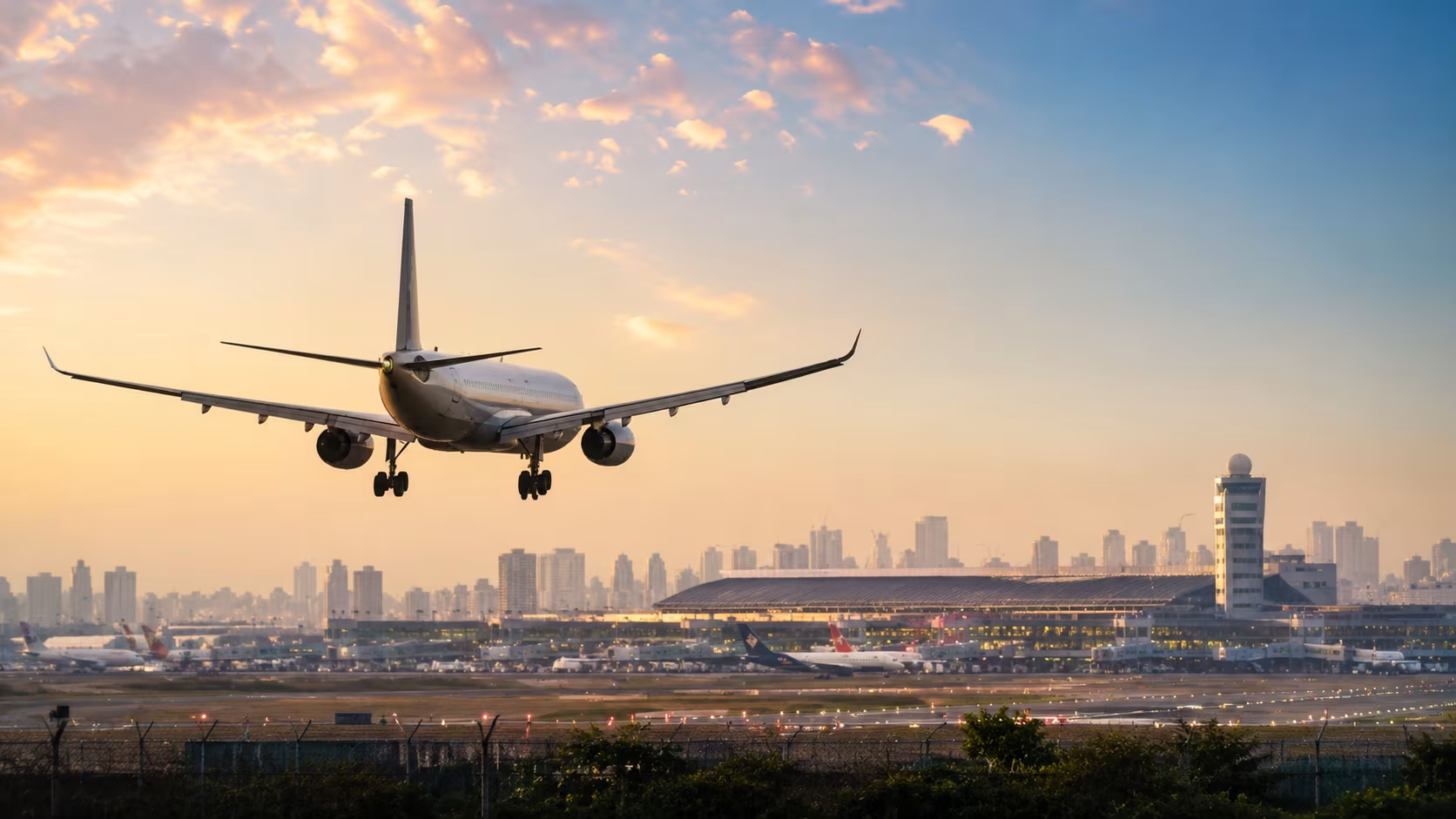
Chhatrapati Shivaji Maharaj International Airport (BOM). 24 km north of central Mumbai.
From BOM:
- Pre-paid taxi from arrivals: 600-1,000 INR ($7-12) to South Mumbai. The recommended option for first arrivals.
- Uber/Ola: 400-700 INR.
- BEST Bus: 75-150 INR; not recommended with luggage.
- Hotel transfer: 1,500-3,000 INR.
Getting Around
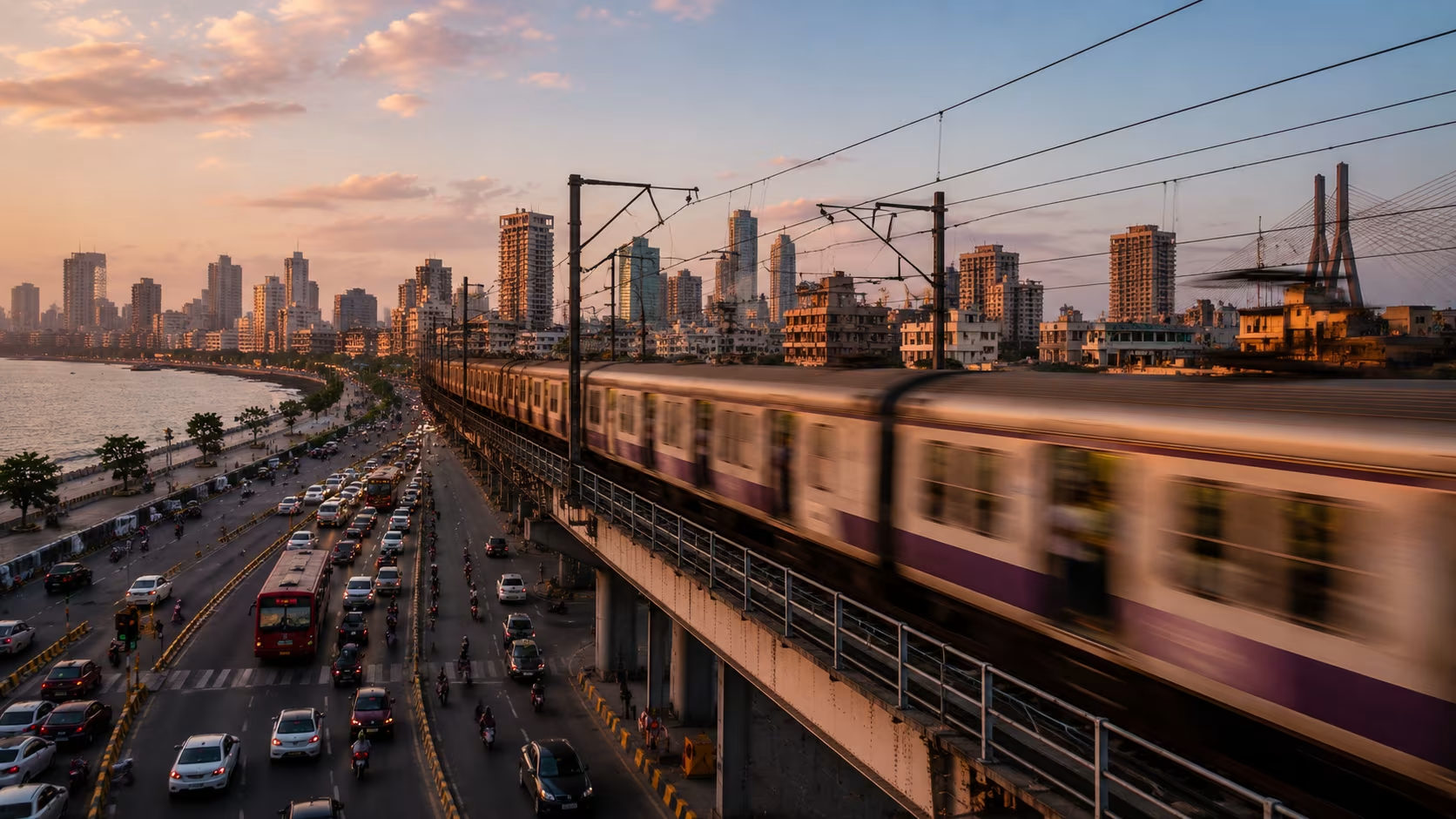
Mumbai is enormous + traffic is real. Plan generous travel times.
Metro
Growing network. The new Line 3 (Aqua Line, opened 2024-2025) connects key central areas. Older lines exist in suburbs. Single ride 10-50 INR.
Local Trains
The famous Mumbai suburban rail. Used by 7+ million daily commuters. Crowded beyond imagination during peak hours; not recommended for tourists with luggage. Off-peak hours (10:00-17:00) it's manageable + an experience worth doing once.
Bus (BEST)
Comprehensive. Cheap. Crowded.
Taxis
- Black-and-yellow taxis (the iconic Mumbai cabs): metered. 28 INR base + small per-km. Insist on meter.
- Cool Cab (white AC taxis) with meter.
- Uber + Ola. Reliable; English-friendly. Most central trips: 100-300 INR.
Auto-Rickshaw
Three-wheeled motorized rickshaws. Common in suburbs but banned in South Mumbai (south of Mahim). For inner-suburb travel.
Walking
South Mumbai has walkable zones (Colaba, Fort, Marine Drive). Beyond South Mumbai, walking is impractical.
Where to Stay
Mumbai's neighborhoods feel different from each other. The basic distinction: South Mumbai (the historic colonial + business districts) vs. Suburbs (Bandra, Andheri, BKC).
South Mumbai (Colaba)
The historic tourist + business district. Walking distance to Gateway of India + Taj Mahal Palace + Colaba Causeway. Premium hotels (Taj, Oberoi, Trident).
Fort
The colonial Victorian-Gothic + Art Deco district. Heritage buildings; Victoria Terminus (Chhatrapati Shivaji Maharaj Terminus); the High Court. Mid-range to higher-end hotels.
Marine Drive (Nariman Point)
The famous "Queen's Necklace" — the curved coastal road. Premium high-rise hotels with sea views.
Bandra
The trendy modern district north of South Mumbai. Bollywood celebrity homes; cafés + bars; the Worli Sea Link bridge. Mid-range hotels.
Bandra Kurla Complex (BKC)
The modern business district. Premium hotels (Sofitel, Trident BKC). Less character.
Avoid as a base
- Far suburbs (Andheri West/East, Borivali) — too far for a 4-day trip.
- Around the airport only — convenient for transit, less for sightseeing.
Realistic 2026 nightly prices (4-star, weekday, shoulder, USD):
| Neighborhood | Mid-range | Higher-end |
|---|---|---|
| Colaba | $90-180 | $300-1,000 |
| Fort | $80-150 | $250-700 |
| Marine Drive | $130-260 | $400-1,200 |
| Bandra | $80-160 | $250-650 |
| BKC | $130-250 | $350-900 |
What to Book in Advance
Elephanta Caves (UNESCO)
The 6th-7th century rock-cut Hindu temple cave complex on Elephanta Island. Boat from Gateway of India (40 PM round-trip; entry 600 INR for foreigners). Walk-up usually fine; arrive at boat terminal early. Allow 5 hours total.
Bombay Stock Exchange Building Tour (Limited)
Not accessible to tourists routinely.
Bollywood Studio Tour
Bollywood Tours + Mumbai by Locals offer film city tours. $50-100 per person.
Dharavi Slum Tour (Ethical Considerations)
The walking tours of Asia's largest slum. Reality Tours + Travel is the well-respected operator (80% of profits go to local NGO). $20-30 per person. Photography restrictions; respect local privacy. Real ethical complexity; some travelers find it educational, others find it voyeuristic.
Premium Restaurants
- Trèsind Mumbai (modern Indian).
- Masque (modern Indian, multi-Michelin recommended).
- Indian Accent (modern Indian; books months ahead).
- The Bombay Canteen (modern Indian; the famous restaurant).
Day 1 — South Mumbai Heritage
08:30. Coffee in Colaba. Café Madras (specialty + traditional). Kala Ghoda Café (modern).
09:30. Gateway of India. The 1924 colonial monument facing the harbor. Free + iconic. 30 minutes.
10:00. Taj Mahal Palace Hotel lobby visit. The 1903 hotel + the city's most-iconic building. Free to walk through public areas.
11:00. Chhatrapati Shivaji Maharaj Vastu Sangrahalaya (the museum, formerly Prince of Wales Museum). 700 INR for foreigners. The Indian art + archaeological collection. Allow 2.5 hours.
13:30. Lunch in Colaba. Trishna for upscale modern Indian + seafood. Britannia & Co. for Parsi cuisine (the famous 1920s institution). Café Mondegar for casual.
15:00. Colaba Causeway. The street market + shopping district. Walk slowly.
16:30. Walk to Marine Drive (Queen's Necklace). The 3.6 km curved coastal boulevard. The famous sunset view across the bay.
18:00. Sunset at Marine Drive. Walk + watch the city's lights come on along the curve.
19:30. Dinner. Trishna. Bombay Canteen (modern Indian). Bademiya for late-night Mughlai (the famous since 1946 working-class kebab institution; near Taj).
Day 2 — Fort + Bombay Heritage
09:30. Coffee in Fort.
10:30. Chhatrapati Shivaji Maharaj Terminus (CST). UNESCO. The 1888 Victorian-Gothic railway station. Walk through; observe the architecture; the daily commuter rush is part of the experience.
11:30. Walk Fort district. The Victorian-Gothic + Art Deco buildings. Bombay High Court + Mumbai University. Allow 90 minutes.
13:00. Lunch. Britannia & Co. for Parsi (the Berry Pulav is the famous dish). Café Royal for casual.
14:30. Walk through Crawford Market (the historic 1869 covered produce + flower market) to Mohammad Ali Road (the Muslim food district during Ramadan; iconic neighborhood any time).
16:00. Walk through Kalbadevi + Bhuleshwar. The dense traditional commercial neighborhoods.
17:30. Walk back to Marine Drive for sunset.
19:30. Dinner. Trishna if not done. Indian Accent if booked. Khyber (legendary North Indian, since 1958).
Day 3 — Elephanta + Bandra
08:30. Coffee at hotel.
09:30. Boat from Gateway of India to Elephanta Caves. 1 hour each way. The 6th-7th century rock-cut Shiva caves + the 5m Trimurti sculpture. UNESCO. Allow 5 hours total including boat.
14:30. Lunch back in central or on a boat.
15:30. Drive to Bandra (45-90 min depending on traffic). The trendy modern district.
16:00. Bandra walking. Hill Road (street shopping); Pali Hill (residential celebrity area); Mount Mary Church; Linking Road.
17:30. Bandstand Promenade. Walking; Bollywood celebrity homes (visible from outside); the famous Worli Sea Link bridge view.
19:30. Dinner in Bandra. The Bombay Canteen (modern Indian, mentioned). Pali Bhavan (modern Indian comfort). Café Madras for working-class breakfast/lunch.
Day 4 — Choose: Dharavi, Spa Day, or Day Trip
Path A — Dharavi Slum Tour
08:30. Tour pickup (Reality Tours + Travel).
09:30-13:00. Guided walking tour of Dharavi (Asia's largest slum). 1 million residents in 2.4 km². Active small businesses (leather, recycling, pottery, textiles). Educational + ethically complex. Photography restrictions.
13:30. Lunch back in central.
15:00. Hanging Gardens + Kamala Nehru Park atop Malabar Hill (panoramic city view).
17:30. Sunset at Banganga Tank (the historical sacred-water tank).
Path B — Day Trip to Pune
150 km south. The university + IT city. Train: 3 hours. Day excursion difficult due to distance.
Path C — Beach Day at Juhu
Mid-morning travel to Juhu Beach (suburban). The famous Mumbai beach where families relax + locals jog. Juhu Chowpatty for street food (working-class Mumbai institution).
Path D — Slow Mumbai Day
Morning at Bhau Daji Lad Museum (the city museum, free).
Lunch.
Afternoon at Khotachiwadi (the small heritage neighborhood with traditional Maharashtrian + Christian houses).
Final sunset at Marine Drive.
What to Eat
Mumbai food is among the world's most-distinctive regional cuisines. The combination of Maharashtrian + Gujarati + Parsi + South Indian + Muslim + Goan + colonial-British influences produces a dense food scene.
Headline Mumbai Specialties
| Dish | What it is |
|---|---|
| Vada pav | Mumbai's working-class lunch staple. A spiced potato fritter in a bun with chutneys. "Mumbai burger." |
| Pav bhaji | Mashed vegetable curry served with buttered bread roll. Working-class evening dinner. |
| Bhel puri | Puffed rice + chutneys + crunchy ingredients. Beach-vendor classic. |
| Pani puri / golgappa | Hollow puffs filled with spicy tamarind water + chickpeas. |
| Misal pav | Spicy curry with bread. Maharashtrian breakfast. |
| Bombay sandwich | Vegetable sandwich with cheese + chutney + grilled. Working-class snack. |
| Chicken / mutton biryani | Layered rice + meat + spices. Mughal-influenced. |
| Dabba (lunchbox) | The famous Mumbai lunch-delivery system. The dabbawalas have delivered home-cooked lunches to office workers since 1890 with near-zero error rates. |
Parsi Cuisine (Mumbai's Distinctive Tradition)
The Parsis (Zoroastrians who fled Persia in the 8th century) created a distinctive cuisine:
- Berry Pulav. Rice with chicken/mutton + dried barberries.
- Salli boti. Mutton curry with crispy fried potato sticks.
- Patra ni Machhi. Fish steamed in banana leaf with green chutney.
- Akuri. Spiced scrambled eggs.
- Dhansak. Lentils + meat + vegetables.
South Indian Cuisine (Common in Mumbai)
- Dosa. Crispy rice-and-lentil pancake with various fillings.
- Idli. Steamed rice cake.
- Sambar. Lentil-based stew with vegetables.
- Coconut chutney.
Where to Eat
Modern Indian:
- Indian Accent (modern Indian; books months ahead).
- Trèsind Mumbai (modern Indian).
- Masque (modern; multi-Michelin recommended).
- The Bombay Canteen (modern Indian; flagship).
- O Pedro (Goan-modern).
Traditional:
- Britannia & Co. (Parsi institution since 1923; book ahead, lunch only).
- Khyber (legendary North Indian since 1958).
- Trishna (upscale Indian seafood).
- Mahesh Lunch Home for working-class Mangalorean.
- Bademiya for late-night Mughlai kebabs.
Working-Class / Iconic:
- Café Madras (since 1940; the famous breakfast institution).
- Aaswad (working-class Maharashtrian).
- Kala Ghoda Café (modern).
- Britannia & Co. (mentioned).
- Bademiya (mentioned).
- Café Mondegar (Colaba working-class).
Costs and Budget
2026 daily budgets per person, excluding flights and hotel (USD):
| Style | Per day | Notes |
|---|---|---|
| Backpacker | $20-40 | Hostel, working-class meals, transit |
| Mid-range | $50-100 | Mix of casual and proper restaurants, attractions, Uber |
| Comfortable | $130-220 | Better restaurants, premium experiences, taxi |
| Higher-end | $350+ | Tasting menus, premium hotels, private guide |
Mumbai is moderately priced for a major Indian city — the most-expensive after Delhi.
Practical Info
- Cards. Accepted at hotels and mid-tier+ restaurants. Cash for street food, taxis, smaller establishments.
- Tipping. 10-15% standard at sit-down restaurants. Round up taxis. 50-100 INR per day for hotel housekeeping.
- English. Universal in business + tourism. Common in residential.
- Sundays. Most things open. Some Hindu temples have special Sunday observances.
- Pickpocketing. Real around tourist sites + on busy local trains. Standard precautions.
- Heat. Real most of the year. Schedule indoor breaks.
- Pollution. AQI varies; can be poor in winter. Pack masks if sensitive.
- Crime. Generally lower than reputation suggests. Standard urban precautions.
- Religious sites. Modest dress required. Shoes off at temples + mosques.
- Friday at mosques. Major prayer day; closed to non-Muslim visitors.
- Tap water. Bottled only.
- Food safety. High-volume restaurants safer than empty ones. Stick to busy lunch spots.
- Female travelers. Some neighborhoods + situations require more cultural awareness; conservative dress + standard safety practices recommended.
Common First-Timer Mistakes
- Visiting in monsoon expecting normal city. Streets flood; transit disrupted.
- Skipping Elephanta Caves. It's the city's UNESCO heritage anchor.
- Eating only at chain restaurants. Mumbai's specialty is its working-class + Parsi food.
- Not booking premium restaurants. Indian Accent + Masque sell out months ahead.
- Underestimating traffic. 30-min Uber rides become 90 min during evening rush.
- Trying to ride local trains during peak hours. Crowded beyond imagination; not for tourists with luggage.
- Using black-and-yellow taxis without meter. Insist on meter or use Uber.
- Eating raw vegetables + ice from street vendors. Real food-safety risk.
- Drinking tap water + ice. Bottled only.
- Not visiting during the cool season. November-February is dramatically more pleasant.
- Skipping Bandra thinking it's only Bollywood. It's the city's modern character.
- Photographing inside religious sites without permission.
- Engaging with aggressive touts at Gateway of India. Polite refusal + walking away.
- Scheduling too tightly. Mumbai's density + traffic require generous buffers.
Final Notes
Four days in Mumbai is the right length for a focused first visit. One South Mumbai heritage day; one Fort + Marine Drive day; one Elephanta + Bandra day; one Dharavi or beach + slow day.
The quietest piece of advice: spend a slow morning at the Britannia & Co. restaurant in Fort district at lunchtime. The 1923 Parsi institution; the same family still runs it; the wooden interior unchanged in 100 years. Order the Berry Pulav + watch Mumbai's old + new + colonial + Indian + cosmopolitan identities all sit at the same tables. The Mumbai that stays with you isn't the Gateway of India photograph; it's the cumulative density — 22 million people, hundreds of micro-cuisines, the contrast between Antilia (Mukesh Ambani's billion-dollar home) + Dharavi visible from the same Marine Drive sunset, and the everyday compressing of every social + economic + cultural layer of India into one walkable + livable + bewildering megacity.
0 Comments
No comments yet — start the conversation.