
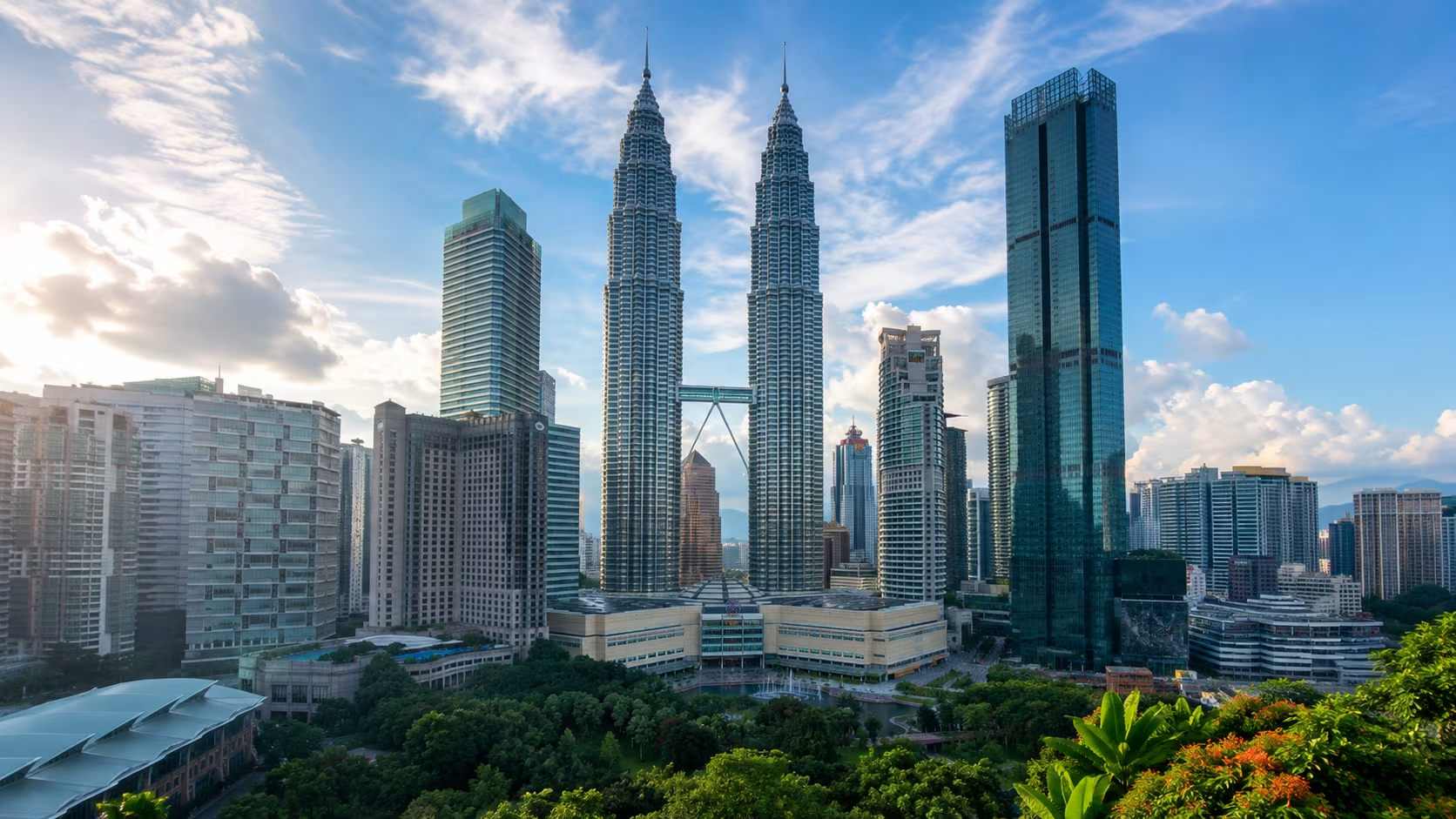
Kuala Lumpur is the most-multicultural Southeast Asian capital. The Malaysian population — 60% ethnic Malay (Muslim), 23% ethnic Chinese (Buddhist + Christian), 7% ethnic Indian (Hindu + Muslim), 10% other — produces a city where mosques, Chinese temples, Hindu temples, and modern skyscrapers exist on the same blocks. The food culture (one of the world's great regional traditions) emerges from this combination.
The 2026 city is more developed than the version travelers visited in 2018. The new MRT2 line opened in 2023; central transit is dramatically improved. KL Sentral has become a fully-integrated transit hub. Hotel + restaurant scenes have polished considerably.
For first-time visitors, Kuala Lumpur works as a 3-day stop, often combined with Penang or Singapore as part of a Southeast Asia tour. The city is genuinely affordable, well-connected by transit, and culturally distinct.
Quick Facts
| Item | Detail |
|---|---|
| Country | Malaysia |
| Currency | Malaysian ringgit (MYR / RM), ~4.7 RM/USD or ~5.0 RM/EUR in 2026 |
| Languages | Malay (Bahasa Malaysia); English universal in tourism + business |
| Time zone | MYT (UTC+8, no DST) |
| Tourist tax | 10 RM ($2.10) per night per room |
| Best time | March–early May, July–September |
| Visa | Visa-free 90 days for US, EU, UK, Canada, Australia, etc. |
| Trip length | 3 days |
When to Go
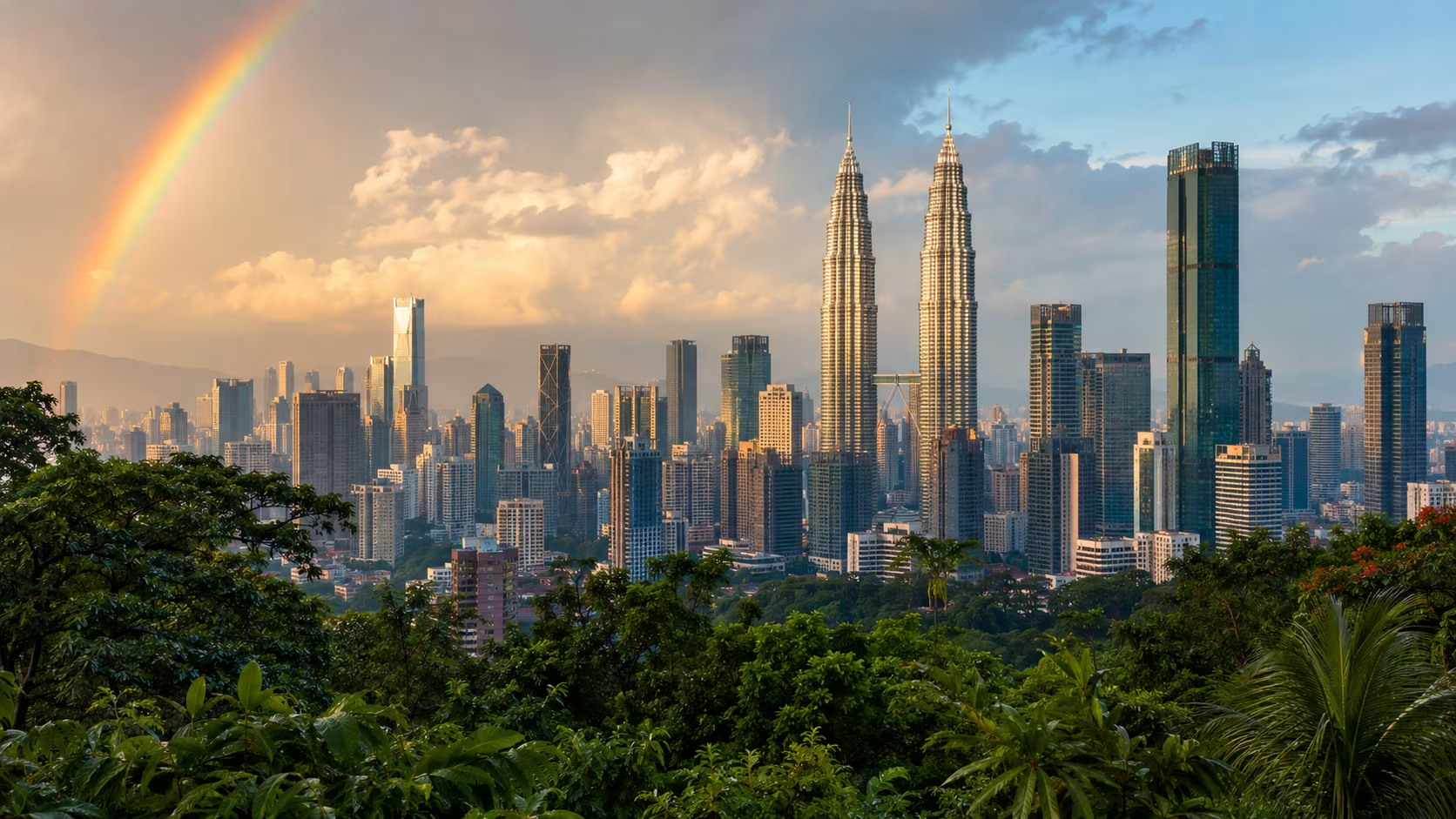
Kuala Lumpur sits 3°N of the equator, so weather varies less than most travel destinations. Daily highs hover at 30-34°C year-round.
March to early May. Drier; less rainy. Slightly cooler.
July to September. Drier than monsoon months. Sweet spot.
October to February (monsoon). Daily afternoon thunderstorms. Mornings often clear. Lower tourist density; cheaper hotels.
June. Hot + humid; some rain.
Avoid:
- Chinese New Year (late January or early February) — many Chinese-owned shops + restaurants close.
- Ramadan (mid-February to mid-March in 2026) — restaurants reduced during day; iftar at sunset is real cultural event.
- Major Malaysian holidays for transit issues.
- Mid-September haze in some years from Indonesian forest fires.
Getting In
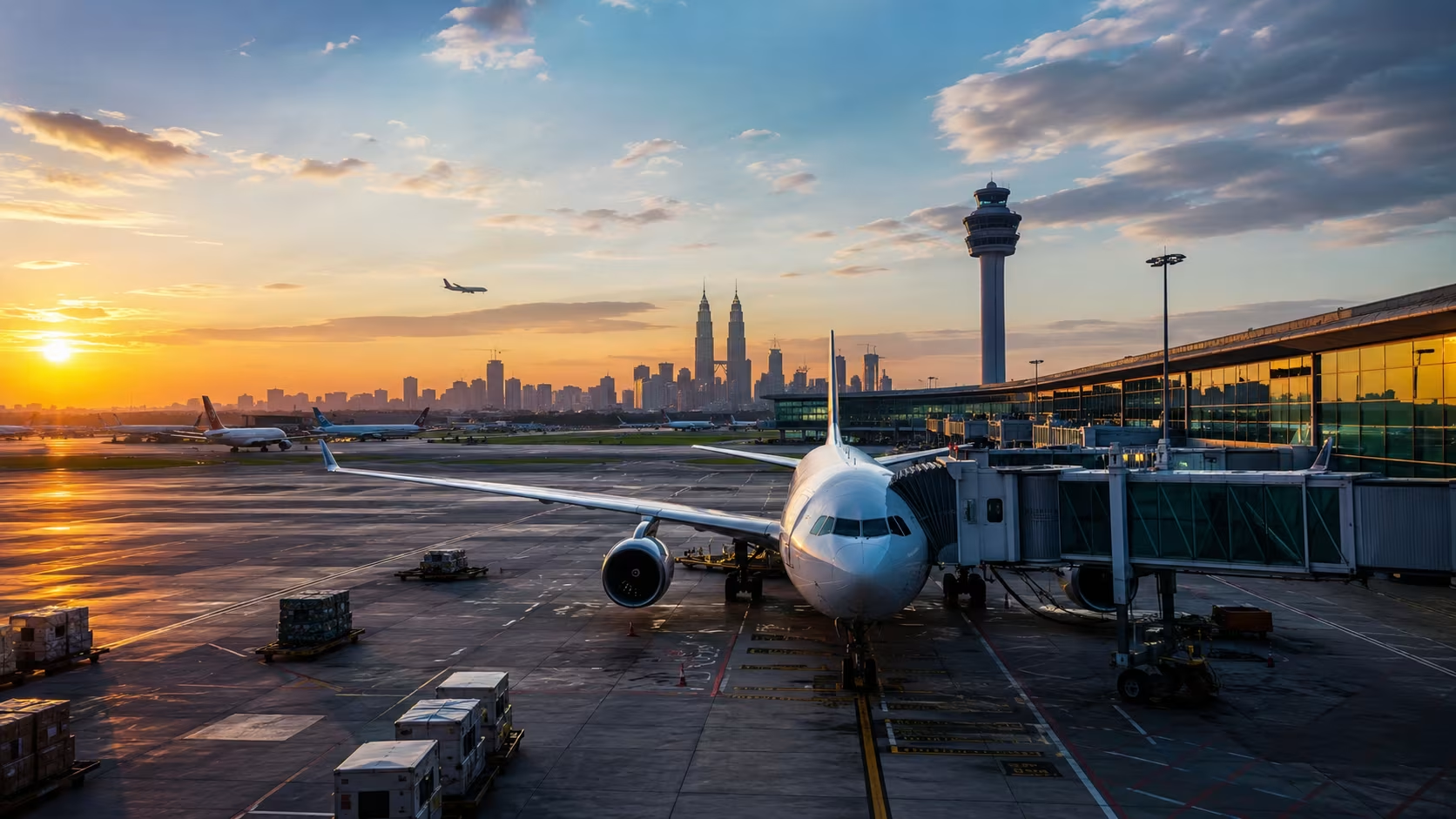
Kuala Lumpur International Airport (KUL). 50 km south of central. Two terminals (Main + KLIA2 for low-cost carriers).
From KUL:
- KLIA Ekspres: 55 RM ($12), 28 min to KL Sentral. Fastest.
- KLIA Transit: 55 RM, 35 min, more stops.
- Airport bus: 18 RM, 75 min.
- Taxi: 110-180 RM ($23-38) flat fare.
- Grab: 90-150 RM. Reliable.
Getting Around
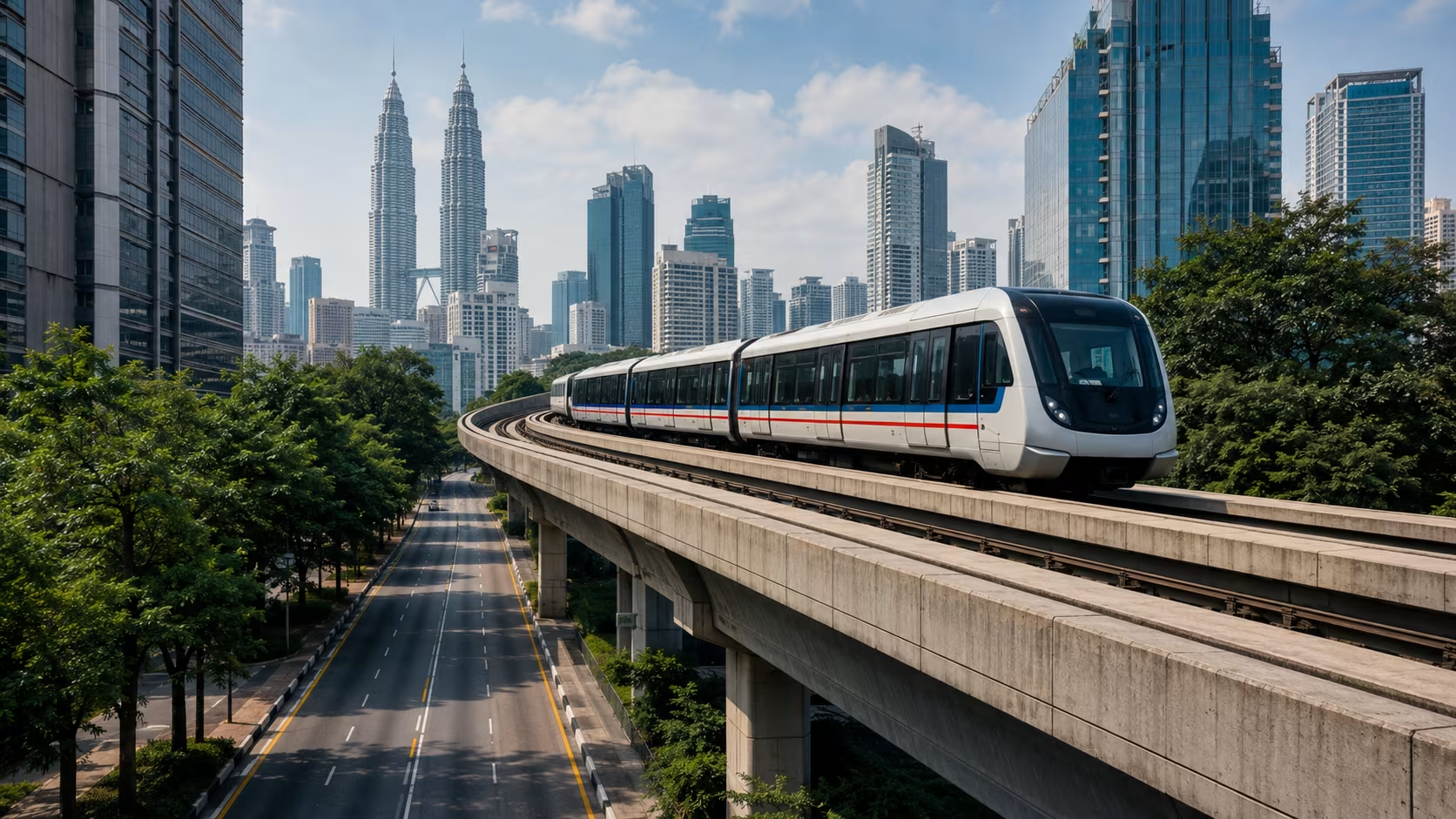
Kuala Lumpur's transit improved dramatically with the MRT2 line opening in 2023.
MRT + LRT + Monorail
MRT (Mass Rapid Transit): 2 lines (MRT1 Sungai Buloh-Kajang; MRT2 Sungai Buloh-Putrajaya, opened 2023). Single ride 1.30-7.30 RM.
LRT (Light Rail): 2 lines.
Monorail: 1 line.
Touch 'n Go card is the rechargeable smart card. Tap-to-pay across all systems. Apple Pay tap-in works on most lines.
Walking
Central KL (KLCC area + Bukit Bintang + Chinatown + Brickfields) walkable in zones. Between zones often best by transit.
Grab
The defaults for most tourists. Cheap (8-30 RM for typical central trips). Apple Pay or local card payment.
Taxis
Reliable but use the meter. Some refuse meter for tourists; insist or use Grab.
Where to Stay
Kuala Lumpur's neighborhoods feel different from each other.
KLCC (Kuala Lumpur City Centre)
The central business district. Walking distance to Petronas Towers + KLCC Park. Premium hotels (Mandarin Oriental, Grand Hyatt, Four Seasons).
Bukit Bintang
The shopping + nightlife district. Malls; restaurants; the famous Jalan Alor street food. Mid-range to higher-end hotels.
Chinatown (Petaling Street)
The historic Chinese quarter. Walking distance to Chinatown markets. Mid-range hotels.
Brickfields (Little India)
The Indian quarter near KL Sentral. Working-class character. Cheap accommodations.
Bangsar
The upscale residential district. Trendy cafés + restaurants. Mid-range to higher-end hotels.
Avoid as a base
- Far suburbs — too far for a 3-day trip.
- Around Pudu Sentral only — convenient for some buses but transitional.
Realistic 2026 nightly prices (4-star, weekday, shoulder, USD):
| Neighborhood | Mid-range | Higher-end |
|---|---|---|
| KLCC | $80-160 | $250-700 |
| Bukit Bintang | $60-130 | $200-500 |
| Chinatown | $40-90 | $150-350 |
| Brickfields | $35-80 | $130-300 |
| Bangsar | $80-150 | $250-500 |
KL is dramatically affordable for a major Asian capital.
What to Book in Advance
Petronas Towers Skybridge + Observation Deck
The 88-floor observation deck. Books sometimes sells out. 80 RM ($17). Online at petronastwintowers.com.my.
KL Tower (Menara KL)
The other observation tower. 105 RM. Book ahead for sunset slots.
Batu Caves
The Hindu temple complex 12 km north. Free entry. Train (KTM Komuter) from KL Sentral.
Premium Restaurants
- Dewakan (1-Michelin-star, modern Malaysian).
- Marble 8 (modern fine dining).
- Bijan for traditional Malay.
Day 1 — Central + Petronas
08:30. Coffee at a KL café. VCR Coffee (specialty). The Coffee Lab. PULP by Papa Palheta.
09:30. Petronas Twin Towers + KLCC Park. The 1998 88-floor towers (the world's tallest from 1998-2004). Observation Deck (88th floor) + Skybridge (41st-42nd floor) included in 80 RM ticket. Allow 90 minutes.
11:30. KLCC Park. The 20-hectare park behind the towers. Walk slowly; the Lake Symphony fountain show runs hourly.
12:30. Lunch at Suria KLCC (the mall connected to towers) for casual food court. Fuego at Troika for upscale.
14:00. Bukit Bintang walking. The shopping district + the famous Pavilion KL mall. Walk down Jalan Bukit Bintang to the Lot 10 Hutong food court (the famous traditional food court inside a mall).
16:00. National Mosque (Masjid Negara) — closed to non-Muslims during prayer times; open most other times for visitors with appropriate dress. 60-minute walk-through.
17:30. Sunset views from KL Tower or Petronas observation. The 421m KL Tower has additional 4D rides + skydeck.
19:30. Dinner. Dewakan if booked (1-star). Bijan for traditional Malay. Lot 10 Hutong for food-court hawker culture.
21:30. Jalan Alor street food street. The famous Chinatown-adjacent street with hundreds of food stalls. Working-class evening dinner; multiple stalls; eat as you walk.
Day 2 — Chinatown + Little India + Heritage
09:30. Coffee in Chinatown. Merchant's Lane (the old café that became famous).
10:30. Petaling Street (Chinatown). The famous market street — pirate goods, tourist souvenirs, but also genuine Chinese-Malaysian shops. Walk slowly.
11:30. Sin Sze Si Ya Temple (the oldest Taoist temple in KL, 1864). Free entry. 30 minutes.
12:30. Lunch at a Chinatown working-class restaurant. Restoran Ho Kow for Hainanese chicken rice. Madras Lane for Chinese-Malaysian noodles.
14:00. Walk through Central Market (the historic 1888 art-deco market, now mostly tourist-targeted but architecturally interesting). Allow 30 minutes.
14:30. Brickfields (Little India). The Indian-Malaysian neighborhood. Sari shops, colorful streets, the Sri Mahamariamman Hindu Temple. Allow 60 minutes.
15:30. Indian lunch in Brickfields. Restoran Mokhtar for working-class. Sapna for casual North Indian.
17:00. Walk to Lake Gardens (Perdana Botanical Gardens). Free. The 92-hectare park complex with multiple specialty gardens (orchid + butterfly + bird parks within).
18:30. Optional Bird Park (KL Bird Park; 75 RM; the world's largest free-flight aviary).
19:30. Dinner. Bijan for traditional Malay. Banjarayan for Northern Thai (popular ethnic minority cuisine in KL).
Day 3 — Choose: Batu Caves Day, Day Trip, or Slow Day
Path A — Batu Caves + Suburbs Day
08:30. Coffee.
09:30. KTM Komuter train from KL Sentral to Batu Caves (~30 min). The 100-year-old Hindu temple complex inside limestone caves. Free entry; 272 colorful steps to the main cave; the 42m gold Murugan statue. Allow 2.5 hours.
12:30. Lunch at a Batu Caves Indian-Malay restaurant.
14:00. Train back to central KL.
15:00. Bangsar walking. The upscale residential district. Cafés + boutique shops + the famous Bangsar Shopping Centre.
18:30. Final dinner.
Path B — Putrajaya Day Trip
25 km south of central KL. The administrative capital (Malaysia's seat of federal government since 1999). Modern Islamic architecture; the famous Putra Mosque + Putrajaya Lake. Half-day excursion.
Path C — Genting Highlands Day Trip
55 km northeast. The mountain resort + casino. Cool weather (15-20°C). Day excursion or overnight.
Path D — Malacca (Melaka) Day Trip
145 km south. UNESCO heritage city. Historical Portuguese-Dutch-British colonial layers. Long day (5-6 hours each way by bus); better as overnight.
Path E — Slow KL Day
Morning at Islamic Arts Museum (20 RM). The largest Islamic arts museum in Southeast Asia.
Lunch at Hutong food court in Lot 10.
Afternoon at Bukit Bintang for shopping + walking.
What to Eat
Malaysian cuisine is one of Southeast Asia's most distinctive. The combination of Malay + Chinese + Indian + Indigenous influences (and 200+ years of cultural exchange) produces complex food unlike any other regional cuisine.
Headline Dishes
| Dish | What it is |
|---|---|
| Nasi Lemak | Coconut rice with anchovies, peanuts, egg, sambal. The unofficial national dish. Working-class breakfast. |
| Char Kway Teow | Stir-fried flat rice noodles with prawns, Chinese sausage, dark soy. Penang specialty (also in KL). |
| Hokkien Mee | Fried noodles in dark soy sauce. Different from Singaporean version. |
| Laksa | Coconut-based spicy noodle soup. Multiple regional variants (Sarawak laksa is distinct). |
| Roti Canai | Layered flatbread, served with curry. Indian-Malaysian breakfast standard. |
| Murtabak | Stuffed flatbread with egg + meat. Indian-Malaysian. |
| Satay | Grilled meat skewers with peanut sauce. The Malaysian version is the original (vs. Indonesian). |
| Rendang | Slow-cooked spicy meat (usually beef). |
| Beef Curry | Various regional preparations. |
| Nasi Kandar | Rice with multiple curries. Indian-Malaysian working-class. |
| Char Siu | Cantonese BBQ pork. Chinese-Malaysian. |
| Bak Kut Teh | Pork rib soup with garlic + pepper. Chinese-Malaysian. |
| Cendol | Coconut milk + palm sugar + green rice-flour jelly + shaved ice. Working-class dessert. |
| Teh Tarik | "Pulled tea" — the famous frothy milk tea, pulled between two cups for foam. |
| Kopi | Malaysian-style coffee, dark + sweet. Different vocabulary from Italian or Western coffee. |
Where to Eat
Modern Malaysian:
- Dewakan (1-Michelin-star).
- Bijan (traditional Malay in upscale setting).
- Marble 8 (modern fine dining).
- Beta KL (modern Malaysian).
Hawker / Working-Class:
- Lot 10 Hutong (food court inside Lot 10 mall, multiple traditional Malaysian stalls).
- Jalan Alor (the famous evening street food).
- Hutong Food Court at Lot 10.
- Restoran Yut Kee (Cantonese-Malaysian since 1928).
- Raja Bojan Curry House for working-class Indian.
- Madras Lane for Chinese-Malaysian noodles.
Cafés (Western-Influenced):
- VCR Coffee.
- Botanica + Co.
- Merchant's Lane in Chinatown.
- PULP by Papa Palheta.
Costs and Budget
2026 daily budgets per person, excluding flights and hotel (USD):
| Style | Per day | Notes |
|---|---|---|
| Backpacker | $15-30 | Hostel, hawker meals, walking + transit |
| Mid-range | $35-70 | Mix of hawker and proper restaurants, attractions, Grab |
| Comfortable | $90-160 | Better restaurants, premium attractions, taxis |
| Higher-end | $250+ | Tasting menus, premium hotels, private guide |
KL is among Southeast Asia's most cost-effective major capitals.
Practical Info
- Cards. Accepted at hotels and mid-tier+ restaurants. Cash for hawker stalls + working-class restaurants.
- Tipping. Service charge often 10% included; round up beyond if not.
- English. Universal in tourism. Common in residential KL areas.
- Sundays. Most things open. Some Chinese-owned shops close.
- Pickpocketing. Real around tourist sites. Standard precautions.
- Heat. Constant. AC indoors; cold drinks; schedule break time.
- Religion. Malay-Muslim majority means modest dress at religious sites. Mosques close to non-Muslims during prayer times.
- Crime. Generally low. Standard urban precautions.
- Smoking. Banned in some indoor spaces; outdoor varies.
Common First-Timer Mistakes
- Spending all 3 days in KLCC area. Bukit Bintang + Chinatown + Brickfields are essential.
- Eating only at chain restaurants. KL's hawker culture is its specialty.
- Not learning the food vocabulary. Knowing nasi lemak vs. roti canai vs. char kway teow vs. laksa is the entire game.
- Dressing inappropriately at mosques. Modest dress required.
- Visiting Petronas Towers without booking. Sells out.
- Drinking alcohol in tourist-zone bars expecting low prices. Alcohol is heavily taxed in Muslim-majority Malaysia; prices are similar to Western capitals.
- Skipping Brickfields. It's the essential Indian-Malaysian context.
- Underestimating KL. It's larger + better-organized than its image suggests.
- Not using Grab. Far more reliable than street taxis for tourists.
Final Notes
Three days in Kuala Lumpur is the right length for a focused first visit. One central + Petronas day; one Chinatown + Brickfields day; one Batu Caves or excursion day.
The quietest piece of advice: spend a slow lunch at a working-class mamak restaurant — the all-night Indian-Malay restaurants common in residential KL. Order roti canai + teh tarik + casual conversation; the cumulative experience reveals the everyday cultural mix that makes KL distinct. The KL that stays with you isn't the Petronas Towers photograph; it's the cultural-fusion-as-daily-life — the way an ethnic Chinese KL resident might eat nasi lemak for breakfast, char kway teow for lunch, and biryani for dinner, without thinking it's exotic.
0 Comments
No comments yet — start the conversation.