

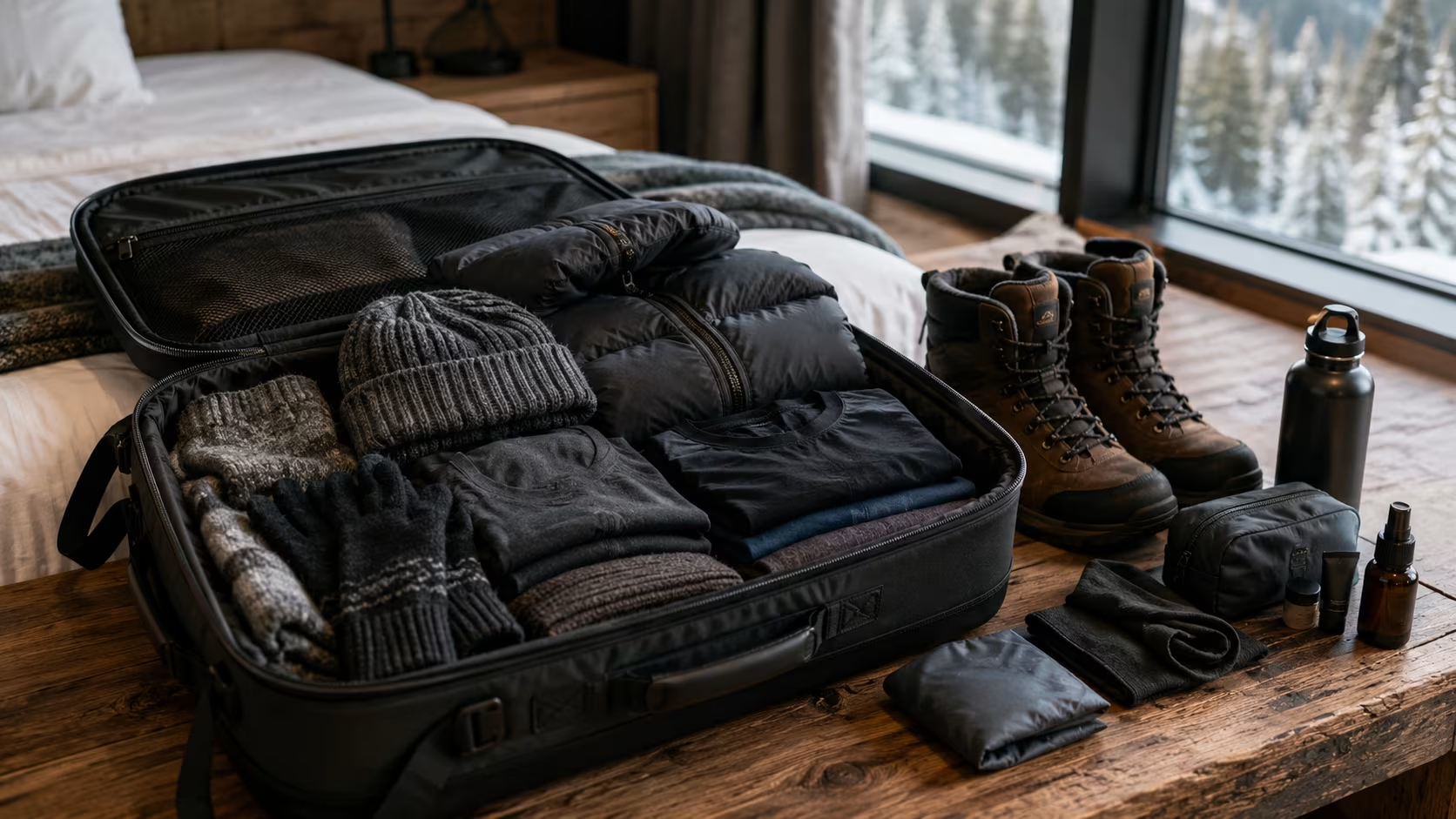
Cold-weather travel is fundamentally different from warm-weather travel. The packing list expands; the layering matters; the wrong fabric choice produces hypothermia or sweating-then-freezing. The wrong shoes mean wet feet for a week. The right system, on the other hand, lets travelers walk a Reykjavik glacier or a Lapland reindeer herding farm or a Quebec Carnaval ice sculpture in genuine comfort.
This is a 2026 field guide for cold-weather travel — northern Europe, Scandinavia, Canada, northern US, mountains, Iceland, and similar destinations where temperatures drop below 0°C and weather is unpredictable.
The Cold-Weather Travel Challenge
Three mechanics make cold-weather packing harder than warm-weather:
- Insulation requires bulk. A 5°C jacket is small; a -25°C jacket is large.
- Layering matters more. Sweat in cold air becomes a thermal liability.
- Weather variability is greater. A single trip may include 5°C and -20°C days.
The travelers who pack well for cold weather solve all three through a layering system.
The Three-Layer System
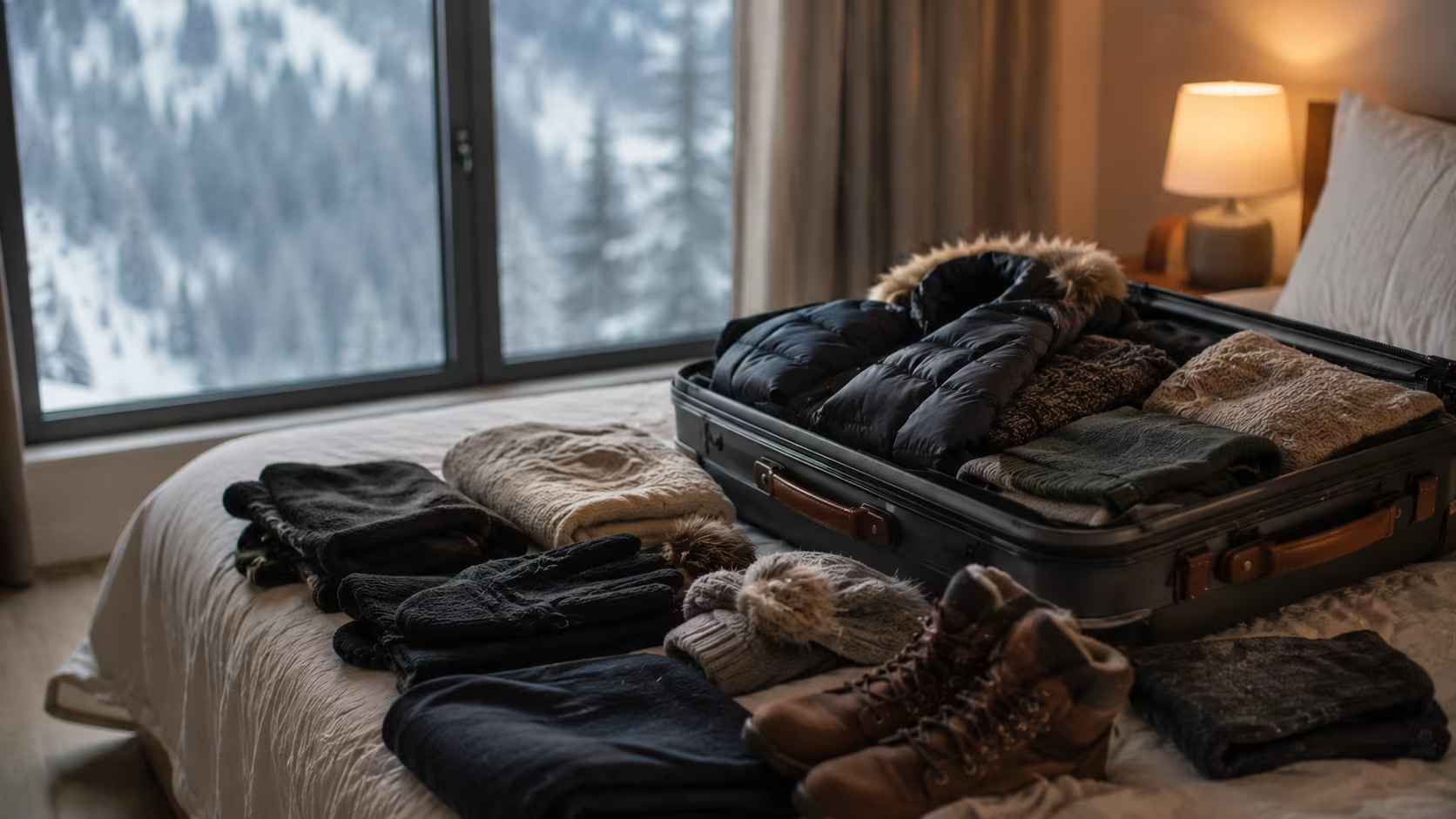
This is the foundational concept. Every cold-weather outfit has three roles:
1. Base Layer (Moisture Management)
Wicks sweat from your skin to outer layers. Stays dry against your body.
Materials:
- Merino wool (best). Doesn't retain odor; insulates wet; comfortable.
- Synthetic (polyester). Fast-drying; cheaper; retains odor over time.
- Silk (light option). Lightweight; less warm than merino.
What to avoid: - Cotton. Cotton holds sweat; cotton + cold = hypothermia risk in serious cold.
Picks:
- Smartwool Merino 250 base layer (top + bottom).
- Icebreaker Tech Lite II.
- Icebreaker 200g lightweight.
- Patagonia Capilene Midweight (synthetic).
2. Mid Layer (Insulation)
Traps body heat. Wears between base and shell.
Materials:
- Down. Highest warmth-to-weight ratio. Loses insulation if wet. Long lasting.
- Synthetic insulation (PrimaLoft, Coreloft). Insulates when wet. Heavier than down.
- Fleece. Cheap, warm, durable. Heavier; less compressible.
- Wool. Warm; heavier; humidity-tolerant.
Down vs. synthetic decision:
- Down for dry-cold climates (mountains, continental winter).
- Synthetic for wet-cold climates (UK, Pacific Northwest, coastal Iceland).
- Down + waterproof shell for the dry-when-properly-managed scenario (most travel).
Picks:
- Patagonia Down Sweater (~310g, fits in a stuff sack).
- Uniqlo Ultra Light Down Jacket (~250g, exceptional value).
- Arc'teryx Atom LT (synthetic, durable).
- Patagonia Nano Puff (synthetic, lightweight).
3. Shell Layer (Wind/Water Protection)
Blocks wind + rain + snow. Outermost layer.
Materials:
- Hardshell waterproof + breathable (Gore-Tex Pro, eVent, Pertex Shield). Best for serious weather.
- Soft shell (water-resistant, more breathable). Better for active travel.
- Down/synthetic insulated shell (combines insulation + protection in one). Less versatile but warmer.
Picks:
- Arc'teryx Beta AR (3-layer Gore-Tex).
- Patagonia Torrentshell 3L.
- Outdoor Research Helium (lightweight rain shell).
The Travel Cold-Weather Outfit
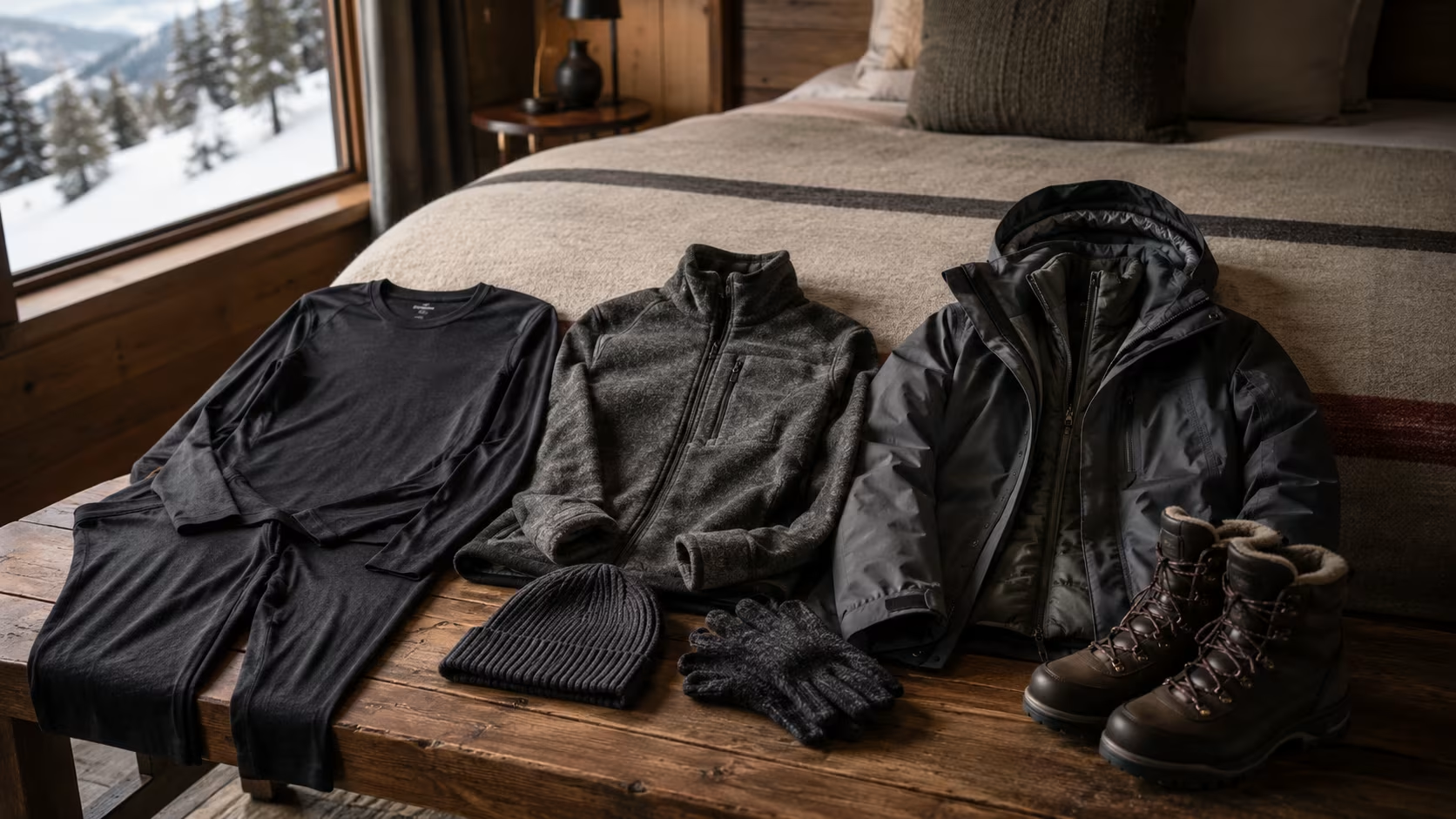
A functional cold-weather travel outfit consists of:
- Base layer top + bottom (merino).
- Insulating middle layer (puffy + warm shirt or sweater).
- Shell jacket (waterproof + windproof).
- Insulated pants for very cold; otherwise warm pants over base layer.
- Warm socks (merino).
- Boots appropriate for terrain.
- Head, neck, hand protection.
Specific Items by Body Area
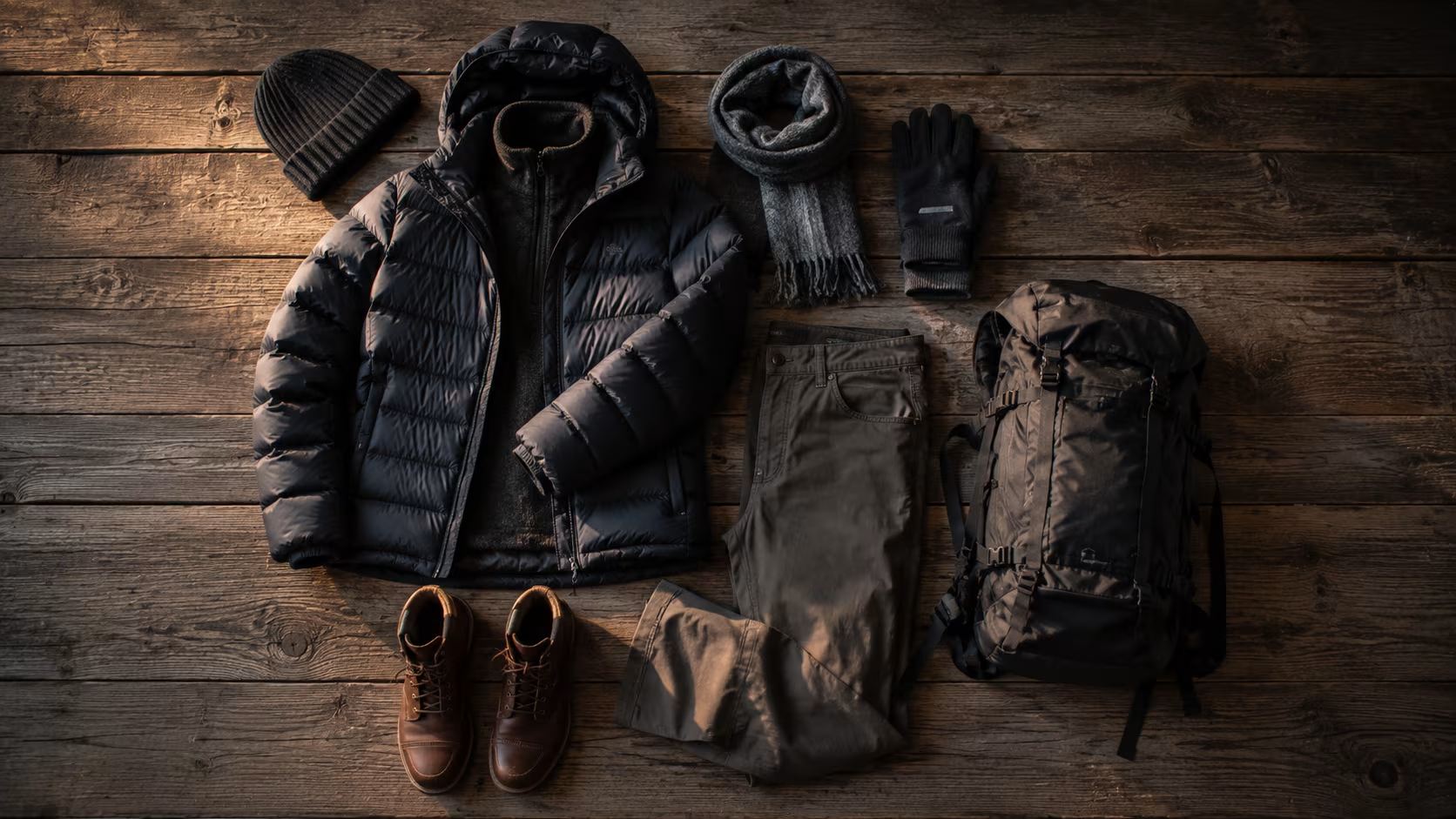
Top (Upper Body)
- Base layer: 1-2 merino base-layer tops.
- Mid layer: 1 merino sweater or fleece.
- Down/synthetic puffy: 1 jacket. Pack-down version (Uniqlo Ultra Light) for travel; warmer for serious cold.
- Shell jacket: 1 hardshell or insulated shell.
- T-shirts (merino): 2 for warmer days or layering.
Bottom (Lower Body)
- Base layer bottom (merino long johns): 1-2 pairs.
- Travel pants: 1-2 pairs. Outlier Slim Dungarees, Bluffworks, or wool blend.
- Insulated pants for serious cold (sub -10°C). REI Co-op or Outdoor Research insulated pants.
- Jeans? Skip. Cotton + cold = misery.
Feet
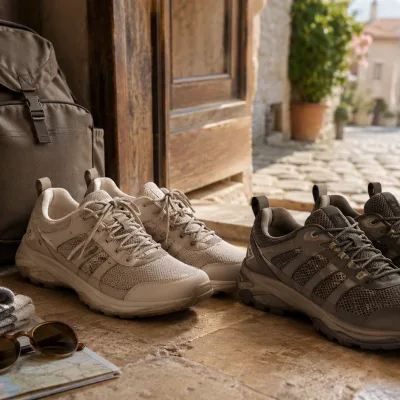
- Insulated waterproof boots. Sorel Caribou or Out 'n About. Blundstone Chelsea boots for moderate cold (above -10°C).
- Walking shoes for milder days + indoor (Allbirds Wool Runners, etc.).
- Merino socks: 4-7 pairs.
- Wool sock liners for very cold (additional layer inside socks).
Head + Neck + Hands
- Beanie/wool hat: 1, merino or wool.
- Buff or balaclava: 1, multipurpose neck/head/face protection.
- Scarf: optional; the buff usually replaces it.
- Gloves: layered system — thin merino gloves + insulated outer mittens for cold.
- Mittens: warmer than gloves; use for serious cold.
- Hand warmers (single-use) for emergencies.
Eyes
- Sunglasses with UV protection. Snow glare is severe.
- Snow goggles for serious mountain conditions.
Specific Packing for Different Cold Conditions
Mild Winter Cities (5 to -5°C, e.g., London, Paris, NYC, Berlin in winter)
- 1 puffy jacket (Uniqlo Ultra Light) or fleece + light shell.
- 1 base layer top + bottom.
- 1 pair travel pants + 1 backup.
- 4 merino t-shirts/long-sleeves.
- 4 pairs merino socks.
- 1 pair Blundstone or Allbirds Wool Runners.
- 1 pair indoor sneakers.
- Wool hat + buff + gloves.
- Compact umbrella.
Cold Continental Cities (-5 to -15°C, e.g., Stockholm, Helsinki, Moscow, Toronto)
- 1 heavy puffy jacket (Patagonia Down Sweater or warmer).
- 1 hardshell jacket (waterproof shell over puffy).
- 1 base layer top + bottom.
- 2 merino base-layer t-shirts.
- 1-2 wool sweaters.
- 1 pair insulated pants.
- 6 pairs merino socks.
- Sorel Caribou waterproof boots.
- Fleece-lined gloves.
- Wool beanie.
- Buff.
Extreme Cold (-15 to -30°C, e.g., Iceland winter, Lapland, Northern Canada)
- 1 expedition-weight puffy (Mountain Hardwear Down, Arc'teryx Cerium SV).
- 1 hardshell.
- 1 heavy base layer top + bottom (Smartwool 250).
- 2 merino base-layer t-shirts.
- 2 wool sweaters.
- 1 pair insulated pants + 1 pair shell pants.
- 8 pairs merino socks.
- Heavy boots (Sorel Caribou, Baffin) rated to -40°C.
- Insulated mittens (Hestra) + thin glove liners.
- Heavy beanie + balaclava.
- Goggles for high winds.
Mountain / Active Cold (-5 to -25°C with activity)
Different from sedentary cold: activity generates heat that needs to escape.
- Active base layer (merino lightweight).
- Mid layer (light fleece or active synthetic).
- Shell jacket (active hardshell with venting).
- Active pants with side zips for venting.
- Active gloves (less insulated than sedentary).
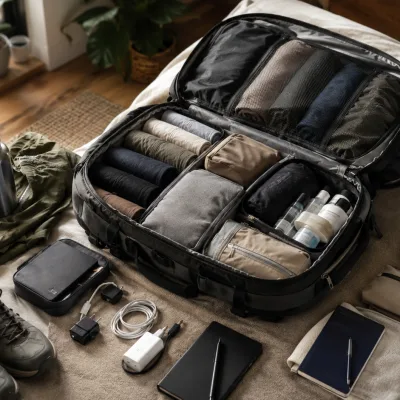
What to Pack in Cabin Bag (Carry-On)
Cold-weather travel can fit in a carry-on for stays under 2 weeks.
Wear on the plane:
- Heaviest puffy jacket.
- Hardshell.
- Base layer top + bottom.
- Boots.
- Wool socks.
- Beanie + scarf in pockets.
In carry-on:
- 1 spare base layer top + bottom.
- 1 spare merino sweater.
- 4 merino t-shirts.
- 1 pair travel pants.
- 1 pair insulated pants if needed.
- 6 pairs merino socks.
- 5 pairs underwear.
- 1 pair indoor sneakers.
- Toiletries.
- Tech bag.
- Sleep clothes.
Total weight: 8-12 kg (within most international carry-on limits).
Layering in Practice
The system works on a sliding scale:
- Cold + sitting/walking slowly: all 3 layers (base + insulation + shell).
- Cold + walking briskly: base + shell only (insulation comes off).
- Warmer day: base + light shell.
- Indoor: base layer only (drop the rest).
If you're feeling sweaty, remove a layer immediately. Sweat in cold air becomes cold-soaked fabric, which becomes hypothermia risk.
Specific Mistakes to Avoid
1. Cotton, Always
In cold weather, cotton holds sweat against your skin. Wet cotton + cold = hypothermia. Replace cotton t-shirts with merino. Replace cotton socks with merino. Replace jeans with synthetic-blend pants.
2. Boots That Aren't Tested
New boots wear into your feet over 5-10 walks. Don't break in boots on a trip. Wear them on at least 3 long walks before traveling.
3. Skimping on Socks
Merino socks ($15-25 per pair) feel expensive but transform cold-weather walking. Cotton athletic socks fail in cold.
4. One Heavy Jacket, No Layering
A single bulky parka with no layers underneath is brittle — too hot when active, not enough when sitting still. Three-layer system handles all conditions.
5. Skipping the Hat + Buff
Up to 25% of body heat loss in cold conditions is from the head. A wool beanie + buff combo dramatically improves comfort.
6. Not Bringing a Backup Pair of Socks
Wet feet for a day are misery. Two pairs of socks (one drying while one wearing) prevents this.
7. Forgetting Gloves Have Limits
Light gloves work for moderate cold; serious cold (-15°C+) needs mittens. Touchscreen-compatible gloves only insulate down to about -5°C.
8. Underdressing for the First Day
First-day-of-cold-weather-trip is when you most underestimate. Layer up; remove if hot. Better to remove than to add.
Indoor Heating Considerations
Most destinations heat indoor spaces dramatically. Going from -15°C outside to 22°C inside requires removing layers immediately.
Strategy:
- Wear easy-to-remove layers. Shell + puffy + sweater = three quick removals.
- Carry a small backpack for stowing layers indoors.
- Hydrate aggressively — heated indoor air dries you out.
Cold-Weather Health
- Stay hydrated. Cold air is dry; dehydration risk is real.
- Sun protection. UV reflects off snow; SPF 30+ on face if outdoors.
- Lip balm. Cold dry air destroys lips fast.
- Hand cream. Same.
- Watch for early hypothermia signs. Shivering, sluggishness, confusion. Get warm immediately.
- Watch for frostbite signs. White or grey skin patches on extremities. Warm slowly.
Specific Brands and Picks
Outerwear
- Patagonia Nano Puff (synthetic, $250).
- Patagonia Down Sweater (down, $279).
- Uniqlo Ultra Light Down Jacket ($69, exceptional value).
- Arc'teryx Beta AR (Gore-Tex shell, $599).
- Patagonia Torrentshell 3L (rain shell, $179).
Base Layers
- Smartwool Merino 250 ($85-100/piece).
- Icebreaker Tech Lite II ($110/piece).
- Patagonia Capilene Midweight ($65, synthetic alternative).
Boots
- Sorel Caribou ($170, classic).
- Sorel Out 'n About ($170, more stylish).
- Baffin Impact ($150, expedition-rated).
- Blundstone Original ($210, mild cold).
Gloves + Mittens
- Hestra Heli Ski mittens ($230, premium).
- Outdoor Research Pro Mod ($120, mid-tier).
- Black Diamond Mercury mittens ($170, expedition).
Socks
- Smartwool Hike Light Crew ($25-30/pair).
- Darn Tough Light Hiker ($24/pair, exceptional durability).
- Icebreaker Hike+ Light Crew ($26/pair).
Hats + Buffs
- Smartwool merino beanie ($35).
- Original Buff Multifunctional Headwear ($25).
- Bula merino balaclava ($40).
Trip-Specific Recommendations
Iceland Winter
- Heavy puffy + waterproof shell.
- 2 base layer sets.
- Sorel Caribou or similar boots.
- Wind-rated mittens.
- Buff + balaclava.
- Glacier-walking equipment if planned.
Lapland (Northern Sweden/Finland/Norway)
- Expedition-rated puffy.
- Heavy base layers.
- -40°C-rated boots.
- Heavy mittens.
- Goggles.
- Hand warmers.
Ski Trip (Alps, Rockies, Hokkaido)
- Active base layers.
- Mid layer fleece.
- Ski-specific shell jacket + pants (rented or owned).
- Ski socks (specifically thinner than walking socks).
- Helmet + goggles.
- Mittens for chairlift; gloves for skiing.
European Cities Winter
- Lighter packing than mountain trips.
- Down-Sweater-tier puffy + light rain shell.
- 1-2 base layer sets.
- Walking boots or Blundstones.
- Compact umbrella.
- Wool hat + scarf.
Common Mistakes
- Bringing only one pair of warm socks. Wet feet for a week ruins the trip.
- Wearing fashion boots in serious cold. Functional boots beat aesthetic.
- Skipping the hat "because my hood is enough." Hood + hat is dramatically warmer.
- Cotton t-shirts as base layer. Cold-weather rule #1.
- Heavy puffy without a shell. No wind protection; loses warmth in wind.
- No backup gloves. Lost glove + cold = wrecked day.
- Not testing boots before traveling.
- Bringing jeans for outdoor cold-weather days. Slow to dry; brittle in cold.
- Not waterproofing leather boots before travel.
- Forgetting hand warmers. $1 packs that save fingers.
- Dressing for cars but ending up walking. Many travelers underestimate how much walking they'll do; pack accordingly.
Final Notes
Cold-weather packing is a system. The 3-layer approach (base + insulation + shell) handles most conditions; the specific items inside that system depend on the conditions of the specific trip.
The single best advice: invest in quality merino base layers + a good puffy + waterproof boots before your first serious cold-weather trip. The investment ($500-800 total) lasts 5-10 years across many trips. Cheap base layers fail; bad boots ruin trips.
The second-best: layer like an onion, not like a marshmallow. The travelers who get cold most are the ones who packed one heavy bulky jacket with no layers underneath. The travelers who stay comfortable are the ones who can adjust by adding or removing thin layers.
The quietest piece of advice: don't worry about looking stylish. Cold-weather travel rewards function over fashion. The Sorel Caribou boots are not pretty; they're life-changing in winter walking. The Uniqlo Ultra Light puffy is not couture; it's the most-traveled jacket in winter for good reason. Photographs are short; cold feet last a week.
Layer system with weights:
| Layer | Pick | Weight |
|---|---|---|
| Base | Smartwool Merino 250 / Icebreaker 200 g | pack 1-2 tops |
| Insulation | Patagonia Down Sweater | ~310 g in stuff sack |
| Value option | Uniqlo Ultra Light Down | ~250 g |
| Shell | Arc'teryx Beta AR / Patagonia Torrentshell 3L | 3-layer construction |
| Range reality | one trip can span +5 °C to -20 °C | three roles per outfit |
0 Comments
No comments yet — start the conversation.