

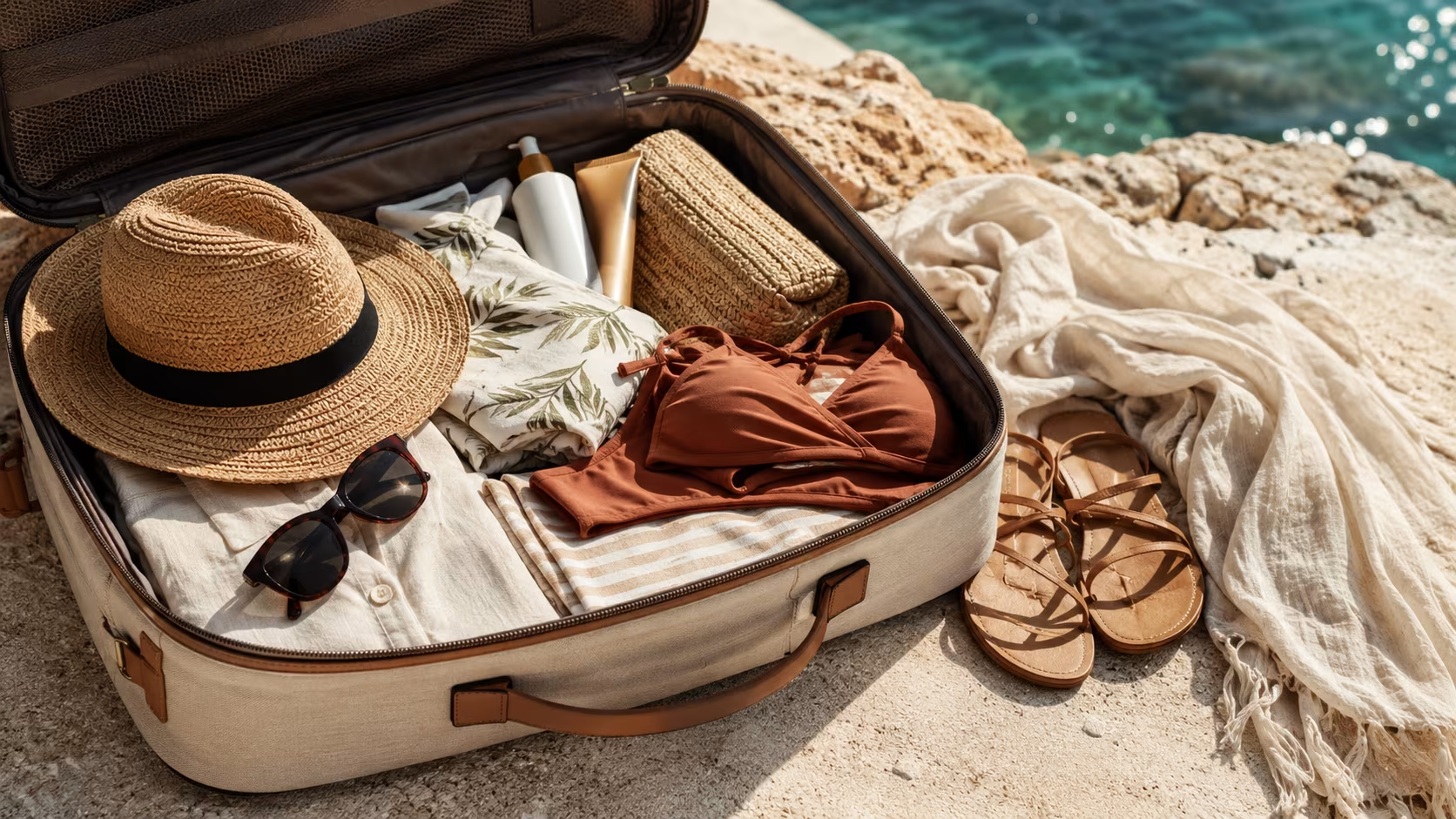
Beach travel packing is fundamentally different from city travel packing. Sun protection becomes urgent; sand gets into everything; saltwater corrodes electronics; and most beach trips include both beach time and town time, requiring versatile clothing rather than dedicated beach-only gear.
This is a 2026 field guide for beach trips of 5-14 days — Mediterranean coast, Caribbean, Southeast Asia islands, Mexico Pacific + Caribbean, Hawaii, Australia coast, similar destinations.
The Beach Travel Challenge
Three mechanics make beach packing different:
- Sun. UV intensity in tropical + Mediterranean destinations is genuinely high. Sun damage compounds across days.
- Sand + saltwater. Get into everything. Hard on electronics, fabric, leather, and shoes.
- Heat. Most beach destinations have midday temperatures above 30°C; clothing needs to handle both pool/beach use and AC indoor temperatures.
The successful beach packing list balances these.
The Beach Travel Outfit
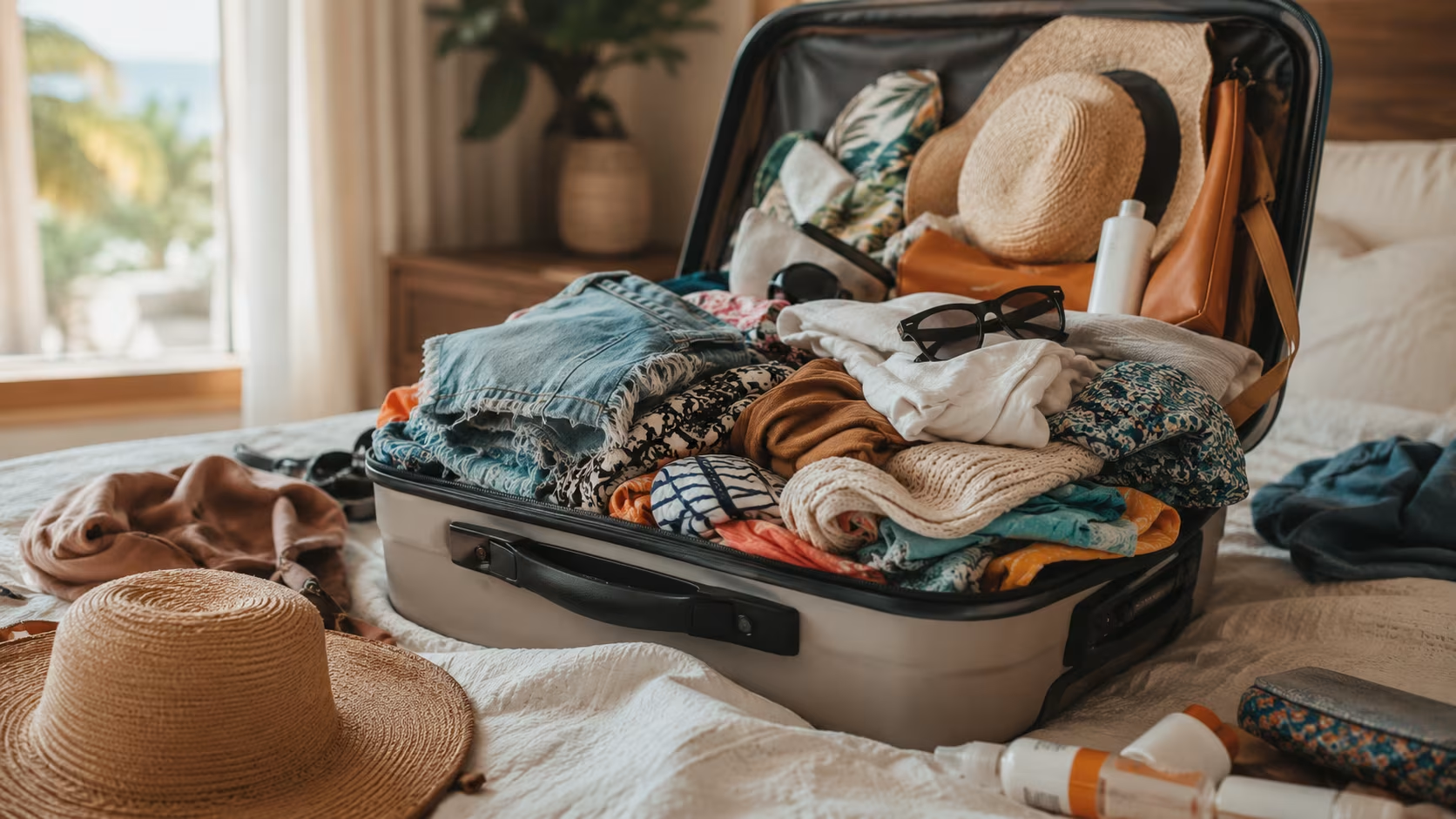
Daytime (Beach + Pool)
- Swimwear (1-3 sets).
- UPF 50+ sun shirt (for active swimming or snorkeling).
- Sun hat with brim.
- Polarized sunglasses with UV protection.
- Beach cover-up or simple linen shirt/dress.
- Beach sandals (Birkenstock + flip-flops).
- Beach bag.
- Refillable water bottle.
Daytime (Town/Walking)
- Lightweight walking shoes (Allbirds Tree Runners style).
- Light merino t-shirt or cotton-blend short-sleeve shirt.
- Linen pants or shorts.
- Light layer (cardigan or merino sweater) for AC interiors.
Evening (Restaurants/Going Out)
- One nicer outfit (dress, button-up, chinos).
- Closed-toe shoes (leather sneakers, low boots, or strappy sandals).
- Light layer for evening cool.
What to Pack: 2-Week Beach Trip
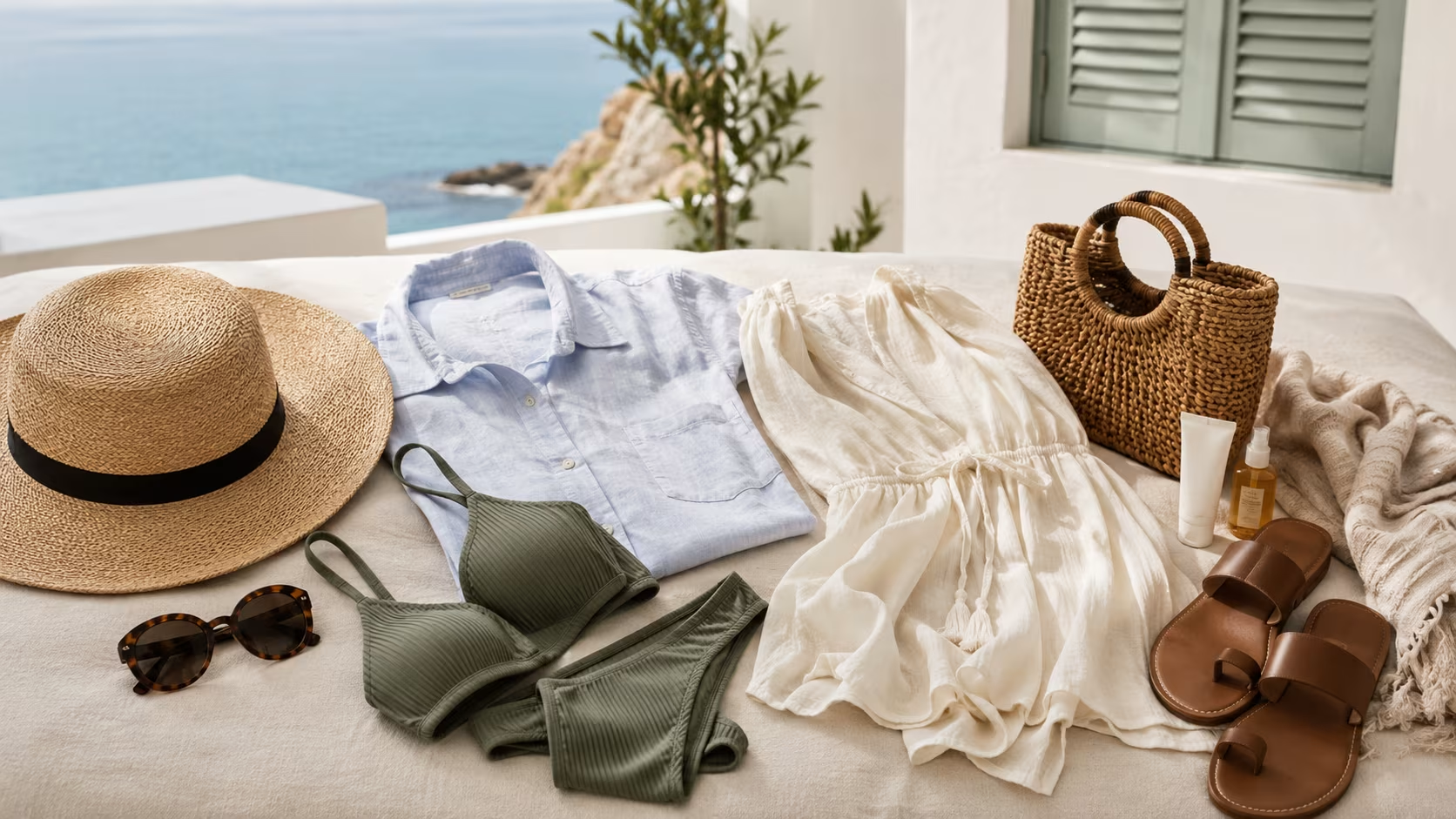
Tops (5-7 items)
- 2-3 light tops/t-shirts (merino or cotton-blend).
- 1 long-sleeve UPF sun shirt for active beach use.
- 1-2 button-up shirts (linen or chambray) for evening + town walking.
- 1 dressier top for nicer dinners.
Bottoms (4-5 items)
- 1-2 swim shorts/swim suits. Quick-dry.
- 1-2 pairs linen or quick-dry shorts.
- 1 pair light pants (linen, lightweight cotton, or technical travel pants).
- 1 pair travel pants for the plane and cooler evenings.
Footwear (3 pairs)
- Beach sandals — flip-flops or Tevas. For pool/beach.
- Walking sandals — Birkenstocks or Olukai. For town walking + casual restaurants.
- Closed-toe shoes — leather sneakers or canvas shoes. For evenings + uneven terrain.
Wear the heaviest pair on the plane.
Sun Protection
- Wide-brim hat (packable like Wallaroo or Tilley).
- Sunglasses (polarized, UV-rated). Backup pair.
- Sunscreen (SPF 50+ reef-safe; check destination requirements). Multiple bottles.
- Lip balm with SPF.
- After-sun lotion or aloe gel.
Beach Bag + Beach Day Items
- Beach tote (waterproof or quick-dry).
- Quick-dry beach towel (microfiber).
- Dry bag for phone/wallet/passport.
- Reef shoes (water shoes for rocky beaches).
- Snorkel/mask if you'll snorkel often (cheaper bringing than renting daily).
- Frisbee or ball if active.
Toiletries
- Sunscreen (multiple bottles).
- Insect repellent with DEET or picaridin (for tropical destinations).
- Hair conditioner (saltwater + sun + chlorine destroy hair; needs more conditioner than home).
- Body lotion (skin dries from sun + salt).
- Anti-frizz if applicable.
- Razor + blades (sand makes leg shaving more frequent).
Tech
- Phone + charger + waterproof case.
- Power bank.
- Wireless earbuds (for beach reading + flights).
- Camera if separate from phone.
- Universal adapter for destination outlets.
- Underwater camera or waterproof phone pouch if snorkeling.
Documents + Money
- Passport.
- Travel insurance information.
- Photocopy of passport.
- Two payment cards.
- Some local currency.
Optional but Useful
- Sleep mask + earplugs (some beach hotels have noisy nighttime; some hotels have minimal blackout curtains).
- Mosquito head net for outdoor evenings in some destinations.
- Anti-chafing cream (for beach walks; thigh-rub is real in heat).
- Foot powder for sandy feet.
- Antihistamine for jellyfish stings + reactions.
- Quick-dry wallet for beach use.
- Reading material (Kindle for the beach).
Pack Specifically for the Destination
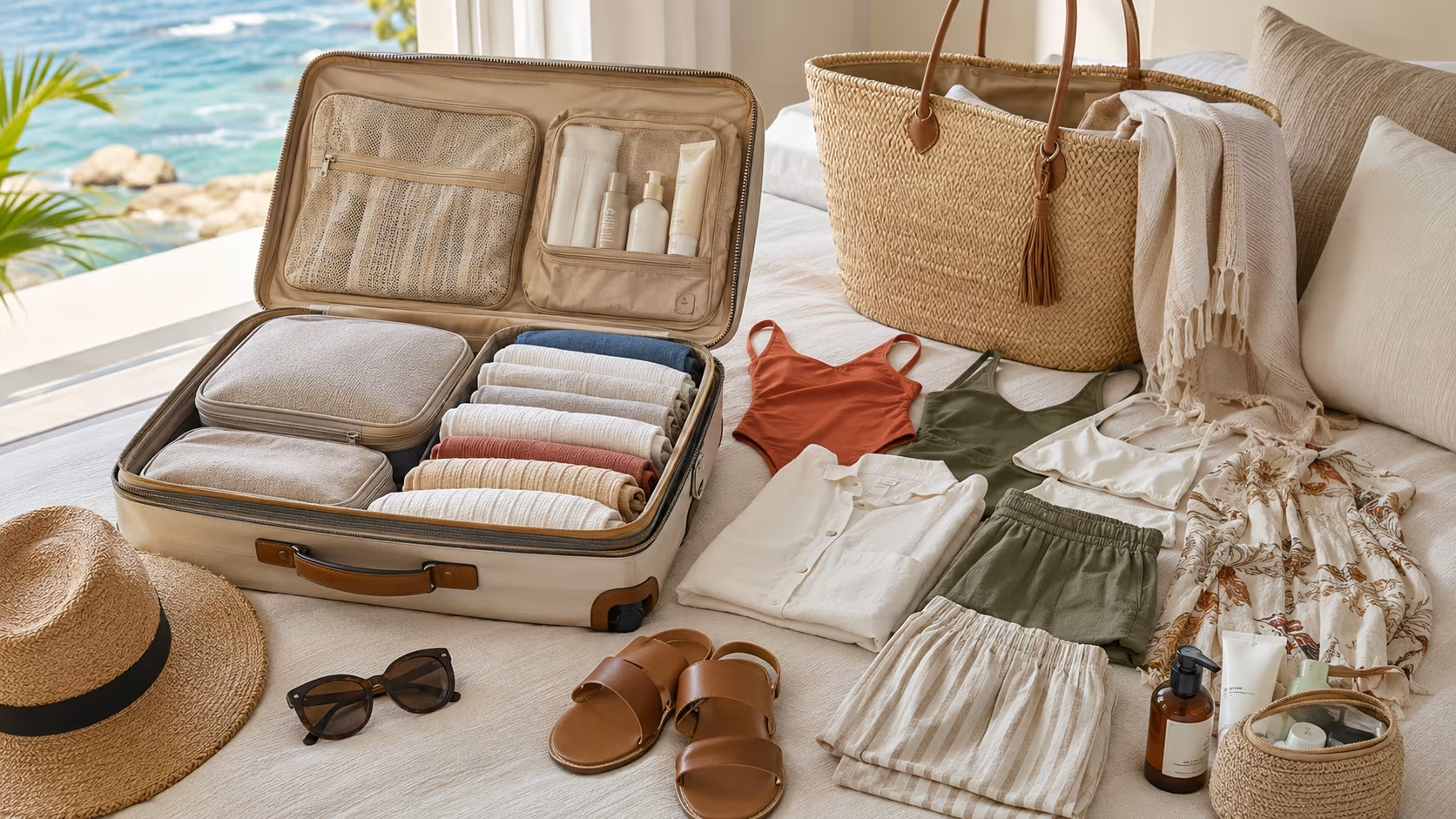
Mediterranean (Greek islands, Italian coast, Spanish coast, Croatian coast, Turkish Riviera)
- Climate. Hot summer (28-35°C); mild swim in shoulder season.
- Pack: linen layers (heat); slightly dressier evening clothing; some closed-toe shoes (cobblestoned villages).
- Skip: heavy hiking gear; serious water-sport gear.
Caribbean (Jamaica, Bahamas, Aruba, Cayman, Mexico Caribbean)
- Climate. Hot + humid year-round.
- Pack: lots of swimwear; lighter cotton + linen; insect repellent; reef shoes.
- Skip: heavy clothing; beach evening wear is casual.
Southeast Asia Islands (Bali, Phuket, Krabi, Boracay, Maldives)
- Climate. Hot + humid; rainy season variation.
- Pack: light + quick-dry; insect repellent (mosquito-borne illness risk); reef-safe sunscreen; rain shell for monsoon.
- Specific: swim shoes for some rocky beaches; serious sunscreen reapplication strategy.
Hawaii
- Climate. Mild year-round (22-30°C).
- Pack: standard beach + walking; reef-safe sunscreen mandatory by law; rain layer for windward sides.
- Specific: hiking shoes for volcano + canyon trails (separate trip from beach); UV-rated sun shirts.
Australian Coast / Pacific Islands (Sydney + Gold Coast, Fiji, Cook Islands)
- Climate. Variable; UV is intense.
- Pack: UPF 50+ sun shirts (essential); reef-safe sunscreen; closed-toe water shoes for some reefs.
- Specific: Australian sun is dangerous; pack accordingly.
Thai Islands (Phi Phi, Krabi, Koh Samui, Koh Phangan)
- Climate. Hot + humid; monsoon May-October.
- Pack: light + quick-dry; reef-safe sunscreen; closed-toe water shoes for rocky beaches; rain shell.
- Specific: insect repellent (dengue + Zika risk); carry medications + vaccinations as advised.
Sun Protection: The Real Strategy
UV in tropical + Mediterranean destinations is genuinely high. Sun damage compounds.
The Hierarchy
- Sun-shirts (UPF 50). The single best sun protection for active swimming/snorkeling.
- Hats. Wide-brim or wrap-style. Cover the ears + neck.
- Sunglasses. Polarized with UV protection.
- Sunscreen. SPF 50+, applied 30 minutes before sun exposure, reapplied every 90 minutes when active.
- Shade. Schedule beach time before 11:00 + after 16:00 in tropical destinations; the midday hours are punishing.
Reef-Safe Sunscreen
Mandatory by law in some destinations:
- Hawaii (since 2021).
- Mexico's Yucatán reefs (in some areas).
- Parts of the Caribbean (Aruba, U.S. Virgin Islands).
- Palau, Bonaire (full reef-safe requirements).
Look for sunscreens without oxybenzone or octinoxate. Brands: Sun Bum, Coola, Stream2Sea, Surf Mud.
Sunburn Recovery
- Aloe vera gel (cold from fridge if possible).
- Hydrocortisone cream for severe cases.
- Stay hydrated.
- Skip sun for 24-48 hours after a serious burn.
- Pain relievers (ibuprofen) for severe.
Packing for Active Beach Days
Snorkeling
- Mask + snorkel (cheaper bringing than renting daily).
- UPF 50 swim shirt.
- Reef shoes for rocky entries.
- Underwater camera or waterproof phone case.
Surfing
- Swim shorts or board shorts.
- Rash guard.
- Surf wax + reef shoes if specific.
- Some places (cold water) require wetsuit; rentable.
Diving
- Most equipment rented at destination.
- Bring: dive certification card + log book.
- Dive watch + dive computer if you have your own.
Kayaking + Paddleboarding
- Most rented at destination.
- Bring: dry bag for phone/keys; reef-safe sunscreen.
Packing for the Plane
Wear on the Plane
- The heaviest items.
- Comfortable but versatile (you'll arrive at the airport in this).
- Closed-toe shoes (cooler than sandals on plane AC).
Carry-On
Essentials in case checked luggage delays:
- 1 swim suit (for first day).
- 1 set of clothes.
- Phone + charger + adapters.
- Documents.
- Sunscreen + sunglasses + hat.
- Medications.
- Toothbrush + toiletries.
What to Skip
- Heavy beach equipment. Most resorts provide beach chairs + umbrellas; renting at destination is cheaper than carrying.
- Multiple swimsuits beyond 3. They dry overnight; 2-3 is enough.
- Formal evening clothes unless attending specific events. Beach destinations are casual.
- Multiple pairs of shoes for evening (one pair beyond walking is enough).
- Heavy makeup. Sweat + heat + sand kill it.
- Hair tools. Most don't work with beach humidity anyway. Air dry.
- Heavy reading material. Kindle is 200g vs. 400g for one book.
- Camera tripod unless serious photographer.
- Multiple watches. One that handles water if you'll swim with it.
Specific Hot-Weather Tactics
Layering for AC
Beach destinations have tropical humidity outside but freezing-AC indoors. The light cardigan or merino sweater handles this.
Quick-Dry Fabric Priority
- Merino wool for tops (dries fast; doesn't smell).
- Quick-dry synthetic for swimwear.
- Linen for warm-weather pants/shorts.
- Avoid heavy cotton (slow to dry; smelly when sweaty).
Heat Management
- Loose-fitting clothing. Air circulation is the biggest comfort factor.
- Light colors. Reflect heat better.
- Wide-brim hat. Real difference vs. baseball cap.
- Cooling towels (the magic-cool style with water + flap-fold action) for serious heat.
- Hydrate aggressively. 3+ L water per day in tropical heat.
Sand Management
- Avoid open-sided bags for valuables.
- Quick-rinse stations at beach hotels.
- Brush sand off feet + legs before re-entering hotel.
- Protect electronics in sealed bags during beach time.
Foot Care Specific to Beach
Flip-flops + sand + saltwater can produce blisters + skin issues:
- Don't walk long distances in flip-flops. Birkenstocks have better arch support.
- Bring closed-toe walking shoes for any walking beyond beach access.
- Foot scrub + lotion at end of day prevents cracking.
- Athlete's-foot powder for tropical destinations (humidity + closed-shoe sweat).
Tech Care in Saltwater Environments
- Waterproof phone cases (LifeProof, Otterbox, or simple ZipLoc bags).
- Salt water + electronics = corrosion. Even "waterproof" devices benefit from rinse-and-dry after beach.
- Power banks can fail at high temperatures. Don't leave in direct sun.
- Beach photos. Phone cameras handle 95% of needs; bringing dedicated camera is for serious photographers only.
What to Wear Where
Beach
- Swimwear + sun shirt + hat.
- Sandals or barefoot.
- Cover-up for walking from beach to hotel.
Resort Pool
- Swimwear.
- Cover-up for breakfast/lunch.
- Sandals.
Casual Town Walking
- Light shirt + shorts/skirt.
- Walking sandals or light closed-toe.
- Sun hat.
Casual Restaurant
- Same as walking; many beach destinations accept beach attire at lunch.
- Slightly nicer for dinner.
Nicer Restaurant
- Linen pants or chinos.
- Button-up or simple dress.
- Closed-toe shoes (leather sneakers or low boots).
Activities
- Snorkeling/swimming: UPF sun shirt + swimwear + reef shoes.
- Hiking: closed-toe walking shoes + lightweight long pants for sun protection.
- Boat tours: sun protection + dramamine if motion-sensitive.
A Sample 10-Day Tropical Pack
Wear on plane:
- Travel pants.
- Light t-shirt.
- Light sweater.
- Walking shoes.
- Wallet + phone in pockets.
In carry-on:
- 2 swim suits.
- 3 light t-shirts.
- 1 long-sleeve UPF sun shirt.
- 1 button-up shirt.
- 1 dressier shirt/dress.
- 2 pairs shorts.
- 1 pair linen pants.
- 1 pajama set.
- 5 underwear, 4 socks (only one pair really used).
- Sandals + flip-flops.
- Beach bag + sun hat.
- Tech bag.
- Toiletry bag with sunscreen.
- Pack-down rain jacket.
In personal item:
- Documents.
- Phone charger + power bank.
- Sunglasses.
- Snacks.
- Book/Kindle.
- Hat in case.
Total weight: ~7-9 kg.
Common Beach-Trip Mistakes
- Bringing only one pair of swim shorts. They get wet; need to dry.
- Skipping sun protection because "I tan well." UV damage compounds.
- Cotton t-shirts as primary clothing. Slow to dry, hold odor in heat.
- Heavy walking shoes. Birkenstocks or Tevas handle most beach travel.
- Bringing valuables to the beach. Phone + passport are stolen frequently. Hotel safe + simple beach kit.
- Skipping the rain shell. Tropical destinations have monsoon weather even in dry season.
- Underestimating how much sunscreen you'll need. A 200ml bottle is gone in 2-3 days of active swimming.
- Bringing makeup that won't survive heat. Sweat + sand + saltwater destroy it.
- Forgetting reef shoes for rocky entries. Some beautiful beaches have sharp coral or shells.
- Skipping insect repellent for tropical destinations. Real risk.
- Bringing more than 3 pairs of shoes. Sand gets in everything.
What to Buy at Destination
Sometimes cheaper + lighter to buy on arrival:
- Sunscreen (sometimes; not always — bring your preferred SPF 50+).
- Towels (most resorts provide; otherwise inexpensive locally).
- Snorkel + mask (rentable daily for cheap).
- Beach toys (cheap locally).
- Aloe gel (after-sun).
- Sandals (good ones might be cheaper at home; cheap ones available everywhere).
Final Notes
Beach travel packing is about balancing sun protection + heat management + flexibility for both beach and town. The successful packing list isn't beach-only; it's beach + casual + one nicer outfit, all in a single 7-day rotation.
The single best advice invest in one good UPF 50+ sun shirt. The cheap rashguards work fine; the better ones (Patagonia, REI, Wallaroo Hat Co.) are dramatically more comfortable + offer better sun protection. The shirt is what prevents the day-3 sunburn that wrecks the rest of the trip.
The second-best pack reef-safe sunscreen even if not legally required. The reef damage from non-reef-safe sunscreen is real; the cost premium is small; the karma is good.
The quietest piece of advice don't try to look stylish at the beach. The travelers who get this right are the ones who accept that they'll look like beach travelers — sun-flushed faces, tousled hair, sand in hard places, sandal tan lines. Fighting this with elaborate beach outfits + makeup is a losing battle. Embrace it.
0 Comments
No comments yet — start the conversation.