

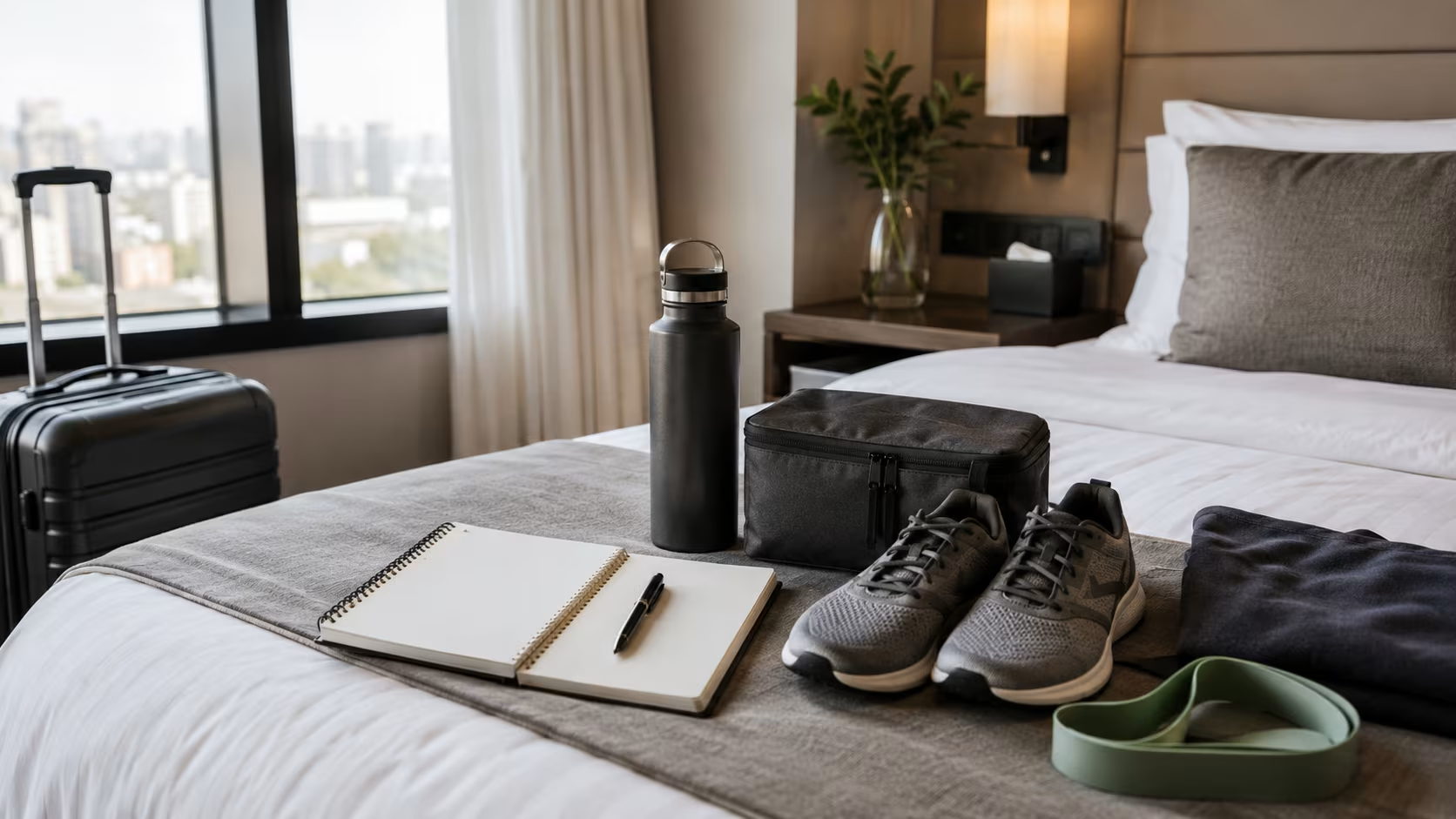
Travel disrupts every habit. The morning routine collapses; the gym doesn't exist; the meal timing shifts; the sleep schedule moves with time zones; the work-life boundaries blur. The travelers who get this right don't try to maintain every habit unchanged — they identify which habits matter most + adapt them, while letting the rest slide intentionally for the duration of the trip.
This is a 2026 field guide for travelers on trips of 5+ days who want to maintain enough structure to feel functional + make the trip itself worthwhile. The advice maps to nomads, business travelers, vacation travelers, sabbatical-takers, and anyone whose daily life will be disrupted for an extended period.
The Three Categories of Habits
Anchor Habits (Maintain Strictly)
Habits that maintain physical + mental + work foundation. Skipping these for the trip duration causes real degradation.
- Sleep schedule (within reason, given time zones).
- Hydration.
- Daily movement (some form).
- Sun exposure (mornings).
- Important medications.
- Critical work commitments.
- Daily contact with home if relationship-significant.
Adaptable Habits (Modify, Don't Drop)
Habits that can shift form during travel. Workout becomes hotel-room workout. Cooking becomes restaurant choices. Reading time shifts to evenings.
- Exercise (different form, similar frequency).
- Reading.
- Journaling.
- Healthy eating (different food, similar principles).
- Coffee/morning ritual (different café, similar ritual).
- Meditation/mindfulness practice.
Pause Habits (Let Slide for Trip Duration)
Habits that work at home but don't translate to travel. Trying to maintain these adds stress without benefit.
- Daily TV shows.
- Specific brands of food/products.
- Specific gym membership.
- Daily hobbies that require setup (gardening, painting, complex cooking).
- Social calendar with home community.
- Specific media consumption patterns.
The key is being honest about which category each habit belongs to.
Anchor Habits: Maintain These
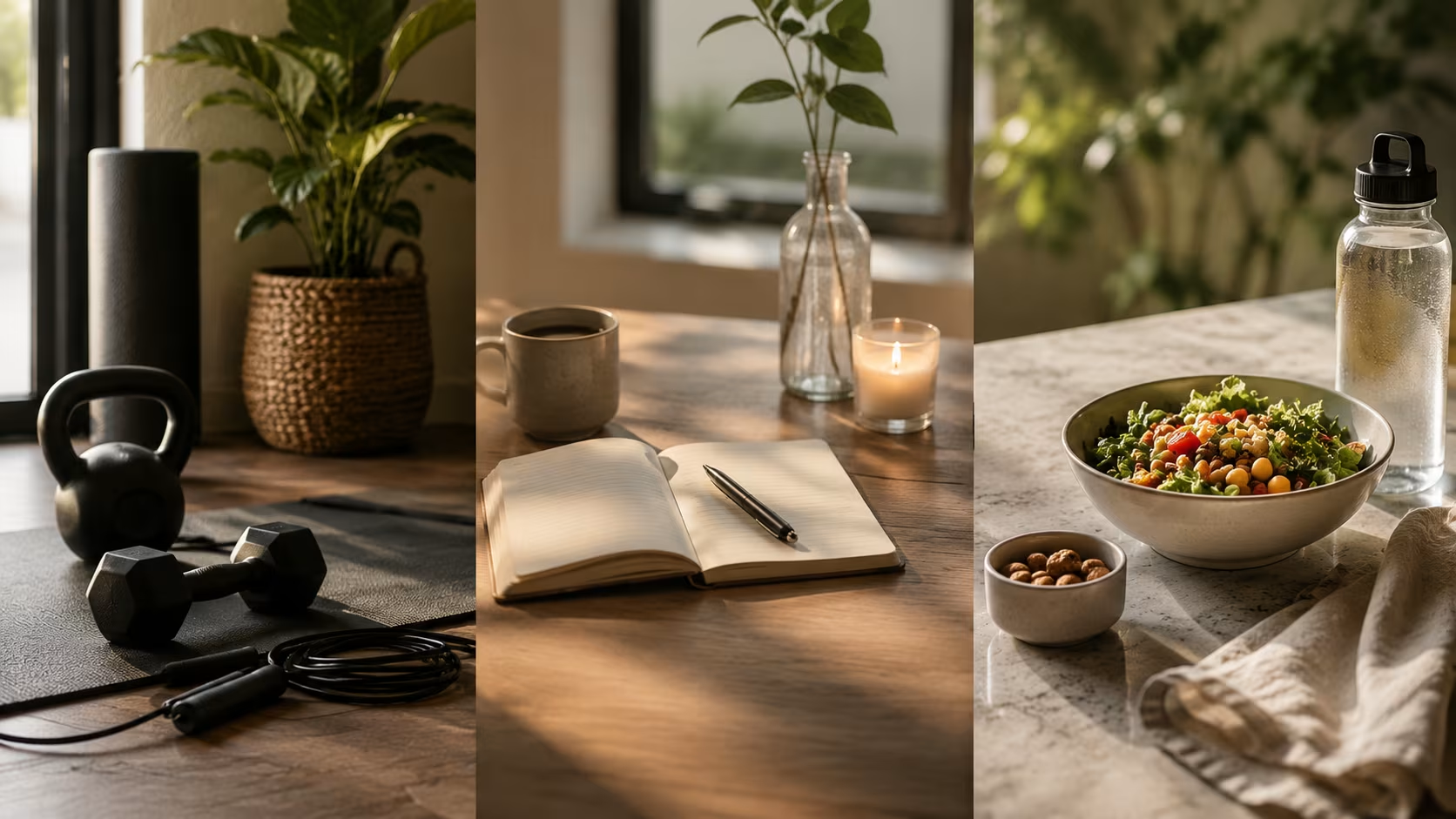
Sleep
Not the same time zone, but consistent quality. The travelers who maintain sleep on travel are functional; the ones who don't deteriorate by Day 4-5.
Tactics:
- Eye mask + earplugs. Hotel rooms vary in light + noise.
- Cool room. 16-19°C is optimal sleep temperature.
- Wind-down routine. Same one used at home, even compressed.
- No phone in bed. Charge across the room.
- Reasonable bedtime. Stop pushing to 02:00 nightly; the cumulative sleep debt destroys trips.
- Wake at consistent destination time. Anchor to a stable wake time within 2 days of arrival.
Hydration
Travel hydration is harder than home — the cues are absent, the activity higher, the water access variable.
Tactics:
- Refillable water bottle carried everywhere.
- Drink before meals, not just during.
- Schedule cues. Drink water on every transit transition.
- 2.5+ L per day.
- More in heat or after alcohol.
Movement
Daily movement is among the most-protective habits. The form changes; the daily occurrence shouldn't.
Forms during travel:
- Long walks (10+ km of city walking is a workout).
- Hotel-room workouts (5-15 min of bodyweight + travel-friendly equipment).
- Hotel gym (if available; quality varies).
- Day-pass at local gyms ($10-25/day in most cities).
- Swim at hotel pool.
- Hike + outdoor activity.
- Yoga in hotel room.
- Bicycle rentals.
Minimum: 30 minutes of intentional movement daily.
Travel workout equipment:
- Resistance bands (200g; replace gym for many exercises).
- Jump rope (100g; cardio anywhere).
- Yoga app (no equipment; phone-based).
Sun Exposure (Mornings)
Morning sunlight resets circadian rhythm. Critical after time-zone changes.
Tactics:
- 15-30 min of direct outdoor light within 1 hour of waking.
- Coffee outside at a café.
- Walk before breakfast.
- Avoid sunglasses for the first 5 minutes outside.
Important Medications
Don't skip prescription medications. Pack extras (10-30% beyond trip duration).
Critical Work Commitments
Non-negotiable. Plan around them; don't drop.
Adaptable Habits: Modify During Travel
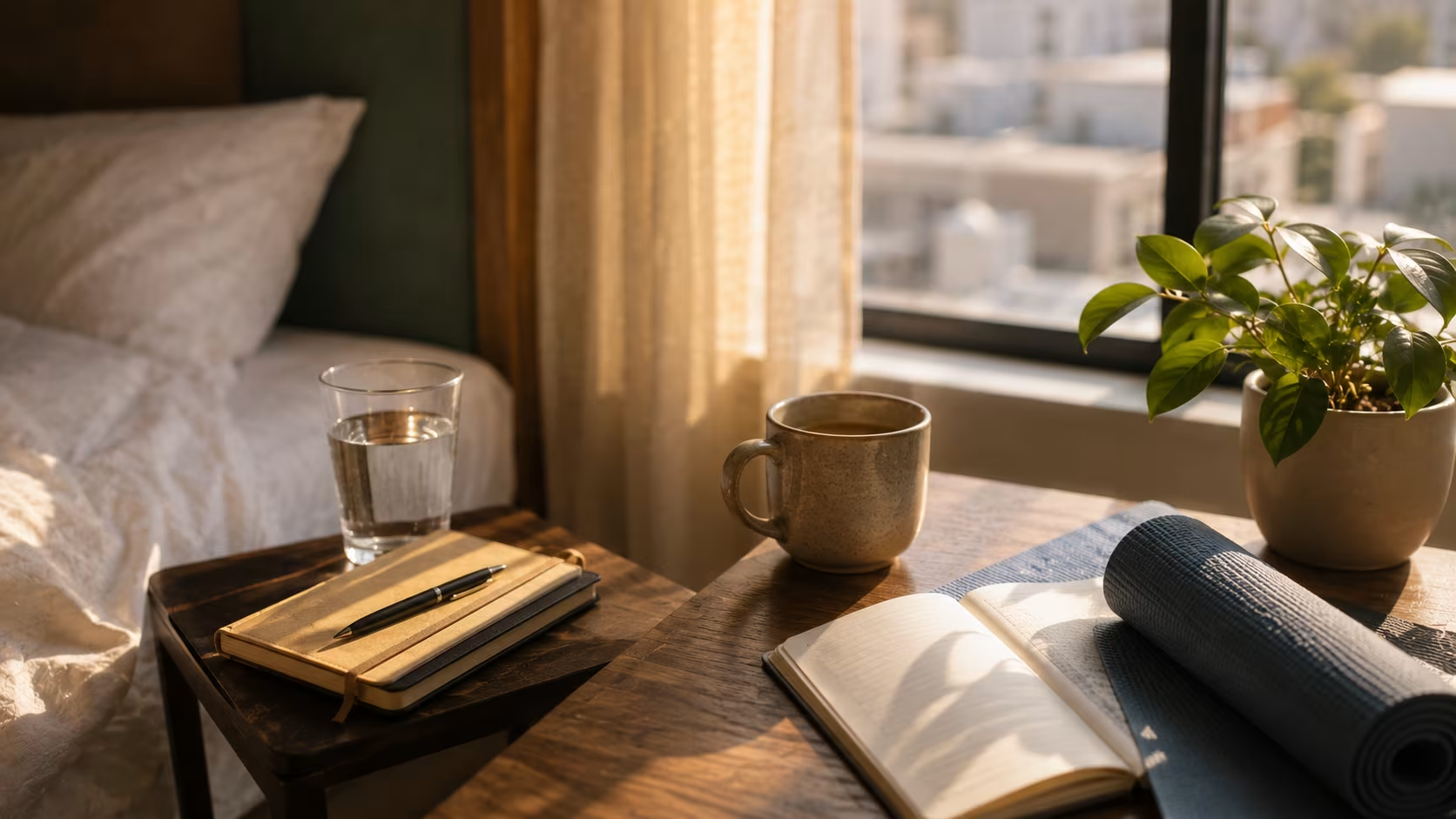
Exercise
At home: 60-min gym session 3-4×/week. On travel: 20-30 min daily; mix of walking, hotel-room work, occasional gym.
Specific tactics:
- Daily walk (built into sightseeing).
- Morning hotel-room routine — push-ups, squats, lunges, plank, 15-20 min.
- Afternoon stretch session.
- One "real workout" per week at a hotel gym or day-pass gym.
Not the same as your home routine; same overall stimulus.
Reading
At home: 1 hour daily. On travel: 30 min on plane + flights, 30 min at café/in bed.
Tactics:
- Kindle or app. Don't pack heavy books.
- Schedule reading time. Morning coffee or before-bed.
- Travel-themed reading. Books about the destination feel relevant.
Journaling
At home: Detailed evening journal. On travel: Morning bullet-journal of yesterday + today's intent. 5 min.
Tactics:
- Carry small notebook.
- Apple Notes / Day One for digital journaling.
- Photographic journal as alternative — daily photo + brief caption.
Healthy Eating
At home: Meal prep + planned diet. On travel: Different food but similar principles.
Tactics:
- Vegetables daily. Salads, vegetable sides, fruit.
- Protein at each meal.
- Limit alcohol. Especially during the day.
- Limit ultra-processed snacks.
- Pack a few protein bars for transit days.
- Apartment with kitchen for longer stays — cook some meals.
- Markets > tourist restaurants.
Coffee / Morning Ritual
At home: Specific brand, specific brewing method, specific timing. On travel: Same intent (calm morning ritual) at a different café.
Tactics:
- One specialty café you find at the destination — return daily for consistency.
- Hotel coffee as backup; not as good but functional.
- Maintain timing. Morning coffee at the same time each day, even if the location changes.
Meditation / Mindfulness
At home: 10-20 min daily app session. On travel: Same practice, different settings.
Tactics:
- Headspace, Calm, or Insight Timer apps work anywhere.
- Hotel room or quiet space at consistent time.
- Walking meditation — 15 min walking attentively.
- Beach/park sit-down session.
Pause Habits: Let These Slide
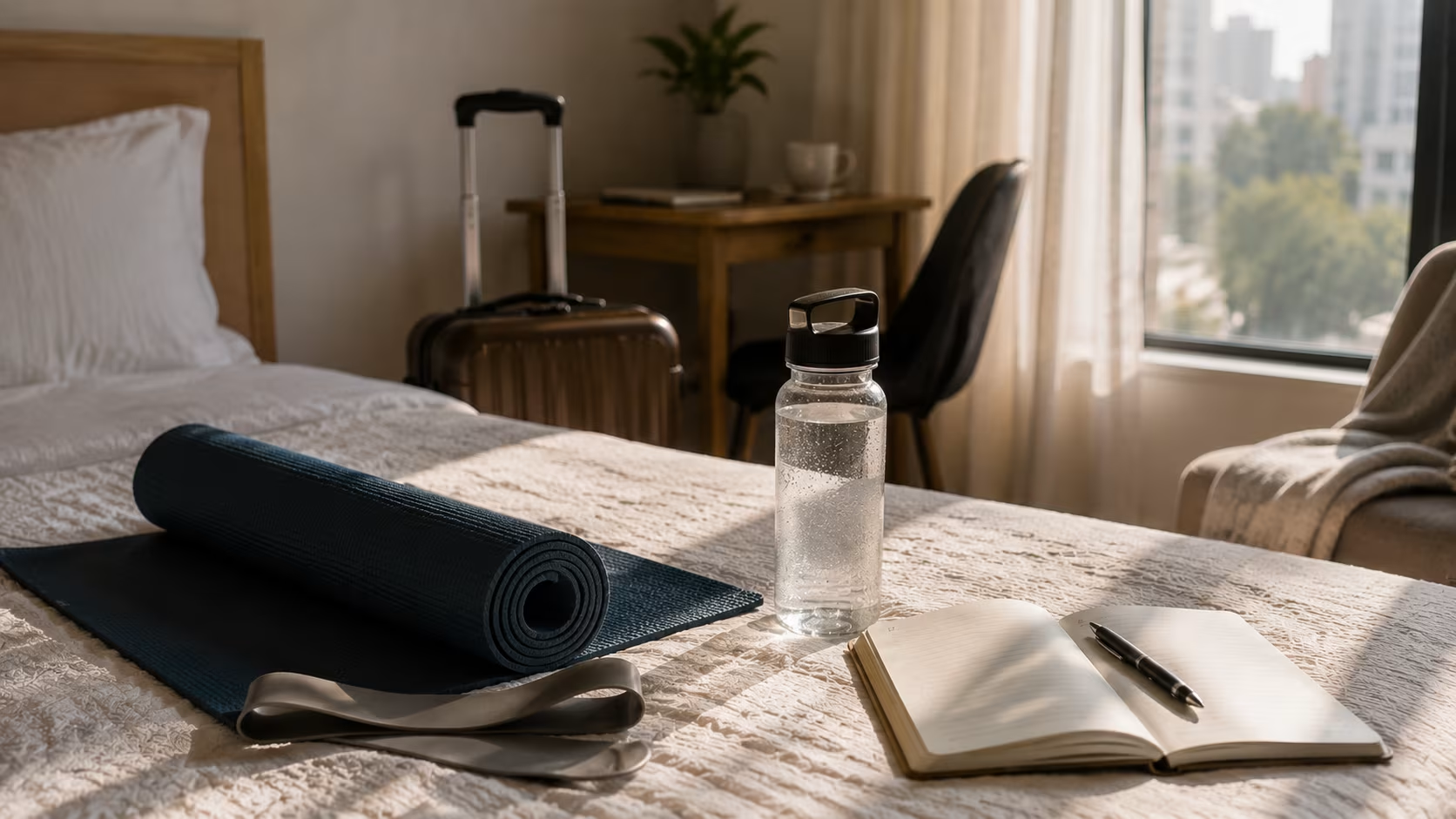
Not every habit needs to be maintained. Some specifically work because of home structure.
- Specific TV show evening watching. Watch when home; don't try to recreate.
- Daily checking specific apps/sites. Simplify.
- Pre-bed home rituals (dishwasher, specific drink, etc.) that don't translate.
- Specific gym workouts that need home equipment.
- Cooking + meal prep that doesn't fit hotel/apartment.
- Brand-specific products (specific shampoo, specific food, specific tea).
Letting these slide for trip duration is fine; trying to maintain them adds stress without benefit.
Specific Habit Categories
Sleep + Energy Management
- First night: worst, often (jet lag + travel exhaustion). Don't expect normal sleep.
- Day 1: push through to local bedtime; sleep hard.
- Day 2-3: establish a pattern.
- Day 4+: quality should approach normal levels.
- Day before travel home: start winding down.
Work + Productivity
If you're working remotely during travel:
- Defined work hours. Block 09:00-13:00 for example. Use them. Don't extend.
- Specific work environment. Coffee shop, coworking, apartment desk. Consistency helps.
- Communicate with team about hours. "I'm working 9-13 local time; available for X hours overlap."
- Avoid working from beach/poolside. It feels productive; quality is poor.
Eating + Drinking
- Breakfast. Don't skip. Hotel breakfast or café.
- Lunch. Real meal at predictable time.
- Dinner. Real meal; can be later than home.
- Snacks. Healthy options when possible (fruit, nuts).
- Alcohol. Limit during day; moderate at dinner.
Relationships + Communication
- Daily contact with partner/family (if relationship-significant).
- Weekly contact with home community.
- Voice/video calls when possible for partners + close family.
- Don't fall into total isolation even if traveling solo.
Habit Tools That Work on Travel
Apps
- Streaks (iOS) for habit tracking.
- Habitica for gamified tracking.
- Headspace / Calm for meditation.
- MyFitnessPal for food tracking.
- Strava for movement tracking.
- Day One for journaling.
Physical Tools
- Resistance bands (light, multi-use).
- Reusable water bottle.
- Notebook + pen for journaling.
- Eye mask + earplugs for sleep.
- Comfortable walking shoes (real difference for daily movement).
Schedule Anchors
- Wake time consistent.
- First meal within 1 hour of waking.
- Last meal at least 3 hours before bed.
- Bedtime within ±60 min of consistent target.
The schedule anchors handle 80% of habit maintenance.
Common Habit-Maintenance Mistakes
- Trying to maintain everything. The list is too long; collapse follows.
- Skipping all habits because "it's vacation." Total drop produces total degradation.
- Not modifying the form. Insisting on a 60-min gym workout that doesn't exist.
- Drinking heavily as default. Especially in vacation contexts.
- Not maintaining basic sleep. Cumulative debt wrecks late-trip experience.
- Skipping movement on travel days. Add walking; small amount counts.
- Forgetting medications. Real consequences.
- Using "I'll catch up at home" logic. Two weeks of bad habits aren't quickly recovered.
- Not packing habit-supporting items. Resistance bands, eye mask, journal.
- Letting work bleed into all day. Work is part of the trip; not all of it.
When Travel Habits Are Different
Vacation Travel (5-10 days)
More latitude. Daily movement, sleep, hydration are essential. Other habits more flexible.
Business Travel (3-7 days)
More structure required. Sleep + work hours non-negotiable. Hotel gym + healthy meal patterns help maintain professional energy.
Long-Term Slow Travel (3+ weeks)
More important to maintain habits. The longer the trip, the more cumulative habit drop hurts. Establish base patterns within first week.
Sabbatical Travel (3+ months)
Critical to maintain. Total habit collapse over 6 months is genuinely damaging. Anchor habits + adapted habits become the trip's foundation.
A Sample Travel-Day Routine
07:00. Wake. Open windows for natural light. 07:15. Hydrate. Brush teeth. 07:30. Outdoor walk for sunlight + movement (15 min). 07:45. Coffee at hotel café or nearby café. 08:15. Quick journal entry. 09:00. Hotel room workout or hotel gym (20 min). 10:00. Breakfast. 10:30. First activity of day.
[Day's activities]
14:00. Lunch. 16:00. Hotel break — quiet time, reading, journaling. 18:00. Aperitivo or pre-dinner drink (one). 19:30. Dinner. 22:00. Wind-down. No phone in bed. 22:30. Sleep.
The specific timing varies; the structure is what matters.
When You Fall Off
Travel includes setbacks. Multi-day food poisoning. Lost luggage. Bad sleep nights. Friction with travel partner.
Recovery tactics:
- Don't catastrophize. One bad day doesn't ruin the trip.
- Reset at the next anchor. Bad night → wake at normal time, get sun, move.
- Reduce ambition. Skip a planned activity if recovering.
- Communicate. Tell your travel companion when you need rest.
- Don't drink to fix it. Alcohol amplifies whatever's wrong.
Specific Travel Categories
Solo Travel
Habit maintenance is harder solo (no accountability) + easier (no negotiation). Build in daily contact with home as anchor.
Couple Travel
Habit alignment is the friction point. One partner wants morning gym; the other wants slow morning. Compromise: pre-trip agreement on each morning's structure.
Family Travel
Habits revolve around children's needs. Adult habits compress; sleep especially is reduced. Plan acceptance.
Adventure Travel
Daily movement is built in; food + sleep are challenged. Eat enough; sleep when possible.
Final Notes
Maintaining habits on travel isn't about discipline; it's about choosing which to maintain + accepting which to drop. The travelers who arrive home recovered + ready to resume normal life are the ones who maintained their anchor habits + adapted (rather than abandoned) their flexible ones.
The single best advice: maintain your sleep schedule + daily movement + hydration. These three handle 80% of physical functioning. Everything else is secondary.
The second-best: have one daily anchor activity that matches what you'd do at home — morning coffee at a café, evening journal, midday walk. The continuity provides psychological stability across changing destinations.
The quietest piece of advice: travel disrupts patterns deliberately. Some of the disruption is the value — you discover which habits are real (the ones you maintain anywhere) versus which were habits of your specific home environment (which collapse on travel and don't return when you come back). Long trips reveal which routines were genuinely supporting you + which were filling time. The travelers who pay attention come home with a clearer sense of which habits to invest in + which to drop.

0 Comments
No comments yet — start the conversation.