

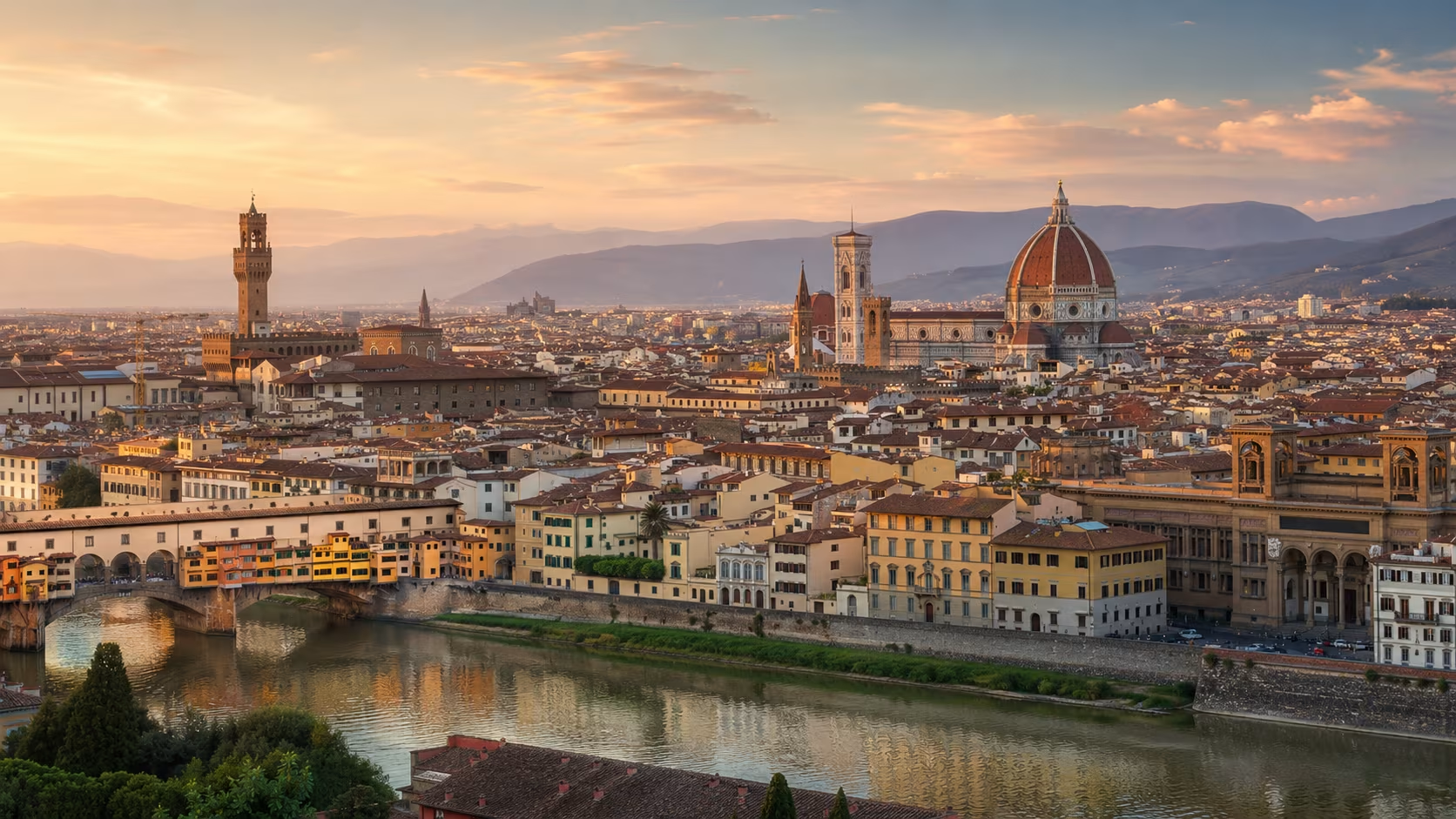
Florence is the densest art city in the world. The 1.5 km × 1 km historic center contains more Renaissance masterpieces than any equivalent area on the planet: Michelangelo's David, Botticelli's Birth of Venus, the Uffizi collection, the Duomo, the bronze doors of the Baptistery, the Medici Chapels, the entire Brunelleschi-engineered architectural revolution. Walking 200 meters in central Florence takes you past more globally important art than walking 5 km in most cities.
This is also the city's challenge for first-time visitors: density of significance can become exhausting. The traveler who tries to see every museum, every church, every Brunelleschi structure in 3 days arrives home with a memory of queues, crowds, and aching feet. The better trip respects the city's actual scale and the simple fact that great art rewards attention paid to fewer pieces.
This is a 4-day guide for first-time visitors who want the headline Renaissance experiences plus enough off-museum time to actually feel the city.
Quick Facts
| Item | Detail |
|---|---|
| Country | Italy |
| Currency | Euro (€) |
| Language | Italian; English in tourist areas |
| Time zone | CET (UTC+1) / CEST (UTC+2) |
| Tourist tax | €4–8 per person/night by hotel category (Florence levy) |
| Best time | April–early June, mid-September–October |
| Visa | Schengen, 90 days for most non-EU |
| Trip length | 3–4 days |
When to Go
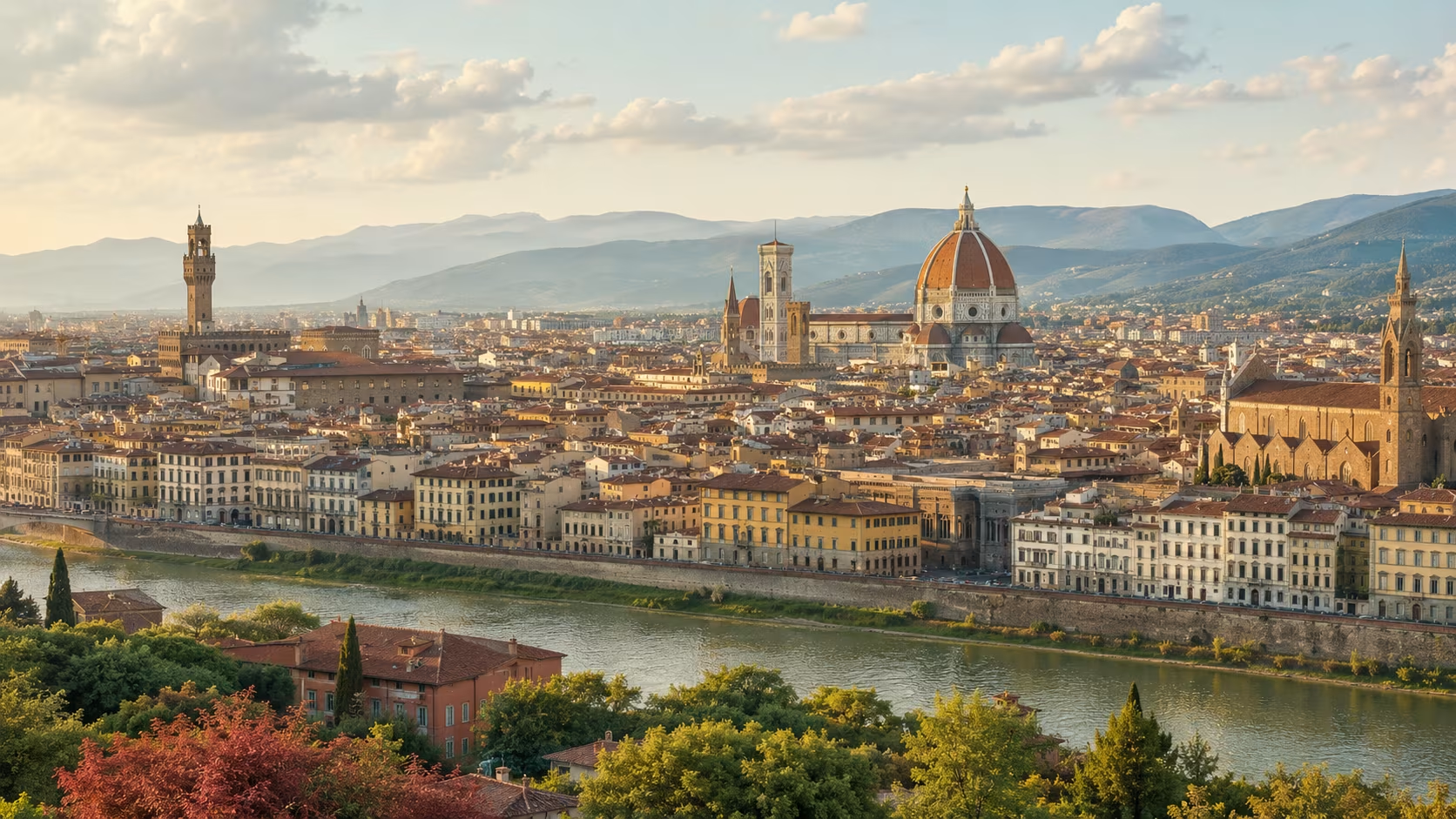
April to early June. The sweet spot. Highs 17–25°C, gardens flowering, evening light extends, tourist crowds heavy but manageable.
Mid-September to October. The other prime window. Schools resumed, autumn light excellent, tourist density drops sharply after early September.
June to August. Hot (often 32–38°C), tourist-dense beyond comfort. Days are long but the heat from radiating stone makes mid-day Florence punishing.
November to March. Cool (5–12°C), occasional rain. The galleries are emptier; queues drop dramatically. The 2026 Christmas markets in Piazza Santa Croce are the seasonal highlight.
Avoid
- Easter Week for some museum closures and packed restaurants.
- Mid-July to mid-August for the heat-and-crowd combination.
- September Fashion Week if visiting for non-fashion reasons (hotel prices).
- June 24 (Florence's patron saint day, Calcio Storico final, San Giovanni festival), a beautiful local event but extremely crowded.
Getting in
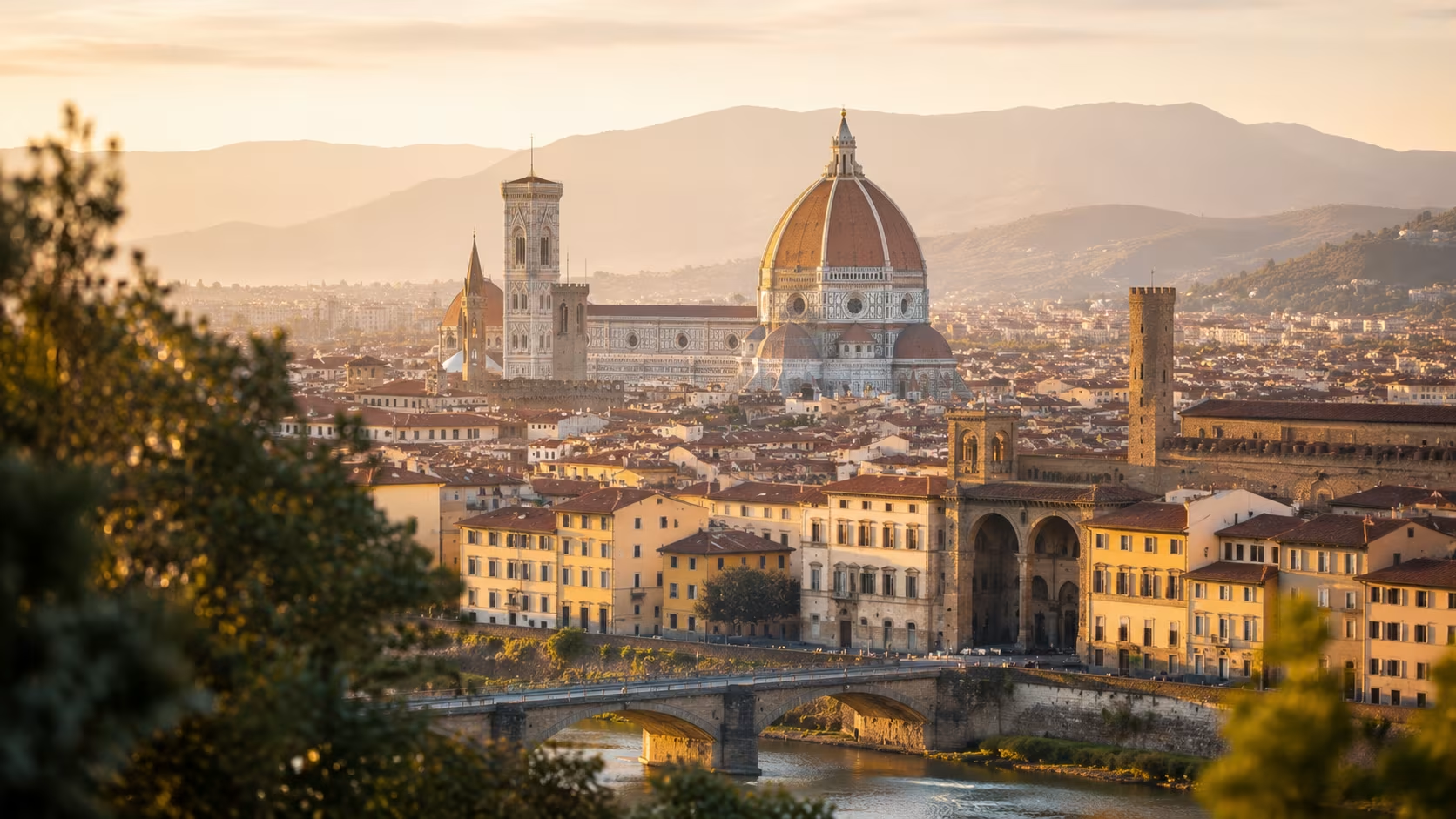
Florence Airport (FLR / Peretola). 5 km northwest of the city. Small airport; international flights mostly from Europe.
From FLR
- Tram T2: €1.70, 25 min to Santa Maria Novella station.
- Taxi: €25–35 to most central destinations.
- Uber Black: €30–45 (Uber X not operational in Italy).
Pisa Airport (PSA). 75 km west. More international flights; cheaper fares often. Train to Florence: 1 hour, €15–22 round-trip.
Florence is also a major rail hub. Trains from Rome: 1h 30min by Frecciarossa, €30–80.
Getting Around
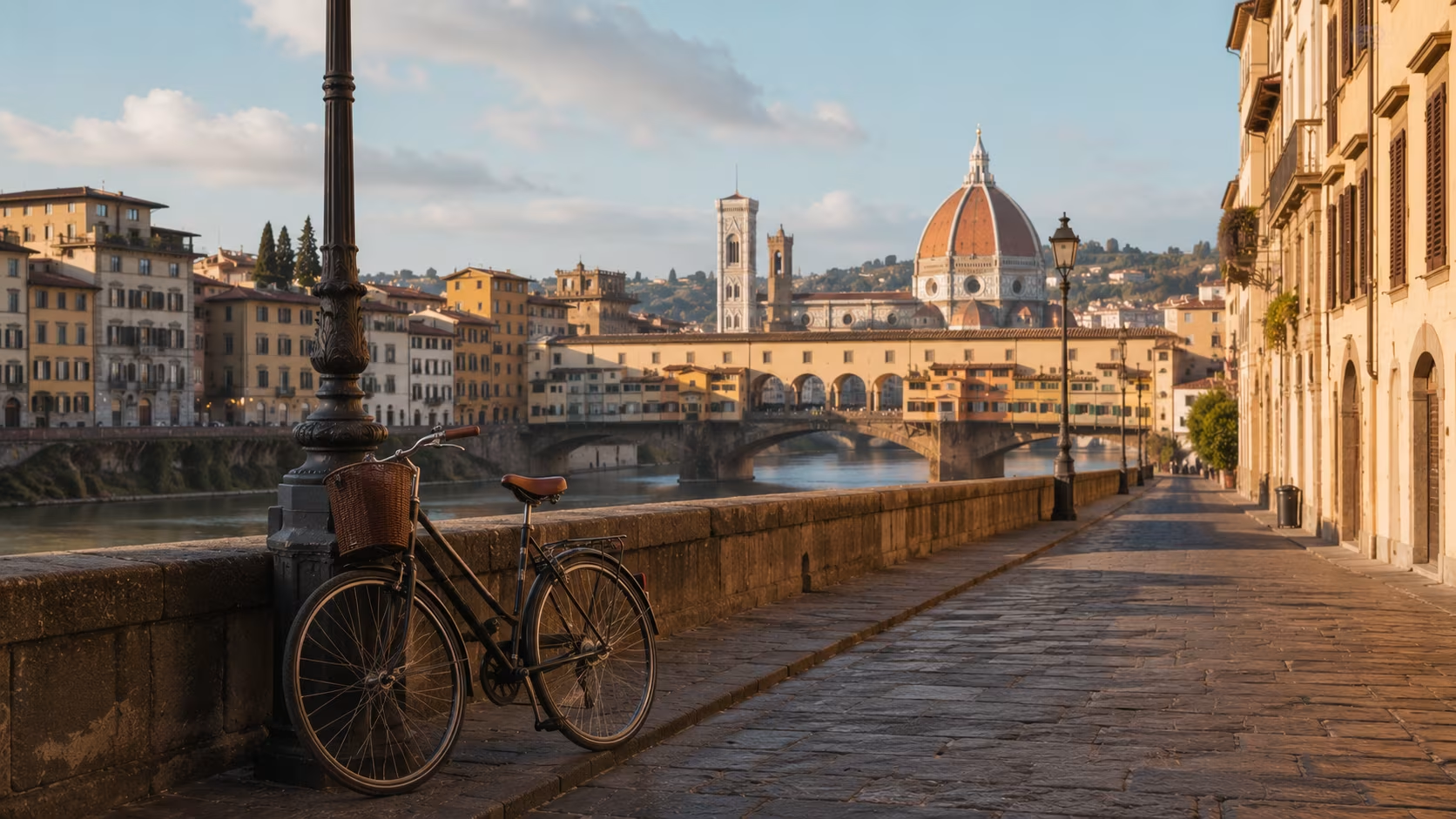
Florence's historic center is small enough that walking handles most of what you came to see.
Walking
The center is roughly 1.5 km × 1 km. Most major sights are within 10–15 minutes walking. Comfortable walking shoes are essential: the cobblestoned streets are charming and tiring.
Bus + Tram
ATAF buses cover the city. Tram T1 + T2 mostly go between airport, station, and outer neighborhoods. Single ride €1.70; 90-minute pass.
Bicycle
Flat city, easy to bike. Shared bikes are growing; rentals available at €3–5/hour, €15–25/day.
Taxi
No Uber X. Use the city's official taxi app or hail at taxi ranks. €1.20/km. Most central trips €8–15.
Where to Stay
Florence's neighborhoods feel different even at this small scale.
Centro Storico (around Piazza Del Duomo)
Within 5 minutes of the Duomo. Tourist density at peak. Boutique hotels in restored palazzi. Premium pricing.
San Lorenzo / San Marco
North of the Duomo. Slightly less central but still walking distance to everything. Mix of boutique and mid-range hotels. The famous Mercato Centrale is here.
Santa Croce
East of the Duomo. Around the famous basilica. More residential character; fewer tourists. Good restaurant scene.
Oltrarno ("other Side of the Arno")
The quieter, artisan-workshop side of the river. Boboli Gardens, Pitti Palace, Piazzale Michelangelo. Walking distance via Ponte Vecchio. Best for second-time visitors and travelers who want a calmer base.
San Frediano
Western Oltrarno. Most local-feeling neighborhood in central Florence. Indie shops, working-class trattorias, less English-language signage.
Avoid as a Base
- Far suburbs (Sesto Fiorentino, etc.), too far for a 4-day trip.
- Around Santa Maria Novella station only: convenient for trains, less for sightseeing.
Realistic 2026 Nightly Prices (4-star, Weekday, Shoulder)
| Neighborhood | Mid-range | Higher-end |
|---|---|---|
| Centro / Duomo | €240–380 | €500–1,200 |
| San Lorenzo | €200–320 | €420–800 |
| Santa Croce | €180–280 | €380–700 |
| Oltrarno | €170–270 | €350–650 |
| San Frediano | €140–230 | €290–550 |
What to Book in Advance
Florence has stricter advance-booking requirements than most cities. Skipping this step means hours in queues.
Uffizi Gallery
The headline Renaissance art museum. €25 (March–October), €12 off-season. Book months ahead for the date you want; Uffizi sells out 2–4 weeks ahead in summer. The 08:15 first-entry slot has 70% fewer crowds than 11:00. Allow 4 hours minimum.
Reserve at b-ticket.com (the official platform) or uffizi.it. Skip third-party tour resellers; they typically mark up the same ticket.
Accademia Gallery
The museum housing Michelangelo's David. €16. Book 2–4 weeks ahead. Allow 90 minutes: the David + the slave statues + the Florentine paintings is the full visit.
Duomo Pass
Climbing Brunelleschi's Dome requires advance reservation specifically for the dome climb. The combined Duomo Pass (€30) covers:
- Cathedral of Santa Maria del Fiore (the church itself, free entry but bookable for cathedral)
- Brunelleschi's Dome climb (timed slot mandatory)
- Giotto's Bell Tower
- The Baptistery
- The Crypt
- The Cathedral Museum (Museo dell'Opera del Duomo)
The dome climb specifically books out 4–8 weeks ahead in peak season. The 463-step climb is steep; not for those with claustrophobia.
Ponte Vecchio Walk
No booking required. Best at sunrise or sunset for fewer crowds.
Boboli Gardens + Pitti Palace
€16 combined ticket. Walk-up usually fine; book online to skip the queue in summer. Allow 2.5 hours.
Bargello Museum
Michelangelo's lesser-known sculptures + Donatello's David. €11. Walk-up usually fine. Allow 90 minutes.
Palazzo Vecchio
The former civic palace, with Vasari's frescoes and the secret rooms tour (€20 + €10 secret rooms). Walk-up usually works.
Day 1 — the Duomo Cluster
08:00. Coffee at a Centro café. Ditta Artigianale (multiple locations). Caffè Gilli (since 1733, in Piazza della Repubblica). La Ménagère for casual.
09:00. Cathedral of Santa Maria del Fiore (Duomo). Free entry to the cathedral itself (queue 30 min in summer; arrive at opening 10:15 most days, earlier on weekdays). The interior is sparse compared to its dazzling exterior; the building is the experience.
10:00. Brunelleschi's Dome (booked, with Duomo Pass). 463 steps; the climb passes between two domes (the inner shell and the outer shell that Brunelleschi engineered to support each other). The fresco of the Last Judgment by Vasari is visible up close from inside the dome. Allow 90 minutes including queue.
12:00. Baptistery of San Giovanni. Free with Duomo Pass. Ghiberti's bronze doors (the "Gates of Paradise" replica on the building; originals in the Cathedral Museum) and the 13th-century mosaic ceiling.
12:30. Lunch in Centro. All'Antico Vinaio (the famous sandwich shop, walk-up, queues 15–30 min). La Casa del Vin Santo for casual sit-down. Trattoria Sostanza for traditional Florentine.
14:30. Cathedral Museum (Museo dell'Opera del Duomo). Includes Ghiberti's original Gates of Paradise + Michelangelo's Bandini Pietà. Allow 90 minutes.
16:30. Walk to Piazza della Signoria. The civic square. Loggia dei Lanzi (free outdoor sculpture gallery, including Cellini's Perseus with the Head of Medusa).
17:30. Palazzo Vecchio (€20). Vasari's monumental Salone dei Cinquecento; the fresco-covered interiors. Allow 90 minutes.
19:30. Aperitivo. Caffè Rivoire in Piazza della Signoria (terrace with Palazzo Vecchio view). La Ménagère for cocktails. Manifattura for casual.
20:30. Dinner. Trattoria Sostanza for traditional bistecca alla fiorentina. Trattoria Mario (working-class lunch institution, but evenings open seasonally). Coquinarius for casual modern. Enoteca Pinchiorri for 3-Michelin-star.
Day 2 — Uffizi Day
The day to see the Uffizi properly.
08:00. Coffee.
08:15. Uffizi Gallery (booked, first-entry slot). Allow 4 hours minimum. The headlines:
- Botticelli rooms (Birth of Venus, Primavera, Madonna of the Magnificat, Adoration of the Magi).
- Leonardo da Vinci room (Annunciation, Adoration of the Magi).
- Michelangelo room (Doni Tondo).
- Caravaggio rooms (Bacchus, Medusa).
- Raphael room.
- Titian and Veronese rooms.
- Caravaggio works.
Don't try to see everything. Pick 8–12 rooms that interest you most; spend real time at each. Skim the rest.
12:30. Lunch. All'Antico Vinaio mentioned. Trattoria Da Ginone (San Frediano, locals' choice). Buca Lapi (since 1880, the institution).
14:30. Walk Ponte Vecchio. The medieval bridge with goldsmith shops, since the 14th century. Crowded but iconic.
15:30. Bargello National Museum. Donatello's David (the bronze, the first nude bronze sculpture since classical antiquity), Michelangelo's Bacchus, and lesser-shown Renaissance sculpture. €11. Allow 90 minutes.
17:30. Walk to Santa Croce. The basilica (€10) holds tombs of Michelangelo, Galileo, Machiavelli, Rossini. The Pazzi Chapel by Brunelleschi is in the cloister. Allow 90 minutes including the cloisters.
19:30. Aperitivo at a Santa Croce café. The Caffè dell'Oro for a place locals actually drink at.
20:30. Dinner. L'Osteria di Giovanni. Trattoria Cibrèo. Cibreo (the upscale fine-dining version of the same name).
Day 3 — Accademia and Oltrarno
08:00. Coffee.
08:30. Accademia Gallery (booked, early slot). Allow 90 minutes. Michelangelo's David is the headline, but the slave statues (the unfinished Prisoners) and the Florentine paintings are equally important.
10:30. Walk through Piazza San Marco (with the Museum of San Marco and Fra Angelico's frescoes, €8) or skip directly to:
11:00. Mercato Centrale (San Lorenzo). The historic indoor market. The ground floor is the working-class market (fresh meat, vegetables, cheese, fish). The second floor is the gourmet food court: multiple casual lunch counters.
12:30. Lunch at the Mercato Centrale upper floor.
14:00. Medici Chapels at San Lorenzo (€9). Michelangelo's New Sacristy, including the figure of Lorenzo de' Medici and the iconic Day-Night-Dawn-Dusk sculptures. Allow 60 minutes.
15:30. Walk across Ponte Vecchio to Oltrarno. Take Via Maggio.
16:00. Pitti Palace + Boboli Gardens (€16 combined). The 16th-century Medici palace; multiple museum galleries inside. Boboli Gardens are extensive; allow 90 minutes for the gardens alone.
18:30. Walk through Oltrarno's San Frediano neighborhood. Artisan workshops still in operation (leather, bookbinding, restoration). The streets feel different from Centro.
19:30. Piazzale Michelangelo for sunset. The hilltop terrace south of the city, accessible by a 20-minute uphill walk or bus 12 / 13. The panoramic view of the Duomo and the Arno is the city's iconic photograph spot.
21:00. Dinner in Oltrarno. Il Santo Bevitore (modern Tuscan). Trattoria Cammillo (traditional). Gucci Osteria (1-Michelin-star, at the Gucci Garden in Piazza della Signoria).
Day 4 — Choose: Day Trip, Slow City Day, or Cooking Class
Path a — Siena Day Trip
70 km south. Medieval-walled city; UNESCO World Heritage. The Piazza del Campo (the famous shell-shaped sloping square; the Palio horse race July 2 + August 16). The Duomo, Torre del Mangia, and the Pinacoteca art gallery.
Train or bus. Bus is faster (1h 15min, €9) than train (90 min, €11). Allow 6 hours on the ground.
Path B — Pisa + Lucca Day Trip
Pisa (1 hour by train, €11). The Leaning Tower and the Field of Miracles. 90 minutes is enough.
Lucca (1.5 hours from Pisa or Florence). The walled city, walkable Renaissance streets, and the famous bicycle ride along the city walls. 3 hours.
Combined day trip (Florence → Pisa → Lucca → Florence) is workable.
Path C — Cooking Class
Multiple operators. Half-day with market shopping and lunch: €90–180 per person. Tuscany Bites, Florence Cooking School, In Tavola.
Path D — Slow Florence Day
Morning at a smaller museum: Museo Galileo (the Galileo science museum, €13), Stibbert Museum (eccentric private collection, €10), or Museo Marino Marini (modern art).
Afternoon at Forte di Belvedere (free in season; the hilltop fortress with panoramic city views).
Evening at a wine bar: Le Volpi e l'Uva (Oltrarno), Casa del Vino (Centro).
Path E — Chianti / Tuscany Wine Day
Day trip with driver to 2–3 wineries in the Chianti region. €100–200 per person depending on operator.
What to Eat
Tuscan cuisine is the simple-ingredient tradition that defines much of "Italian food" in the global imagination. Florentine specialties:
Headline Dishes
| Dish | What it is |
|---|---|
| Bistecca alla Fiorentina | Thick-cut grilled T-bone steak from Chianina cattle. Cooked rare; salt and olive oil only. The Florentine signature. ~€60–100 per kg. |
| Ribollita | "Reboiled": a thick vegetable-bean soup with stale bread. The classic peasant winter dish. |
| Pappa al pomodoro | Tomato-bread soup. Summer version. |
| Lampredotto | Slow-cooked tripe sandwich. Florence's working-class street food. |
| Pici | Hand-rolled thick spaghetti. Specifically Tuscan. |
| Cinghiale | Wild boar: pasta sauce, stew, sausage. Tuscan-Apennine. |
| Cantucci | Almond biscotti, dipped in Vin Santo dessert wine. |
| Schiacciata | Florentine flatbread, similar to focaccia. All'Antico Vinaio uses it for sandwiches. |
| Pappardelle al cinghiale | Wide pasta ribbons with wild boar ragù. |
| Crostini di fegatini | Chicken liver pâté on toast. Standard Tuscan starter. |
| Tiramisu | The famous coffee-and-mascarpone dessert. Tuscan claim contested with Veneto. |
| Vin Santo | "Holy wine": sweet dessert wine, paired with cantucci. |
Where to Eat
Traditional Trattorias
- Trattoria Sostanza (the institution since 1869).
- Trattoria Mario (working-class lunch only).
- Trattoria Cammillo (traditional Tuscan).
- Coco Lezzone (1875, the institution).
- Buca Lapi (since 1880, basement-level fare).
- Il Santo Bevitore (modern Tuscan in Oltrarno).
Modern Florentine
- Cibrèo (the original)
- Cibrèo Trattoria (the casual version)
- Enoteca Pinchiorri (3-Michelin-star)
- Gucci Osteria (1-star)
- Borgo San Jacopo (Lungarno Hotel, 1-star)
Working-Class / Street
- All'Antico Vinaio (sandwiches)
- Da'Vinattieri (lampredotto)
- L'Antico Trippaio (lampredotto food cart)
- Mercato Centrale upper floor
Costs and Budget
2026 daily budgets per person, excluding flights and hotel:
| Style | Per day | Notes |
|---|---|---|
| Backpacker | €70–100 | Hostel, working-class lunches, walking |
| Mid-range | €130–200 | Mix of casual and proper restaurants, museums, wine |
| Comfortable | €240–360 | Better restaurants, day trip, premium wine, taxis |
| Higher-end | €500+ | Tasting menus, private guide, luxury hotel breakfasts |
Practical Info
- Cards. Universal. Some smaller working-class spots cash-only.
- Tipping. Service usually included (coperto + servizio). 5–10% for very good service, told to the server when paying.
- Coperto. The cover charge (€1–4 per person) is legitimate and standard. Higher charges (€10+) are tourist gouging.
- English. Common in Centro tourism. Less in residential and rural neighborhoods.
- Sunday. Most museums open. Many shops closed except in tourist zones.
- Pickpocketing. Real near major sights and on busy buses. Standard precautions.
- Heat. Summer afternoons brutal. Schedule heat breaks.
- Cobbled streets. Comfortable shoes essential.
- ZTL zones. Restricted-traffic zones with automatic camera fines. If renting a car, drop it before entering the city center.
- The bistecca rule. Real bistecca alla fiorentina is served rare; ordering it well-done is genuinely insulting at most trattorias. If you don't want rare meat, order something else.
Common First-Timer Mistakes
- Skipping advance booking. Walk-up at the Uffizi means 90+ minutes in queue. The Accademia same. The Duomo dome impossible.
- Trying to see all the museums. 5+ museums in one day is exhausting and reduces quality of attention.
- Eating only on the Ponte Vecchio side. Tourist factories. Walk to Oltrarno; quality jumps.
- Visiting in mid-day August. Heat-and-crowds peak together; the city becomes punishing.
- Eating bistecca well-done. It's not the dish.
- Buying a fake Michelangelo's David replica T-shirt at the Accademia gift shop. Buy at a smaller shop in Oltrarno; better prices, less mass-tourist energy.
- Trying to do Florence + Rome + Venice in 5 days. Either pick one city or extend the trip.
- Photographing inside the Uffizi or Accademia. Allowed in some rooms but heavily restricted; check posted signs and don't use flash.
- Skipping Oltrarno. It's the city's calmer, more atmospheric side.
- Trying to climb the Dome and Bell Tower the same day. 463 steps + 414 steps = 877 stairs. Spread across two days.
Final Notes
Four days in Florence is the right length for a focused first visit. One Duomo cluster day, one Uffizi day, one Accademia + Oltrarno day, one day trip or slow city day.
The quietest piece of advice: pick one painting in the Uffizi and spend 20 minutes with it. Not 5; twenty. Sit on the bench across from it. Watch what other people do. Watch what you notice that you missed in the first 5 minutes. Renaissance art was made for sustained looking; the modern museum-tour pace of 90 seconds per painting is anti-art. The Florence that stays with you is the painting you took time to actually see. Pick Birth of Venus, or Botticelli's Primavera, or any Caravaggio. Sit. Look. The reward is real.
0 Comments
No comments yet — start the conversation.