

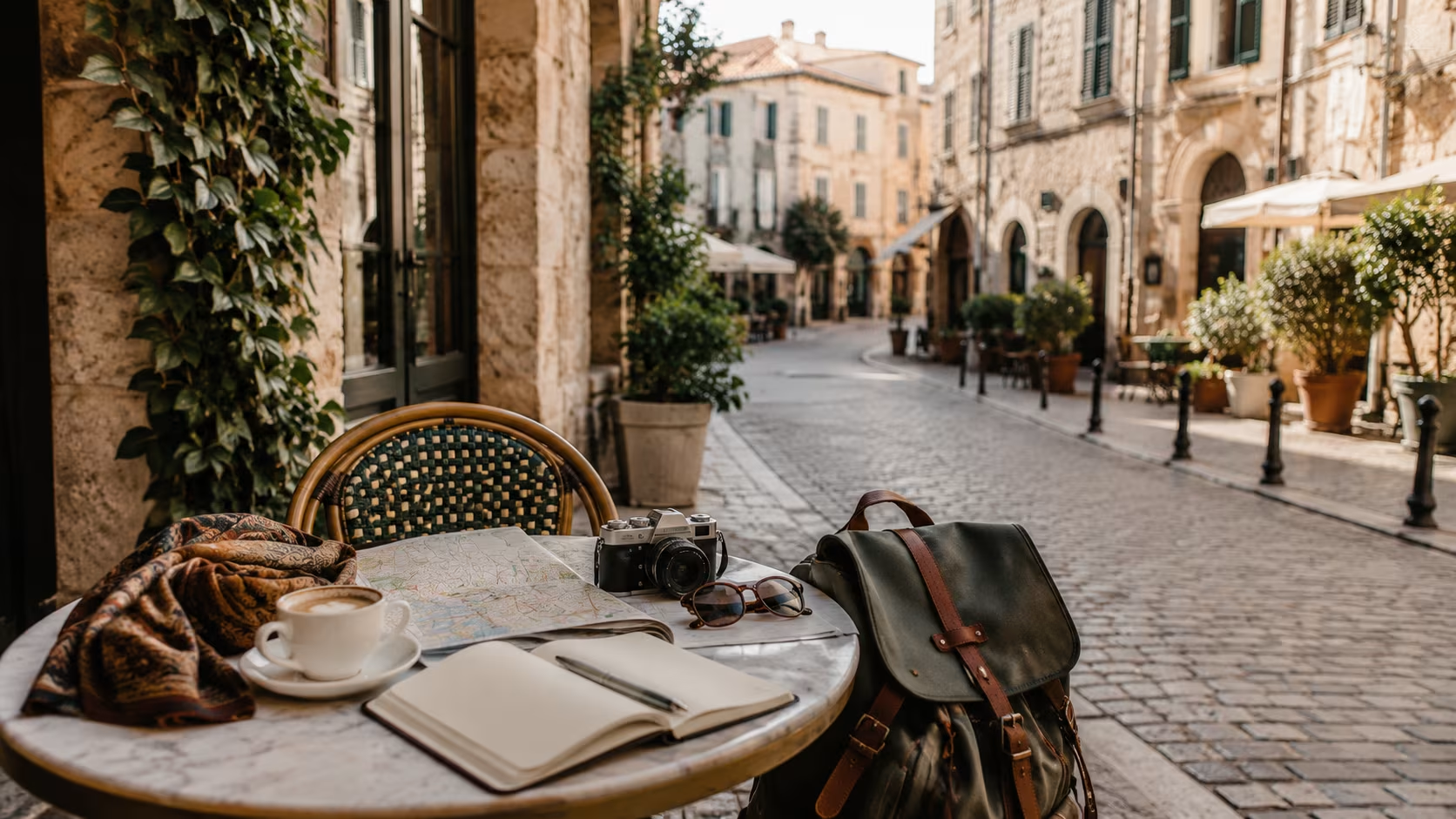
Solo travel is a different experience from group or couples travel: not better, not worse, but genuinely distinct. The mistakes first-time solo travelers make are predictable: choosing destinations that punish solitude, overscheduling to fight loneliness, eating dinners on a phone in lieu of conversation, and either being too cautious or too reckless about safety because there's no second person to calibrate against.
This is a 2026 guide for someone planning a first solo trip, or for someone whose first solo trip was awkward and wants the second one to be different. The advice is organized around what actually matters: destination selection, safety, mental health, food, money, and the rare-but-real situations where being alone changes the math.
Why Solo Travel is Different
Three mechanics shift when you're alone:
- Decision speed. Every choice is yours alone. Liberating; also exhausting.
- Conversation default. No built-in companion. You either accept solitude as a feature or you make effort to find conversation.
- Risk-and-reward calculus. No backup; no second opinion; no one to share the bill or the rental car driving.
None of these are problems by definition. They become problems when first-time solo travelers don't anticipate them.
Choosing the Right Destination
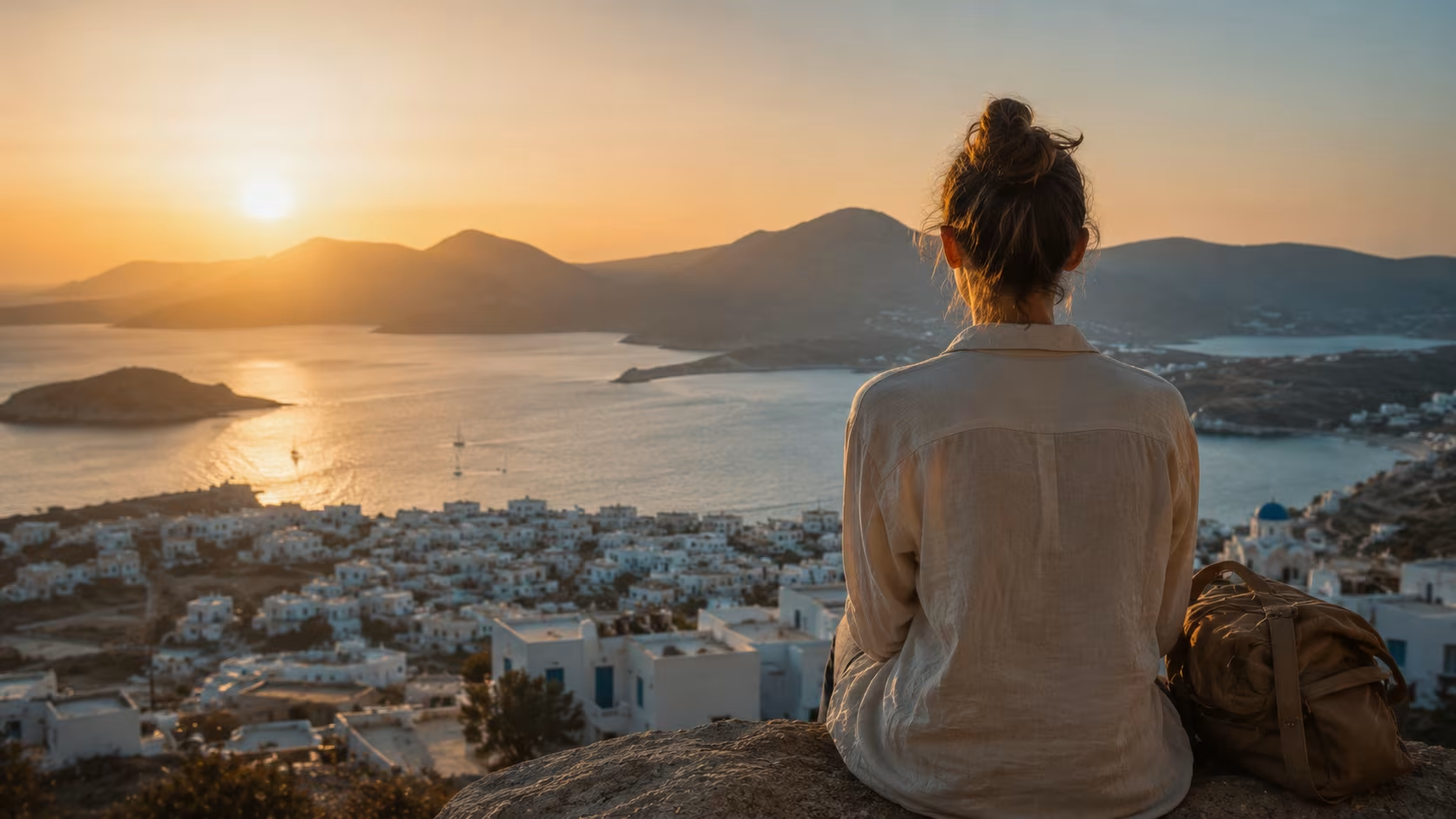
Not every destination is solo-friendly. Some are excellent; some are surprisingly hard.
Solo-Friendly Destinations
Why They Work
Strong solo-traveler infrastructure (hostels with social spaces, communal dinners, guided tours, café cultures, walkable cities, English-friendly), low risk of harassment, accepted dining-alone culture.
| Destination | Why it works |
|---|---|
| Japan | Solo dining is normal; safe; clear public transit; strong solo-traveler infrastructure |
| South Korea | Solo culture (called "honjok") is mainstream; cafés and restaurants designed for it |
| Lisbon | Walkable, café-dense, English-friendly, large international solo community |
| Mexico City | Solo-friendly cafés, museums, walkable neighborhoods (Roma Norte, Condesa) |
| Berlin | Open social culture, multiple languages welcome, late-night solo dining acceptable |
| Amsterdam | English universal, safe, walkable, café-bar culture |
| Stockholm/Copenhagen | Northern European reserve makes solo dining genuinely normal |
| Singapore | Hawker centers normalize solo dining; safe; English-first |
| Buenos Aires | Steakhouses fine for solo; parrillas welcome solo diners; café culture |
| Vienna | Coffee-house culture explicitly designed for solo readers; quiet welcome |
Solo-Trickier Destinations
Why They're Tougher
Smaller restaurants without solo-friendly seating, group-dining cultures, more harassment, language barriers, less infrastructure.
| Destination | Why it's tougher |
|---|---|
| Rural Italy | Strong family-meal culture; solo dinner can feel unusual |
| Greek islands | Couple-and-family vacation territory |
| Dubai | Limited walking culture; some restaurants designed for groups |
| Egypt | Solo women travelers face more harassment; safety considerations |
| Indian rural areas | Heavy curiosity about solo women travelers |
| Some Middle Eastern destinations | Conservative culture re: solo women dining |
Solo-Hostile (difficult)
Not impossible, but require more work:
- Cruise ships: couples and families dominate; single-supplement fees common.
- All-inclusive resorts: same.
- Some adventure tours: group dynamics complex.
Best for First-Time Solo
If this is your first solo trip:
- Choose a city, not a remote destination.
- Choose a country with strong English (or your native language) presence.
- Choose a place with established solo-traveler infrastructure (hostels, walking tours, expat scenes).
- Choose 4–10 days for a first solo trip; not 3 weeks.
Strong first-solo Picks
Lisbon, Tokyo, Mexico City, Singapore, Edinburgh, Copenhagen, Buenos Aires, Vienna.
Safety on the Road
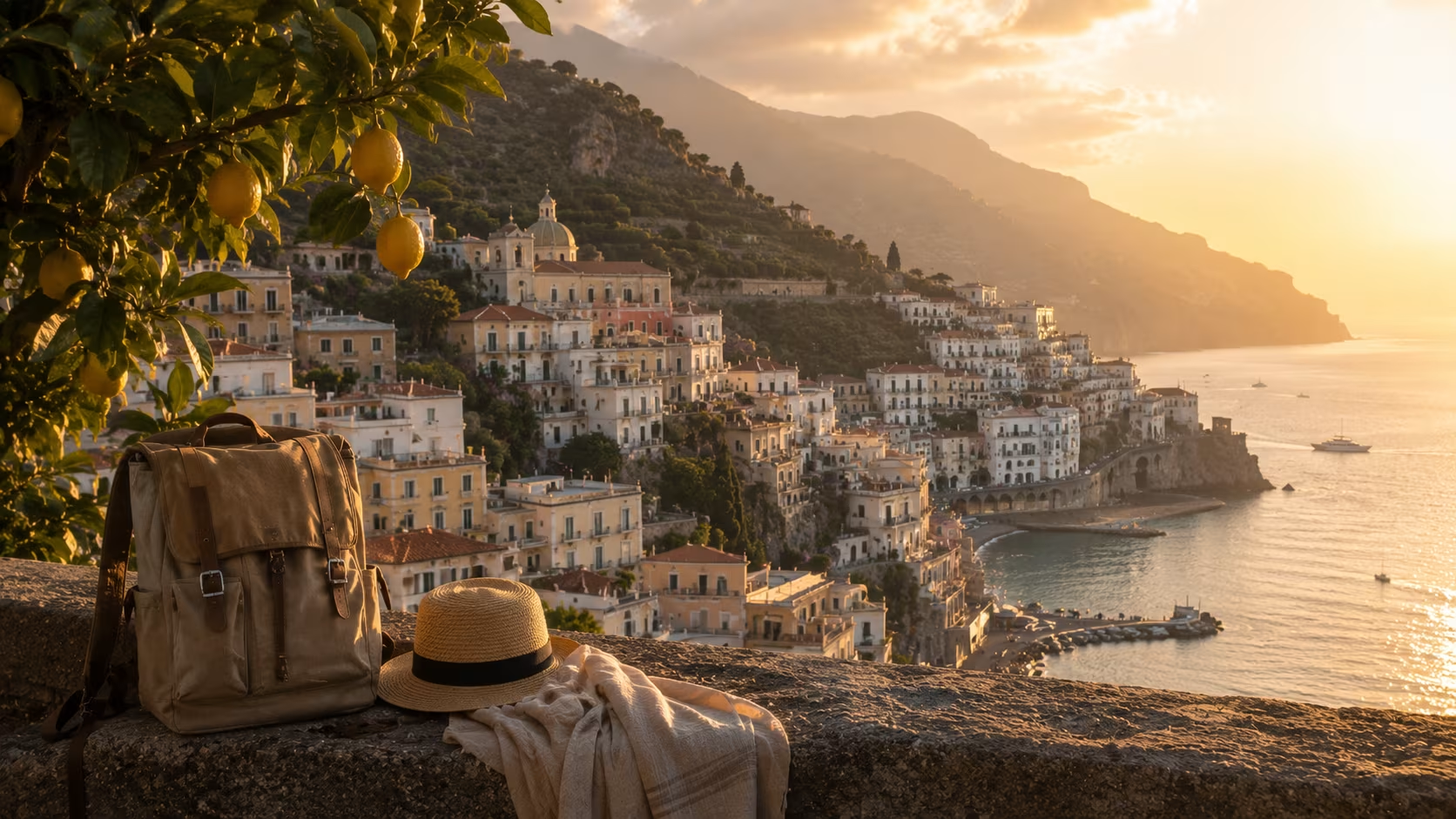
Solo travel safety is real but not catastrophic. The vast majority of solo trips conclude without incident. The travelers who get this right are systematic about a few specific things.
Pre-Trip
- Share itinerary with someone at home. Update if plans change.
- Photograph passport and important documents; cloud-store photos.
- Save embassy contact in phone notes.
- Travel insurance: non-negotiable for solo travel. Cover medical evacuation.
- Backup payment method: two cards in different bags.
- A small day bag that can be locked or hidden in apartment.
On the Road
- Keep phone charged. Power bank in day bag.
- Tell someone your daily plan: even a brief WhatsApp "Going to X today" to a friend.
- Trust intuition about strangers. If something feels off, leave the situation.
- Take cabs to/from late-night activities instead of walking unfamiliar streets.
- Watch your drinks in bars; never accept open drinks from strangers.
- Lock valuables when leaving accommodation; use the safe.
Specific Risks for Different Demographics
Solo Women Travelers
- Harassment risk varies enormously by destination. Research before going.
- Conservative dress in conservative regions (Middle East, India, North Africa) reduces unwanted attention.
- Couple's-ring trick: wearing a wedding ring (real or fake) reduces unwanted attention in some cultures.
- Avoid solo walking in poorly-lit areas at night.
- The "taxi straight from the airport at night" rule is universal.
Solo Male Travelers
- Generally face less harassment but more property crime targeting.
- Drinking-alone-in-bar scenarios are higher-risk for spiked drinks.
- Sex-tourism scams (where they exist) target solo men; common in some Southeast Asian and Eastern European destinations.
Solo Travelers Age 50+
- Often safer than younger travelers (less perceived as targets).
- Solo dining culturally acceptable in most destinations at this demographic.
- Bigger consideration: medical issues abroad. Travel insurance with strong evacuation coverage.
Solo LGBTQ+ Travelers
- Research destination openness before travel. Some destinations are openly safe; some have laws (or social hostility) that affect comfort or safety.
- The IGLTA (International LGBTQ+ Travel Association) maintains travel guides for safe destinations.
How to Eat Alone Without Awkwardness
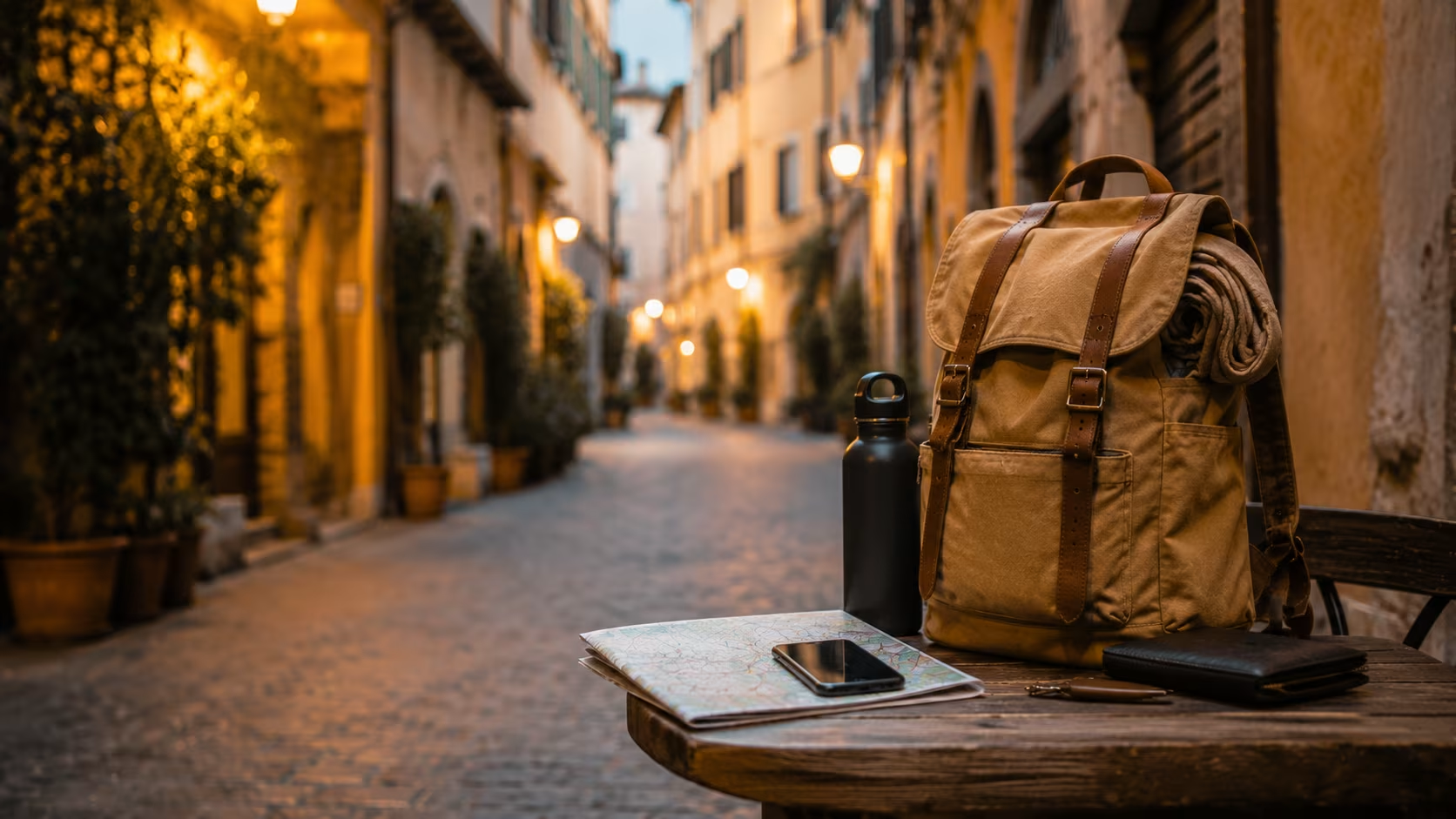
The most common solo-traveler complaint is the dinner problem.
Reframe the Solo Meal
In most countries, solo dining is now common. The 2010s assumption that solo dinners were unusual is mostly outdated. Servers don't think anything of it.
Strategies
Sit at the bar / counter. Almost universally normal. The bartender or counter chef is a built-in low-pressure conversational partner. Counter sushi, ramen counter, hawker center, tapas bar all designed for this.
Pick a book or notebook. Bringing something to read makes solo dinner feel intentional rather than awkward. Ironic that a book makes you less alone, but true.
Avoid white-tablecloth restaurants for solo dinner. They're designed for groups. The solo dinner that feels weird is the white-tablecloth one. Solo dinners at trattorias, izakayas, hawker centers, casual bistros, coffee shops are genuinely fine.
Pick the time of day. Lunchtime solo dining is even more normal than dinner. A 13:00 trattoria lunch alone is unremarkable; a 21:00 fine-dining dinner alone might raise eyebrows.
Don't sit in the corner. It signals you're hiding. Sit visibly; engage with the staff briefly.
Order family-style smaller plates. Tapas, dim sum, izakaya menus all let you order varied small plates without committing to a 4-course meal.
When You Want Conversation
Several reliable approaches:
- Communal tables at certain restaurants (Italian trattorias sometimes have one big table; some Berlin spots specifically encourage shared tables).
- Hostel meals: even if you're not staying at a hostel, some hostels have shared dinners open to non-guests.
- Cooking classes: half-day class, lunch with classmates, low-stakes social.
- Walking tours: daily group activity with built-in conversation.
- Coffee bar conversation: sitting at a coffee bar in the morning often produces casual conversation with locals.
Building Human Contact
The solo-traveler myth is that you'll meet new friends every day. The reality is more mixed: some days are deeply social, some days are silent, and the silent days are valuable too.
Strategies for Connection
Hostels. Even if you're 50 and stay at hotels, hostels often have public bars and event nights welcoming non-guests.
Walking tours. Free or paid tours, many cities offer them daily. The 90-minute tour creates conversation triggers naturally.
Cooking classes. A class of 10 strangers + 4 hours of cooking + a meal = real conversation.
Group adventure activities. Day-long tours (winery tours, hiking, snorkeling) bring strangers together.
Bar conversations. Order at the bar, not at a table. Bartenders often facilitate introductions to other regulars.
Co-working spaces. Even if you're not working remotely, day-pass coworking with a community focus often has events open to drop-ins.
Couchsurfing-style platforms. Couchsurfing.com is less active than 2010s, but Travello, Backpackr, and similar apps connect solo travelers in real time.
Language exchange events. Meet locals interested in practicing English or your language. Tandem, Meetup, HelloTalk.
Solo-traveler tour groups (G Adventures, Intrepid). For travelers nervous about purely solo trips. The trips are 8–18 days; you sleep in your own room; the group provides built-in social structure.
Knowing when to be Alone
Not every meal needs a friend. Not every day needs a tour. The rhythm of solo travel includes solitary days that other styles miss:
- A 4-hour café morning with a notebook.
- A long museum visit at your own pace.
- An afternoon walking a neighborhood without conversation.
These are the part of solo travel that makes it worthwhile. Don't fight them; design them.
Mental Health on Solo Trips
Loneliness on solo trips is real and predictable. Even experienced solo travelers report cycles where Day 5 is hard.
Strategies
- Maintain morning routine. Coffee + journaling + a walk anchors the day.
- Schedule connection: call home every 2–3 days.
- Mix social and solo days: alternate intentional contact (a tour, a class, a hostel evening) with quieter days.
- Plan one anchor activity: a class, a tour, or a meal that's already scheduled. Reduces decision fatigue.
- Limit alcohol. Drinking alone in hotel rooms can compound loneliness.
- Notice when it's too much. If 2-3 days are hard in a row, change the schedule. Add a social activity. Move accommodations. Cancel the rest of the trip if needed.
When Loneliness Becomes Genuine Depression
The symptoms: persistent low mood, no interest in food or activities, refusing to leave the hotel, phone-call dread.
Strategies
- Cut back on plans. Reduce ambitions; allow rest.
- Connect with someone. Call home; meet a friend in destination.
- Move to more social accommodation. Hostel social common rooms force passive contact.
- Skip activities. Resting is allowed.
- Consider going home. If the trip becomes a daily struggle, ending it is wisdom, not failure.
Money on Solo Trips
Solo travel costs more per person than group/couple travel: "single supplement" applies in many situations.
Where Solo Costs More
- Hotels. Per-night rate same regardless of occupancy; couple splits, solo doesn't.
- Restaurant minimums. Some sit-down restaurants have implicit "min spend" for tables that's awkward for one.
- Tours. Many tour minimums are based on 2-person bookings.
- Cruises. Often charge "single supplement" of 50–100% over per-person rate.
- Rental cars. Solo can't split costs.
Where Solo Costs Less
- Hostels. A single bed in a dorm costs $15–35; couples don't typically use dorms.
- Local meals at hawker centers / food stalls. The same plate costs the same regardless.
- Walking everywhere instead of taxi-with-friends. Solo walks cost nothing.
- Skipping group-targeted attractions in favor of museum + café + bookshop time.
Tactics
- Hostels with private rooms (solo room in a hostel building gives you the social common areas at hotel-room prices).
- Mid-tier accommodations in less-touristy neighborhoods.
- Daily walking-tour-cooking-class-museum rotation instead of expensive bespoke tours.
- Eating at counters and markets rather than sit-down restaurants for some meals.
When to Travel Solo Vs. with Others
Solo travel isn't always the right choice.
Good for Solo
- Reflection, writing, slow travel.
- Cultural / museum / historical city visits.
- First trip after a major life change.
- Traveling at your own pace without compromise.
- Pursuing a specific personal interest (hiking, food, language).
Worse for Solo
- Beach vacations. Solo beach reading can be lovely or isolating; varies.
- Adventure activities requiring partners. Climbing, diving, sailing.
- Family-tradition destinations. Trips that benefit from shared group memory.
- Destinations with safety concerns for solo travelers in your demographic.
- Long stays (3+ weeks) without communication. Loneliness compounds.
Practical Tips for the Road
Avoid Loneliness Triggers
- Don't over-research social media during the trip. Watching others' weekends with friends compounds loneliness.
- Skip the "group photo" tourist sites if they make you melancholy. Visit at off-hours or skip entirely.
- Don't visit destinations whose primary draw is romantic. Paris alone is fine; the most-romantic destinations sometimes feel unbalanced.
Embrace Solo Strengths
- Change plans freely. No partner to consult; pivot when something interesting appears.
- Eat at unusual hours. No one to coordinate with.
- Visit one museum 3 times. Solo travel allows depth that group travel resists.
- Read in public for hours. Cafés, parks, hotel lobbies. Universally accepted.
Tools That Help
- Solo-travel-friendly apps: Hostelworld (find hostels with strong social ratings), Couchsurfing (still active in some places), Travello, Eatwith (find local hosts who cook for travelers).
- Walking tour apps: Voicemap, GPSmyCity (audio walking tours that don't require a guide).
- Language apps: Google Translate offline; HelloTalk for language partners.
- Public-transit apps: Citymapper for major cities.
Common First-Time Solo Mistakes
- Overscheduling to fight loneliness. Building a 14-hour day out of fear of empty time. The empty time is part of the trip.
- Not sharing itinerary. Tell someone your plan.
- Drinking heavily alone. Compounds bad moods.
- Eating only fast food because sit-down feels awkward. Practice the bar-counter solo dinner.
- Skipping cultural events because of "no one to go with." Buy one ticket; go alone.
- Trying first solo trip in remote/difficult destinations. Build up to those.
- Not budgeting for the single supplement. Solo trips cost 30–60% more per person than couple trips for the same accommodations.
- Comparing trip on social media. Different travel styles produce different memories.
Final Notes
Solo travel is one of the most-rewarding forms of travel for travelers who let it be what it is: a chance to make every choice freely, see what catches your attention, and develop the rhythm of being alone in a place that's new.
The single best advice schedule one social activity per day in the first 3 days of any solo trip. A walking tour, a cooking class, a hostel pub crawl, a museum lecture. The activity reduces the daily decision fatigue and seeds connections. By Day 4, you'll know which days you want social and which you want alone.
The second-best bring a real book. Phones are too distracting for solo dining; the book gives you something to do that signals "intentional solitude" rather than "awkwardly waiting." The dinner becomes pleasant rather than uncomfortable.
The quietest piece of advice pick one solo trip you're slightly uncertain about and do it. Solo travelers report that first solo trip reshapes how they think about future travel, friendship, and the rhythm of their own attention. The cost is low; the change is real.
0 Comments
No comments yet — start the conversation.