

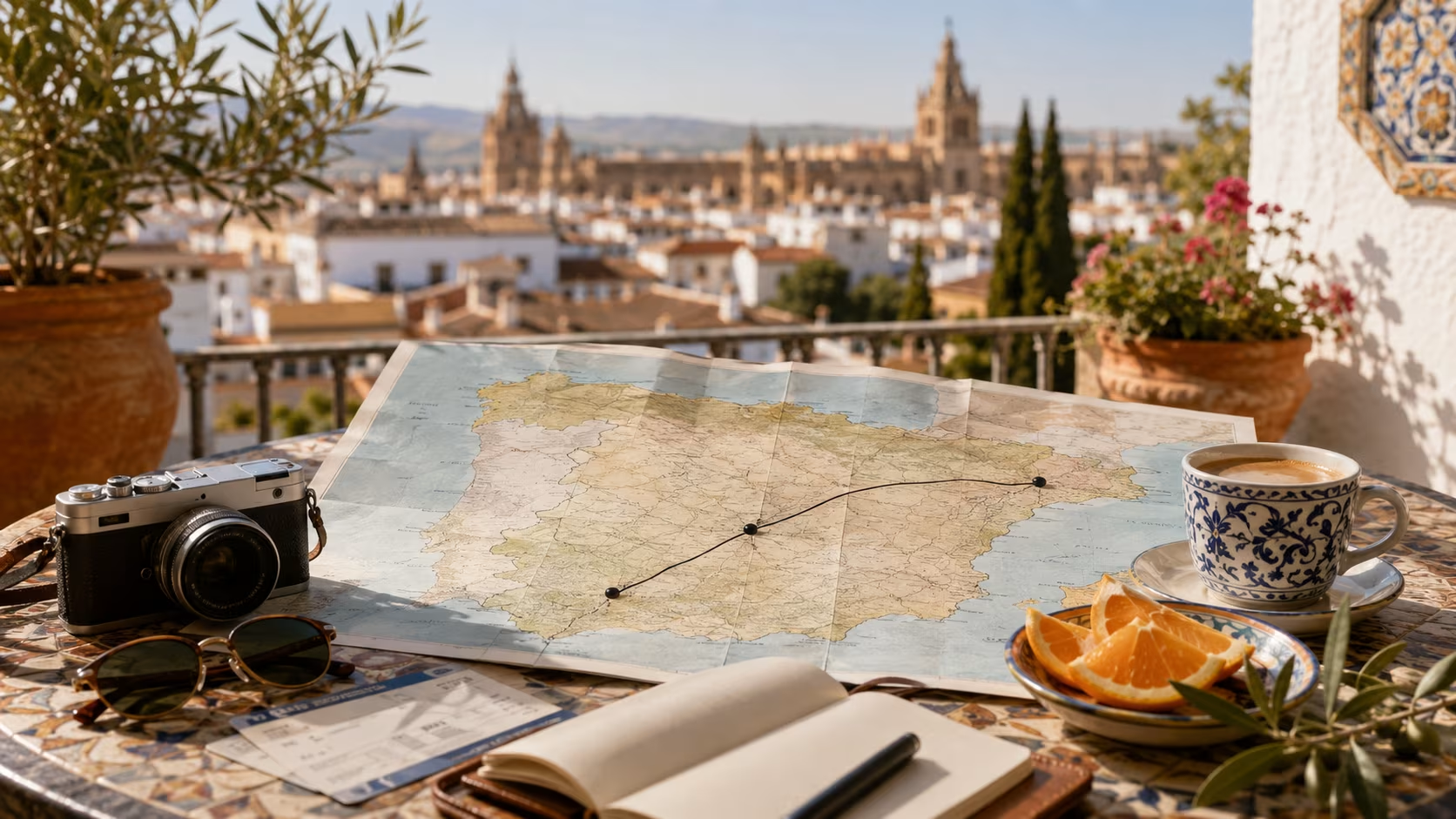
Twelve days is the right length for a serious first Spain trip. The country's regional differences are dramatic — the cuisine, architecture, climate, even the language vary across regions. The classic mistake is to add Bilbao + Valencia + the Balearic Islands to a Madrid + Barcelona + Andalusia itinerary, ending with 4 hours per city and one good photograph from each.
The stronger trip stays in 4-5 places. Madrid for political-historic + art capital. Andalusia (3 cities) for the Moorish heritage + flamenco origin + slow afternoons. Barcelona for Catalan modernism + Mediterranean coast. The drive between them is long enough that flight or AVE high-speed rail is the right move.
This is a 12-day itinerary that respects Spain's regional logic and the rhythm of how the country lives.
Quick Facts
| Item | Detail |
|---|---|
| Country | Spain |
| Currency | Euro (€) |
| Languages | Spanish (Castilian); Catalan in Catalonia; regional dialects |
| Time zone | CET (UTC+1) / CEST (UTC+2) |
| Tourist tax | Catalonia + Balearic Islands have tourist taxes; Madrid + Andalusia do not |
| Best time | April–June, September–October |
| Visa | Schengen, 90 days for most non-EU |
When to Go
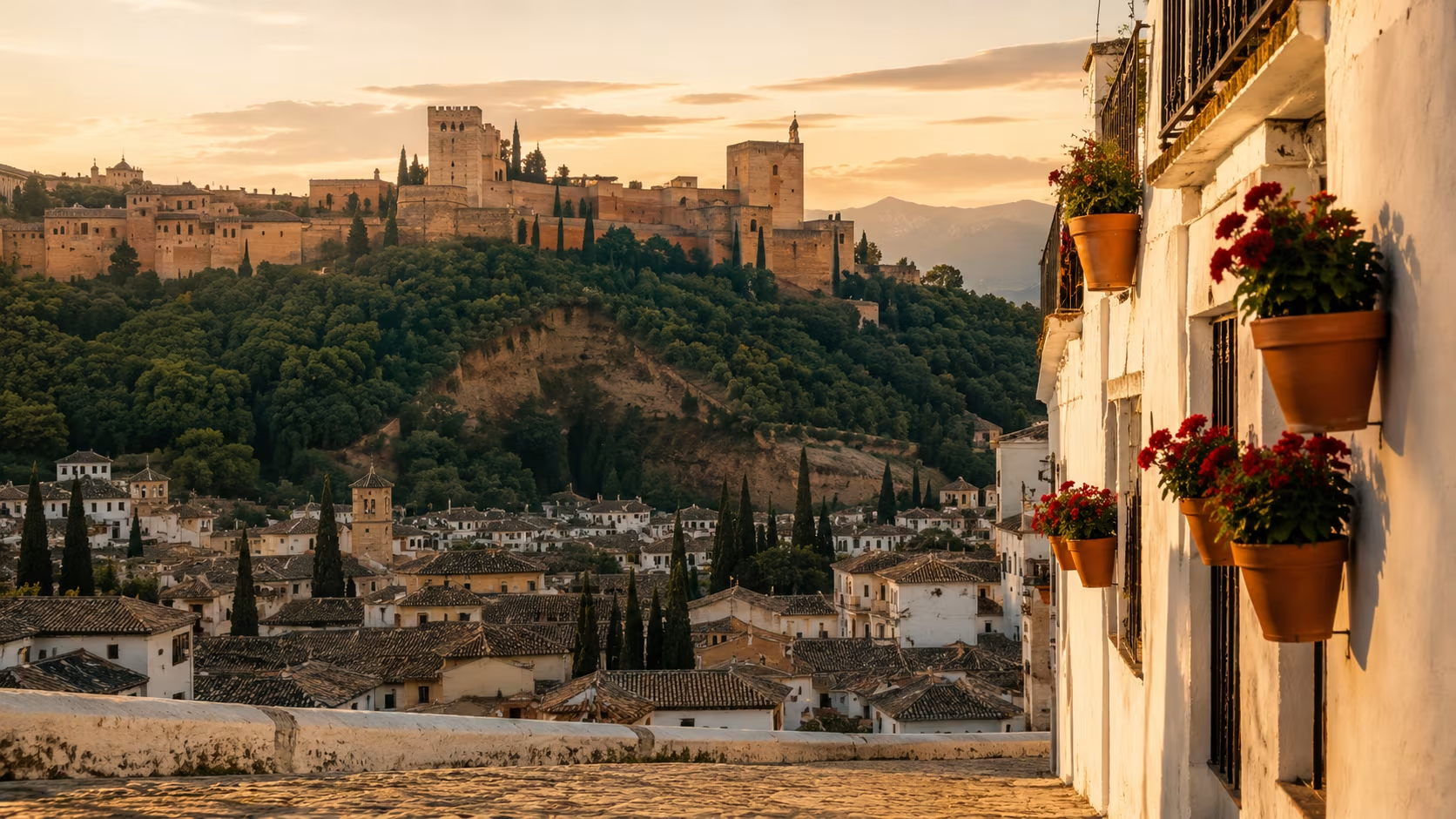
April to June. The sweet spot. Mild weather (16-26°C in most regions), terraces open, gardens flowering. Holy Week (Semana Santa) before Easter is a major cultural event in Andalusia (Seville especially) — beautiful but extremely crowded.
September to October. The other prime window. Schools resumed, harvest season for wine + olives, autumn light excellent.
July to August. Hot — often 35-42°C+ in Madrid + Andalusia. Coastal Spain is more bearable. Many Spaniards leave the cities for the coast or the mountains. Some smaller restaurants close in August.
November to March. Cool (5-15°C) in Madrid + Andalusia; mild in Barcelona. Quieter; cheaper; the cities have their own atmosphere.
Avoid:
- Holy Week / Semana Santa unless you specifically want it (mid-March to mid-April, varies year).
- Mid-July to mid-August for the heat-and-crowd combination in cities.
- National holidays for closures.
The 12-Day Itinerary
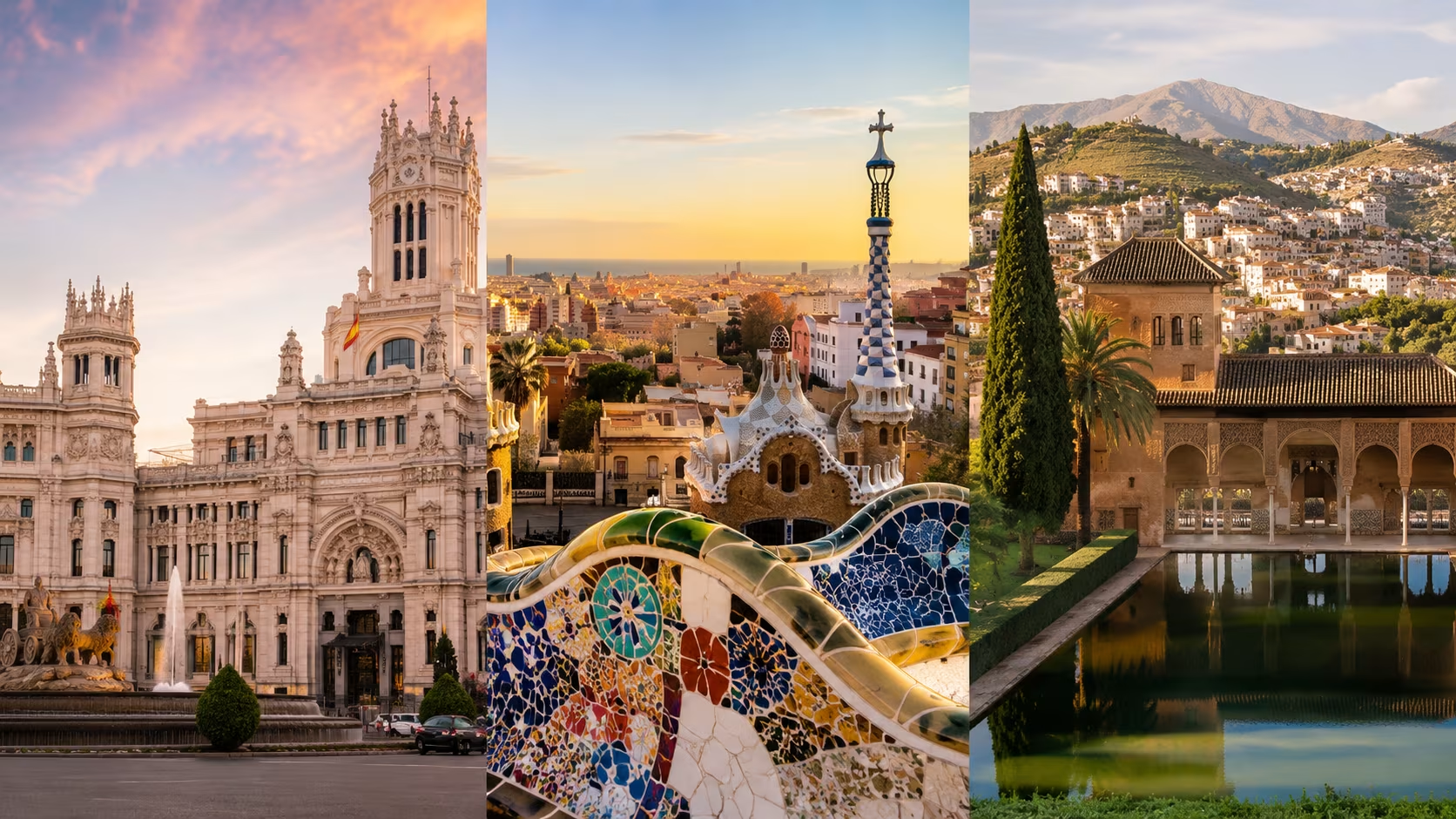
Days 1–4: Madrid
Four nights in Madrid covers the essentials.
Day 1 — Arrival + Centro
- Arrival at Madrid Barajas Airport (MAD). Metro Line 8 to central (35 min).
- Lunch at a Centro restaurant. Casa Lucio for traditional. Sala de Despiece for modern.
- Afternoon walking: Puerta del Sol → Plaza Mayor → Royal Palace + Almudena Cathedral. ~3 hours total.
- Aperitivo at a Centro bar.
- Dinner in La Latina. Casa Botín (since 1725, the world's oldest restaurant by Guinness, famous for cochinillo asado).
Day 2 — Art Triangle
- Morning at the Prado Museum (4-5 hours). Velázquez, Goya, El Greco.
- Lunch in Centro.
- Afternoon at Reina Sofía Museum (2.5 hours). Picasso's Guernica + 20th-century Spanish art.
- Aperitivo at Plaza Mayor.
- Dinner. Tapas crawl in La Latina (Cava Baja street).
Day 3 — Malasaña + Modern Madrid
- Morning in Malasaña + Chueca (the creative neighborhoods).
- Lunch in Malasaña. Triciclo for upscale modern.
- Afternoon at Thyssen-Bornemisza Museum (2.5 hours).
- Sunset at Templo de Debod (the gifted Egyptian temple, free).
- Dinner. DiverXO if you booked (3-Michelin-star). Or Sala de Despiece.
Day 4 — Toledo Day Trip
- Morning train to Toledo (35 min by AVE, €16-22 round-trip).
- Toledo: El Greco's house + cathedral + alcázar + medieval Jewish + Christian + Moorish quarters.
- Lunch in Toledo. Adolfo for upscale Castilian.
- Afternoon train back to Madrid.
- Final Madrid dinner.
Day 5 — Travel to Granada
- Morning flight Madrid → Granada (60 min + 30 min airport transit each way; €40-110). Or AVE high-speed train Madrid → Granada (3h 5m, €30-100).
- Late morning arrival in Granada.
- Lunch at a Granada restaurant. Free tapa with each drink — Granada's cultural tradition.
- Afternoon walking the Albaicín neighborhood (the Moorish quarter, UNESCO).
- Sunset at Mirador de San Nicolás with views of the Alhambra. Iconic.
- Dinner. Free tapas with rounds at multiple bars.
Days 6–7 — Granada
Day 6 — Alhambra Day
- Morning at Alhambra (€19, must book 1-3 months ahead). The 13th-14th century Moorish palace + fortress + gardens. UNESCO. Allow 4 hours minimum.
- Lunch in the Realejo or Albaicín.
- Afternoon at the Granada Cathedral + Royal Chapel (€10 each; the cathedral is the burial place of Ferdinand + Isabella, the rulers who funded Columbus).
- Aperitivo in central Granada.
- Dinner.
Day 7 — Granada Slow Day
- Morning walking Sacromonte (the historic Roma neighborhood with cave-houses).
- Lunch at a working-class taverna.
- Afternoon at the Centro José Guerrero (modern art) or just slow time.
- Late afternoon flamenco performance at one of Granada's tablaos (book ahead). Granada is the city where flamenco was born.
- Dinner.
Day 8 — Travel to Seville (via Córdoba)
- Morning train to Córdoba (1h 20m, €20-40).
- Day in Córdoba. The Mezquita-Cathedral (€13) — one of the world's most distinctive religious buildings (the 8th-century mosque converted to cathedral with the original mosque columns preserved). The Jewish Quarter (Judería). Allow 4 hours.
- Lunch in Córdoba. Salmorejo Cordobés is the local specialty (cold tomato soup).
- Afternoon train to Seville (50 min, €15-30).
- Evening in Seville. Aperitivo + dinner.
Days 9–10 — Seville
Day 9 — Central Seville
- Morning at the Cathedral + Giralda (€12). The world's largest Gothic cathedral. Climb the Giralda tower (no stairs; ramps designed for horses to ascend). Allow 2.5 hours.
- Lunch in central Seville. Bar Pelayo for working-class. Casa Plácido for traditional.
- Afternoon at the Real Alcázar (€14.50). The Mudéjar palace + gardens (UNESCO). Allow 2.5 hours.
- Aperitivo in Triana (across the river).
- Dinner. Tapas crawl in central Seville. Eslava, Casa Cuesta, El Rinconcillo.
Day 10 — Triana + Barrio Santa Cruz
- Morning in Triana (the historic flamenco + ceramic neighborhood across the river). Walking tour.
- Lunch in Triana.
- Afternoon in Barrio Santa Cruz (the historic Jewish quarter; narrow whitewashed streets + flowering balconies).
- Late afternoon at Plaza de España (the famous semicircular square) + María Luisa Park.
- Evening flamenco performance. La Casa del Flamenco for the polished tourist version. Casa de la Memoria for the more authentic.
- Late dinner.
Day 11 — Travel to Barcelona
- Morning flight Seville → Barcelona (95 min direct + airport transit; €60-180). Or AVE high-speed train Seville → Barcelona (5h 30m, €70-120).
- Late morning arrival in Barcelona.
- Lunch at a Barcelona restaurant.
- Afternoon walking La Rambla + Barri Gòtic + El Born.
- Sunset at the beach (10 min from central by metro) or at Carmel Bunkers (the panoramic city view).
- Dinner in Born or El Raval.
Day 12 — Barcelona (Departure Day)
- Morning at Sagrada Família (book 1-2 weeks ahead, €26). Allow 90 minutes.
- Late morning at Park Güell (book ahead, €10). Allow 90 minutes.
- Lunch in Eixample or Born.
- Afternoon at Picasso Museum (€14) or MNAC (Museu Nacional d'Art de Catalunya) (€12, the largest collection of Catalan art).
- Evening flight or train onward.
For those with extra days:
- Day 13: Costa Brava day trip (Cadaqués, Tossa de Mar) or Montserrat monastery day trip.
- Day 14: Slow Barcelona day or Catalonia wine country.
Variations
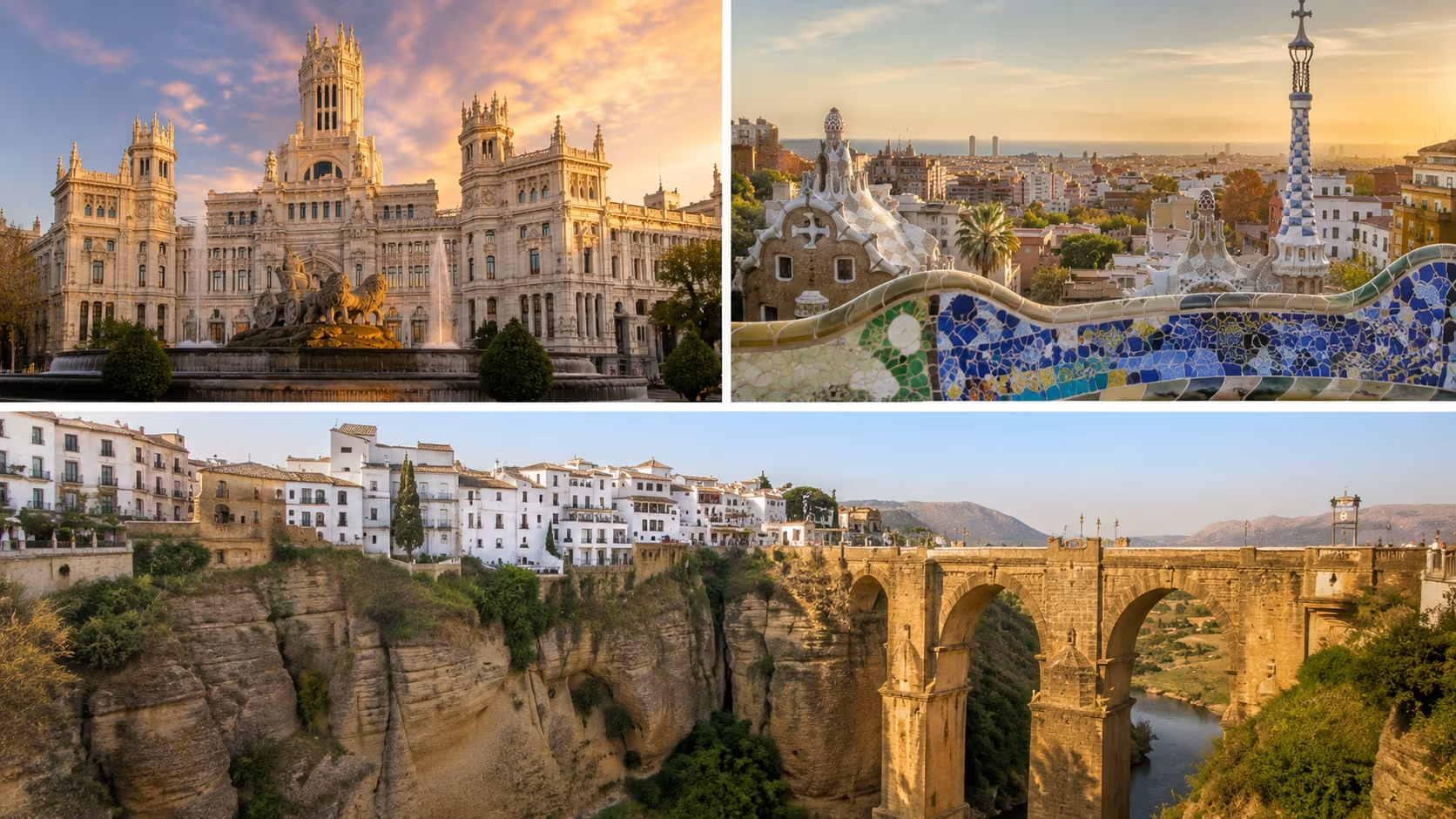
Add Northern Spain (San Sebastián, Bilbao)
Replace Andalusia (or one Andalusian city) with San Sebastián for the Basque pintxos culture + Bay of Biscay coast. Bilbao for the Guggenheim Museum + Basque culture.
Beach-Focused
Replace one inland city with Costa Brava (north of Barcelona) or Costa Daurada for beach time.
Wine-Focused
Add La Rioja (north Spain wine country) between Madrid and Barcelona.
Slower Pace
Reduce Andalusia to two cities (skip Córdoba day trip). Spend more days in each city.
What to Eat: Quick Reference
See Spain-specific guides for detailed treatment. Key regional dishes:
Madrid + Castile
- Cocido madrileño (chickpea stew).
- Bocadillo de calamares (calamari sandwich).
- Huevos rotos (broken eggs with potatoes + ham).
- Cochinillo asado (roast suckling pig).
- Patatas bravas (Madrid version, spicier sauce).
Andalusia (Granada, Córdoba, Seville)
- Salmorejo (cold tomato soup, Córdoba origin).
- Espinacas con garbanzos (spinach + chickpea, Sevillian classic).
- Pescaíto frito (mixed fried fish, Andalusian classic).
- Boquerones en vinagre (anchovies in vinegar).
- Berenjenas con miel (fried eggplant with honey, Granada specialty).
- Sherry wines (fino, manzanilla, oloroso) from Jerez de la Frontera area.
Catalonia (Barcelona)
- Pa amb tomàquet (bread with tomato).
- Escalivada (grilled eggplant + peppers + onion).
- Bombas (meat-stuffed potato fritters, Barceloneta classic).
- Crema catalana (Catalan crème brûlée).
- Calçots (winter; grilled onions with romesco sauce).
Costs and Budget
2026 daily budgets per person, excluding flights:
| Style | Per day | Notes |
|---|---|---|
| Backpacker | €70-100 | Hostel, working-class meals, transit |
| Mid-range | €130-200 | Mix of casual and proper restaurants, museums, AVE trains |
| Comfortable | €240-380 | Better restaurants, premium attractions, taxis |
| Higher-end | €600+ | Tasting menus, premium hotels, private tours |
Spain is meaningfully cheaper than Western European average — particularly for food.
Logistics: Trains + Flights
AVE High-Speed Trains
Spain's high-speed rail is excellent:
| Route | Duration | Price (advance) |
|---|---|---|
| Madrid → Granada | 3h 5m | €30-100 |
| Madrid → Córdoba | 1h 50m | €25-90 |
| Madrid → Seville | 2h 30m | €30-100 |
| Córdoba → Seville | 50m | €15-30 |
| Madrid → Barcelona | 2h 30m | €40-150 |
| Seville → Barcelona | 5h 30m | €70-120 |
Book 2-4 weeks ahead for best fares.
Flights
For Madrid → Granada and Seville → Barcelona, flights are sometimes cheaper than trains. Compare both.
Driving
Not recommended for this itinerary — most cities have limited central parking + restricted-traffic zones (ZBE in Spain).
Practical Info
- Cards. Universal.
- Tipping. 5-10% at restaurants for good service. Round up at cafés.
- English. Common in tourism. Less in residential and rural areas.
- Sundays. Most museums open. Many shops closed except in tourist zones.
- Late schedule. Lunch 14:30; dinner 21:30+. Restaurants opening at 19:00 are mostly tourist-aimed.
- Pickpocketing. Real around tourist sites + on busy metros (Madrid Sol, Barcelona Las Ramblas).
- Heat. Summer afternoons brutal in inland cities (Madrid, Seville). Schedule heat breaks.
- Siesta tradition. Many small shops close 14:00-17:00 in smaller cities. Restaurants generally open through.
Common 12-Day Spain Mistakes
- Adding Bilbao + Valencia + Mallorca. Too compressed.
- Trying to drive between cities. Trains are dramatically faster.
- Eating dinner at 19:00. Spanish dinner peaks at 22:00.
- Skipping the late-evening tapas crawl. It's the cultural experience.
- Booking hotels too far from city centers to save money. Walking + transit time adds up.
- Not booking the Alhambra in advance. Sells out 1-3 months ahead.
- Visiting in mid-August expecting normal cities. Many residents leave; some businesses close.
- Trying to do museums in 60 minutes each. They're each 2-4 hour stops.
- Photographing inside religious sites with flash. Forbidden in many places.
- Wearing fashion shoes for cobblestoned cities. Comfort wins.
- Booking only English-language tours. Spanish-language tours often offer richer engagement with local guides.
Final Notes
Twelve days is the right length for a focused first Spain trip across the three regions. The mistake is the country-checklist approach. The traveler who does Madrid + Andalusia + Barcelona well comes away with three distinct cultural experiences. The traveler who tries 6 cities in 12 days comes away with a slideshow.
The quietest piece of advice: pick one Andalusian afternoon for a slow tapas crawl in Granada. Free tapas with each drink at multiple bars; no specific schedule; no particular itinerary; just walking from one to the next as the late afternoon turns into evening. The Spain that stays with you isn't the photograph from the Alhambra; it's the slow sequence of small bars, free olives + jamón, conversation with strangers at the counter, and the gradually shifting light over the streets — the cultural ritual that explains why Spaniards talk about "la sobremesa" (the leisurely conversation after a meal) as a defining national value.
0 Comments
No comments yet — start the conversation.