

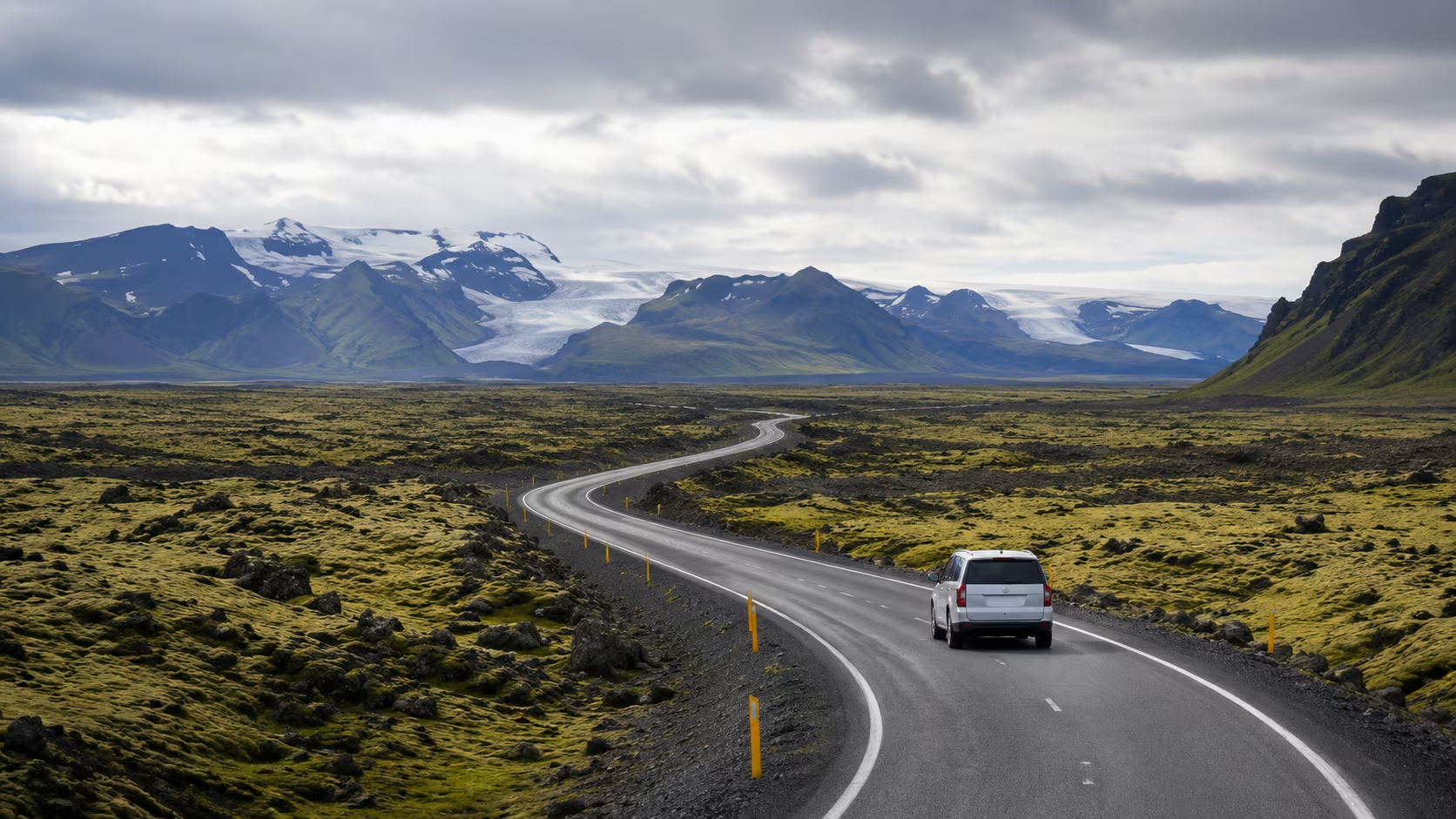
The Ring Road (Route 1) loops Iceland's perimeter in roughly 1,330 km. Most travel writing presents the drive as a 6-, 7-, or 10-day route. The honest answer: 7 days is the minimum for a complete loop without ending the trip exhausted. 10 days is more comfortable. 14 days lets you add the Westfjords or interior detours.
The usual mistake is to schedule 6–8 stops per day across 200+ km of driving. By Day 4, you're spending more time getting to viewpoints than enjoying them. The better itinerary picks 2–4 real stops per day with built-in flexibility for weather.
This is a 7-day Ring Road itinerary that respects the reality of weather, distance, and Iceland's actual scale.
Quick Facts
| Item | Detail |
|---|---|
| Country | Iceland |
| Currency | Icelandic króna (ISK), ~140 ISK/USD in 2026 |
| Language | Icelandic; English near-universal |
| Time zone | GMT (UTC+0, no DST) |
| Best time | June–August (long daylight) or February–March (Northern Lights) |
| Visa | Schengen, 90 days for most non-EU |
| Trip length | 7 days minimum for full loop |
When to Go
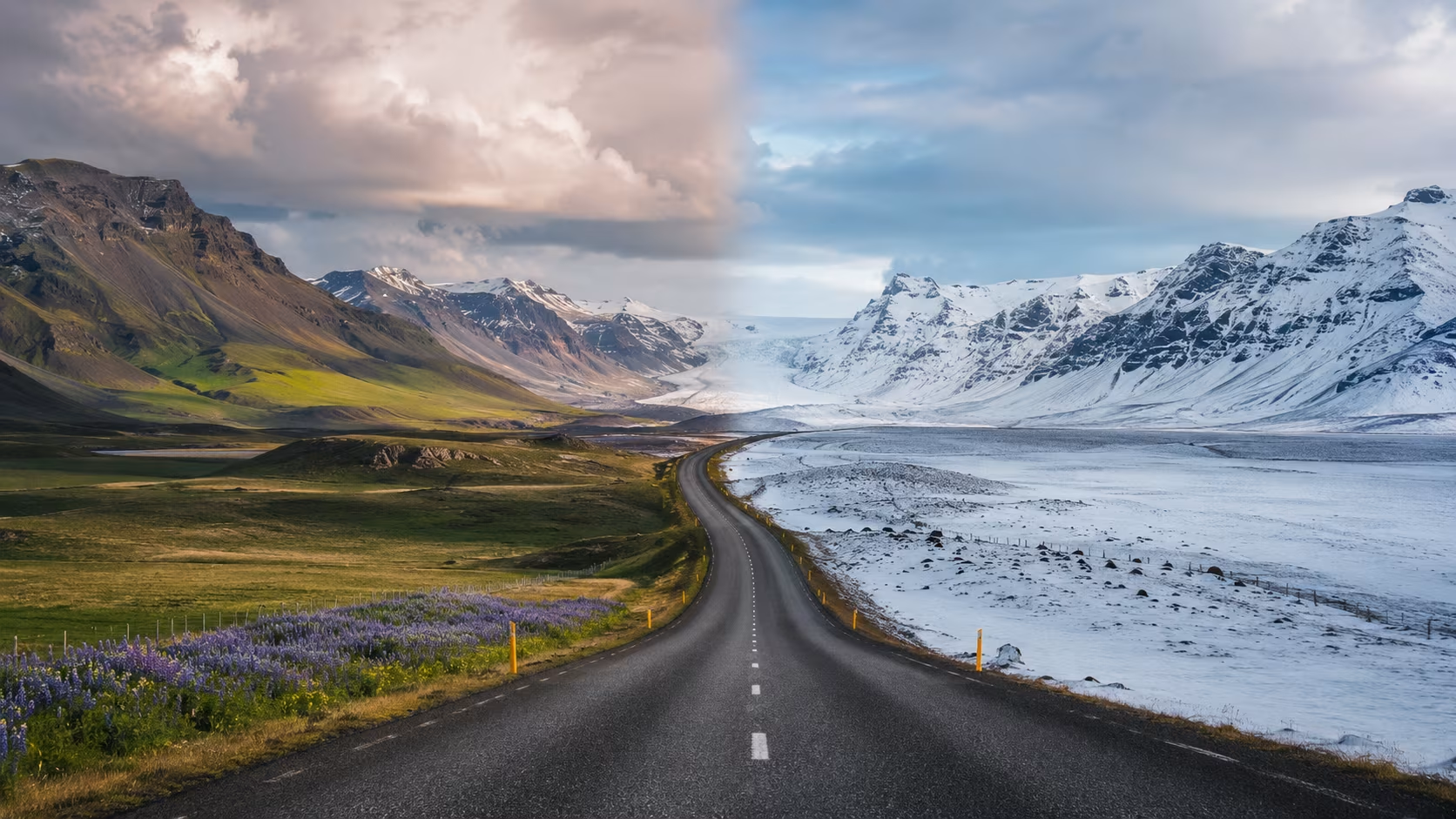
Late May to Early September (summer)
Long daylight (24-hour midnight sun in late June at Akureyri), most roads open, all attractions accessible. Highs 10–17°C; cool but tolerable. Tourist density at peak.
June
The sweet spot. Sun barely sets in late June; you can drive for 22 hours of daylight. Wildflowers in bloom; puffins on the south coast cliffs through August.
Mid-September to Late October (early Autumn)
Tourist density drops, autumn colors arrive, Northern Lights become visible at night. Days getting shorter quickly. Some interior roads close.
November to March (winter)
Limited Ring Road accessibility (some sections close briefly during major storms). Northern Lights visible most clear nights. Temperatures down to -10°C in north. Most tourists stay near Reykjavik.
April to Early May (spring)
Roads opening, Northern Lights still visible occasionally, mid-season pricing.
For a 7-day Ring Road: late May to mid-September is the realistic window. October is possible but shorter days hurt. Winter requires modifications and superjeep tours; not recommended for a first-timer Ring Road attempt.
Renting the Right Vehicle
Summer (June-September)
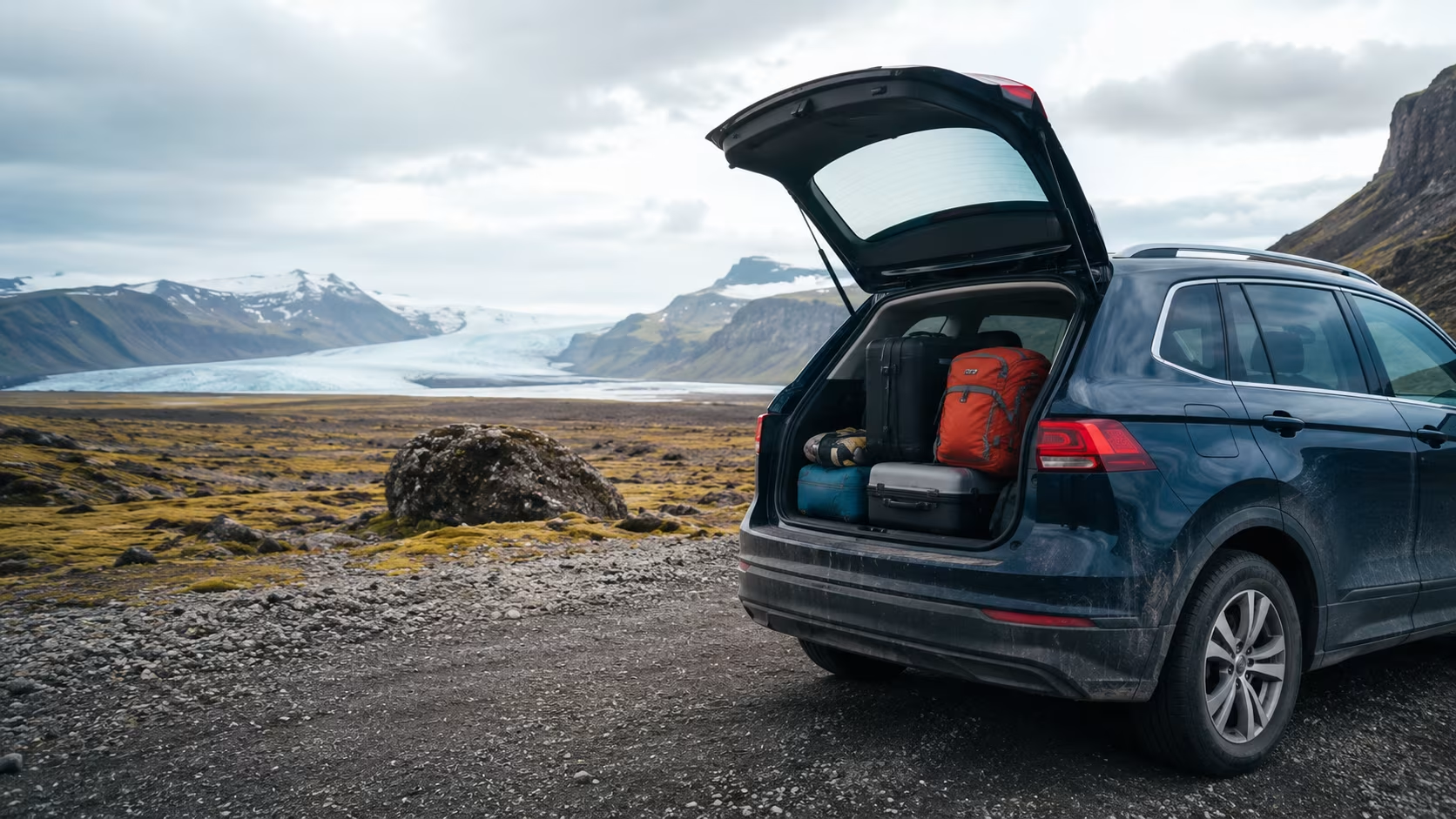
A standard compact SUV (4WD) or even an economy car is sufficient. The Ring Road is fully paved. Most attractions on the Ring Road are accessible to standard cars.
Daily rental: $80–150 USD for compact, $130–250 for SUV.
Highland / Interior (F-roads)
F-roads (mountain interior roads) require a 4WD vehicle. River crossings on some F-roads require high-clearance 4WD. F-roads close in winter (closed October–June typically).
A standard Ring Road trip doesn't need F-road capability.
Winter
4WD with studded tires (legally required December 1 – April 15). Some operators include winter tires automatically; verify.
Insurance
Icelandic rentals routinely include extras. The mandatory ones:
- Gravel Protection (GP). Highly recommended. Covers windshield/paint damage from gravel kicked up by other cars.
- Sand and Ash Protection (SAAP). Necessary for trips to the south coast or interior in spring, where sandstorms can sand-blast paint.
- Theft Protection. Mostly redundant but cheap.
Decline only the most expensive "premium" insurance unless you're driving F-roads with river crossings.
Accommodations Strategy
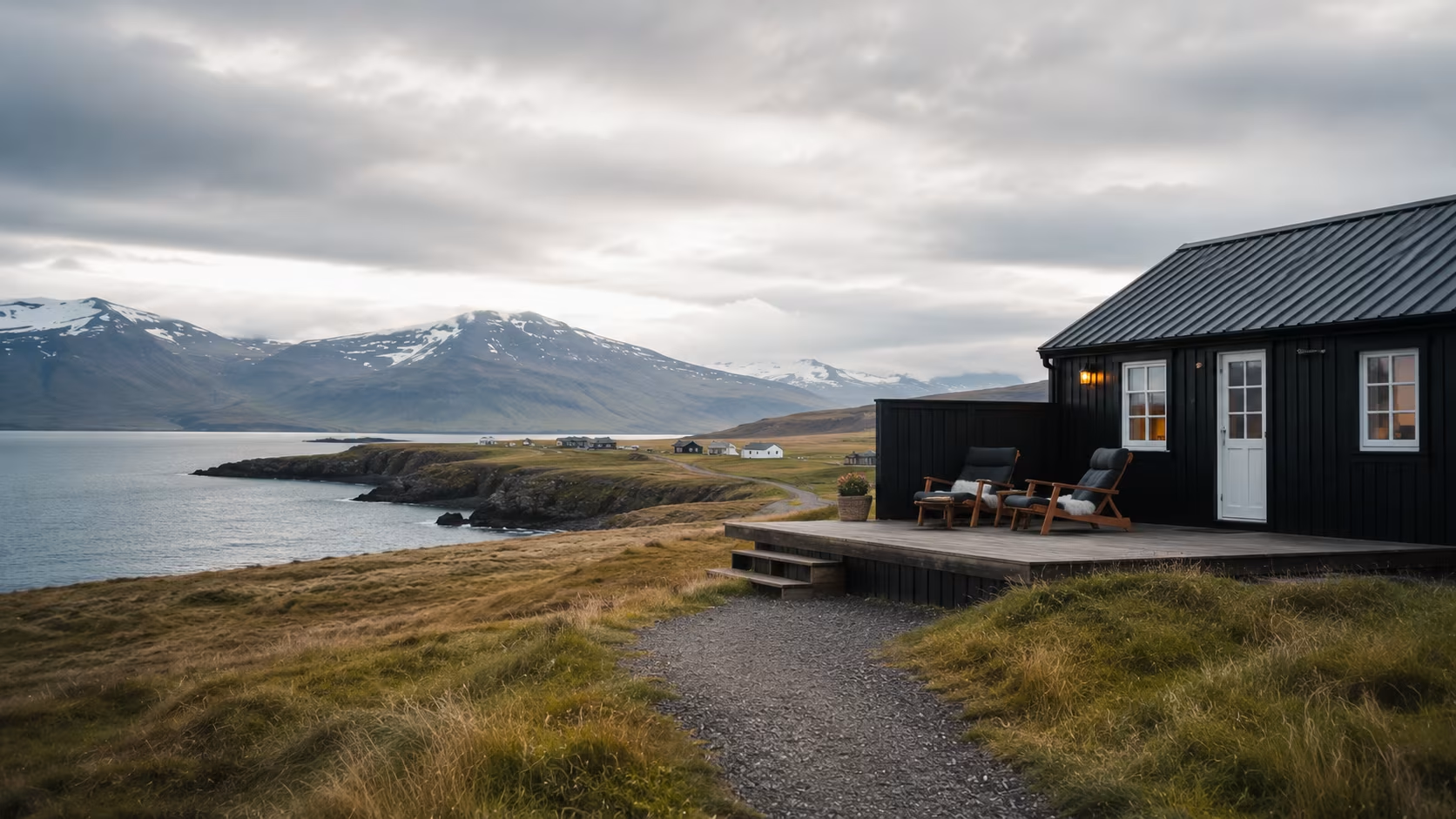
The biggest mistake on the Ring Road: leaving accommodation booking to chance. Iceland has limited hotels along most stretches; popular places book out 2–3 months ahead in summer.
Book all 7 nights before you arrive. Even the budget cabins.
Types
- Hotels in towns (Reykjavik, Vík, Höfn, Akureyri, etc.): $150–400/night.
- Country guesthouses (rural, 4–10 rooms): $130–280/night, breakfast usually included.
- Cabins / cottages (private, kitchenette): $130–250/night, popular with families.
- Glamping / unique stays (igloo-style, dome cabins for Northern Lights viewing): $250–600/night.
- Camping ($15–25/site, plus camping fee). Open mid-May to mid-September. Realistic option for budget travelers with proper gear.
Booking Tools
Booking.com, Airbnb, and Iceland-specific platforms (e.g., Bungalo, Iceland Cottages). Smaller guesthouses sometimes available only on direct-website bookings.
The 7-Day Ring Road Itinerary
This itinerary assumes counterclockwise direction (south first, then east, north, west, back to Reykjavik). The opposite direction works equally well; weather sometimes dictates which.
Day 1: Reykjavik + Golden Circle
Arrive at Keflavík (KEF). Most international flights land in the morning.
Morning.
- Pick up rental car at airport.
- Drive to Blue Lagoon if booked (45 min from KEF, on the way to Reykjavik). The geothermal spa is touristy and crowded but the experience is real. ~85 EUR for basic admission, advance booking essential. Sky Lagoon in Reykjavik is the local alternative: newer, smaller crowds, ocean view.
Afternoon.
- Drive to Reykjavik. Walk Laugavegur (the main pedestrian street). Visit Hallgrímskirkja church (the city's iconic building, free entry, paid tower climb).
- Late lunch in Reykjavik. Sandholt Bakery, Kex Hostel café, Kaffi Vínyl.
Evening.
- Golden Circle (the classic intro day-trip from Reykjavik). 230 km loop, 6–8 hours including stops. Three main sights:
- Þingvellir National Park: UNESCO site, the rift valley between European and North American tectonic plates, the original Icelandic parliament site (Alþingi) since 930 AD. Walk the Almannagjá rift. 60–90 minutes.
- Geysir Geothermal Area: the original geyser (the word "geyser" comes from this one). Today, Strokkur (the active one) erupts every 5–8 minutes, 15–30m high. 45 minutes.
- Gullfoss waterfall: "Golden Falls," two-tier 32m waterfall in a canyon. 60 minutes.
Stay overnight: in Selfoss or near the southern Golden Circle area. Drive: ~250 km total Day 1 (a long arrival day; many travelers split this into Day 1 (Blue Lagoon + Reykjavik) and Day 2 (Golden Circle)).
Day 2: South Coast (selfoss → Vík)
Distance: ~190 km. Driving: 3 hours. Slow day with 4–5 stops.
Morning.
- Seljalandsfoss waterfall. 60 m drop. Walk behind it (the unique feature), wear waterproof gear. 30 minutes.
- Gljúfrabúi waterfall. 200 m walk from Seljalandsfoss; hidden inside a canyon. Lighter on tourists. 20 minutes.
- Skógafoss waterfall. 60 m wide, 60 m drop. Climb the staircase to the top for the panoramic view. 60 minutes.
Lunch. Skógafoss Bistro Bar (ground level). Skál! at Hof (a couple km off-route).
Afternoon.
- Sólheimajökull glacier (5 min off Ring Road). Optional glacier hike (booked tour, 9,000–14,000 ISK, 3 hours). Otherwise the parking-lot view is dramatic.
- Reynisfjara black sand beach. Iconic basalt columns. Sneaker waves are dangerous; do not turn your back to the ocean. 60 minutes.
- Dyrhólaey peninsula (5 min off-route). Lighthouse, puffin colony in summer, dramatic cliff views. 45 minutes.
Evening. Vík í Mýrdal village. Population 600. Walk to the small church on the hill above town for the view.
Stay overnight: in Vík.
Day 3: Vík → Höfn (glacier Day)
Distance: ~270 km. Driving: 4 hours. The most dramatic single day on the Ring Road.
Morning.
- Eldhraun lava field. 14th-century lava flow, now moss-covered. The drive through is the experience.
- Fjaðrárgljúfur canyon. 100 m deep canyon with snake-like river. Walking trail along the rim. 60 minutes.
Lunch. Skaftafell Café at the base of Vatnajökull National Park, or pack lunch.
Afternoon.
- Skaftafell (Vatnajökull National Park). Multiple hiking trails. The 90-minute round-trip to Svartifoss waterfall (basalt-column waterfall) is the standard. Longer trails available for hikers.
- Glacier views. The road from Skaftafell to Höfn passes Vatnajökull (Europe's largest glacier by volume) at a dozen viewing points. The constant glacier presence is the day's reward.
Late afternoon.
- Jökulsárlón Glacier Lagoon. Icebergs floating in a lake; the 2-km river to the ocean. Boat tours available (zodiac or amphibious vehicle, 6,500–11,000 ISK).
- Diamond Beach (across the road from Jökulsárlón). Black sand beach with washed-up icebergs glittering like gemstones in the sun. 30 minutes.
Evening. Drive to Höfn (1 hour from Jökulsárlón). The langoustine fishing town. Pakkhús for premium langoustine dinner.
Stay overnight: in Höfn.
Day 4: Höfn → Egilsstaðir (east Fjords)
Distance: ~270 km. Driving: 4–5 hours including detours.
The least-touristed quarter of the Ring Road.
Morning.
- Drive the East Fjords. The road follows fjord coastline for 200+ km. Each fjord has a small village (Djúpivogur, Breiðdalsvík, Stöðvarfjörður, Fáskrúðsfjörður). Stop at 2–3.
- Petra's Stone Collection in Stöðvarfjörður. Eccentric private mineral collection, intriguing local museum.
Lunch. Hotel Bláfjall in Breiðdalsvík (multiple casual options) or pack from Höfn.
Afternoon.
- Hengifoss waterfall detour (off-route, 30 km from Egilsstaðir). 128 m waterfall with red-and-black layered cliffs. The hike is 90 min round-trip.
- Or stay in the main fjord road; visit Eskifjörður village with its small maritime museum.
Evening. Arrive in Egilsstaðir (the largest town in eastern Iceland, population 2,500). Working town; not a tourist destination but central for the night.
Stay overnight: in Egilsstaðir or nearby Seyðisfjörður (the fjord town, 25 km off-route, with the famous rainbow road, the ferry to the Faroes, and the most photogenic small town in Iceland).
Day 5: Egilsstaðir → Lake Mývatn → Akureyri
Distance: ~370 km. Driving: 5 hours. Long but visually intense day.
Morning.
- Dettifoss waterfall (45 km detour off Ring Road from Route 862). The largest waterfall in Europe by water volume. 100m wide. The thundering force is the sensory experience.
- Selfoss waterfall (next to Dettifoss). 30 minutes.
- Hverir geothermal area. Bubbling mud pots, fumaroles, sulfur smell. The most lunar-feeling spot in Iceland.
Lunch. Vogafjós Cowshed Café at Lake Mývatn: eat in a working dairy barn.
Afternoon.
- Lake Mývatn area. Multiple stops:
- Skútustaðagígar pseudocraters: 50+ small craters formed by lava-water interaction.
- Dimmuborgir lava field. 90-minute walking trails through dramatic lava formations.
- Mývatn Nature Baths: geothermal bath, less crowded than Blue Lagoon. ~6,500 ISK.
- Goðafoss waterfall on the way to Akureyri. "Waterfall of the Gods." 30 minutes.
Evening. Arrive in Akureyri (Iceland's second city, population 19,000).
Stay overnight: in Akureyri.
Day 6: Akureyri → Snæfellsnes Peninsula
Distance: ~440 km. Driving: 5–6 hours. The longest single driving day. Some travelers split this into two days; the alternative is to stay in Akureyri Day 6 and skip Snæfellsnes (sometimes called "mini-Iceland" because its features replicate the rest of the country).
Morning.
- Walk Akureyri's small downtown. Akureyrarkirkja church, the botanical garden (the world's northernmost, surprisingly).
- Coffee at Bláa Kannan Café.
Late morning departure.
Afternoon driving stops:
- Hvítserkur (off-route in Vatnsnes peninsula, adds 60 km). The basalt sea stack that looks like a rhinoceros drinking from the ocean. 30 minutes.
- Glaumbær turf farm museum. 18th-century turf-roofed buildings. Quick stop if pressed.
Evening arrival at Stykkishólmur or Hellnar (depending on Snæfellsnes accommodation choice).
Stay overnight on Snæfellsnes Peninsula.
Alternative Day 6 Stay in Akureyri area another night; explore Eyjafjörður fjord, Húsavík (whale watching capital), or Tröllaskagi peninsula. Make Day 7 the long drive back.
Day 7: Snæfellsnes Peninsula → Reykjavik
Distance ~280 km. Driving: 4 hours including stops.
Snæfellsnes is genuinely "Iceland in miniature" Snæfellsjökull glacier, basalt columns, black sand beaches, fishing villages. Spend the morning here.
Morning.
- Kirkjufell ("Church Mountain"). Iceland's most-photographed mountain, with adjacent waterfall (Kirkjufellsfoss). 30 minutes.
- Arnarstapi village. Cliff walk, basalt columns, Arctic terns nesting (June–July).
- Snæfellsjökull volcano (Jules Verne's Journey to the Center of the Earth setting). The road around the western tip passes the volcano on every side.
Lunch. Hraun in Olafsvík for casual; Sjávarpakkhúsið in Stykkishólmur for seafood.
Afternoon.
- Drive back to Reykjavik. Stop at Borgarnes (small town, 1 hour from Reykjavik) for late afternoon coffee.
- Final evening in Reykjavik.
Stay overnight: in Reykjavik before flight out.
Costs and Budget
2026 daily budgets per person, excluding flights:
| Style | Per day | Notes |
|---|---|---|
| Backpacker | ISK 14,000–22,000 ($100–160) | Camping, supermarket food, shared rental |
| Mid-range | ISK 25,000–40,000 ($180–290) | Guesthouse + cottage, mix of supermarket and casual restaurant, full-size rental |
| Comfortable | ISK 50,000–80,000 ($360–570) | Hotel, dinners out, premium glacier/whale tour, premium SUV |
| Higher-end | ISK 100,000+ ($720+) | Luxury hotels, helicopter tours, private guided experiences |
Specific anchors:
- Coffee + pastry: 600–900 ISK ($4–7)
- Lunch counter meal: 2,500–3,800 ISK ($18–27)
- Sit-down dinner mid-range: 5,500–8,500 ISK ($40–60) per person
- Single fillet of arctic char: 4,800–6,500 ISK ($35–47)
- 1.5 L bottled water at gas station: 350–550 ISK ($2.50–4)
- Gas: 320–365 ISK/L ($8.80–10.10/gallon)
Driving Practical Info
Speed Limits
- Asphalt rural roads: 90 km/h
- Gravel rural roads: 80 km/h
- Urban areas: 50 km/h
- Strictly enforced via speed cameras on Ring Road.
Weather Safety
- Always check road.is and vedur.is for road and weather conditions.
- Wind can flip car doors off and break them off; always face into the wind when opening doors.
- Rain + wind + low visibility is normal; pull over if unsafe.
- Sandstorms in spring at certain south coast locations damage paint.
Gas Stations
- Stations 50–100 km apart on most stretches. Some east coast stretches have 150+ km gaps.
- N1 and Olis are the major chains.
- Most stations are unattended self-serve; pay at pump with credit card (PIN required for foreign cards). PIN-enabled credit cards are mandatory.
- Always keep tank above 25%. Some stretches give you no second chances.
Single-Lane Bridges
Many bridges on the Ring Road are single lane. The car closer to the bridge has right of way. Slow down well in advance.
Sheep and Reindeer
Sheep wander freely across roads (June–September). Reindeer in the east. Slow down at any sign of livestock; sudden stops are common.
Common First-Timer Mistakes
- Driving too far per day. 400+ km daily becomes exhausting; you'll skip stops to make distance.
- Skipping the East Fjords. They feel "empty," but the drive itself is one of the trip's most beautiful sections.
- Booking only Reykjavik hotels and day-tripping. A 7-day Ring Road requires sleeping along the route, not commuting back to Reykjavik.
- Underestimating fuel costs. A 1,500-km trip will cost $250–400 in gas alone.
- Using a credit card without PIN. Many automated gas pumps reject US chip-and-signature cards. Bring a PIN-enabled card or carry the gas station's app.
- Not booking in advance. Iceland sells out in summer.
- Going off-road or onto F-roads with a 2WD. Insurance voids; rescue costs are five-figure.
- Stopping in dangerous places to photograph. Reynisfjara sneaker waves kill tourists almost annually. Always read posted warnings.
- Wearing the wrong layers. Iceland weather changes hourly; always carry windproof + waterproof + warm middle layer.
- Overpacking activities. Glacier hike + ice cave + horse ride + whale watch in one week leaves no slow time.
What to Eat
Icelandic cuisine is not extensive but distinct.
- Lamb. Free-roaming, herb-fed lamb is the country's classic protein. Slow-roasted leg of lamb (mostly sold during summer); lamb stew (kjötsúpa) winter standard.
- Arctic char and salmon. Cold-water fish at every coast town.
- Skyr. Yogurt-like dairy product, lower-fat, higher-protein. Standard breakfast.
- Hot dogs. A national institution. Bæjarins Beztu Pylsur in Reykjavik is the famous one. Order "with everything" (allt): mustard, ketchup, fried onions, raw onions, remoulade.
- Rye bread (rúgbrauð). Sweet, dark, often baked underground in geothermal areas.
- Hákarl. Fermented shark. Notoriously pungent. Tourist novelty; locals don't eat much.
- Brennivín. Caraway-flavored aquavit. Traditional pairing with hákarl.
Final Notes
The Ring Road in 7 days is the right pace for most first-timers: challenging but achievable, with each day having a clear identity and 4–6 hours of driving balanced by 4+ hours of stops, walks, and slow moments.
The quietest piece of advice: schedule one full day with no driving in the middle. Stay two nights at one accommodation. Walk a hiking trail. Sit at a hot pot and watch the landscape. The Ring Road that stays with you isn't the highlight reel: it's the slow afternoon when nothing was scheduled and you watched the sky change for three hours.
0 Comments
No comments yet — start the conversation.