

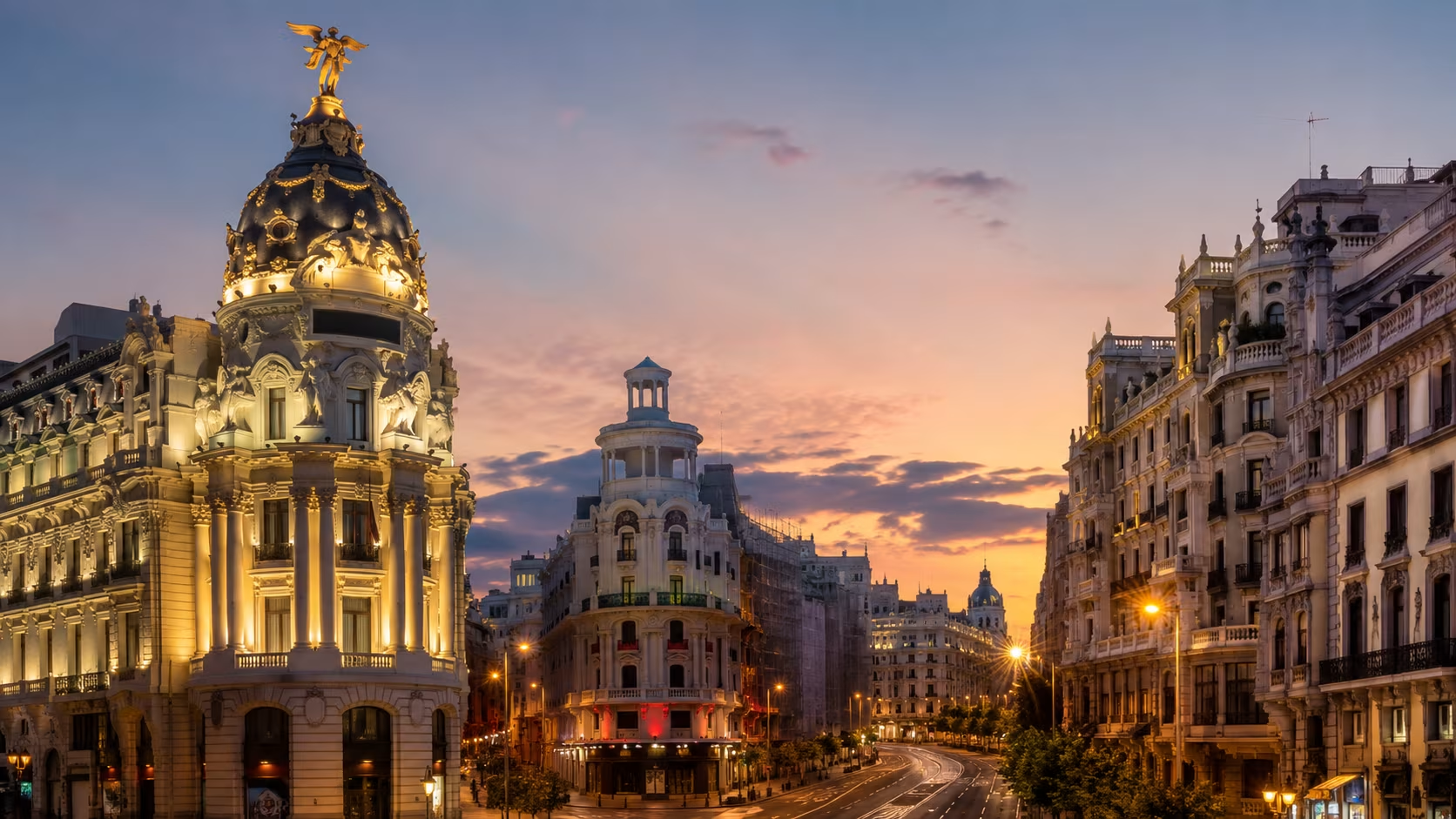
Madrid is Spain's capital and the country's least-touristed major city for its size. Tourist attention skews heavily to Barcelona; meanwhile Madrid quietly hosts the country's best art museums, the most-respected Spanish cuisine, and a nightlife schedule that runs later than almost any other European capital. Lunch starts at 14:30; dinner at 22:00; bars peak at 02:00; first metros restart at 06:00 just in time for the people leaving the bars to ride home with the people heading to work.
First-time visitors usually shape their trip around the Prado-Reina Sofía-Thyssen art triangle and call it Madrid. That's missing 75% of the city. The real Madrid is in the working-class Lavapiés neighborhood, the late-evening Malasaña tapeo, the Sunday Rastro flea market, and the long lunches in Casa Lucio that stretch until 17:30 and then become aperitivo.
This is a 4-day guide for first-timers who want both versions.
Quick Facts
| Item | Detail |
|---|---|
| Country | Spain |
| Currency | Euro (€) |
| Language | Spanish (Castilian); English in tourist areas |
| Time zone | CET (UTC+1) / CEST (UTC+2) |
| Tourist tax | None nationally; Madrid city: 0% |
| Best time | April–June, September–October |
| Visa | Schengen, 90 days for most non-EU |
| Trip length | 3–4 days |
When to Go
April to Early June
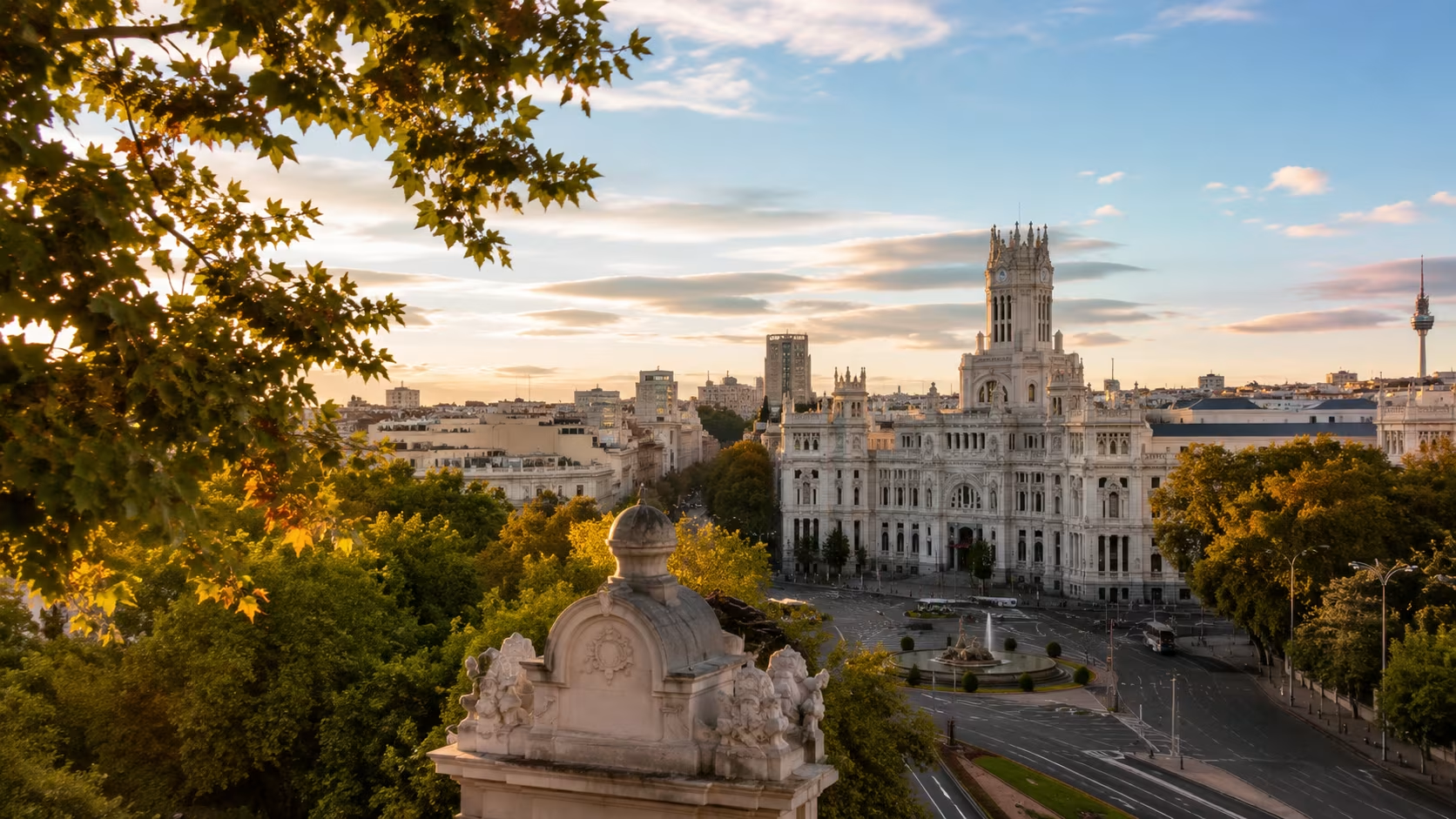
The sweet spot. Trees in flower, daytime highs 18–26°C, evening street life starting to peak. Holy Week may close some museums; Easter Monday some restaurants closed.
Mid-September to October
The other prime window. Schools resumed, weather mild, autumn light excellent for the city's classical architecture.
July to August
Hot: often 35–40°C+. Many residents leave for the coast or for the mountains. August is genuinely empty; many small restaurants close. The nighttime hours stretch later in the heat (some terraces don't start filling until 22:30).
November to February
Cool to cold (4–14°C). Christmas markets in Plaza Mayor. Quieter but the city retains its rhythm.
Avoid:
- Easter weekend (Holy Thursday-Easter Sunday): some restaurants closed; museum hours reduced.
- August if you want full restaurant access. Many smaller spots take vacations.
- Champions League final week if Real Madrid is involved (varies by year). Hotel prices spike.
Getting in
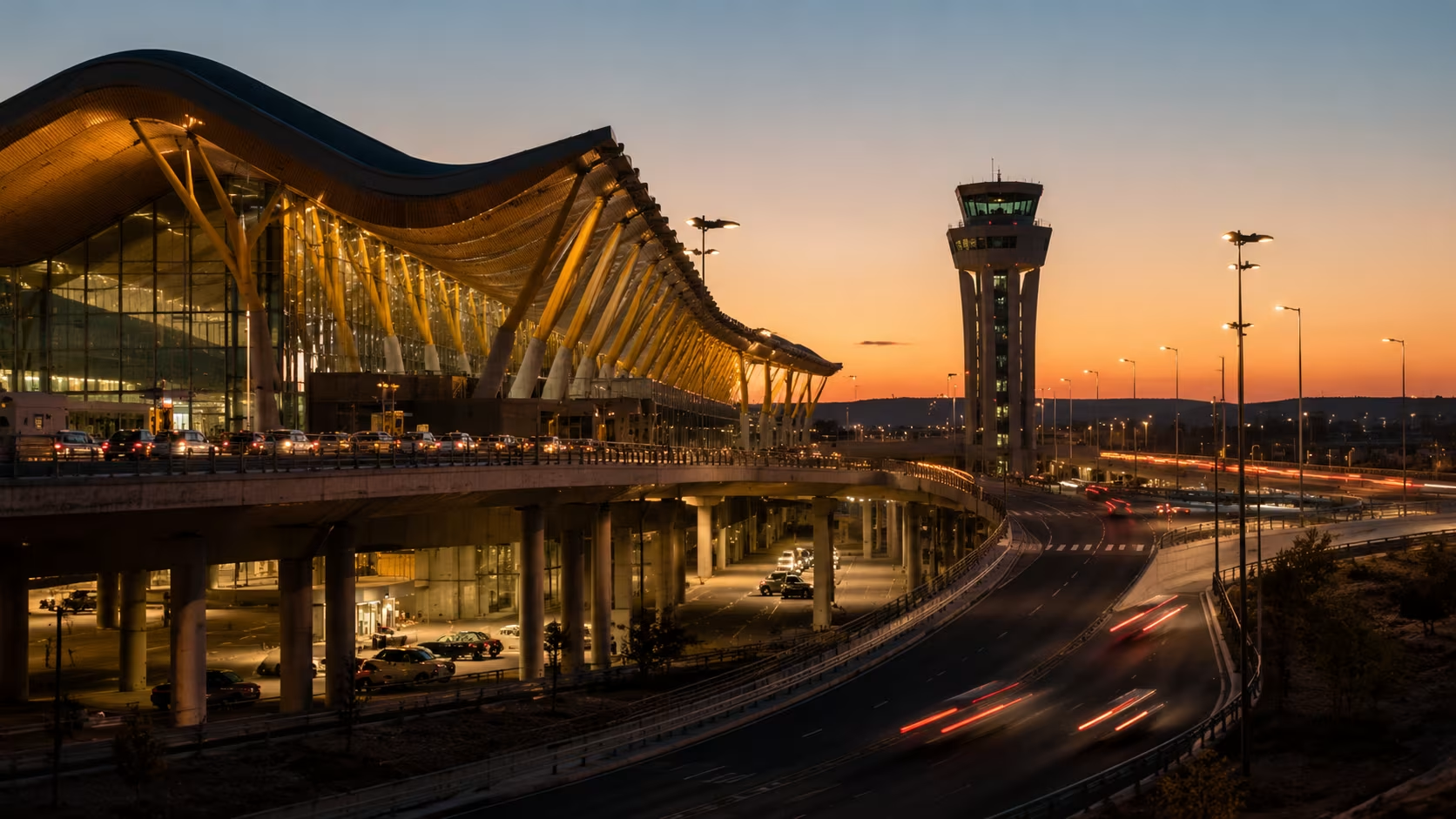
Adolfo Suárez Madrid-Barajas Airport (MAD). 13 km northeast of central Madrid.
From MAD:
- Metro Line 8 (Pink): €5–6 (3 + €3 airport surcharge), 30 min to Nuevos Ministerios. Standard tourist option.
- Cercanías commuter rail: €3, 25 min to Atocha or Chamartín stations.
- Bus 200: €1.50, 40 min to Avenida América; cheapest.
- Express Bus (24-hour): €5, 40 min to Atocha or Cibeles.
- Taxi: €30–35 flat fare to central districts. Reliable.
- Uber/Bolt: €25–35.
Madrid is also a major rail hub. AVE high-speed trains to Barcelona (2.5 hours, €40–120), Seville (2.5 hours, €40–110), Valencia (1.5 hours, €30–80), Málaga (3 hours, €40–110).
Getting Around
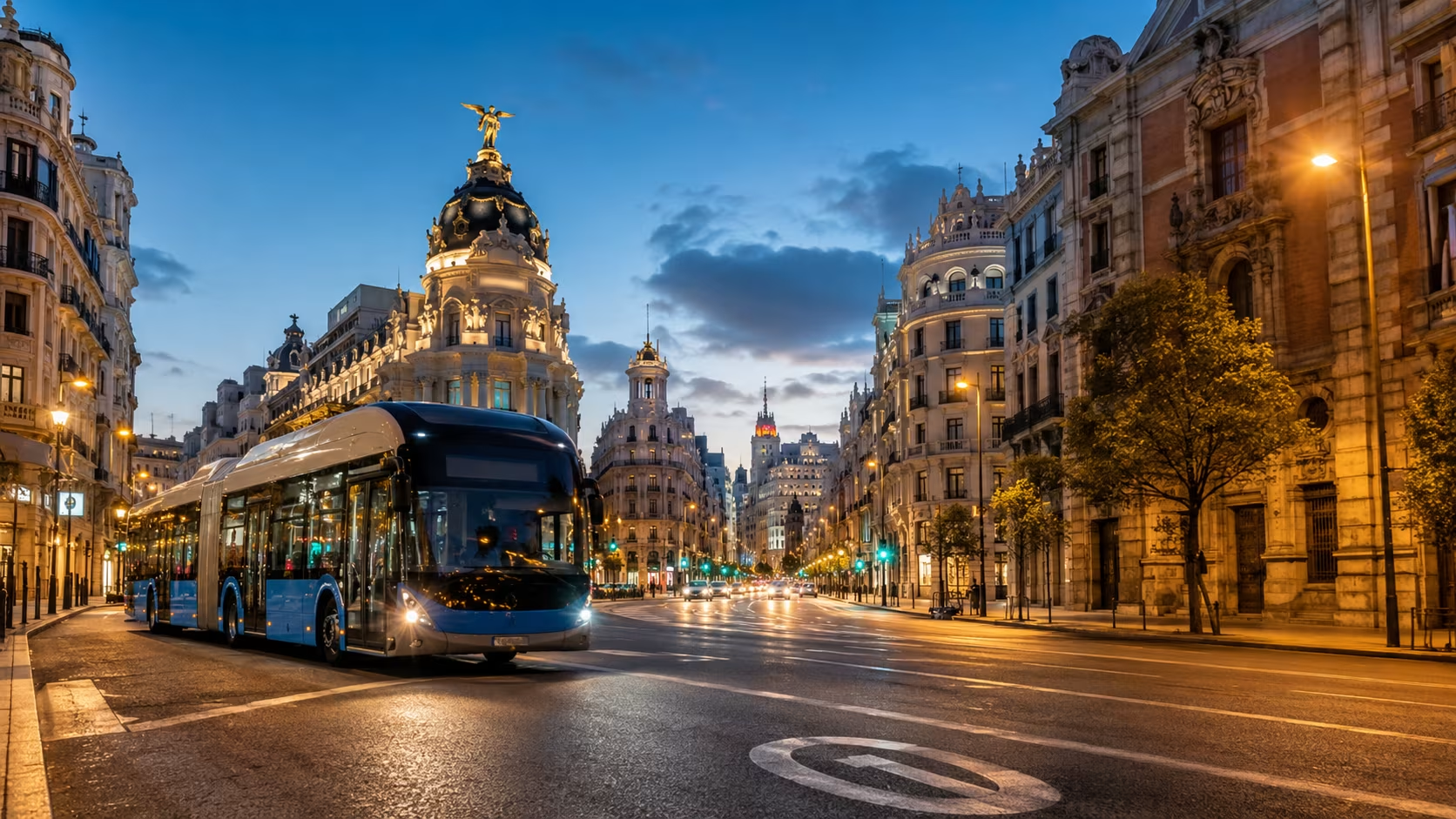
Madrid's transit is excellent. Most of what you came to see is walkable or a single metro ride.
Metro
12 lines + branches. Single ride: €1.50–2 depending on zone. 10-trip ticket: €12.20. Tourist Pass: €8.40 for 1 day, €14.20 for 2 days, €18.40 for 3 days, €25.20 for 5 days, €35.40 for 7 days.
Buy at vending machines in any station. Tap on entry; tap on exit (in some cities). Apple Pay / Google Pay tap-in works on most lines as of 2024.
Bus
Complements the metro. Same payment system.
Walking
Centro, Lavapiés, Chueca, Malasaña are all walkable internally. Between districts is a 15–25-minute walk or a 5-minute metro ride.
Taxis
White cabs with a red diagonal stripe. Metered. Reliable. Apps: Cabify (the local equivalent of Uber, often cheaper).
Where to Stay
Madrid neighborhoods (barrios) feel different from each other.
Sol / Centro / La Latina
The historic center. Plaza Mayor, Puerta del Sol, the major sights. Tourist density real but manageable. Mid-range and high-end hotels.
La Latina
The traditional working-class area, now mid-range gentrification. The Sunday Rastro flea market is in La Latina. Excellent tapas crawl streets (Cava Baja, Calle Almendro). Best base for tapas-focused first-timers.
Malasaña
The creative-and-shopping district. Bohemian energy, bookshops, design boutiques. Tribunal metro is the access. Best for travelers seeking neighborhood feel + nightlife.
Chueca
Madrid's gay district. Lively, dense bars and restaurants, design-forward retail. Walking distance to Gran Vía and Plaza España.
Salamanca
Madrid's upscale residential. Wide tree-lined streets, premium hotels, designer shopping (Calle Serrano). Less tourist character.
Lavapiés
Multicultural working-class. Indian restaurants, North African shops, indie galleries. The least gentrified central district. Cheaper accommodations.
Avoid as a Base
- Far suburbs (Vallecas, Carabanchel): too far for a 4-day trip.
- Near Atocha station only: convenient for trains but otherwise lacks neighborhood character.
Realistic 2026 nightly prices (4-star, weekday, shoulder):
| Neighborhood | Mid-range | Higher-end |
|---|---|---|
| Centro / Sol | €170–270 | €380–700 |
| La Latina | €150–230 | €330–600 |
| Malasaña | €150–230 | €350–600 |
| Chueca | €160–250 | €380–650 |
| Salamanca | €200–340 | €500–1,200 |
| Lavapiés | €110–180 | €260–450 |
What to Book in Advance
Prado Museum
The city's signature art museum. €15. Walk-up usually works for off-peak; book online for skip-line in summer. Allow 4–6 hours minimum. Monday-Saturday 10:00-20:00; Sunday/holidays 10:00-19:00. Free 18:00–20:00 daily, but expect 30–60-minute queues. The Velázquez, Goya (especially the "Black Paintings"), and El Greco rooms are the headline.
Reina Sofía
Modern and contemporary art. €12. Picasso's Guernica is the headline. Monday closed. Allow 2.5 hours. Free Monday and Wednesday-Saturday 19:00-21:00, Sunday 12:30-14:30, but lines.
Thyssen-Bornemisza
The third corner of the art triangle. €13. Less crowded than the others. Allow 3 hours. Comprehensive Western art collection from medieval to 20th century.
Royal Palace + Almudena Cathedral
€14. Walk-up usually works. Audio guides available. Allow 90 minutes for the palace. Cathedral is free.
Real Madrid Stadium Tour
Santiago Bernabéu Stadium tour. €25–30. Recently completed renovation (2024). Walk-up usually fine; book online for time slots.
Flamenco Show
Flamenco isn't strictly Madrileño (it's Andalusian), but Madrid has serious tablaos. Corral de la Morería (the most respected, since 1956), Cardamomo (modern), Las Tablas (mid-range). Book 1–2 weeks ahead.
Day 1 — Centro and the Art Triangle
08:30. Coffee in Centro. HanSo Café for serious coffee. Café del Real for traditional. Toma Café for serious specialty.
09:30. Walk Puerta del Sol → Calle Mayor → Plaza Mayor. The historical center. Touristy but the architecture is real.
10:00. Royal Palace + Almudena Cathedral. €14 + free. Allow 2 hours.
12:00. Walk to Mercado de San Miguel near Plaza Mayor. Touristy gourmet market: overpriced for actual eating, but worth a quick walk-through.
12:30. Walk to Plaza de España + the Egyptian temple Templo de Debod (free, gifted to Spain in 1968 from Egypt for Spain's help in saving Abu Simbel from the Aswan Dam).
13:30. Lunch in La Latina or Centro. Casa Lucio (the institution since 1974, famous for huevos rotos). Casa Botín (the world's oldest restaurant per Guinness, since 1725, famous for cochinillo asado roast suckling pig). Mercado de San Antón in Chueca for casual.
15:30. Prado Museum. Allow 3.5 hours minimum.
19:00. Walk through Retiro Park (the city's central green). The Crystal Palace, the Velázquez Palace, the lake (rowboat rentals).
20:30. Aperitivo at a Centro bar. Mercado de San Miguel (touristy but central) or Casa Revuelta for traditional bacalao.
22:00. Dinner.
Day 2 — Reina Sofía + Lavapiés + La Latina Tapas
09:30. Coffee.
10:30. Reina Sofía Museum. Allow 2.5 hours. Guernica (room 206) is the must-see; the Surrealists (Dalí, Miró) and post-war Spanish painters fill the rest.
13:30. Lunch in Lavapiés. Bar San Juan for traditional working-class. El Yantar de Pedraza for Castilian. El Vínico for natural wine + tapas.
15:30. Walk Lavapiés. The Tabacalera (the former tobacco factory, now an art and cultural center, free). Calle de Argumosa for cafés. The neighborhood is genuinely multicultural; respect that this is residential.
17:00. Walk to La Latina via Calle de Embajadores.
18:00. Tapas crawl. La Latina's Cava Baja is the institution. Order 1–2 small plates at each bar; move on after a drink.
- Casa Lucas: for casual classic.
- Casa Lucio: for the institution.
- Lamiak: Basque pintxos in Madrid.
- Juana La Loca: for tortilla classic.
- El Tempranillo: wine bar.
- Almendro 13: for huevos rotos and chorizo.
Move between 4–6 spots. End around 22:00.
22:30. Late dinner if needed at El Sur or Lhardy (since 1839).
Day 3 — Malasaña, Chueca, Royal Madrid
09:30. Coffee in Malasaña. Toma Café, HanSo, Misión Café.
11:00. Walk Malasaña. Vintage shops on Calle del Espíritu Santo, design boutiques, second-hand bookshops. The neighborhood is the closest Madrid has to a Brooklyn-equivalent.
12:30. Mercado de San Ildefonso (Malasaña). Smaller than San Miguel; less touristy.
13:00. Lunch. Triciclo for upscale modern. Sala de Despiece for innovative tapas. Bar Galleta for casual.
14:30. Walk to Chueca. The Calle de Hortaleza axis. Plaza de Chueca has café terraces.
15:30. Thyssen-Bornemisza Museum. Allow 2.5 hours. The collection's range (Hans Memling → 20th-century American Hopper) is the third art-triangle pillar.
18:00. Aperitivo. Salmon Guru (for cocktails, Centro). Macera for craft cocktails. Bar Cock (the most-respected old-school bar, since 1921).
20:30. Dinner. Sala de Despiece (modern tapas). DiverXO (3-Michelin-star, books months ahead). Restaurante Lhardy for traditional Castilian.
22:30 onward. Nightlife. Sala El Sol for indie rock. Velvet for hip-hop. Joy Eslava for the historical large club. Independance Club for techno.
Day 4 — Choose: Day Trip, Stadium, or Slow City Day
Path A: Toledo Day Trip
The medieval-walled city 70 km south. UNESCO World Heritage. Iberian Renaissance + Mudéjar + Christian + Jewish + Islamic layers. Train: 35 minutes by AVE (€16–20 round-trip).
09:30. Train to Toledo.
10:30. Walk Toledo. Visit:
- Toledo Cathedral (€14). One of the most striking Spanish Gothic cathedrals; El Greco's The Disrobing of Christ in the sacristy.
- Iglesia de Santo Tomé (€4). El Greco's The Burial of the Count of Orgaz.
- Sinagoga del Tránsito (€3). 14th-century Mudéjar synagogue, now a Jewish museum.
- Alcázar of Toledo for the panoramic view from the hilltop.
14:00. Lunch in Toledo. Adolfo for upscale Castilian. Casa Aurelio for working-class. El Pasaje de Quasimodo for the modernized version of traditional.
16:30. Train back to Madrid.
Path B: Segovia Day Trip
90 km north. Segovia Aqueduct (Roman, 1st century AD), Alcázar of Segovia (the Disney-like castle that inspired Disney's Sleeping Beauty Castle). Train: 35 minutes by AVE (€14–22).
Lunch is the headline: Mesón de Cándido for cochinillo (whole roast suckling pig, since 1786, the chef breaks it apart with a plate).
Path C: El Escorial
The royal monastery 50 km northwest. Built by Philip II as a royal pantheon and seat of empire. €14. UNESCO. Allow half day.
Path D: Slow Madrid Day
Morning at the Casa de Campo park or the Madrid Río riverside park. Afternoon at the Museo de Historia de Madrid (free, the city's history museum) or the Museo del Traje (costume and fashion museum, free).
Path E: Real Madrid Stadium
If football matters: tour Bernabéu (€25–30, allow 2 hours, includes the recently-renovated facilities).
What to Eat
Madrileño food has its own identity within Spanish cuisine.
Madrid-Specific Dishes
| Dish | What it is |
|---|---|
| Cocido madrileño | Three-course chickpea + meat + vegetable stew. Winter classic. La Bola (since 1870) is the institution. |
| Callos a la madrileña | Tripe stew with chorizo, paprika, blood sausage. Working-class winter. |
| Bocadillo de calamares | Fried calamari sandwich on a roll. Plaza Mayor cluster of bars sells them; the most famous is on the south side. |
| Huevos rotos | "Broken eggs": fried potatoes topped with eggs and ham. Casa Lucio is the institution. |
| Patatas bravas | Fried potatoes with spicy red sauce. The Madrid version uses a slightly tomato-y, spicy sauce. |
| Cochinillo asado | Roast suckling pig. Casa Botín is the institution. |
| Tortilla de patatas | Spanish potato omelet. The Madrid version has slightly runny center (cuajada is fully cooked). Juana La Loca is the contemporary best. |
| Oreja a la plancha | Grilled pig ear. Acquired taste; classic. |
| Croquetas | Béchamel-stuffed fried croquettes. Madrid does the best Spain has. |
| Churros con chocolate | Fried dough with thick hot chocolate. Chocolatería San Ginés since 1894 (open 24 hours). |
Where to Eat
Traditional / Old-School:
- Casa Lucio (working-class classic, since 1974)
- Casa Botín (world's oldest restaurant)
- La Bola (cocido madrileño, since 1870)
- Lhardy (since 1839)
- Casa Revuelta (bacalao)
- Bodega de la Ardosa (the most-respected bocadillo de calamares + tortilla)
Modern Castilian:
- Sala de Despiece (modern tapas)
- Triciclo (modern Spanish)
- DSTAgE (Michelin two-star)
- DiverXO (Michelin three-star, the famous Dabiz Muñoz)
Tapas Crawl:
- La Latina's Cava Baja street (ground zero for traditional tapas)
- Malasaña's Plaza del Dos de Mayo for modern
Costs and Budget
2026 daily budgets per person, excluding flights and hotel:
| Style | Per day | Notes |
|---|---|---|
| Backpacker | €60–95 | Hostel, working-class lunches, walking |
| Mid-range | €110–170 | Mix of casual and proper restaurants, museums, transit |
| Comfortable | €200–290 | Better restaurants, flamenco show, taxis |
| Higher-end | €450+ | Tasting menus, private guide, luxury hotel breakfasts |
Practical Info
- Cards. Universal except some traditional working-class spots that prefer cash.
- Tipping. 5–10% at restaurants for good service. Round up at cafés. Hotel housekeeping €1–2/day.
- English. Common in Centro tourist areas; less in residential districts. Younger Madrileños speak more English than older.
- Sundays. Most museums open. Many shops closed except chains and tourist-zone shops. The Sunday Rastro flea market is a real local event.
- Late schedule. Lunch 14:30; dinner 21:30+. Restaurants opening at 19:00 are mostly tourist-aimed.
- Pickpocketing. Real on metro Line 1 around tourist sights, in the Sol/Plaza Mayor area, and at Atocha station. Standard precautions.
- Smoking. Banned indoors; permitted on outdoor terraces.
- Heat. Summer afternoons (15:00–18:00) are brutal. Schedule heat breaks.
Common First-Timer Mistakes
- Eating dinner at 19:00. Most restaurants don't open until 20:00; serious dinner starts at 22:00. The 19:00 spots are tourist places.
- Going to Mercado de San Miguel for actual lunch. It's a tourist gourmet market; better as a 15-minute browse than a meal.
- Doing all three art museums in one day. Six hours of museum walking is exhausting; spread across two days.
- Skipping the tapas crawl. Tapas walking on Cava Baja or in Malasaña is the city's signature evening experience.
- Booking a hotel near the train station only. Atocha is convenient for transit; the neighborhood is otherwise unremarkable.
- Trying to do Madrid + Barcelona + Andalusia in 5 days. Either pick one region or extend the trip.
- Visiting on Mondays expecting full museum access. Reina Sofía and several others closed on Mondays.
- Eating only paella. Paella is Valencian, not Madrileño. Order it in Valencia; eat the Madrid classics here.
- Ordering sangria. Locals drink tinto de verano (red wine + lemon soda) instead.
Final Notes
Four days in Madrid is enough for a focused first trip. One art-museum day plus a Centro walk; one Lavapiés + La Latina tapas day; one Malasaña + Chueca + Thyssen day; one day trip or stadium day.
The quietest piece of advice: stay out late one night. Walk Plaza Mayor at 02:00. Visit Chocolatería San Ginés at 04:00 for churros after the bars close. The city at night is genuinely different from the city by day, and travelers who go to bed at 23:00 see only the photographic version of Madrid. The real one starts when most tourists have already crashed.
0 Comments
No comments yet — start the conversation.